
Blacklet Fly Diet Guide: Food Sources, Feeding Habits, and Foraging Behavior

Quick Facts
Diet Type: Omnivorous Detritivore
Main Food Sources: Nectar, Pollen, Decaying Organic Matter, Fungi, and Microorganisms
Feeding Time: Primarily Daytime
Foraging Method: Surface Feeding and Flower Visiting
Seasonal Diet Changes: Food Sources Shift with Seasonal Availability
Predatory Adaptations: Limited; Relies on Opportunistic Feeding
Blacklet Fly Feeding Ecology and Dietary Overview
Blacklet flies belong to the insect family Heleomyzidae, a widespread group found across much of the world. Species occur throughout North America, Europe, Asia, Africa, South America, and Oceania, occupying a variety of ecosystems. Wherever they occur, access to food remains one of the most important factors influencing their presence and survival.
Although small in size, blacklet flies participate in a surprisingly diverse range of feeding activities. Their diet reflects the adaptable nature of the family, allowing them to take advantage of different food resources as environmental conditions change. This flexibility helps explain why members of Heleomyzidae occur across such a broad geographic range.
Unlike highly specialized insects that depend on a single food source, blacklet flies often utilize multiple feeding opportunities throughout their lives. Their food choices can vary depending on species, life stage, seasonal conditions, and local resource availability. This adaptability provides a significant advantage when conditions fluctuate.
A close observer watching a blacklet fly moving among vegetation may notice its constant search for feeding opportunities. Whether resting on flowers or exploring natural surfaces, these insects spend much of their daily activity focused on obtaining nutrients. Their feeding habits form an essential part of their ecological role within natural communities.
Blacklet Fly Diet Overview and Feeding Adaptability
Blacklet flies are generally considered opportunistic feeders rather than strict dietary specialists. Members of the family consume a variety of organic materials depending on what is available within their environment. This flexible approach allows them to exploit food resources that many more specialized insects cannot use effectively.
The family’s dietary strategy can best be described as omnivorous with strong detritivorous tendencies. Many species obtain nutrients from plant-derived sources while also utilizing decomposing organic material and microorganisms. This broad feeding range helps support populations across numerous ecosystems.
Compared with insects such as monarch butterflies, which rely heavily on specific host plants during development, blacklet flies display much greater dietary flexibility. Their feeding habits resemble those of generalist scavengers capable of taking advantage of multiple food sources rather than depending on one. This adaptability contributes significantly to their ecological success.
Diet composition may vary considerably between regions. A population living in a flower-rich landscape may rely more heavily on nectar and pollen, while individuals occupying shaded woodland environments may obtain a larger proportion of nutrients from decaying organic matter. Such variation reflects local conditions rather than a fixed feeding pattern.
Different species within the family may also exhibit slightly different dietary preferences. Some appear more closely associated with fungi and decomposing vegetation, while others are frequently observed visiting flowers. These differences contribute to the diversity found throughout the Heleomyzidae family.
Seasonal changes often influence food selection. During periods of abundant flowering, many individuals have access to plant-based resources that may become less available later in the year. As conditions shift, blacklet flies adjust their feeding habits accordingly.
The ability to utilize multiple food categories reduces dependence on any single resource. This characteristic helps blacklet flies remain successful even when environmental conditions change unexpectedly. Their dietary flexibility remains one of the defining features of the family.
Overall, blacklet flies demonstrate a feeding strategy centered on opportunity rather than specialization. This broad approach supports survival across a wide range of habitats and environmental conditions.

Natural Food Sources Used by Blacklet Flies
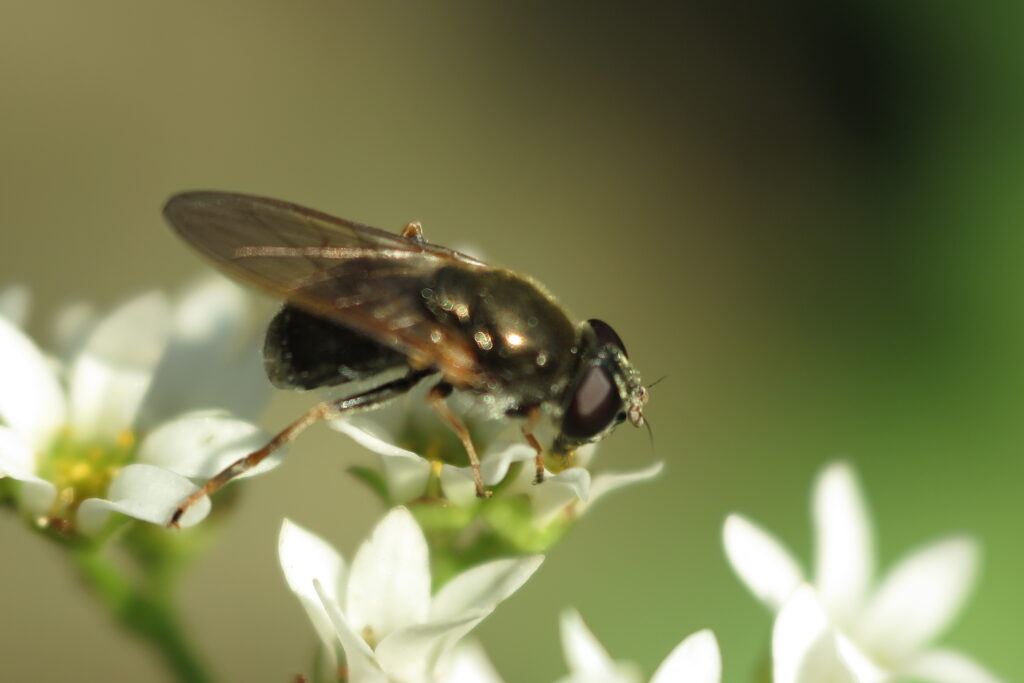
Nectar represents one of the most commonly observed food sources for adult blacklet flies. Flowering plants provide readily available carbohydrates that help fuel daily activity. Individuals are often seen visiting blossoms where they use specialized mouthparts to consume liquid food resources.
Pollen may also contribute to the diet of many adults. While visiting flowers, blacklet flies frequently come into contact with pollen grains that provide additional nutrients. These nutrients can supplement energy obtained from nectar and support overall physiological function.
Decaying plant material forms another important food source within the family. Fallen leaves, decomposing vegetation, and other organic matter support microorganisms that blacklet flies may utilize directly or indirectly. Such resources are often abundant and available throughout much of the year.
Fungi play a significant role for certain species. Some blacklet flies are associated with fungal growth occurring on decaying wood, leaf litter, or other organic materials. These fungal resources provide nutrients that may be difficult to obtain elsewhere in the environment.
Larval feeding habits frequently differ from those of adults. Immature stages commonly develop within organic material where microorganisms, fungi, and decomposing matter provide nutrition. This separation of dietary resources between life stages helps reduce competition within the species.
Food availability can vary dramatically depending on season and location. During periods of abundant flowering, nectar may become a dominant food source for adults. In contrast, environments with fewer flowers may encourage greater reliance on decomposing organic material and associated microorganisms.
One commonly utilized resource is flower nectar, which provides a concentrated source of energy. Similar to how a quick snack fuels human activity, nectar supplies readily accessible carbohydrates that support flight and daily movement. This makes flowering plants valuable feeding locations whenever available.
The diversity of food sources available to blacklet flies reflects their adaptable nature. Rather than depending on a narrow dietary niche, they utilize a broad selection of natural resources that help sustain populations across many ecosystems.
Blacklet Fly Feeding Behavior and Food-Gathering Strategies
Blacklet flies typically locate food through a combination of visual cues, chemical signals, and environmental exploration. Their large compound eyes help identify potential feeding opportunities, while sensory structures assist in detecting suitable food sources at close range. This combination allows efficient resource location despite their small size.
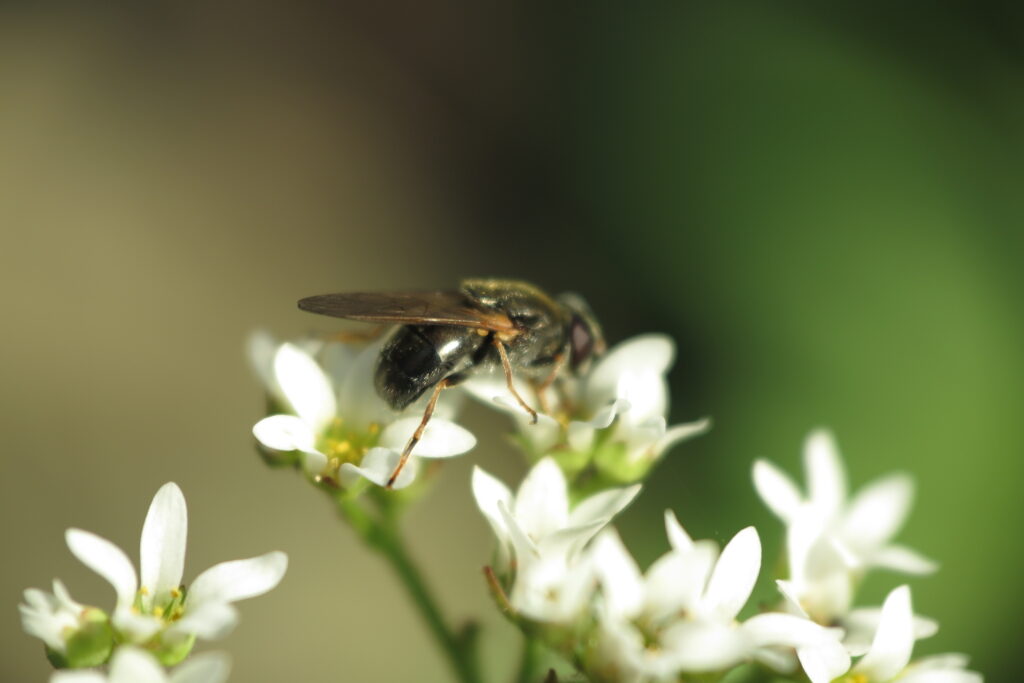
When feeding on flowers, blacklet flies often move methodically between blossoms. An individual may spend only a brief period on one flower before investigating another nearby. This behavior allows access to multiple food sources within a relatively small area.
Their feeding style emphasizes efficiency rather than prolonged occupation of a single location. Much like a shopper comparing several options before making a purchase, blacklet flies frequently sample different feeding opportunities during a foraging session. This strategy helps maximize nutrient intake while minimizing wasted effort.
Competition for resources may occur when multiple insects utilize the same food source. Rather than engaging in direct confrontation, blacklet flies usually rely on mobility and flexibility. If a resource becomes crowded, they can often relocate quickly to another nearby feeding site.
When resources become scarce, adaptability becomes especially important. Individuals may expand their search area or utilize alternative food sources that were previously less important. This ability to adjust feeding behavior helps maintain survival during changing environmental conditions.
Short feeding visits are common. Rather than remaining in one location for extended periods, blacklet flies frequently alternate between feeding and searching. This pattern reduces dependence on any single resource and increases opportunities to locate additional food.
A practical example can be observed when a blacklet fly moves repeatedly among several flowers within a patch of vegetation. Instead of exhausting one source completely, it gathers nutrients from multiple locations. This approach helps ensure consistent access to food while reducing competition pressure.
The feeding behavior of blacklet flies reflects the same flexibility that characterizes their overall ecology. Through efficient foraging, rapid resource assessment, and the ability to exploit diverse food sources, these insects have developed a highly effective strategy for survival across much of the world.
Popular Searches About Blacklet Flies
Explore Blacklet Fly Guide
Explore More Wildlife

Support Encounters World
Help support wildlife photography and get behind the scenes discoveries on Patreon.