
Yellow-Banded Millipede Habitat: Range, Environment, and Preferred Living Conditions
Quick Facts
Primary Habitat: Deciduous and Mixed Forests
Secondary Habitat: Woodland Edges and Moist Natural Areas
Climate Preference: Humid Temperate Climates
Environment Type: Forest Floor Ecosystems
Elevation Range: Sea Level to Approximately 5,000 Feet (1,524 m)
Geographic Distribution: Eastern North America
Yellow-Banded Millipede Range and Natural Environment
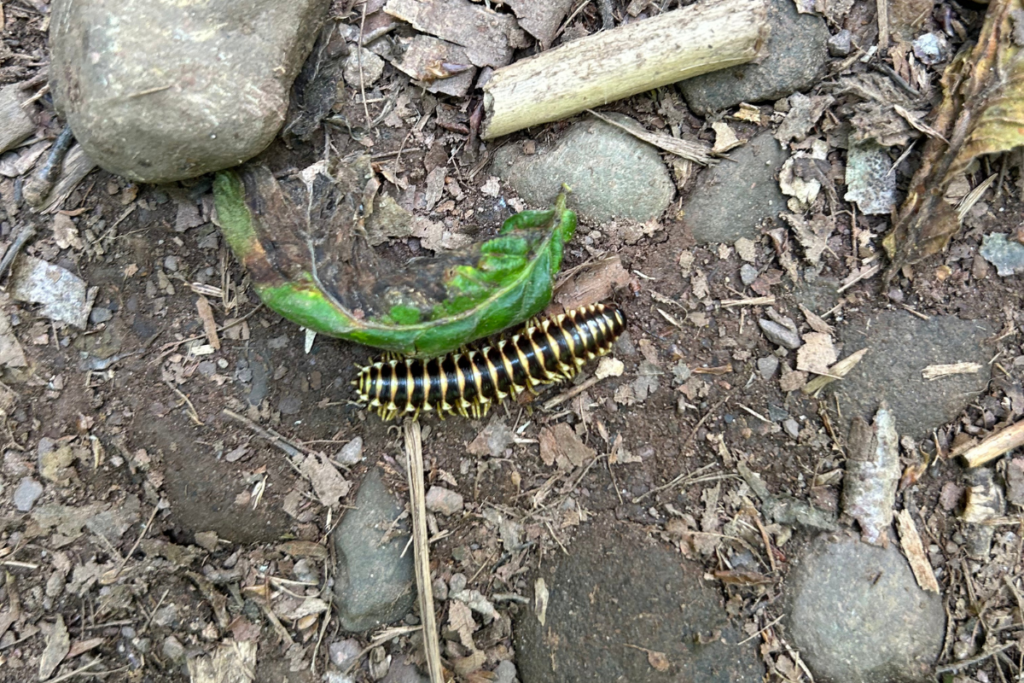
The Yellow-Banded Millipede (Apheloria sp.) is a distinctive woodland invertebrate found throughout portions of eastern North America. Its distribution spans regions known for extensive forest cover, seasonal weather patterns, and abundant organic matter. Across this range, the species occupies landscapes that support healthy populations of decomposers and other forest-floor organisms.
A walk through many eastern natural areas can reveal the conditions that support this millipede. Fallen leaves, shaded ground, and layers of accumulated plant material create the backdrop for countless invertebrate species. Among them, the Yellow-Banded Millipede stands out because of its bold black-and-yellow coloration and its association with well-established natural environments.
The species occurs across a variety of landscapes within its broader geographic range. From rolling hills and mountain foothills to lower-elevation woodlands, it demonstrates an ability to persist across numerous regions. While it is not among the most widespread millipedes in North America, it occupies a substantial portion of the eastern United States where suitable environmental conditions exist.
Unlike species restricted to a single ecosystem or isolated geographic region, the Yellow-Banded Millipede has established itself across a broader network of natural landscapes. Its presence in multiple states and ecological regions reflects a degree of environmental flexibility. Even so, it remains closely tied to habitats that provide the moisture, cover, and organic material necessary for long-term survival.
Yellow-Banded Millipede Habitat Overview Across Its Range
Throughout its range, the Yellow-Banded Millipede is most frequently associated with landscapes dominated by natural vegetation. Wooded regions support many populations, but the species is not limited to a single forest type. Areas containing a mixture of trees, understory vegetation, and accumulated plant debris often provide suitable living space.
Compared to highly specialized invertebrates that occupy only narrow habitat zones, this millipede demonstrates moderate adaptability. It can occur in mature forests, younger secondary growth woodlands, and transitional environments where different vegetation communities overlap. This flexibility allows populations to persist across a wider geographic area than some closely related species.
Many observations come from landscapes that experience seasonal changes throughout the year. Spring growth, summer humidity, autumn leaf fall, and winter dormancy each contribute to the overall character of these environments. The Yellow-Banded Millipede remains connected to these seasonal cycles because they influence the structure and condition of the habitats it occupies.
The species is often encountered in locations that maintain relatively stable ground-level conditions. Dense vegetation overhead helps create a buffered environment that differs from exposed open areas. This stability supports a variety of forest-floor organisms and contributes to the ecological communities where Yellow-Banded Millipedes are commonly found.
When viewed at a regional scale, the distribution of the species appears broader than many people might expect. It is capable of occupying numerous natural settings across eastern North America, provided those environments retain the characteristics needed to support healthy populations. This combination of moderate adaptability and environmental preference has contributed to its continued success throughout much of its range.
Yellow-Banded Millipede Habitat Types and Landscape Preferences
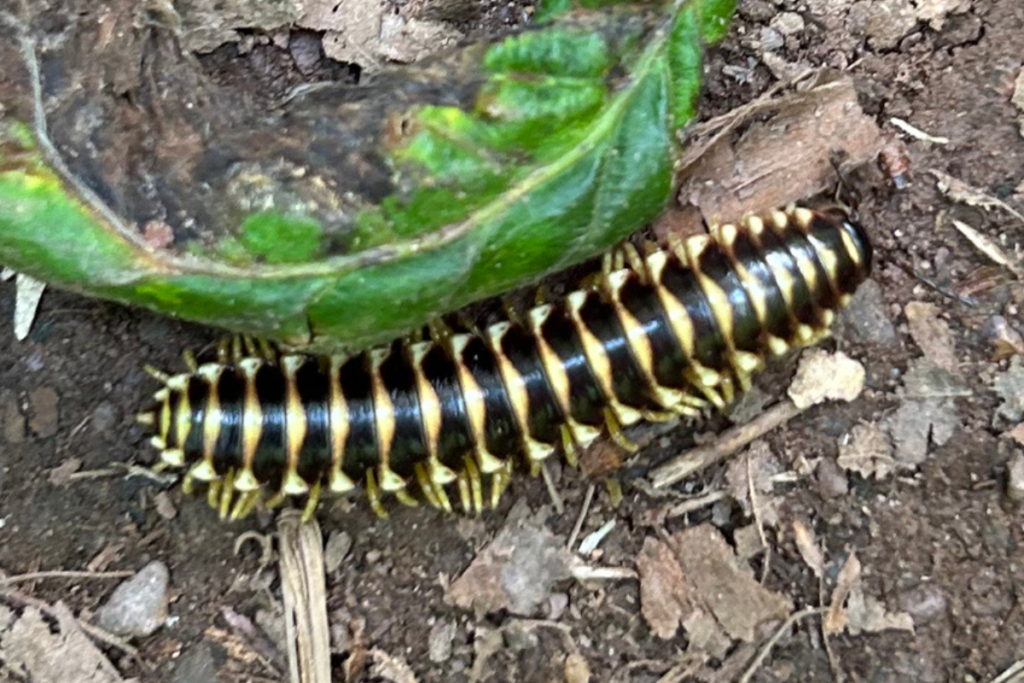
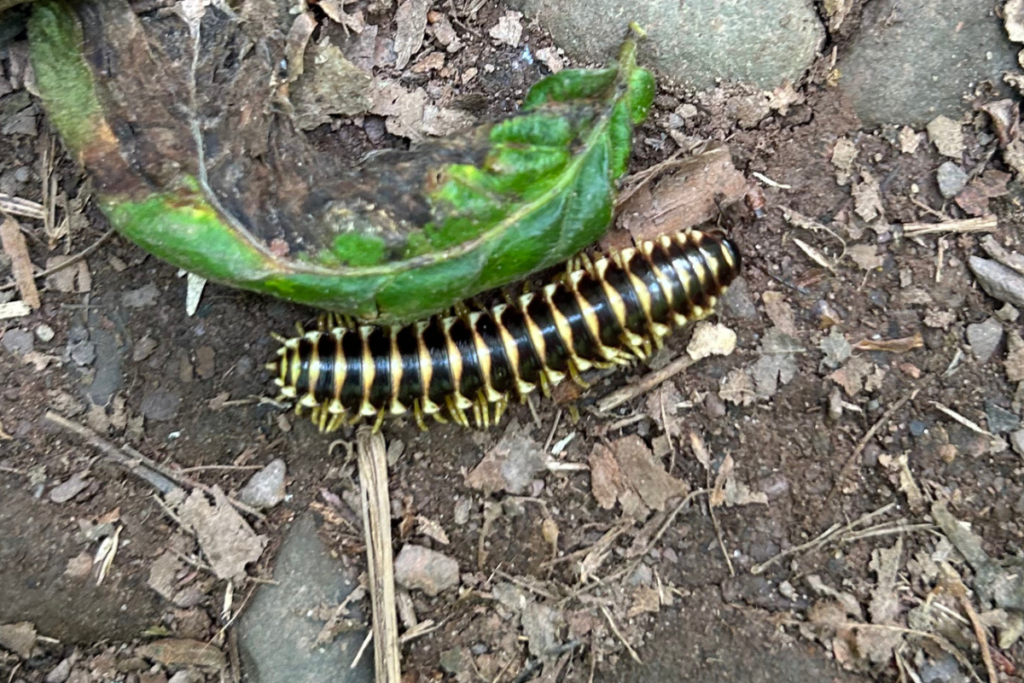
Deciduous forests represent one of the most important habitat types for the Yellow-Banded Millipede. These forests generate substantial amounts of leaf litter each year, creating a complex ground layer rich in organic material. The annual accumulation of leaves, twigs, and decomposing plant matter forms an environment that supports diverse invertebrate communities.
Mixed forests containing both hardwood and evergreen trees also provide suitable habitat. In these landscapes, varying vegetation structures create multiple layers of cover and organic debris. The combination of different tree species often produces a more diverse forest floor, supporting a wide range of ecological niches.
Woodland edge habitats can occasionally support Yellow-Banded Millipedes as well. Transitional zones between forests and adjacent vegetation types often contain dense plant growth and abundant ground cover. These edge environments may offer conditions similar to interior woodlands while providing additional habitat variation.
Moist ravines and streamside woodlands frequently contain favorable habitat features. Areas near seasonal waterways often accumulate organic material while maintaining higher moisture levels than surrounding terrain. Such locations can support particularly rich communities of decomposers, including millipedes and related invertebrates.
Although the species is primarily associated with natural environments, it may occasionally occur in semi-natural areas influenced by human activity. Parks, protected woodlots, and forested green spaces can provide habitat when natural vegetation remains intact. However, populations are generally more common in larger, less-disturbed woodland systems than in heavily altered landscapes.
Environmental Conditions Supporting Yellow-Banded Millipede Populations
The Yellow-Banded Millipede is most closely associated with humid temperate climates characterized by moderate rainfall and seasonal temperature variation. These regions experience warm summers, cool winters, and periodic precipitation throughout the year. Such conditions help maintain the environmental stability needed by many forest-floor invertebrates.
Moisture is one of the most important environmental factors influencing habitat suitability. Landscapes that retain humidity near ground level are often more favorable than exposed areas that dry rapidly. A useful comparison is the difference between the shaded interior of a forest and a sunlit parking lot; one remains cool and damp, while the other quickly loses moisture.
Vegetation structure also plays a significant role in shaping habitat quality. Forest canopies help regulate temperature, reduce direct sunlight, and slow moisture loss from the ground. Beneath these canopies, layers of leaves, fallen branches, and decomposing plant material create a sheltered microenvironment that remains relatively stable throughout much of the year.
Terrain can vary considerably across the species’ range. Populations occur in lowland forests, rolling hills, valleys, and mountainous regions. Areas with uneven topography often contain pockets where moisture and organic material naturally accumulate, creating particularly favorable conditions for forest-floor organisms.
Seasonal changes influence environmental conditions throughout the year. Spring and autumn often provide especially favorable combinations of moisture and moderate temperatures. Summer heat may increase drying in some areas, while winter introduces colder conditions that reduce biological activity. Despite these fluctuations, habitats that maintain protective vegetation cover and consistent ground-level moisture continue to support Yellow-Banded Millipede populations across much of eastern North America.
The most suitable environments combine several factors at once: humid air, organic-rich soils, protective vegetation, and relatively stable seasonal conditions. Together, these characteristics create the forest-floor ecosystems where the Yellow-Banded Millipede has successfully established itself across generations. While the species can tolerate some variation, its strongest populations are typically associated with landscapes that preserve these fundamental environmental qualities.
Popular Searches About Banded Millipedes
Explore Banded Millipede Guide
Explore More Wildlife

Support Encounters World
Help support wildlife photography and get behind the scenes discoveries on Patreon.