
Painted Turtle Habitat Guide: Freshwater Environments and Natural Range of Chrysemys picta
Quick Facts
Primary Habitat: Freshwater ponds, marshes, and slow-moving lakes
Secondary Habitat: Rivers, drainage wetlands, and park waterways
Climate Preference: Temperate climates with seasonal variation
Environment Type: Aquatic freshwater ecosystems with basking areas
Elevation / Depth Range: Lowland freshwater systems to moderate elevations
Geographic Distribution: Southern Canada and much of the United States
Introduction to Painted Turtle Habitat Across North America
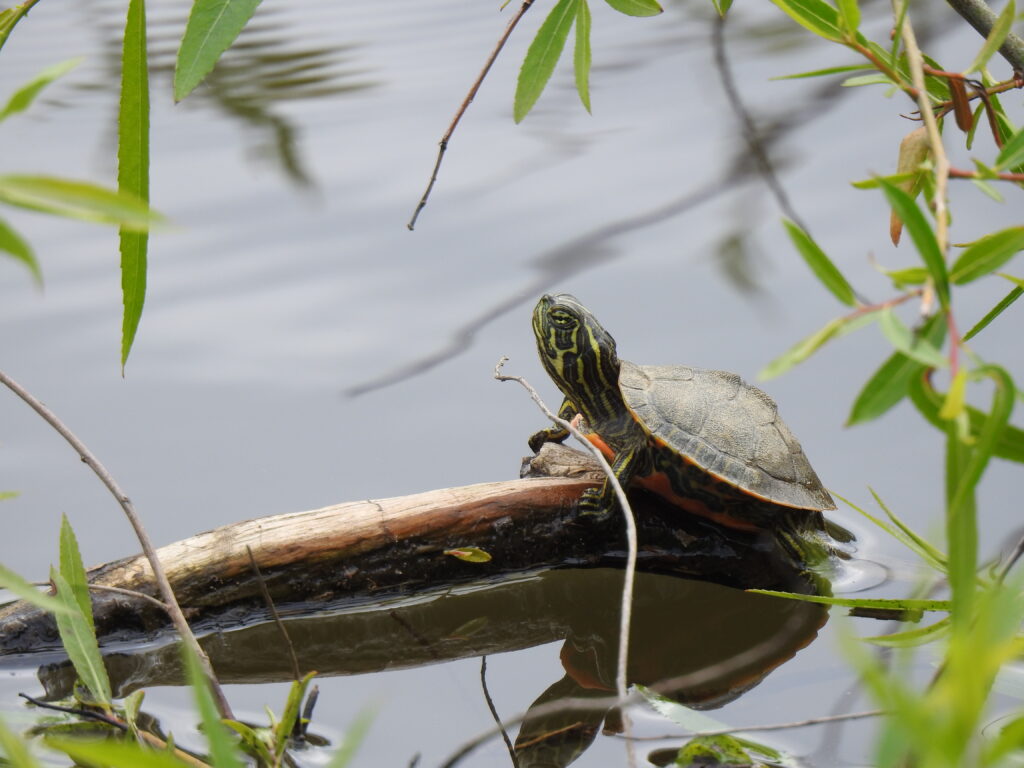
The Painted Turtle is one of the most widespread freshwater turtles in North America, occupying a broad range of aquatic environments throughout the United States and southern Canada. Frequently associated with calm water and exposed basking surfaces, the species is a familiar sight in wetlands, ponds, and shallow lakes. Its colorful markings and tendency to rest visibly above the water make it especially noticeable in warm seasons. Across much of its range, Painted Turtles are closely tied to freshwater landscapes shaped by sunlight, vegetation, and slow-moving water.
The species occurs across regions with very different climates and seasonal conditions. Northern populations experience long winters with frozen ponds and icy shorelines, while southern populations inhabit warmer environments with longer active seasons. Despite these environmental differences, Painted Turtles remain strongly connected to freshwater systems that provide both aquatic shelter and sunlit resting areas. Their wide distribution demonstrates strong tolerance for varied environmental conditions across North America.
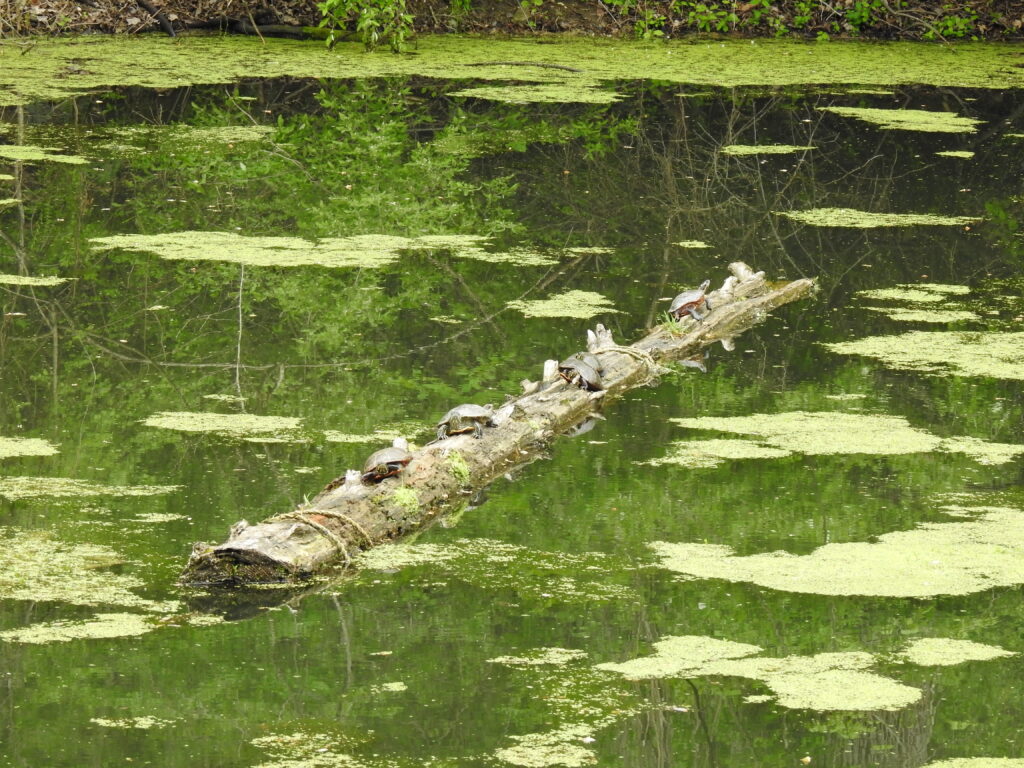
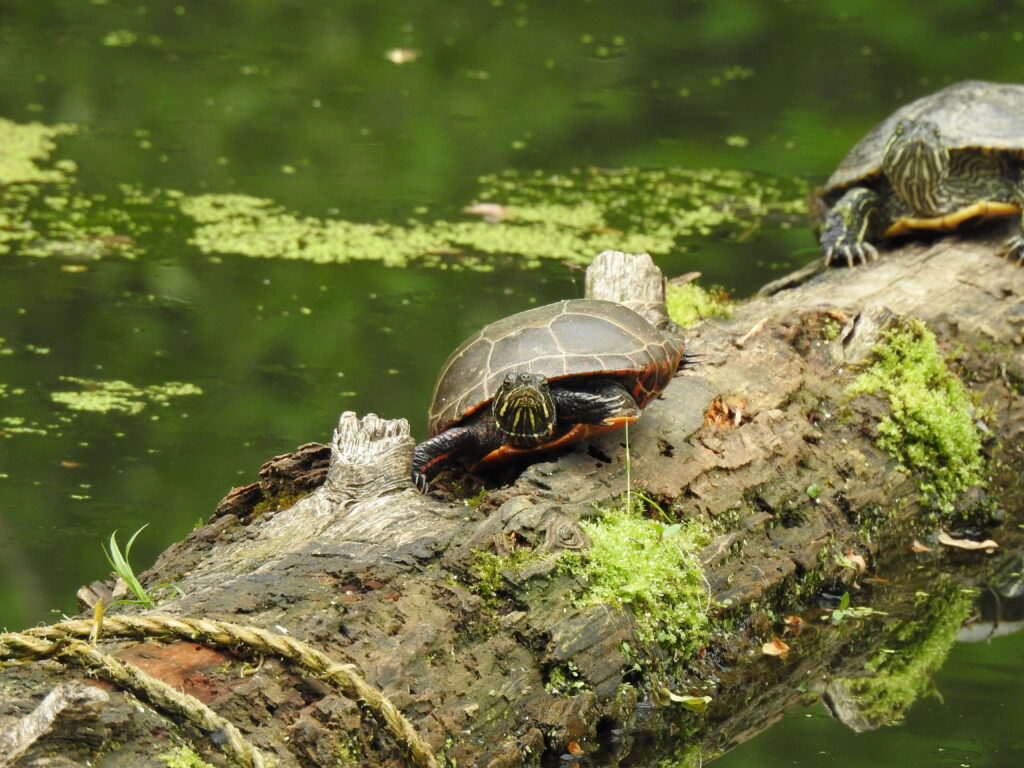
Painted Turtles are commonly observed in areas where water and vegetation blend together into layered wetland environments. Quiet shorelines filled with reeds, floating plants, fallen branches, and muddy banks create the visual setting most often associated with the species. During warmer months, exposed logs and rocks become gathering points where turtles line up beneath direct sunlight. These calm aquatic landscapes form the foundation of the Painted Turtle’s natural environment.
Unlike reptiles restricted to isolated wilderness habitats, Painted Turtles also thrive in many human-influenced areas. Public parks, suburban ponds, retention basins, and managed wetlands frequently support healthy populations. Their ability to survive in both natural and modified freshwater systems has helped maintain widespread populations across much of the continent. Even heavily visited waterways may contain multiple turtles basking quietly along the shoreline.
Broad Painted Turtle Habitat Range and Environmental Adaptability
The Painted Turtle occupies one of the broadest freshwater ranges of any North American turtle species. Its distribution extends from southern Canada through much of the United States, covering thousands of miles of wetlands, lakes, rivers, and marsh systems. Few freshwater reptiles demonstrate the same level of environmental flexibility across such varied geographic regions. Compared to turtles limited to specific climates or isolated habitats, Painted Turtles remain highly adaptable throughout much of temperate North America.
This adaptability is especially visible in the species’ ability to tolerate both natural and human-altered environments. Wetland systems near cities, suburban neighborhoods, and agricultural landscapes may still support stable Painted Turtle populations if water quality and basking structures remain available. Many turtles thrive in ponds located within parks or protected recreation areas. Their success in these mixed environments contrasts with more sensitive aquatic reptiles that decline rapidly when habitats become fragmented.
Painted Turtles are strongly associated with freshwater systems containing stable water levels and moderate vegetation cover. However, they are not limited exclusively to pristine wilderness wetlands. Drainage canals, retention ponds, and managed reservoirs sometimes function as secondary habitats if sufficient aquatic structure exists. This broad environmental tolerance has allowed the species to remain widespread even in regions heavily influenced by human development.
Despite their adaptability, Painted Turtles still depend heavily on environments shaped by freshwater conditions. Dry grasslands, rocky uplands, and fast-moving mountain streams rarely support long-term populations. The species remains closely tied to calm or slow-moving aquatic systems capable of supporting aquatic vegetation and exposed basking surfaces. Across nearly all parts of their range, the presence of shallow freshwater environments remains one of the defining factors determining suitable habitat.
Specific Freshwater Habitat Types Used by Painted Turtles
The Painted Turtle occupies several distinct freshwater habitat categories, with ponds representing one of the most common environments. Natural ponds containing shallow water, soft bottoms, and abundant aquatic vegetation frequently support large populations. Fallen logs, partially submerged branches, and exposed shoreline rocks provide important basking locations throughout these habitats. Calm pond environments also allow floating vegetation to accumulate along the surface, creating layered aquatic structure.
Marshes and wetlands represent another major habitat type for the species. These environments often contain dense vegetation such as cattails, reeds, grasses, and floating plant mats. Shallow water combined with thick plant growth creates highly productive freshwater systems capable of supporting diverse aquatic life. Painted Turtles are especially common in marshes where open water areas connect with heavily vegetated shoreline zones.
Slow-moving rivers and backwater channels also support Painted Turtle populations. In these environments, turtles are usually associated with calmer sections rather than strong currents. River edges containing mud banks, driftwood, and quiet inlets provide suitable resting and basking areas. Compared to fast-flowing streams with rocky bottoms, slower waterways create more stable conditions for aquatic vegetation and submerged shelter.
Human-created environments now function as important secondary habitat categories in many regions. Park ponds, stormwater basins, golf course wetlands, and suburban lakes commonly support Painted Turtles if water remains available year-round. In some urban areas, these artificial wetlands may provide critical habitat where natural marsh systems have declined. Turtles living in these locations often use docks, concrete edges, and artificial structures in place of natural basking logs or shoreline debris.
Environmental Conditions Supporting Painted Turtle Populations
The Painted Turtle thrives in temperate freshwater environments shaped by seasonal changes in temperature and sunlight. Warm summers support aquatic plant growth and create ideal basking conditions, while colder seasons slow biological activity significantly. Across much of the species’ range, winter temperatures may drop below freezing for extended periods. Painted Turtles tolerate these seasonal extremes by remaining closely tied to aquatic systems capable of supporting overwintering conditions.
Water depth and temperature play major roles in determining habitat suitability. Shallow or moderately deep freshwater systems warm more efficiently under sunlight, supporting aquatic productivity and exposed basking conditions. Extremely deep or heavily shaded water bodies may provide fewer suitable resting areas near the surface. Calm water also allows floating vegetation and submerged organic material to accumulate, creating more complex aquatic environments.
Vegetation structure is another important environmental factor supporting Painted Turtle populations. Wetlands filled with reeds, floating plants, algae, and submerged vegetation create layered aquatic cover throughout the water column. Shorelines containing grasses, muddy banks, and low vegetation help stabilize aquatic environments while supporting surrounding freshwater ecosystems. These plant-rich conditions resemble living underwater gardens filled with filtered sunlight and reflective surface cover.
Painted Turtles are highly tolerant of seasonal climate variation across their range. Northern populations survive long cold winters with frozen ponds, while southern turtles experience extended warm seasons and humid summers. In many freshwater systems, seasonal appearance changes dramatically throughout the year. Summer ponds may become thick with green vegetation and active wildlife, while winter transforms the same environment into quiet ice-covered wetlands with very little visible activity.
Popular Searches About Painted Turtle
Explore Painted Turtle Guide
Explore More Wildlife

Support Encounters World
Help support wildlife photography and get behind the scenes discoveries on Patreon.