
Painted Turtle Size Guide: How Big Do Painted Turtles Get? Complete Size and Growth Overview
Quick Facts
Location: Freshwater ponds, marshes, lakes, and wetlands
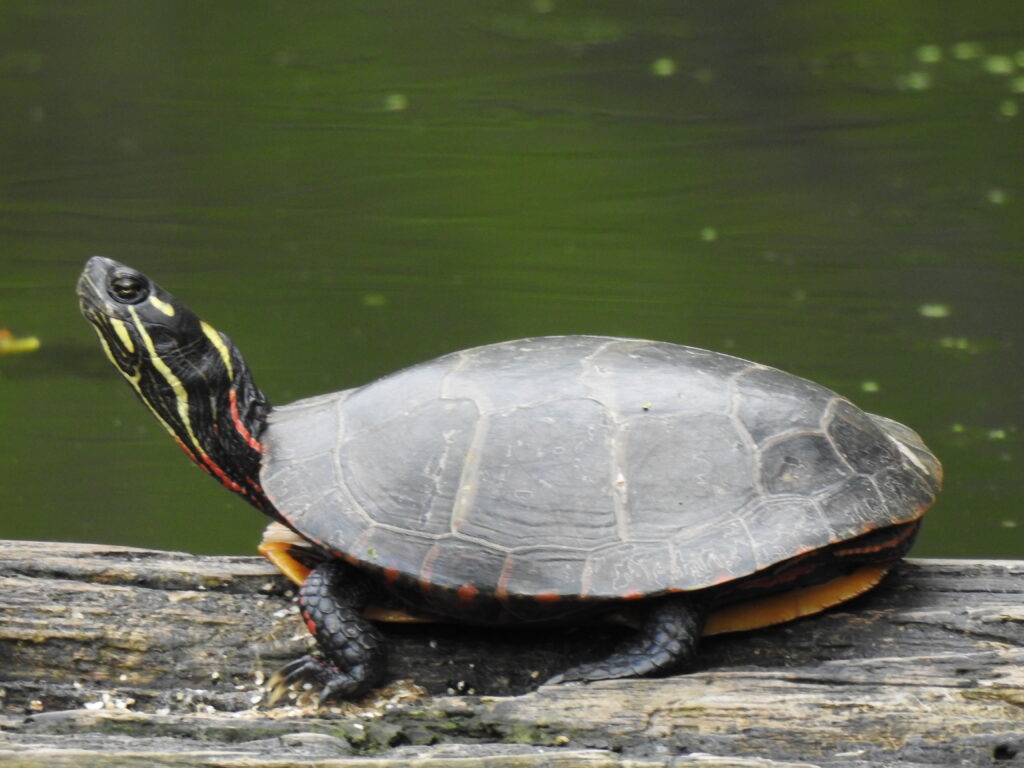
Average Size: 5–10 inches long
Lifespan: 20–40 years
Global Range: Southern Canada and much of the United States
Conservation Status: Least Concern
Notable Feature: Smooth dark shell with bright red and yellow markings
Introduction to Painted Turtle Size and Growth Patterns
The Painted Turtle is one of the most commonly observed freshwater turtles in North America, known for its colorful shell markings and moderate adult size. Found throughout southern Canada and much of the United States, Painted Turtles inhabit ponds, marshes, lakes, and slow-moving waterways where they are frequently seen basking on logs. Their manageable size makes them one of the more recognizable turtle species encountered in wetlands and public parks. Despite being widespread, many people are surprised by how much size can vary between young turtles and fully mature adults.
Painted Turtles begin life extremely small, with hatchlings often measuring little more than the width of a large coin. These tiny turtles gradually grow over many years into medium-sized freshwater reptiles capable of living for decades. Growth occurs slowly compared to mammals and birds, making older turtles appear much larger and heavier than younger individuals from the same environment. Their gradual development contributes to the broad size range seen within natural populations.
Regional variation also influences overall size. Some populations remain slightly smaller because of climate, food availability, or subspecies differences, while others produce larger adults with broader shells. Northern turtles often grow more slowly because of shorter warm seasons, while southern populations may experience longer active periods each year. These differences create noticeable variation across the species’ wide geographic range.
Even at full size, Painted Turtles remain more streamlined and moderate in build compared to larger aquatic turtles like snapping turtles. Their flatter shells and balanced proportions give them a compact appearance while still allowing impressive longevity. In calm freshwater environments, adults resting on logs often appear like smooth dark stones decorated with thin red and yellow paint-like markings.
Painted Turtle Size Overview and Visible Growth Differences
The overall size of the Painted Turtle changes dramatically throughout its life cycle. Hatchlings usually emerge measuring only around one inch long, making them small enough to fit comfortably within the palm of a hand. At this stage, their shells appear delicate and soft compared to older adults. Their tiny size leaves them highly vulnerable to predators during the earliest stages of life.
As Painted Turtles mature, shell growth becomes gradual but steady over many years. Juvenile turtles commonly range between two and five inches long depending on age and environmental conditions. At this stage, the shell begins developing stronger structure and more visible coloration. Young turtles often appear brighter and more sharply patterned than older adults because their shells have experienced less wear and environmental fading.
Fully grown adults generally measure between five and ten inches in shell length, though exact size varies by sex and region. Females are usually larger and heavier than males, especially during breeding age. Large females may approach the size of a small dinner plate when viewed from above, while smaller males often remain more compact. This size difference between sexes is common among many freshwater turtle species.
Compared to snapping turtles, which can grow massive and heavily built, Painted Turtles remain relatively lightweight and streamlined. Their shells stay flatter and smoother rather than thick and rugged. This balanced body structure gives them a more agile appearance both in water and while basking. Even larger adults maintain proportions that appear elegant rather than bulky, helping distinguish them from heavier freshwater turtle species.
Recognizable Painted Turtle Features Related to Size and Shape
Several physical traits influence how the Painted Turtle appears at different sizes throughout its life. One of the most noticeable characteristics is the smooth oval shell shape, which stays relatively streamlined from juvenile stages into adulthood. Unlike box turtles with tall domed shells, Painted Turtles appear flatter and wider across the top. This shape creates a low profile that helps them move efficiently through water.
The shell itself changes subtly as the turtle grows older. Younger turtles usually display brighter coloration with clearer red and yellow markings along the shell margins. Older adults may appear darker overall as years of algae growth, sun exposure, and wear soften the shell patterns. Even so, the bright edging along the shell often remains visible regardless of age.
Body proportions also shift throughout development. Hatchlings have comparatively large heads and small bodies, giving them a compact appearance similar to tiny wind-up toys. As growth continues, the shell broadens and the limbs become stronger and more balanced proportionally. Adult Painted Turtles often appear sleek and evenly shaped compared to species with oversized heads or jagged shell features.
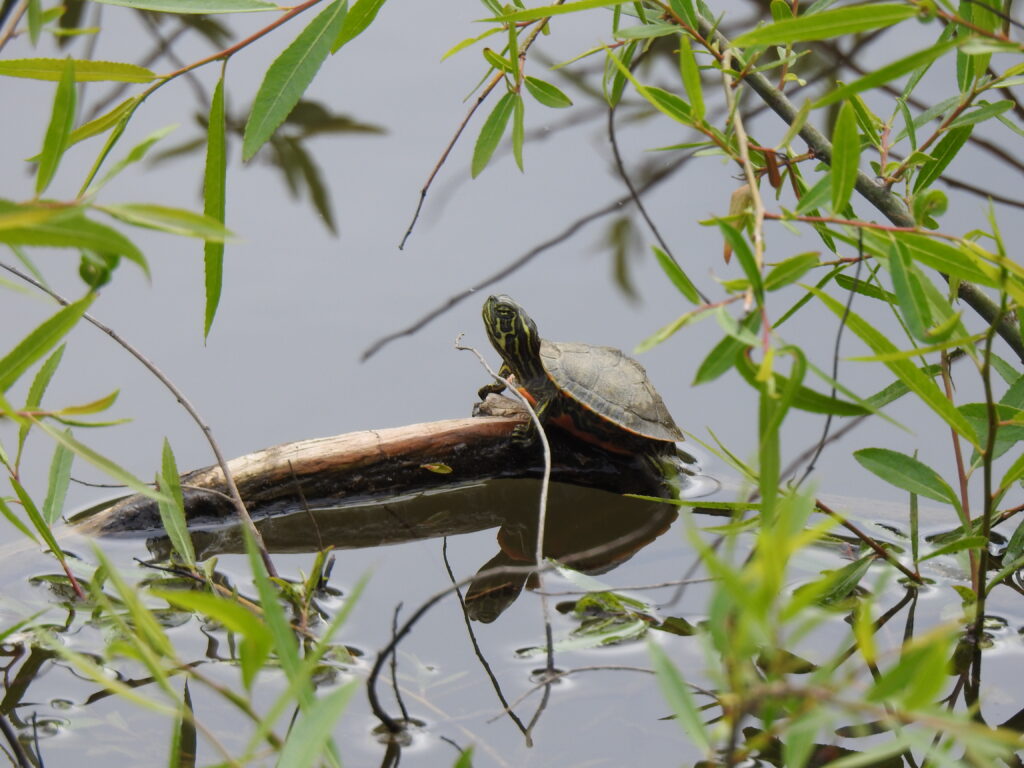
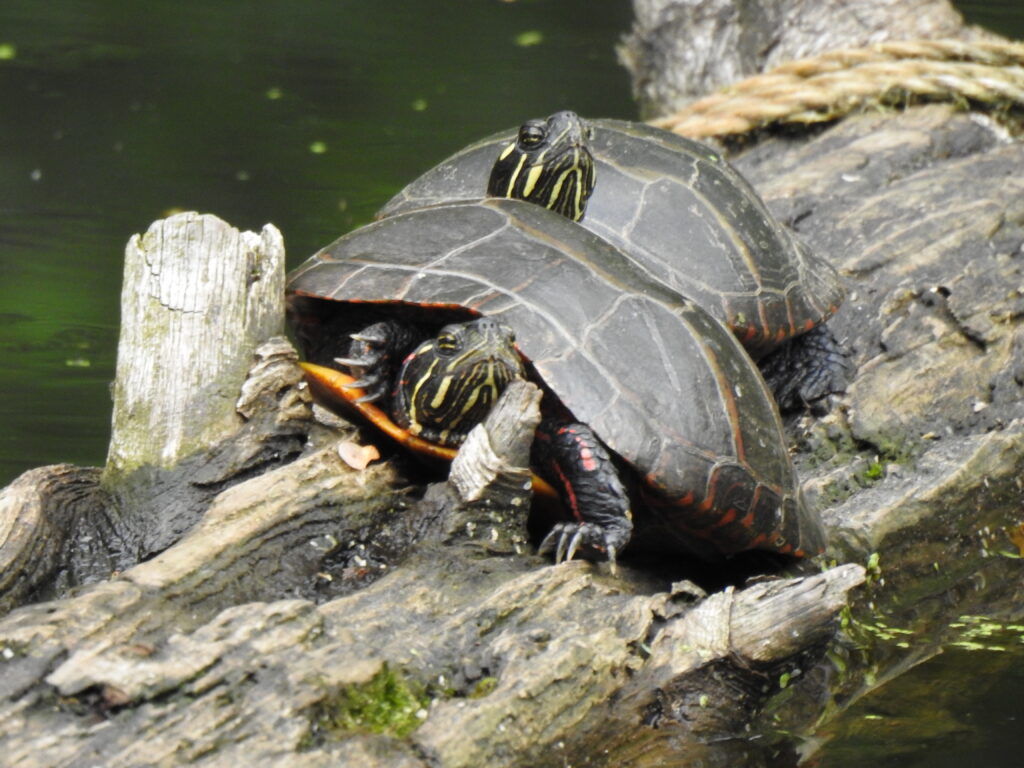
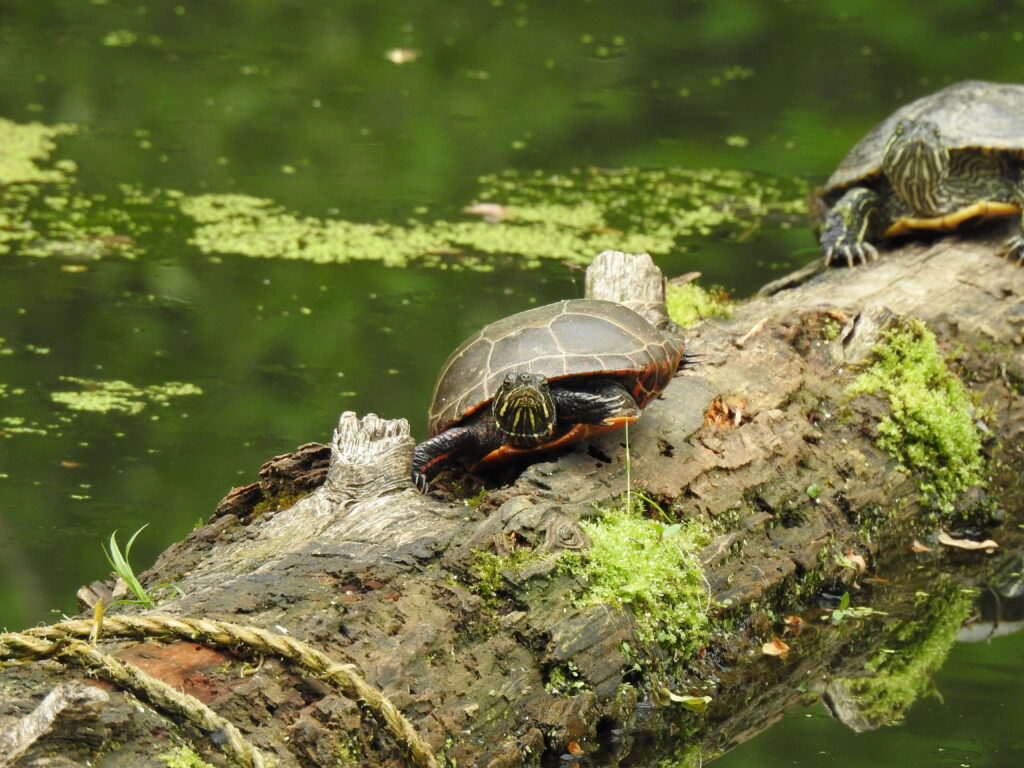
Another defining feature involves how size influences visual presence in the wild. Small juveniles can disappear easily among floating plants and shoreline debris, while larger adults stand out clearly when basking above the water. A group of mature Painted Turtles lined across a fallen log may resemble smooth polished stones arranged in sunlight. Their moderate adult size allows them to remain highly visible without reaching the intimidating scale of larger aquatic turtles.
Ecological Importance of Painted Turtle Size Within Freshwater Ecosystems
The size range of the Painted Turtle plays an important role in how the species interacts with freshwater ecosystems. Small hatchlings occupy a very different ecological position than large adults because of their vulnerability and physical limitations. Young turtles face threats from fish, birds, raccoons, snakes, and other predators almost immediately after hatching. Their tiny size allows them to hide within vegetation and shallow water where larger predators may struggle to reach them.
As Painted Turtles grow, their shells become stronger and provide increasing protection against predators. Adult turtles face far fewer threats because their size and hardened shells make attacks more difficult. Larger individuals also contribute differently to aquatic ecosystems by interacting with wider feeding areas and surviving long enough to influence wetland environments over decades. Their gradual growth reflects a long-term survival strategy built around durability and persistence.
Size variation within populations also contributes to ecological balance. Wetlands containing hatchlings, juveniles, and mature adults support multiple layers of interaction within the food web. Smaller turtles serve as prey for numerous predators, while older adults occupy a more stable middle role within aquatic ecosystems. This range of body sizes helps distribute ecological pressure across different life stages rather than concentrating risk entirely on mature individuals.
The moderate size of Painted Turtles also allows them to thrive in environments where larger turtles may struggle. Small ponds, marshes, and park wetlands can support healthy populations because the species does not require massive territories or deep water systems. Their compact but durable body structure has helped Painted Turtles remain one of the most successful and widespread freshwater reptiles in North America.
Popular Searches About Painted Turtle
Explore Painted Turtle Guide
Explore More Wildlife

Support Encounters World
Help support wildlife photography and get behind the scenes discoveries on Patreon.