What Do Black Rat Snakes Eat in Pennsylvania? Diet, Feeding Habits, and Prey Guide
Quick Facts
Scientific Name: Panthera pardus
Location Found: Pennsylvania
Size: 90–160 lbs
Diet: Carnivore
Habitat: Forests, grasslands
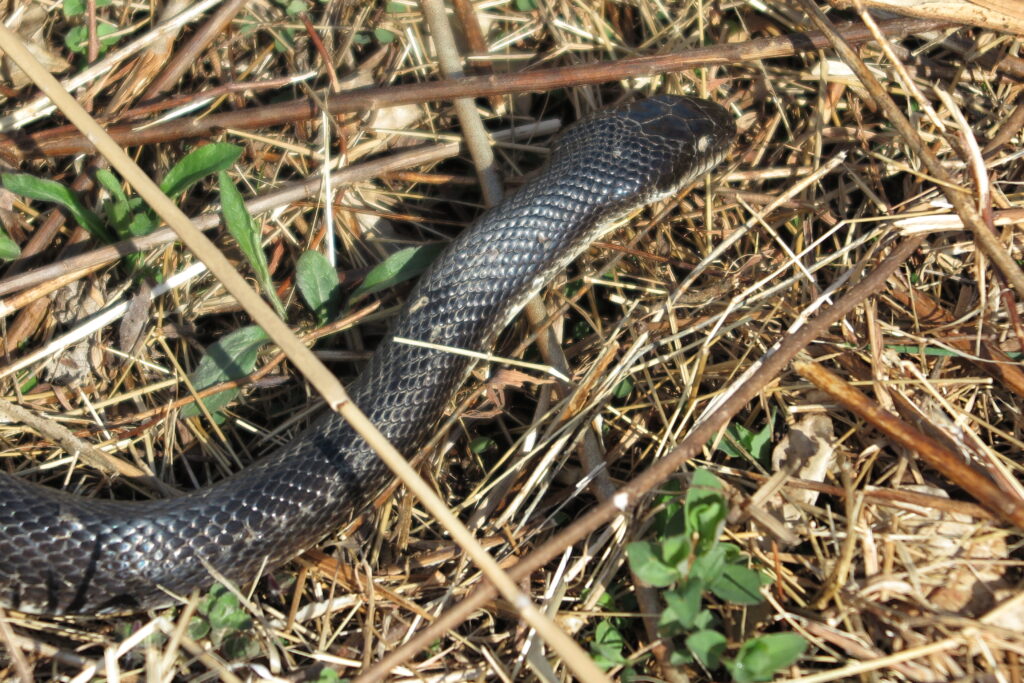
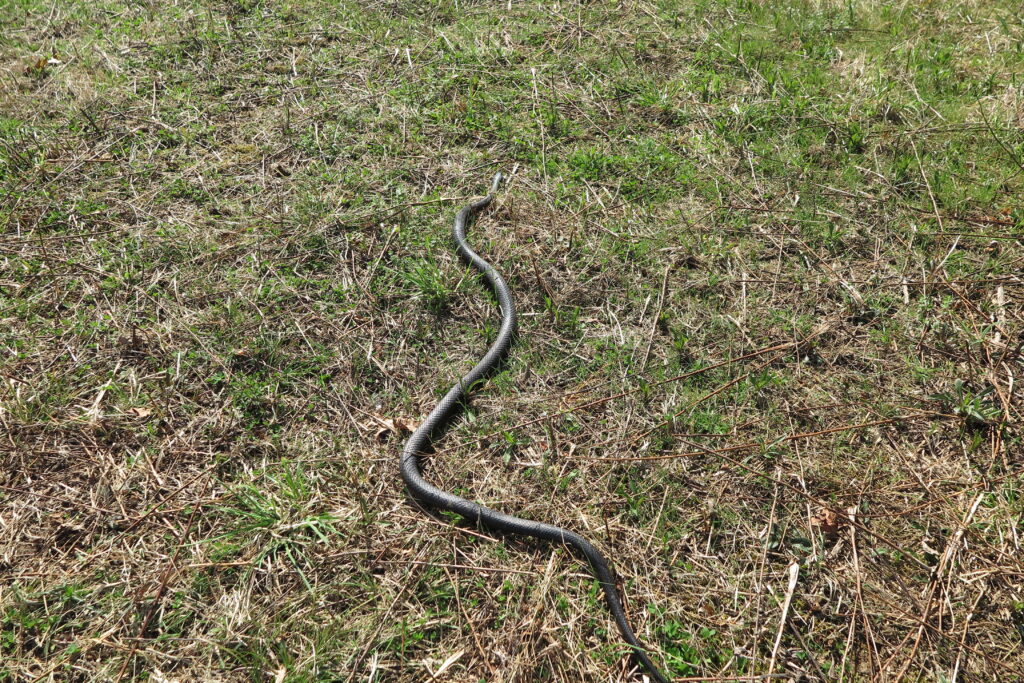
The Black Rat Snake (Pantherophis obsoletus) is a large, non-venomous snake commonly found throughout the eastern United States. Known for its size and adaptability, this species plays an important role in maintaining balance within local ecosystems.
In Pennsylvania, the Black Rat Snake is widely distributed and often encountered in both natural and rural environments. Its presence across the state reflects its ability to survive in a variety of conditions, supported in part by its flexible diet.
Imagine a quiet Pennsylvania landscape where small animals move through fields and trees. Within this environment, the Black Rat Snake exists as a silent predator, contributing to the natural cycle by feeding on a range of prey species.
Black Rat Snake Diet Overview: Feeding Type, Adaptability, and General Traits
The Black Rat Snake is a carnivore, meaning its diet consists entirely of other animals. It relies on consuming prey to meet its nutritional needs, making it an important predator in its ecosystem.
This species shows a high level of adaptability in its feeding habits. Rather than depending on a single food source, it is capable of consuming a variety of prey depending on availability. This flexibility allows it to remain successful across different environments.
Feeding tendencies are generally opportunistic. The Black Rat Snake takes advantage of available prey rather than specializing in one type, which helps it adjust to changing conditions throughout the year.
Overall, the dietary traits of the Black Rat Snake reflect a balance of efficiency and adaptability. Its ability to consume multiple prey types supports its widespread presence in Pennsylvania.
Black Rat Snake Diet in Pennsylvania: Prey Types, Seasonal Changes, and Food Sources
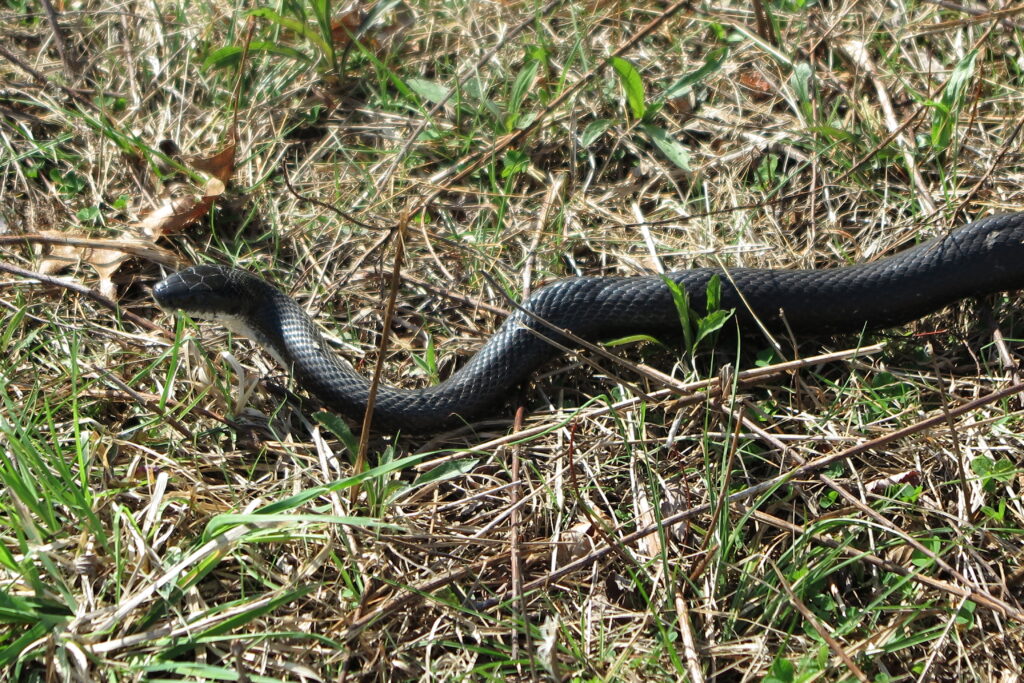
The diet of the Black Rat Snake includes a variety of small animals commonly found in Pennsylvania. Its primary food sources consist of rodents such as mice and rats, which make up a large portion of its diet.
In addition to rodents, this species also consumes birds and bird eggs. Its ability to access nests adds another important food source, especially during certain times of the year when nests are more abundant.
Seasonal changes can influence the availability of prey. During warmer months, there is typically a wider range of food sources, while colder seasons may limit what is available. The Black Rat Snake adjusts accordingly based on these shifts.
Food availability plays a major role in shaping its diet. Because it is not limited to a single prey type, the Black Rat Snake can take advantage of whatever food sources are most accessible at any given time.
Black Rat Snake Feeding Behavior and Survival: Hunting, Competition, and Strategies
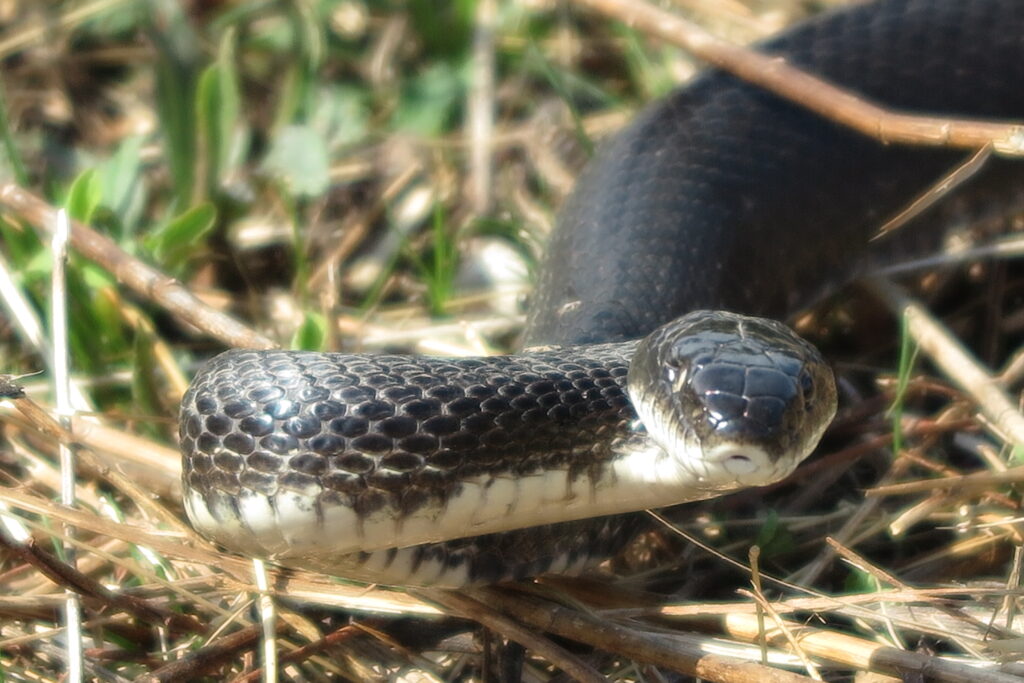
The Black Rat Snake relies on stealth and patience when finding food. It often locates prey by sensing movement and environmental cues, allowing it to approach without being detected.
Hunting patterns typically involve slow, controlled movement followed by a rapid strike when prey is within reach. After capturing prey, the snake uses constriction to subdue it before consumption.
Competition for food can occur with other predators that rely on similar prey. However, the Black Rat Snake’s adaptability helps it avoid direct competition by adjusting its feeding habits when necessary.
Its survival strategies are closely tied to its feeding behavior. By being flexible in both prey selection and hunting methods, the Black Rat Snake maintains its role as a successful predator in Pennsylvania ecosystems.