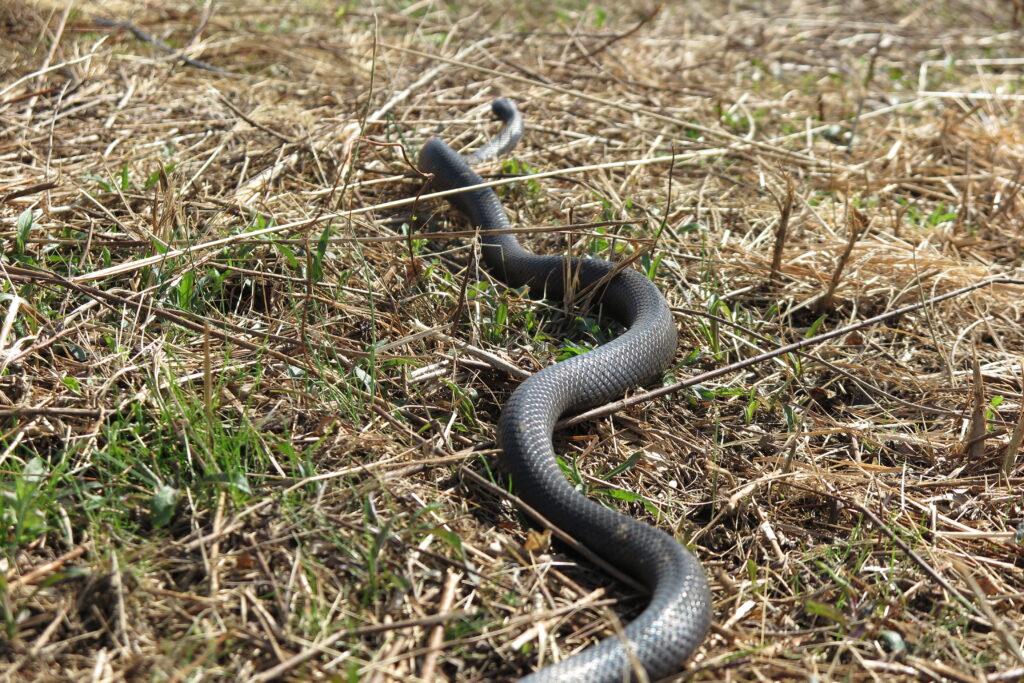
Black Rat Snake Eggs – Reproduction and Life Cycle Guide
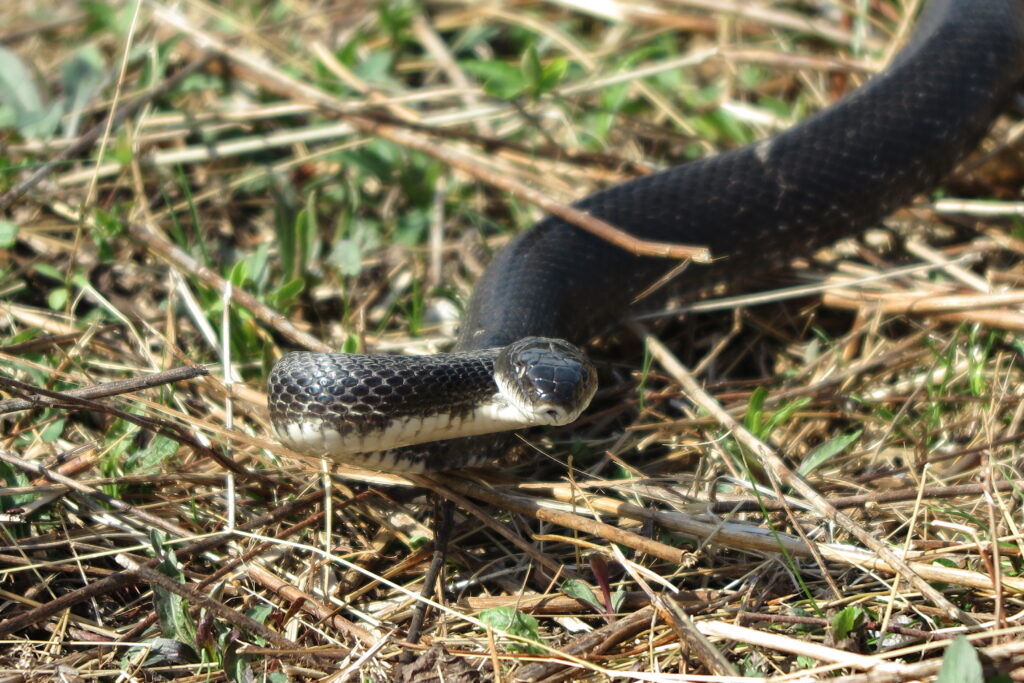
Quick Facts
Egg Type: Soft-shelled reptile eggs
Clutch Size: Typically 5–30 eggs
Incubation Period: About 60–75 days
Global Range: Eastern and central United States
Conservation Status: Least Concern
Notable Feature: Eggs are leathery and laid in hidden, protected locations
Black Rat Snake Eggs Introduction and Reproductive Overview
The black rat snake (Pantherophis obsoletus) is a widespread species found throughout much of the eastern United States, where it reproduces in environments that support successful egg development. Its reproductive cycle is closely tied to seasonal changes, with egg-laying occurring during warmer months when conditions are stable. This timing ensures that developing offspring have the best chance of survival.
Across its range, black rat snake eggs are typically hidden in locations that provide natural protection. These sites are often chosen for their ability to maintain consistent temperature and moisture levels. As a result, the eggs are rarely seen unless actively searched for or accidentally discovered.
Unlike mammals, black rat snakes reproduce by laying eggs rather than giving live birth. This method allows them to produce multiple offspring at once, increasing the likelihood that some will survive to maturity. The number of eggs can vary depending on the size and condition of the individual.
Understanding black rat snake eggs requires looking beyond the adult animal and focusing on early life stages. These eggs represent the beginning of the species’ life cycle and play a key role in maintaining populations. Their placement, structure, and development all contribute to the continuation of the species.
Black Rat Snake Egg Appearance and Physical Structure
Black rat snake eggs are typically oval-shaped with a soft, flexible outer shell. Unlike the hard shells of bird eggs, these eggs have a leathery texture that allows for slight movement and expansion. This flexibility helps accommodate changes during development.
In terms of size, each egg is relatively small, often comparable to the size of a large grape or a small plum. This compact size allows multiple eggs to fit within a single clutch while remaining protected in confined spaces. The uniform shape and size create a consistent appearance across most clutches.
The coloration of the eggs is usually pale, ranging from white to slightly off-white. This subtle coloring allows them to blend into natural surroundings such as soil, decaying wood, or leaf litter. Over time, slight changes in tone may occur as the eggs develop.
When grouped together, the eggs often appear clustered rather than spaced apart. This arrangement helps maintain stable conditions within the group. The overall structure is simple but effective, providing the necessary environment for development without the need for additional protection.
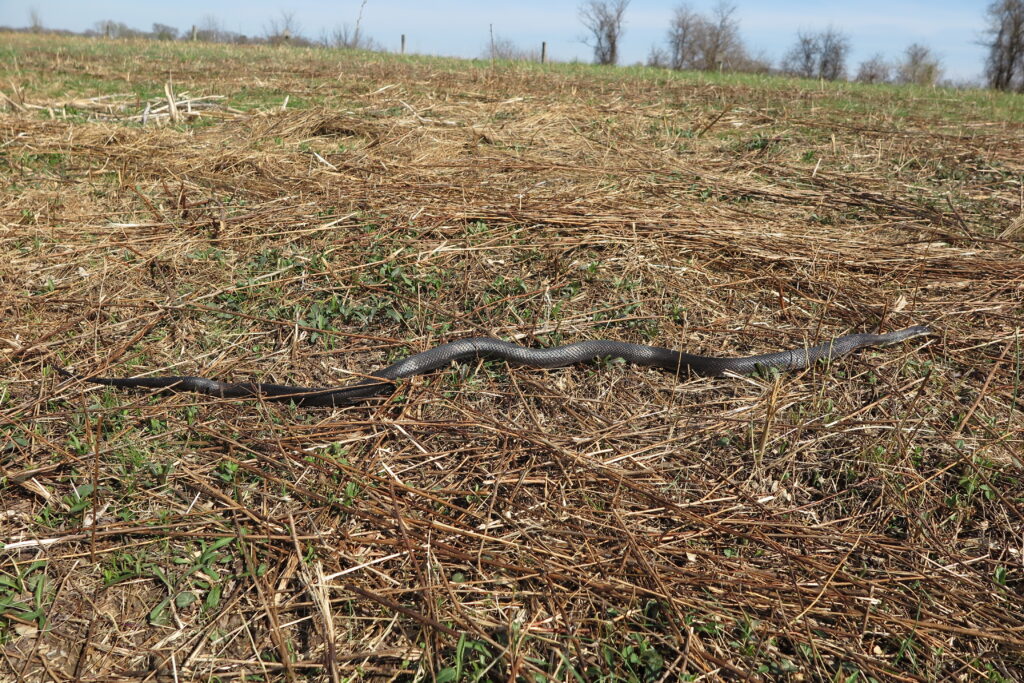
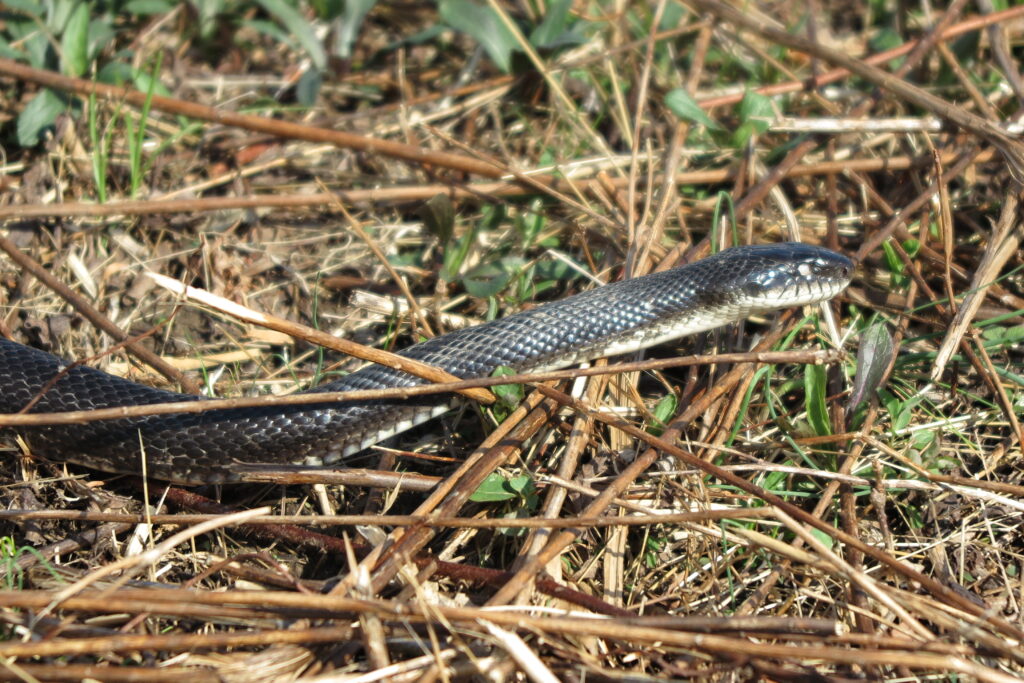
Distinctive Characteristics of Black Rat Snake Eggs and Clutch Formation
One of the most notable aspects of black rat snake reproduction is the size of the clutch. A single female can lay a relatively large number of eggs, often ranging from five to thirty. This variation depends on factors such as age, health, and environmental conditions.
Within a clutch, the eggs may appear similar but are not always identical. Some may be slightly larger or more rounded than others. This natural variation reflects differences in development and positioning within the clutch.
Compared to other reptile eggs, black rat snake eggs are moderately sized and not overly rigid. Their leathery surface sets them apart from species with harder shells. This feature allows them to adapt to slight environmental changes during incubation.
Another defining characteristic is how the eggs are positioned within their nesting site. They are often placed in a way that maximizes contact between them, helping to stabilize temperature and humidity. This arrangement contributes to successful development.
Black Rat Snake Eggs Role in Life Cycle and Environmental Balance
Black rat snake eggs represent the earliest stage of the species’ life cycle, playing a critical role in population continuity. Each clutch contributes to the overall stability of the species within its range. The number of eggs produced increases the chances of successful survival.
Within the broader ecosystem, these eggs are also part of the natural food web. They may serve as a resource for other animals, connecting the species to surrounding wildlife. This interaction helps maintain ecological balance.
The presence of eggs in an area indicates active reproduction and suitable environmental conditions. When eggs are successfully laid and developed, it reflects a stable and supportive ecosystem. This makes them an indirect indicator of environmental health.
Although often hidden, black rat snake eggs are an essential component of the species’ existence. Their development supports future generations and contributes to long-term ecological stability. Through this role, they remain an important part of the natural system.