Blacklet Fly Habitat (Heleomyzidae) – Where This Small Fly Lives and Thrives
Quick Facts
Scientific Name: Heleomyzidae (family-level identification)
Common Name: Blacklet Fly
Primary Habitat: Flower-rich vegetation and low-growing plant areas
Secondary Habitat: Woodland edges, gardens, and disturbed ground
Climate Preference: Temperate climates
Environment Type: Terrestrial, vegetation-dense microhabitats
Elevation / Depth Range: Ground level to low vegetation zones
Geographic Distribution: North America, Europe, and temperate regions globally
Location Observed: Pennsylvania, USA
The Blacklet Fly, a member of the Heleomyzidae family, occupies a range of natural environments where plant life and ground-level vegetation intersect. Though small in size, it is part of a broader ecological network that depends heavily on stable environmental conditions.
This group of flies is distributed across temperate regions worldwide, appearing in landscapes that support both plant growth and organic material accumulation. Their presence is not limited to a single type of terrain, allowing them to exist in a wide variety of natural and semi-natural settings.
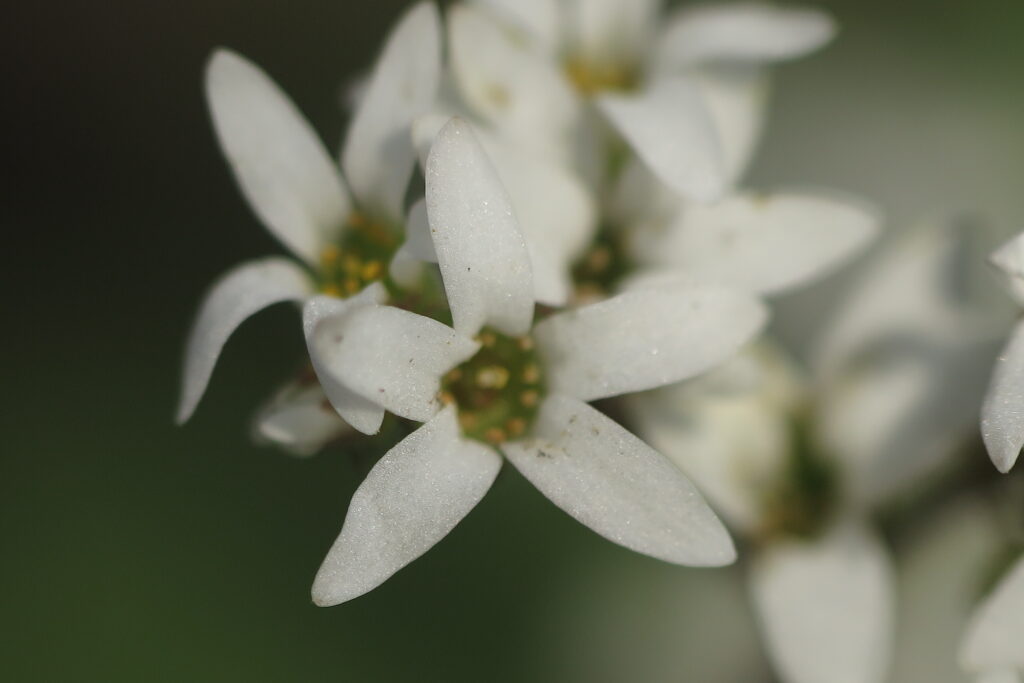
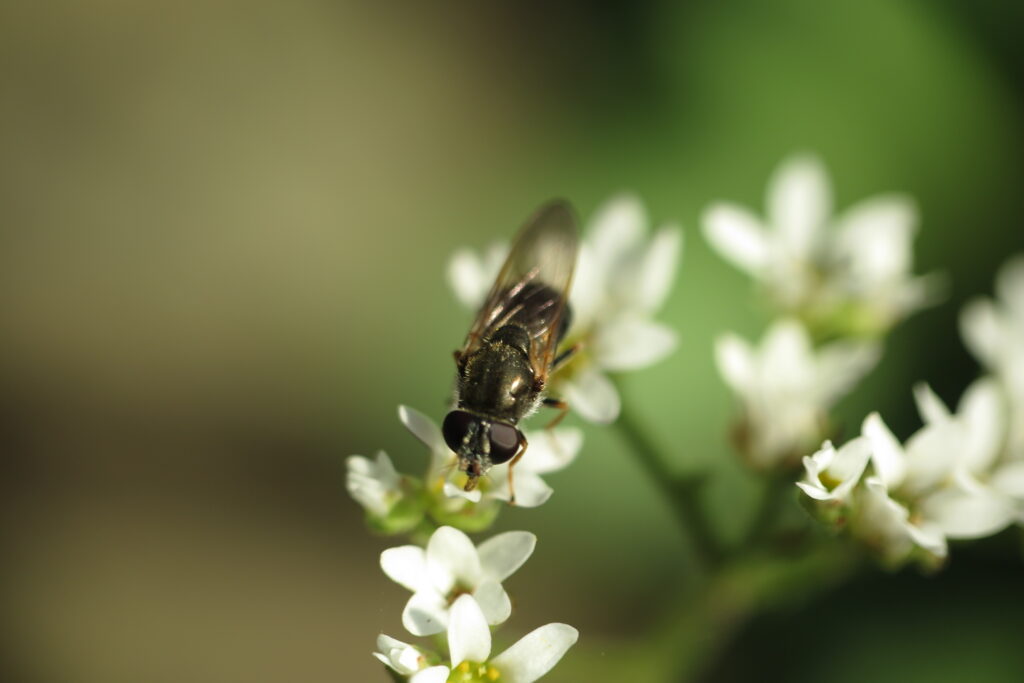
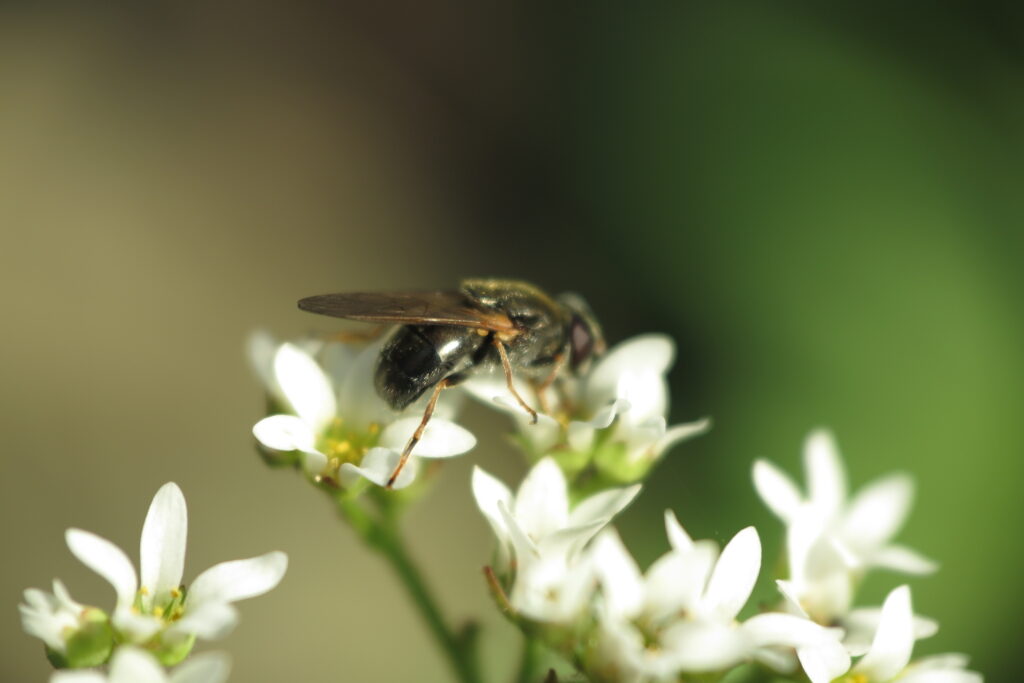
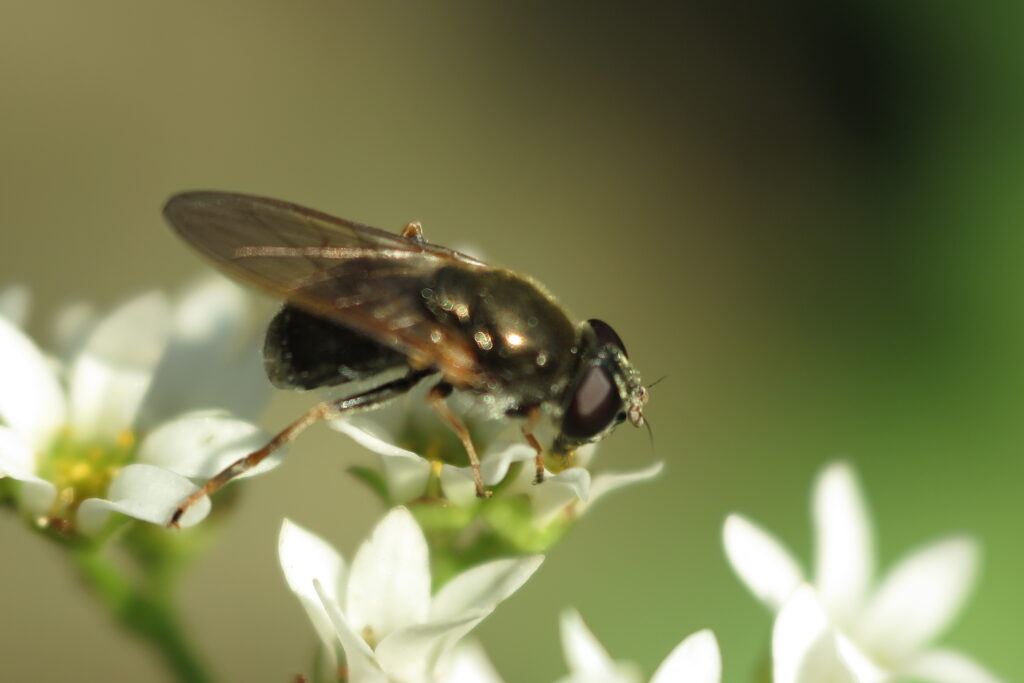
In this observation, the Blacklet Fly was found resting on delicate wildflowers surrounded by soft greenery. The scene reflects a typical setting—low vegetation, filtered light, and a calm environment where subtle life forms operate quietly within the ecosystem.
Blacklet Fly Habitat and Natural Living Environment
At a broader level, the Blacklet Fly demonstrates a strong association with environments that provide both plant structure and organic material. These environments range from open vegetation zones to partially shaded areas, creating a flexible habitat range within temperate regions.
Geographically, this fly family spans multiple continents, adapting to different landscapes while maintaining a consistent preference for ground-level ecological systems. Whether in rural, semi-natural, or lightly disturbed environments, it maintains a stable presence where suitable conditions exist.
Adaptability plays a significant role in its habitat distribution. The Blacklet Fly is capable of occupying both natural and modified environments, provided there is sufficient vegetation and environmental stability. This allows it to persist in areas where other, more specialized insects may not.
Overall, its habitat can be described as diverse but consistent in structure. While the exact location may vary, the underlying conditions—vegetation, moisture, and organic material—remain essential components that define where this fly can thrive.
Blacklet Fly Environment and Habitat Preferences
The Blacklet Fly is commonly associated with areas that support low-growing plants and flowering vegetation. These environments provide physical surfaces such as petals, stems, and leaves, which serve as primary points of contact within its daily existence.
Woodland edges represent another key habitat type, where light and shade meet to create a balanced environment. These transitional zones often support a mixture of plant species and organic matter, forming an ideal setting for small insect life.
Grasslands and open vegetation areas also support this species, particularly where plant diversity is present. These landscapes offer both exposure and structure, allowing the fly to exist within a layered environment of stems and ground cover.
In more developed settings, gardens and suburban green spaces can serve as suitable habitats as well. As long as plant life is present and environmental conditions remain relatively stable, these areas can mirror natural habitats closely enough to support its presence.
Blacklet Fly Living Conditions and Habitat Range
The Blacklet Fly favors temperate climates where seasonal changes create cycles of plant growth and organic material accumulation. These conditions support the broader environmental systems that define its habitat.
Seasonal variation plays a role in shaping its environment. Periods of growth, decay, and renewal create a dynamic landscape where plant life and ground conditions continually shift, maintaining ecological balance over time.
Terrain also influences habitat suitability. Areas with soft ground, leaf litter, or natural debris provide a layered environment that supports the small-scale ecological interactions this species depends on. These conditions contribute to environmental stability without requiring uniform terrain.
Vegetation is perhaps the most critical factor. A mix of small flowers, stems, and ground-level plant structures creates a functional environment where the Blacklet Fly can exist consistently. These elements combine to form a habitat that is both supportive and adaptable, allowing the species to persist across a wide geographic range.