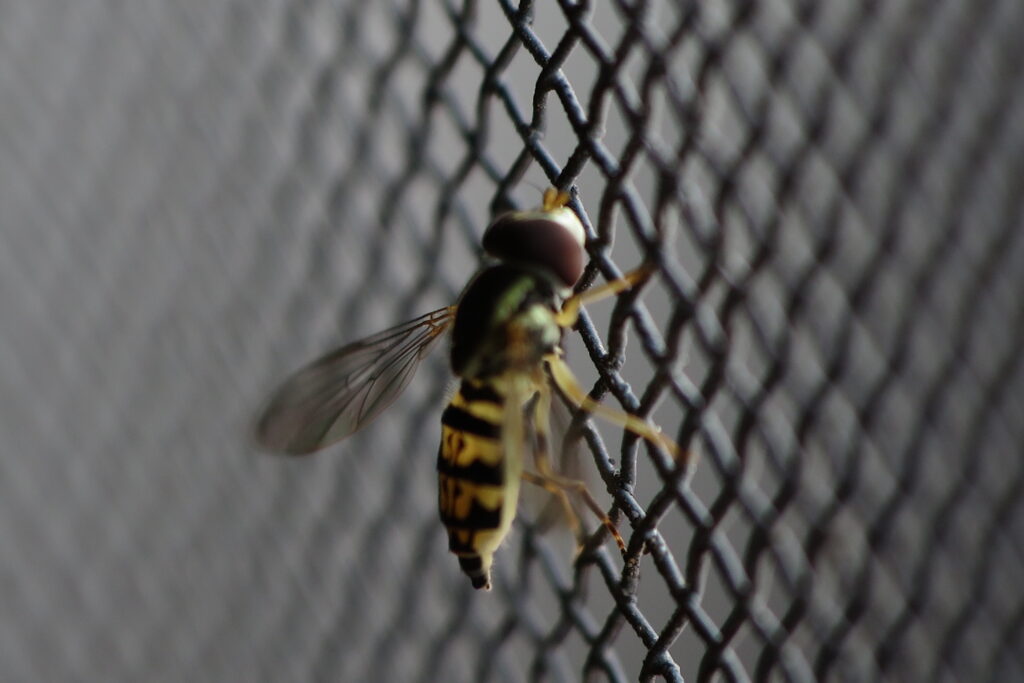
Calligrapher Fly Habitat: Where These Hoverflies Live and Thrive
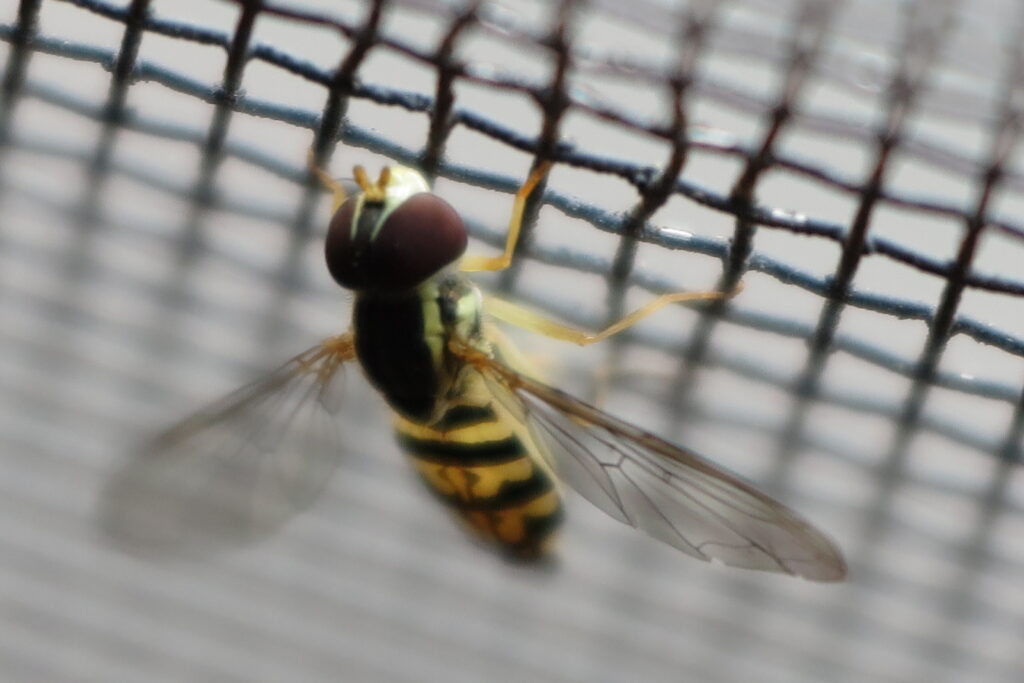
Quick Facts
Scientific Name: Toxomerus marginatus
Common Name: Calligrapher Fly
Primary Habitat: Open fields, meadows, and grasslands
Secondary Habitat: Gardens, forest edges, suburban and urban areas
Climate Preference: Temperate to warm climates
Environment Type: Terrestrial, vegetation-rich environments
Elevation / Depth Range: Lowland to moderate elevations
Geographic Distribution: North America, Central America, parts of South America
Location Observed: Pennsylvania
The calligrapher fly, scientifically identified as Toxomerus marginatus, is a small hoverfly species known for its clean striping and adaptable presence across a wide range of environments. Though often overlooked due to its size, it occupies a variety of landscapes that support its survival and visibility.
This species is distributed across much of the Americas, from North America through Central regions and into parts of South America. It is especially common in areas where plant life is abundant and environmental conditions allow for consistent activity throughout warmer periods.
Encounters with the calligrapher fly typically occur in open, well-lit spaces or on accessible surfaces within those environments. Whether found resting on vegetation or on nearby structures, its presence reflects a habitat preference rooted in accessibility, light, and plant diversity.
Calligrapher Fly Habitat Overview
The calligrapher fly is strongly associated with open environments that provide both visibility and access to plant life. These areas allow the species to maintain a steady presence without the restrictions found in dense or enclosed landscapes. The availability of open space plays a key role in shaping its distribution.
Across its global range, the calligrapher fly occupies regions that offer consistent environmental stability. From temperate zones to warmer climates, it demonstrates a capacity to exist in multiple geographic areas without requiring highly specialized conditions. This flexibility contributes to its widespread occurrence.
Adaptability is one of the defining features of its habitat selection. The species is not limited to strictly natural environments and can extend into areas influenced by human development. This ability to utilize both natural and altered spaces increases its range and visibility.
Overall, the habitat of the calligrapher fly can be described as broad yet structured. It favors environments that combine openness with plant presence, creating a balance between exposure and resource availability without reliance on a single specific setting.
Calligrapher Fly Habitat and Living Environments
The primary environments occupied by the calligrapher fly include open fields and meadows where vegetation is low and spread out. These areas provide unobstructed space and a wide variety of plant surfaces, supporting the species across large stretches of land.
Grasslands and similar landscapes also serve as suitable environments, offering a mix of ground-level and slightly elevated plant structures. These environments create a layered setting that allows the fly to exist across different heights within the same area.
Forest edges represent another important environment, acting as transitional zones between dense woodland and open space. These areas provide a blend of light and vegetation, forming a balanced environment that supports a diverse range of small insect species, including the calligrapher fly.
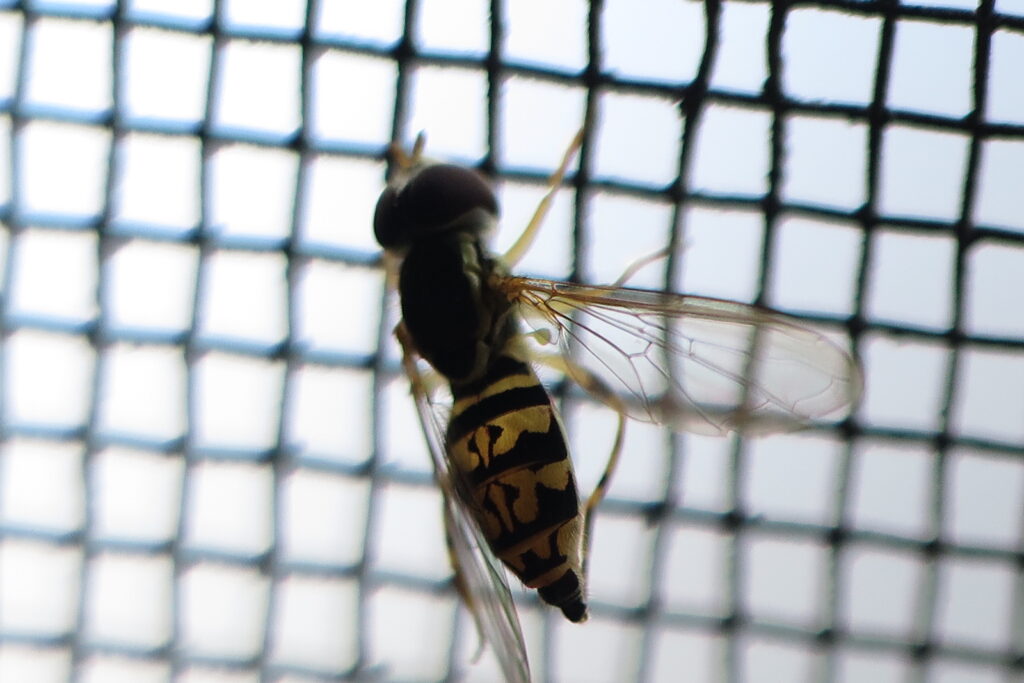
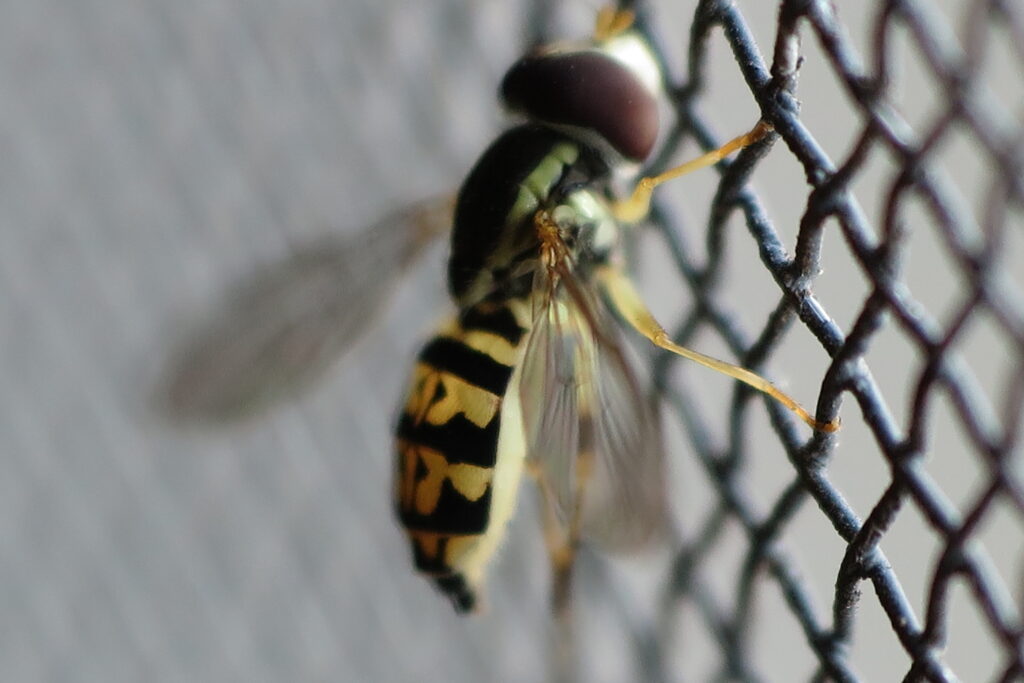
In addition to natural environments, the species is commonly found in suburban and urban settings. Gardens, yards, and even structural surfaces such as fences and screens offer functional equivalents to natural perches. These areas extend the available habitat and demonstrate the species’ ability to persist in modified landscapes.
Environmental Conditions Supporting Calligrapher Fly Habitat
The calligrapher fly is most closely associated with temperate and warm climates where seasonal conditions allow for extended periods of activity. These climates provide the necessary warmth and stability for the species to remain present over time.
Seasonal changes influence the availability of suitable environmental conditions. Warmer months tend to support higher visibility and presence, while colder periods reduce activity levels. These fluctuations shape when and where the species is most commonly encountered.
Terrain plays a role in defining habitat suitability, with flatter or gently varied landscapes offering easier access and movement across surfaces. These environments support a consistent distribution of vegetation, which contributes to overall habitat stability.
Vegetation is one of the most important environmental factors. A diverse range of plant types creates a structured environment with multiple surfaces and positions. This variety allows the calligrapher fly to occupy different areas within the same habitat, reinforcing its adaptability and widespread presence across suitable environments.