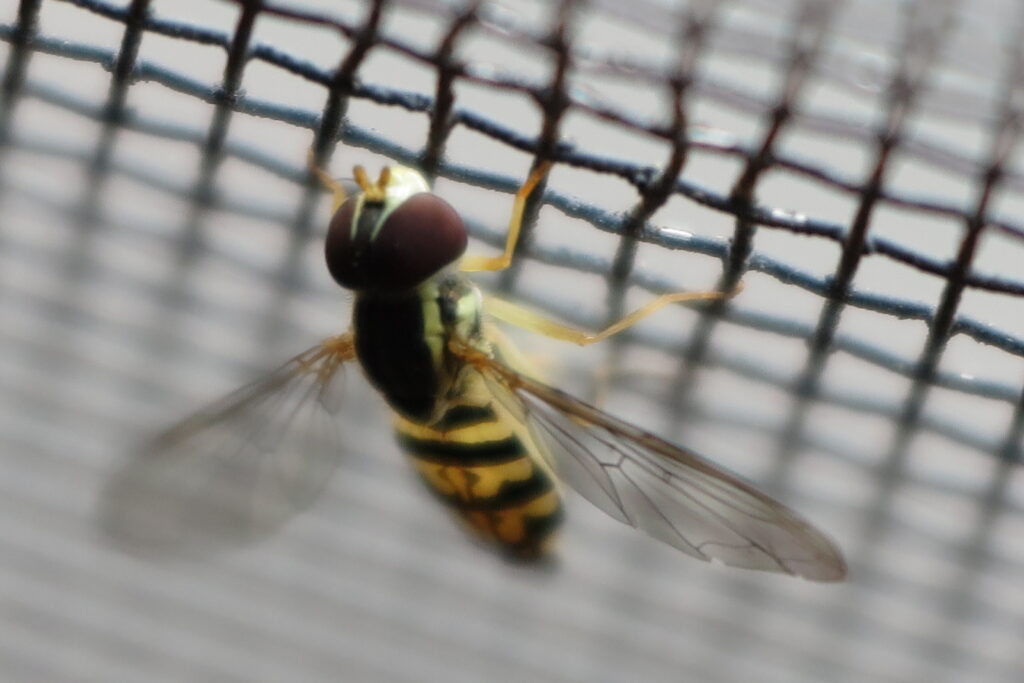
What Do Calligrapher Flies Eat? Complete Diet of the Calligrapher Fly Explained
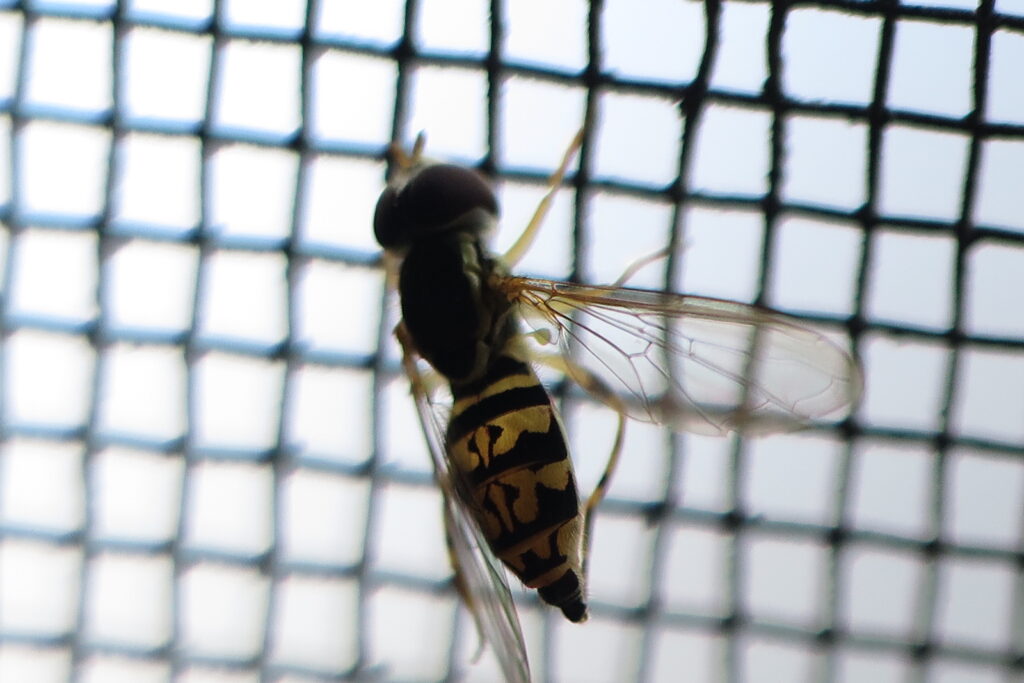
Quick Facts
Scientific Name: Toxomerus marginatus
Common Name: Calligrapher Fly
Diet Type: Omnivore (adults: nectar/pollen, larvae: predatory)
Main Food Sources: Nectar, pollen, aphids (larvae)
Feeding Time: Daytime (diurnal)
Foraging Method: Hovering, surface landing, probing with mouthparts
Seasonal Diet Changes: Increased plant-based feeding in warmer months; larval prey availability varies seasonally
Predatory Adaptations: Larvae possess soft-bodied stealth hunting and grasping ability for aphids
Location Observed: Pennsylvania
The calligrapher fly, scientifically known as Toxomerus marginatus, is a small hoverfly species recognized for its striped appearance and subtle presence in everyday environments. While often mistaken for a stinging insect, it plays a very different role in the ecosystem, particularly when it comes to feeding.
This species is widely distributed across North and Central America, where it appears in a variety of environments that support plant growth and insect life. Its consistent presence across these regions reflects a flexible and effective approach to obtaining food.
When encountered, the calligrapher fly is often seen resting quietly or moving between surfaces. These brief observations hint at a feeding strategy that is both efficient and varied, allowing the species to utilize different food sources throughout its life cycle.
Calligrapher Fly Diet Overview
The diet of the calligrapher fly is unique in that it changes between life stages. As an adult, it primarily consumes plant-based resources, placing it among insects that rely on floral substances for energy. This stage of its life is focused on light feeding that supports movement and daily activity.
At the same time, the species exhibits carnivorous tendencies during its larval stage. Young calligrapher flies feed on small, soft-bodied insects, creating a dual feeding strategy that combines plant-based intake with predatory behavior across its development.
This combination allows the species to remain adaptable. Rather than depending on a single food source, it can take advantage of both plant and insect availability. This flexibility supports survival in environments where conditions and resources may shift over time.
Overall, the calligrapher fly demonstrates a balanced dietary system. Its feeding habits are not extreme in any one direction but instead spread across multiple sources, allowing it to maintain a stable presence in a wide range of conditions.
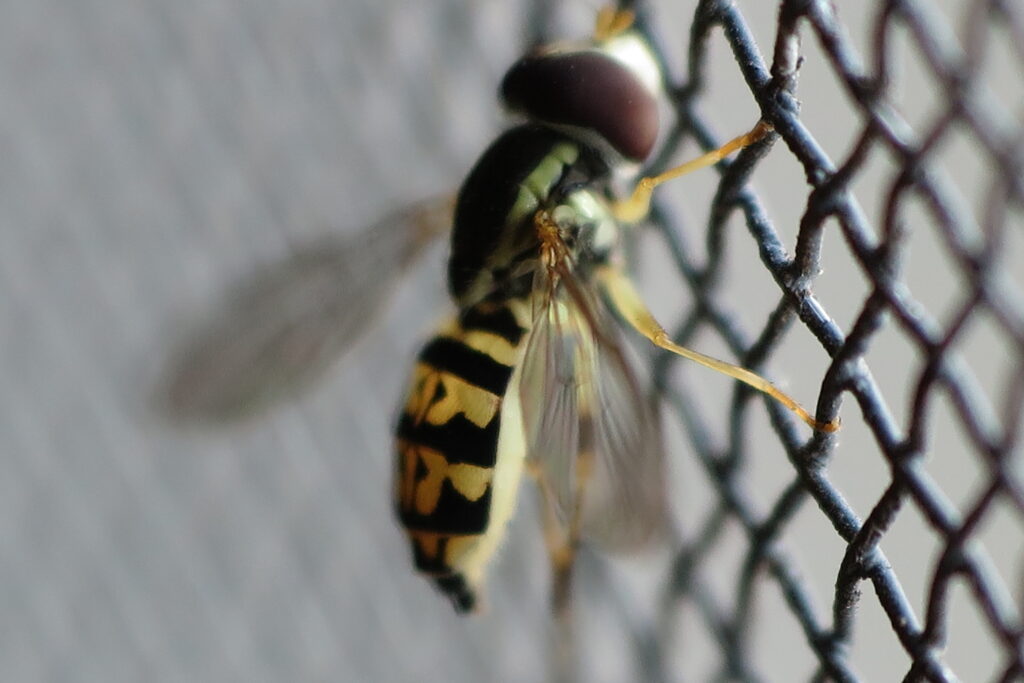
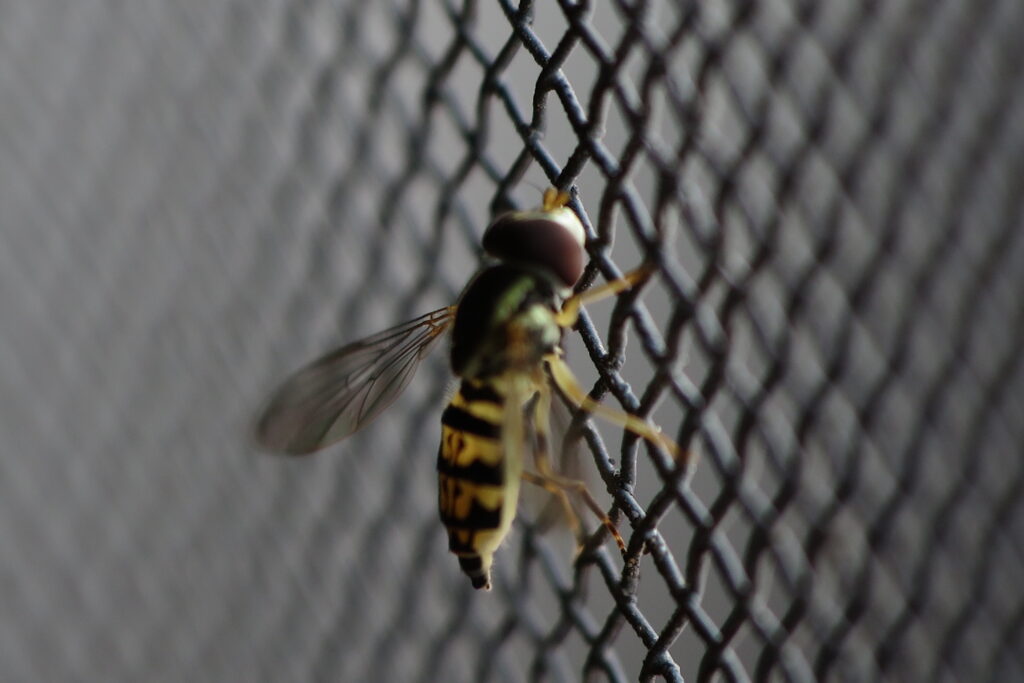
What Do Calligrapher Flies Eat? Detailed Diet Breakdown
Adult calligrapher flies primarily feed on nectar and pollen. Nectar provides a quick source of energy, while pollen offers additional nutrients that support overall health. These resources are accessed directly from plant surfaces, where the fly lands briefly to feed.
In contrast, the larval stage is focused on consuming small insects, particularly aphids. These soft-bodied prey are abundant and provide a concentrated source of nutrition. The larvae move slowly and deliberately, locating and feeding on these insects without drawing attention.
Seasonal changes influence the availability of these food sources. During warmer periods, plant-based resources become more abundant, supporting adult feeding. At the same time, populations of small insects fluctuate, affecting the availability of prey for larvae.
As a result, the calligrapher fly’s diet is shaped by timing and availability rather than strict preference. It utilizes what is accessible within its environment, allowing it to remain consistent even as conditions shift throughout the year.
Calligrapher Fly Feeding Behavior and Survival Strategies
The feeding behavior of the calligrapher fly is closely tied to precision and efficiency. Adults approach food sources with controlled movement, often hovering briefly before landing. This allows them to assess the surface before committing to feeding.
Once landed, the fly uses specialized mouthparts to access nectar and pollen. Feeding is typically quick and direct, minimizing the amount of time spent exposed. This reduces the risk of interruption or threat while still allowing it to gather sufficient resources.
Larvae exhibit a different feeding approach, relying on subtle movement to locate prey. Rather than actively chasing, they remain close to potential food sources and feed when opportunities arise. This method conserves energy while maintaining effectiveness.
Competition for food is generally low due to the abundance of plant-based resources and small insect prey. However, the calligrapher fly’s ability to shift between food sources gives it an advantage when conditions change. This flexibility, combined with efficient feeding behavior, supports its long-term survival without requiring aggressive or high-risk strategies.