Creeping Charlie Growth and Behavior: Life Cycle, Spread, and Survival Explained (Ground Ivy Guide)
Quick Facts
Growth Rate: Fast
Growth Pattern: Spreading (creeping groundcover), Self-rooting
Reproduction Method: Vegetative (creeping stems rooting at nodes), Seeds
Dormancy Period: Winter dormant (semi-evergreen in mild conditions)
Sunlight Response: Full sun to shade (highly shade tolerant)
Water Needs: Moderate (tolerates moist conditions well)
Pollination Type: Insects (primarily bees)
Seasonal Changes: Active in spring and fall, slows in heat, partially dies back in winter
Location Observed: Pennsylvania, USA
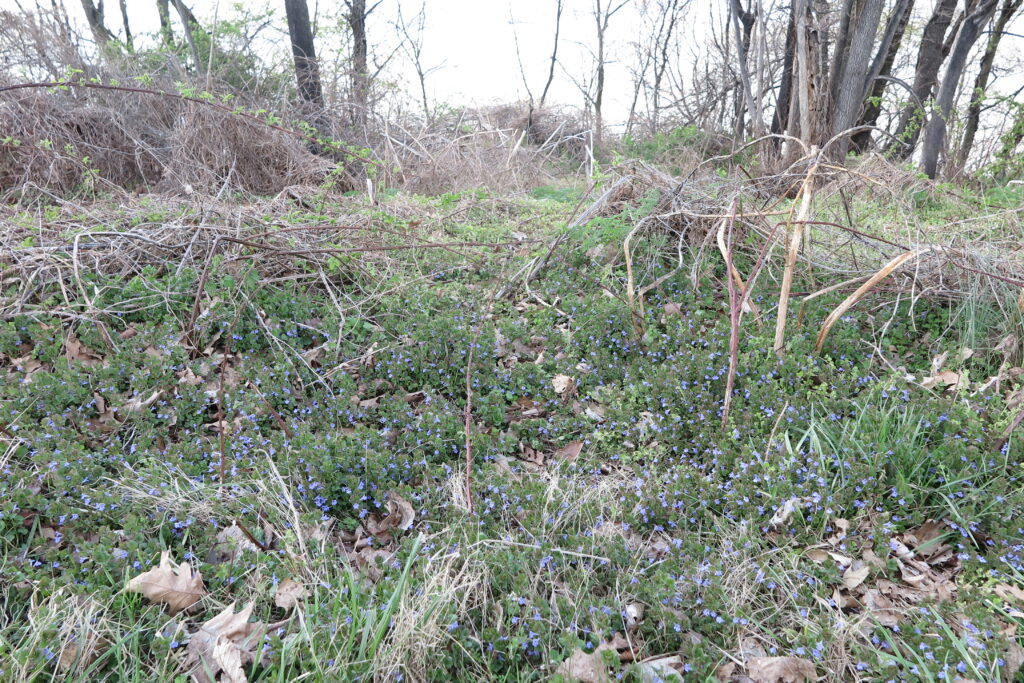
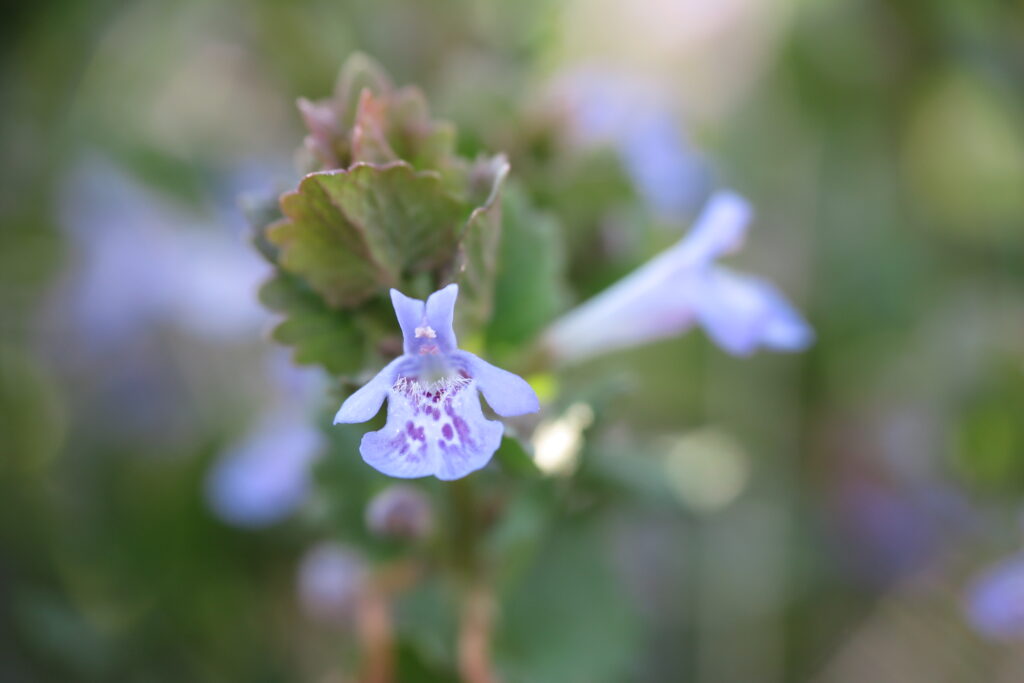
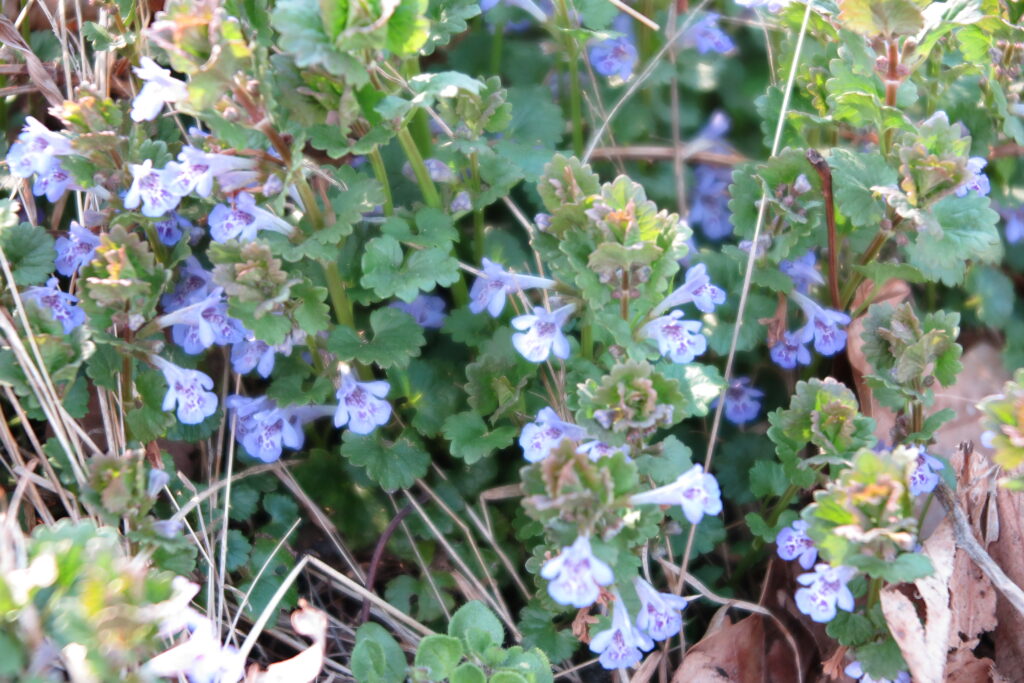
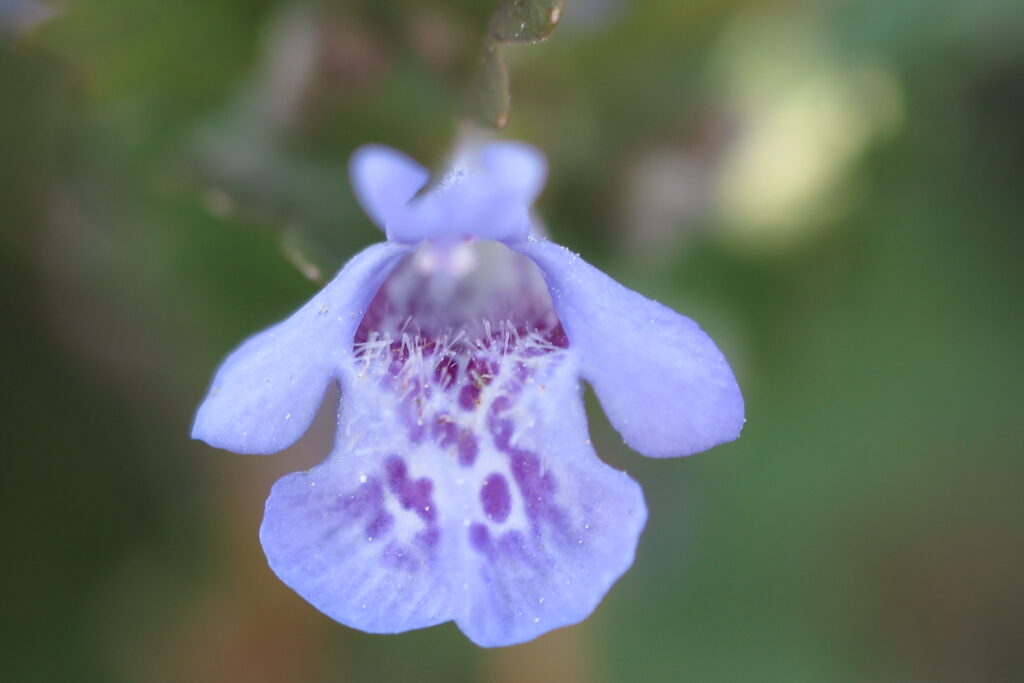
Creeping Charlie (Glechoma hederacea), commonly known as ground ivy, is a low-growing perennial plant known for its spreading nature and clusters of small purple-blue flowers. It forms a continuous layer across the ground, weaving through lawns and garden spaces with ease.
Native to Europe and parts of Asia, this plant has become widely established across temperate regions worldwide. It is now a familiar presence in both natural and human-altered landscapes, often recognized for its ability to quickly occupy open ground.
As the growing season begins, patches of green expand outward, dotted with subtle blooms. The plant moves quietly but persistently, creating a network of interconnected growth that continues to develop over time.
Creeping Charlie Growth Overview
The growth behavior of Creeping Charlie is defined by expansion and coverage. Rather than growing upward, it spreads horizontally, forming a dense, ground-hugging layer that can extend across large areas.
Its development is continuous, with new growth emerging along existing stems. This creates a connected structure, where each part contributes to the overall expansion of the plant.
The plant demonstrates a high level of adaptability in its growth tendencies. It can adjust its density and spread depending on available space, allowing it to fill gaps and establish a uniform presence.
Another defining feature is its persistence. Once established, it maintains its position through repeated cycles of growth, gradually increasing its coverage over time.
Growth Behavior of Creeping Charlie
Creeping Charlie grows at a fast rate, especially during the cooler periods of spring and fall. During these times, it actively extends its stems outward, rapidly increasing its coverage.
Its primary method of development is through creeping stems that travel along the ground. At various points along these stems, nodes form roots when they come into contact with the soil, creating new growth points.
Reproduction also occurs through seeds, though vegetative spread is the dominant method. This allows the plant to expand efficiently without relying solely on seed dispersal.
The plant responds well to a range of sunlight conditions, from full sun to deep shade. It requires moderate moisture and tends to remain active when water is available. Growth slows during extreme heat but resumes when conditions become more favorable.
Creeping Charlie Life Cycle and Survival Strategies
The life cycle of Creeping Charlie is built around continuous regeneration. Its interconnected stem system allows it to recover quickly from disturbance, as new growth can emerge from multiple points.
Dormancy occurs during colder months, with above-ground growth slowing or partially dying back. However, the plant retains enough structure to re-emerge when temperatures rise again.
One of its key survival strategies is its ability to root at multiple nodes. This creates a network of independent yet connected plants, ensuring that even if part of the system is removed, others remain intact.
Its tolerance to varying conditions further supports its persistence. By adapting to different light levels, moisture availability, and seasonal changes, Creeping Charlie maintains a stable presence and continues to expand year after year.