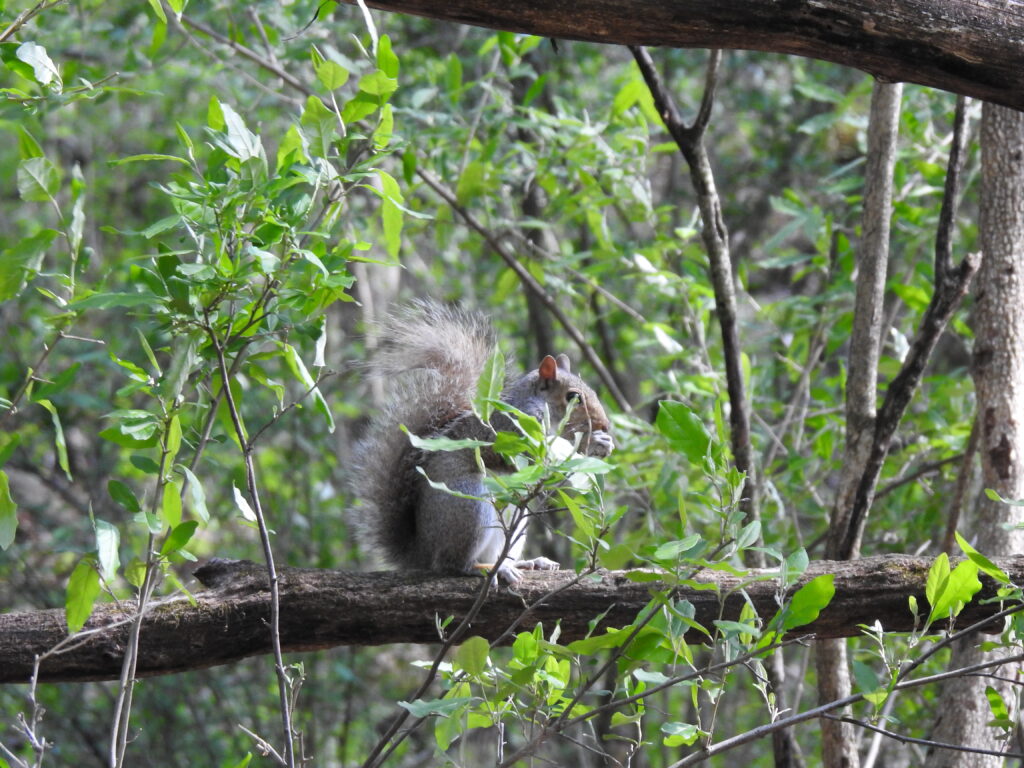
Eastern Gray Squirrel vs Red Squirrel – Key Differences in Size, Appearance, and Identification
Quick Facts
Location: North America
Average Size: Gray: 16–20 inches total length | Red: 10–14 inches total length
Lifespan: Gray: 6–12 years | Red: 3–8 years
Global Range: Gray: Eastern & Central North America (introduced in Europe) | Red: Northern U.S. & Canada
Conservation Status: Both Least Concern
Notable Feature: Gray: Large bushy tail and muted coloration | Red: Smaller size with reddish coat and bold contrast
Introduction to Eastern Gray Squirrel vs Red Squirrel Identification
The Eastern Gray Squirrel and the American Red Squirrel are two of the most commonly encountered tree squirrels in North America, yet they are often confused due to their similar body shape and shared environments. At a glance, both species display the classic squirrel silhouette—compact bodies, upright posture, and expressive movements. However, a closer look reveals clear differences that make identification straightforward once understood.
These two species occupy overlapping regions across the United States and parts of Canada, though their presence may vary depending on local conditions. The Eastern Gray Squirrel is more widespread and commonly seen in suburban and urban areas, while the Red Squirrel tends to be associated with more northern or forest-dense regions. Despite this overlap, both species can occasionally be found within the same general landscape.
When observed in natural settings, the contrast between the two becomes more noticeable. The Eastern Gray Squirrel often appears larger and softer in tone, blending into its surroundings, while the Red Squirrel stands out with a brighter, more defined appearance. These visual distinctions create a clear starting point for identifying each species in the field.
Understanding the differences between these squirrels goes beyond simple curiosity. Recognizing each species helps build a clearer picture of local wildlife and enhances the experience of observing animals in natural or developed environments. With a few key details, even a brief sighting can become a confident identification.
Eastern Gray Squirrel vs Red Squirrel Appearance and Size Comparison
The most immediate difference between the Eastern Gray Squirrel and the Red Squirrel is their overall size. The Eastern Gray Squirrel is noticeably larger, often reaching lengths similar to a standard water bottle when including its tail. In contrast, the Red Squirrel is smaller and more compact, closer in size to a typical smartphone, giving it a more condensed appearance.
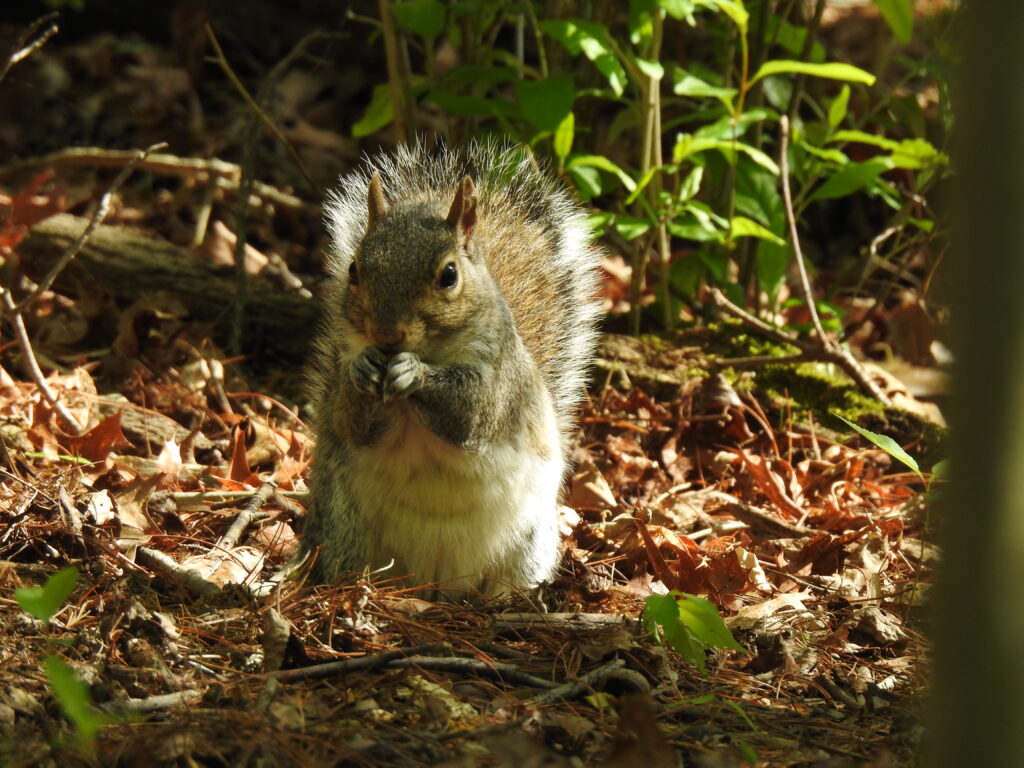
Coloration is another defining contrast. The Eastern Gray Squirrel typically displays a mix of gray tones with subtle variations of silver and brown, paired with a white underside. This muted palette allows it to blend naturally into tree bark and forest floor surroundings. The Red Squirrel, on the other hand, features a reddish or rust-colored coat that stands out more vividly against natural backgrounds.
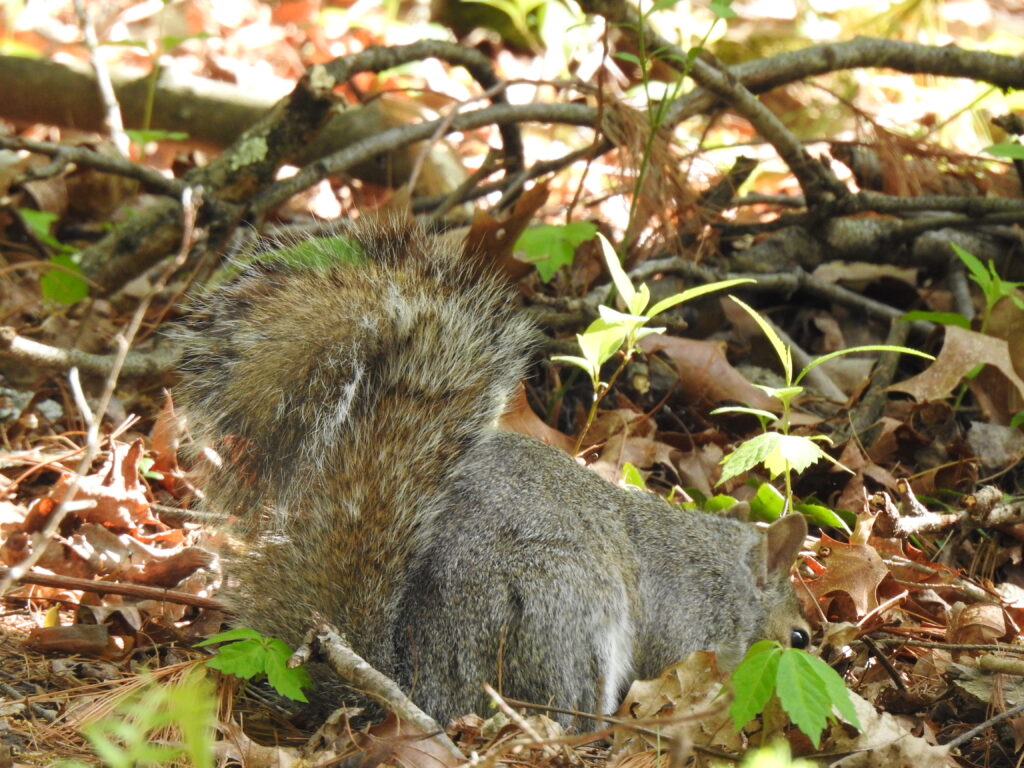
The tail also differs in both size and visual impact. The Eastern Gray Squirrel’s tail is long, full, and plume-like, often appearing almost as large as its body. The Red Squirrel’s tail, while still bushy, is thinner and less expansive, giving it a more streamlined look overall.
In the wild, these differences create distinct impressions. The Eastern Gray Squirrel often appears softer and more rounded, while the Red Squirrel looks sharper and more defined. Even from a distance, the combination of size, color, and tail shape can quickly separate one from the other.
Distinct Physical Traits That Separate Gray and Red Squirrels
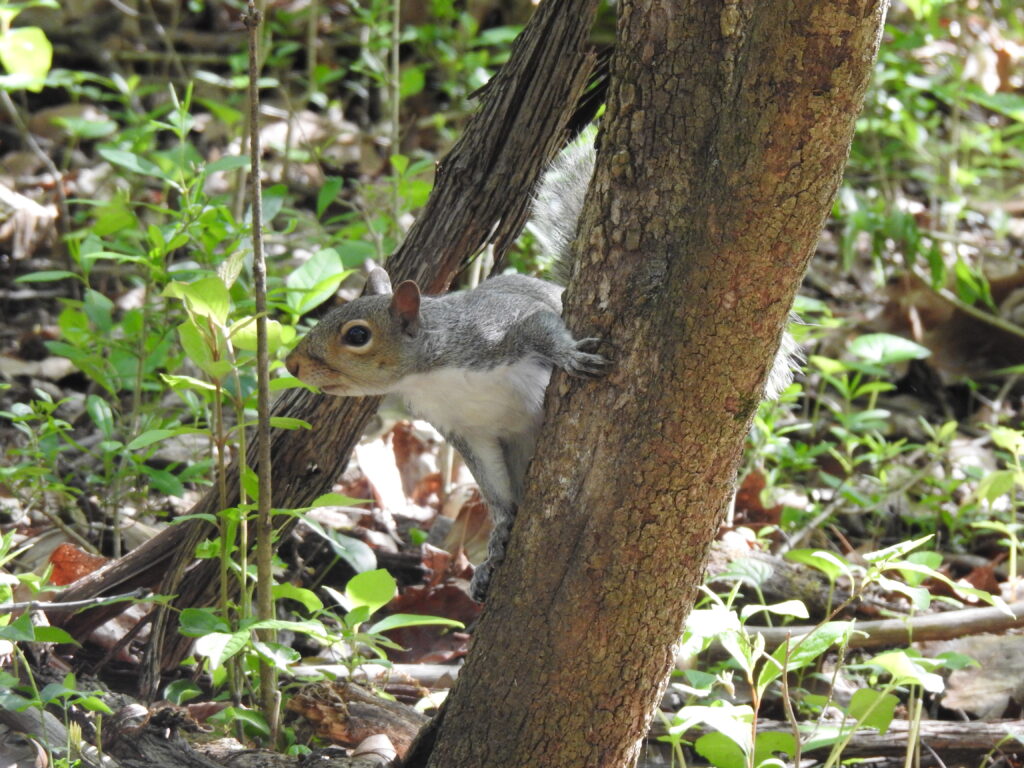
Beyond size and color, several finer details help distinguish these two species. The Eastern Gray Squirrel has a broader body shape with a slightly heavier build, giving it a more solid appearance. Its facial features are rounded, with ears that are relatively short and lack prominent seasonal tufts.
The Red Squirrel, by comparison, has a slimmer body and a more angular face. One of its most recognizable traits is the presence of ear tufts, particularly noticeable during colder months. These tufts give the Red Squirrel a slightly more pointed and alert look, setting it apart visually from its gray counterpart.
Another key difference lies in the fur texture and pattern. The Eastern Gray Squirrel’s coat appears softer and more blended, with individual hairs creating a layered gray effect. The Red Squirrel often shows more contrast in its coloring, with sharper transitions between its reddish back and lighter underside.
When placed side by side, the contrast can be compared to a muted, neutral-toned object versus a brightly colored one. The Eastern Gray Squirrel resembles a natural, camouflaged tone, while the Red Squirrel carries a more vibrant and noticeable appearance. These defining characteristics make identification easier once attention is drawn to these details.
Eastern Gray Squirrel vs Red Squirrel Role in the Ecosystem
Both the Eastern Gray Squirrel and the Red Squirrel play important roles within their ecosystems, contributing to the balance and function of their environments. As common small mammals, they serve as a link between plant life and larger predators, forming a key part of the food web.
The Eastern Gray Squirrel, due to its larger size and broader distribution, often has a more widespread ecological presence. It interacts with a wide range of plant species and contributes to the natural spread of vegetation across large areas. Its influence can be seen in both forested landscapes and urban green spaces.
The Red Squirrel, while smaller in range and size, plays a similarly important role within its preferred environments. It contributes to the health of forest ecosystems, particularly in regions where coniferous trees are more dominant. Its presence supports the continuation of natural cycles within these areas.
Together, these species demonstrate how similar animals can occupy different ecological spaces while still contributing to overall environmental balance. Their combined roles highlight the importance of small mammals in maintaining healthy ecosystems, even when their appearances and distributions differ.