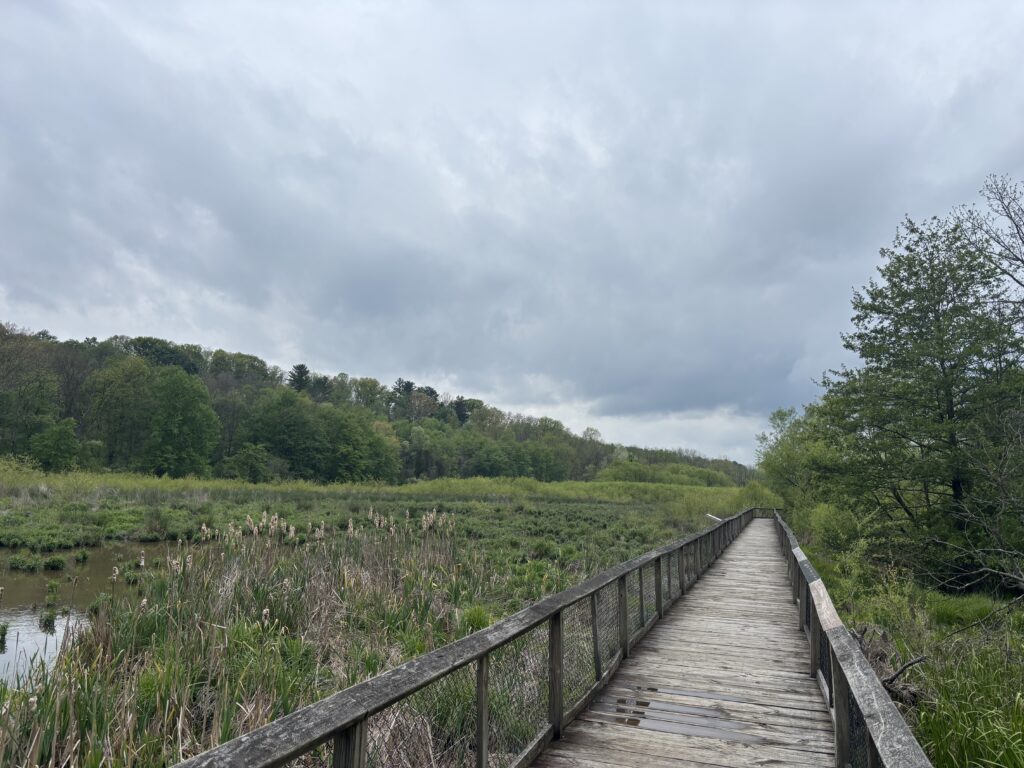
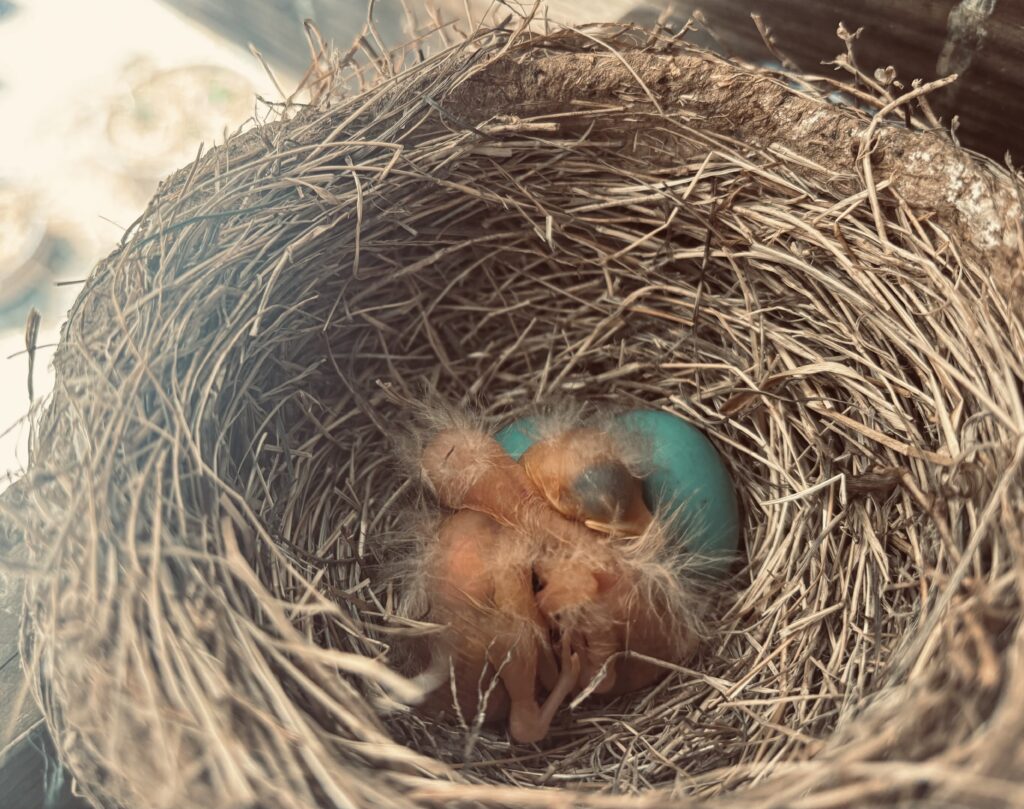
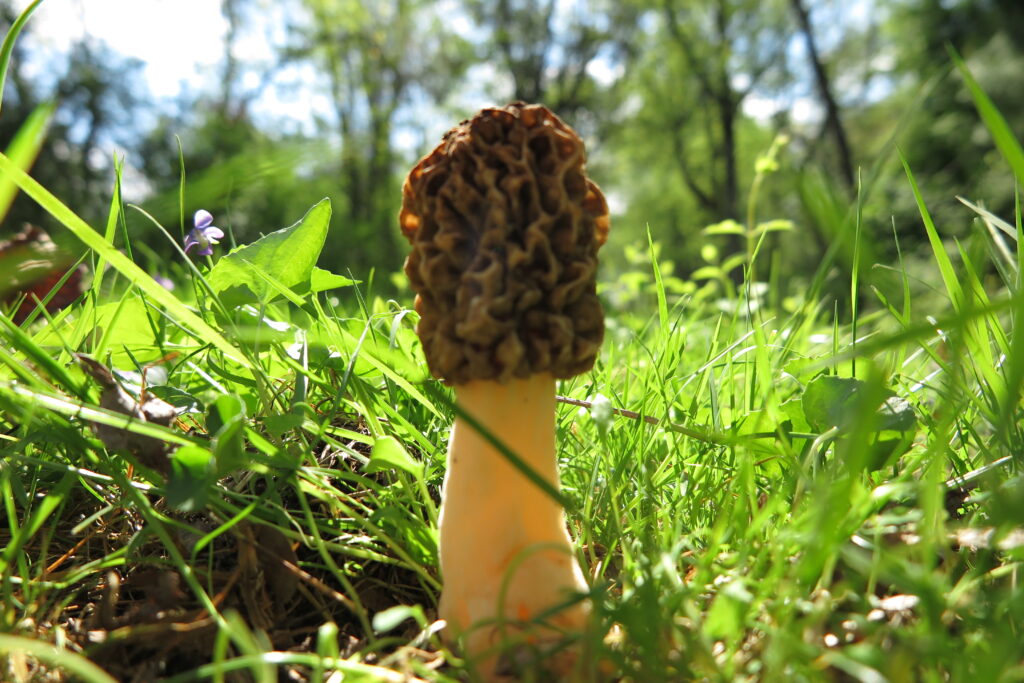
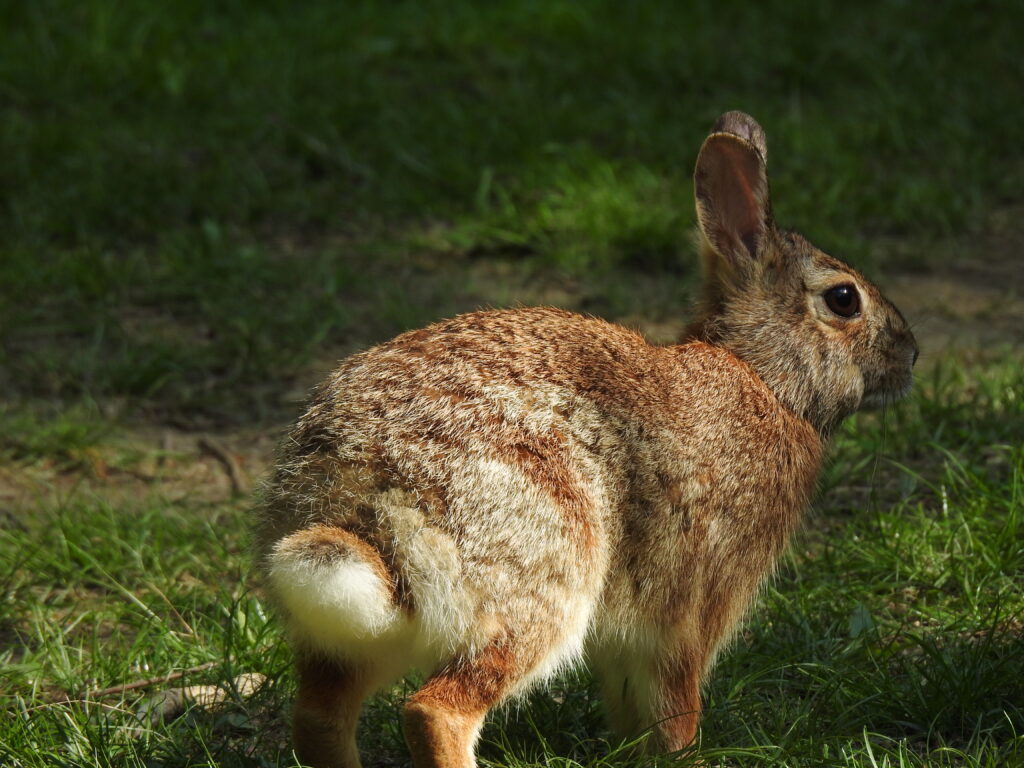
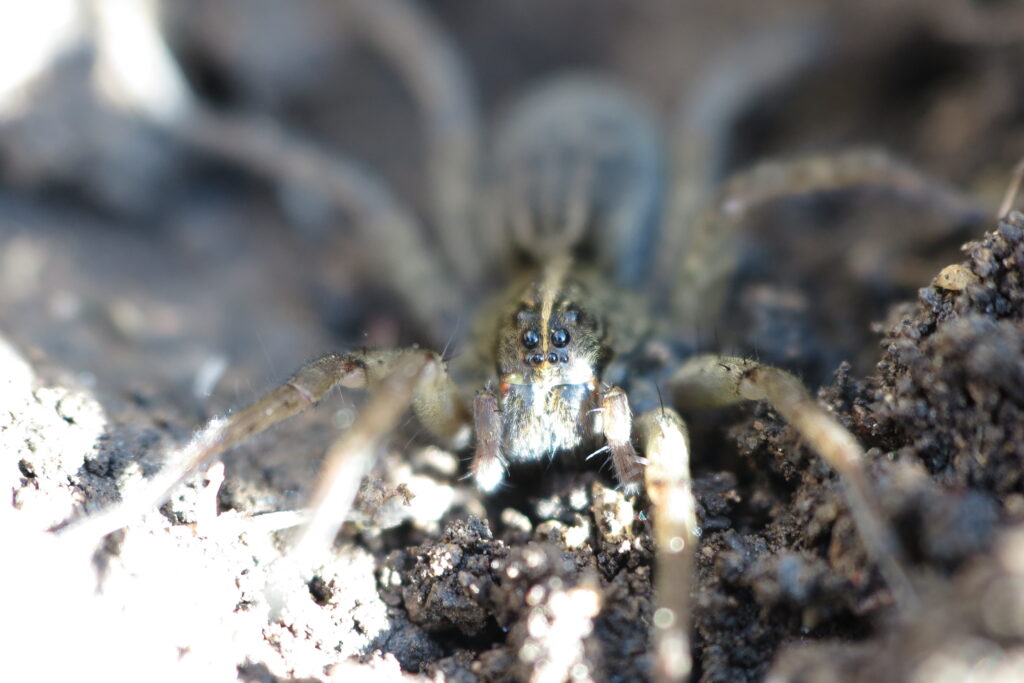
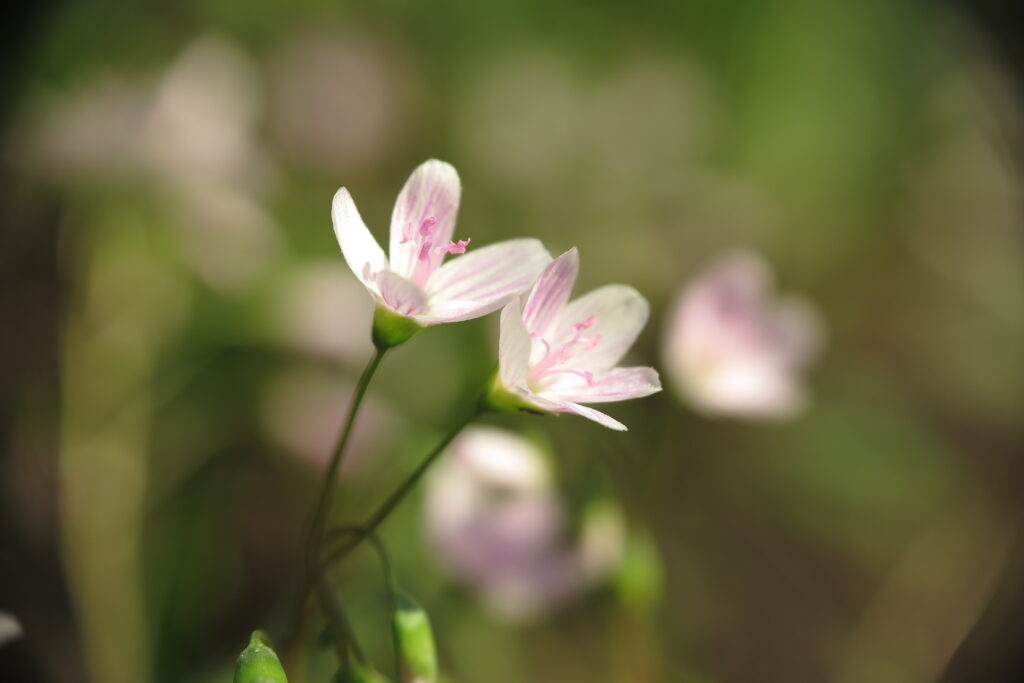
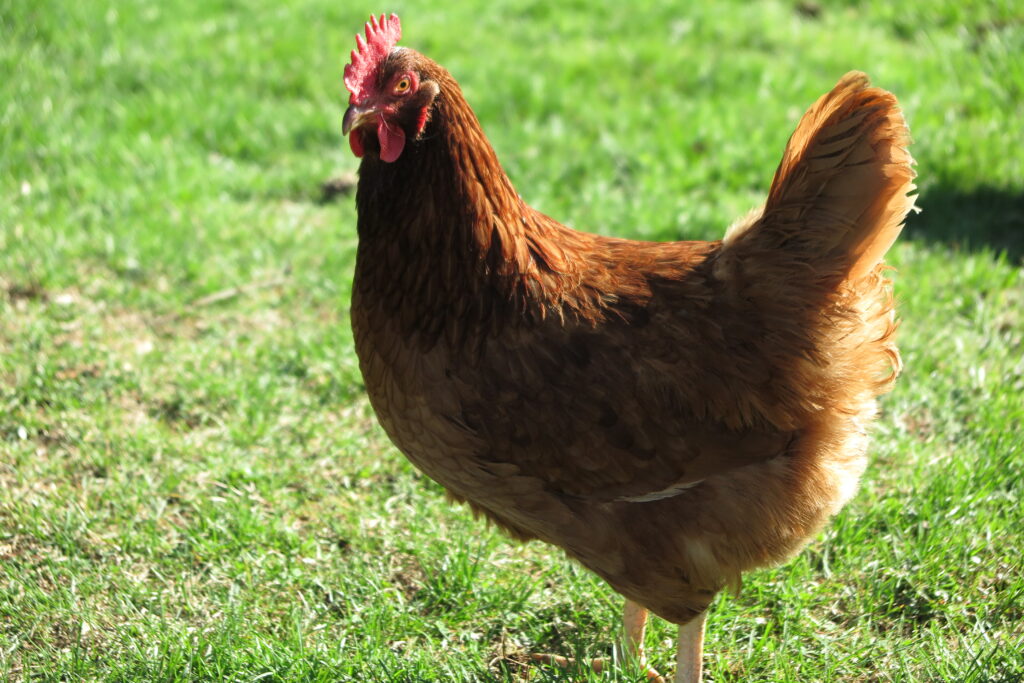
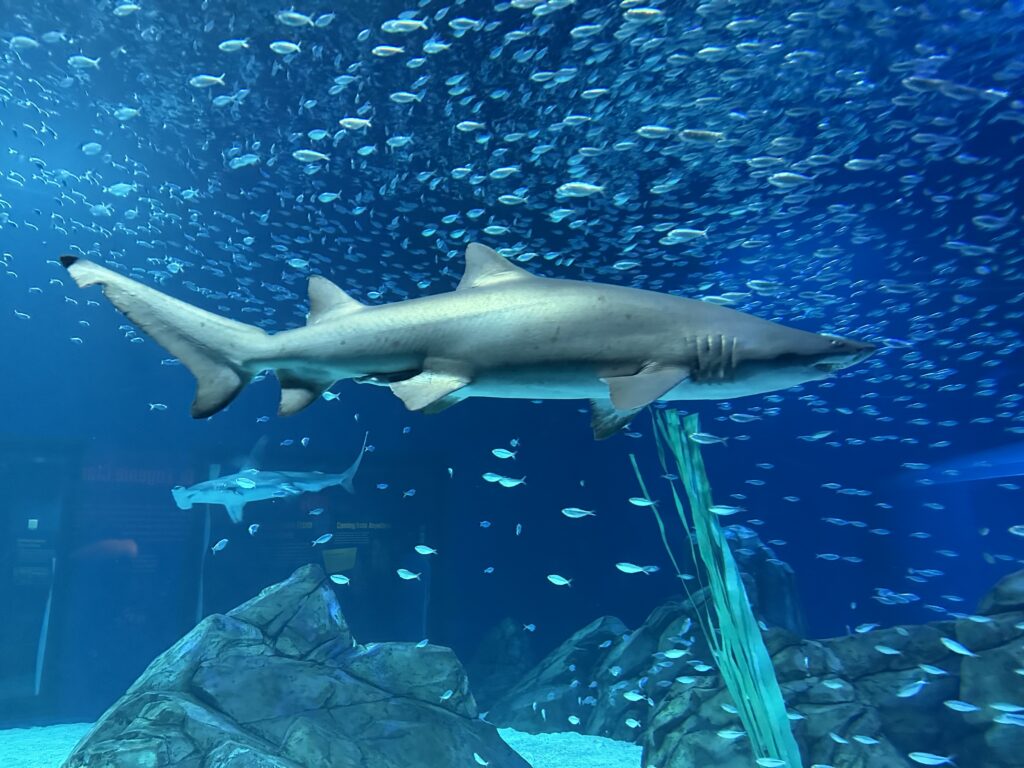
Field Observations Documented moments from the field featuring real wildlife encounters, natural environments, and species observed during outdoor exploration. Featured Field Observations Quiet Encounters A peaceful walk featuring a Mallard Duck, Baltimore Oriole, and American Toad observed in nature. Hidden Life A woodland observation walk with Baby Robins, an American Toad, and a Dryad’s saddle mushroom. Forest Discoveries A scenic hike featuring a Morel Mushroom, Forest Scenery, and Macro Ant Photography. All Field Observations Quiet Encounters A peaceful walk featuring a Mallard Duck, Baltimore Oriole, and American Toad observed in nature. Hidden Life A woodland observation walk with baby robins, a American Toad, and a Dryad’s saddle mushroom. Forest Discoveries A scenic hike featuring a Morel Mushroom, forest scenery, and macro Ant photography. Explore Other Categories Mammals Wild mammal species documented across forests, grasslands, wetlands, and natural habitats. Birds Bird species observed in woodlands, wetlands, waterways, and migration habitats. Reptiles Cold-blooded reptiles including snakes, turtles, and other scaled wildlife species. Amphibians Frogs, salamanders, and moisture-dependent amphibians found near wetlands and streams. Fish Aquatic wildlife observed in ponds, creeks, rivers, wetlands, and freshwater habitats. Insects Insect species documented through macro photography and real-world field encounters. Arachnids Unique invertebrate wildlife including millipedes, worms, and other small decomposers. Other Invertebrates Unique invertebrate wildlife including millipedes, worms, and other small decomposers. Plants Wild plants documented through real-world encounters including native flowers, woodland species, and seasonal vegetation. Domestic Domesticated species including chickens, farm animals, pets, and human-associated wildlife encounters. Exhibits Wildlife and marine species observed in aquariums, zoos, nature centers, and educational exhibits. Bones Animal bones and skeletal remains documented through field discoveries and wildlife identification.