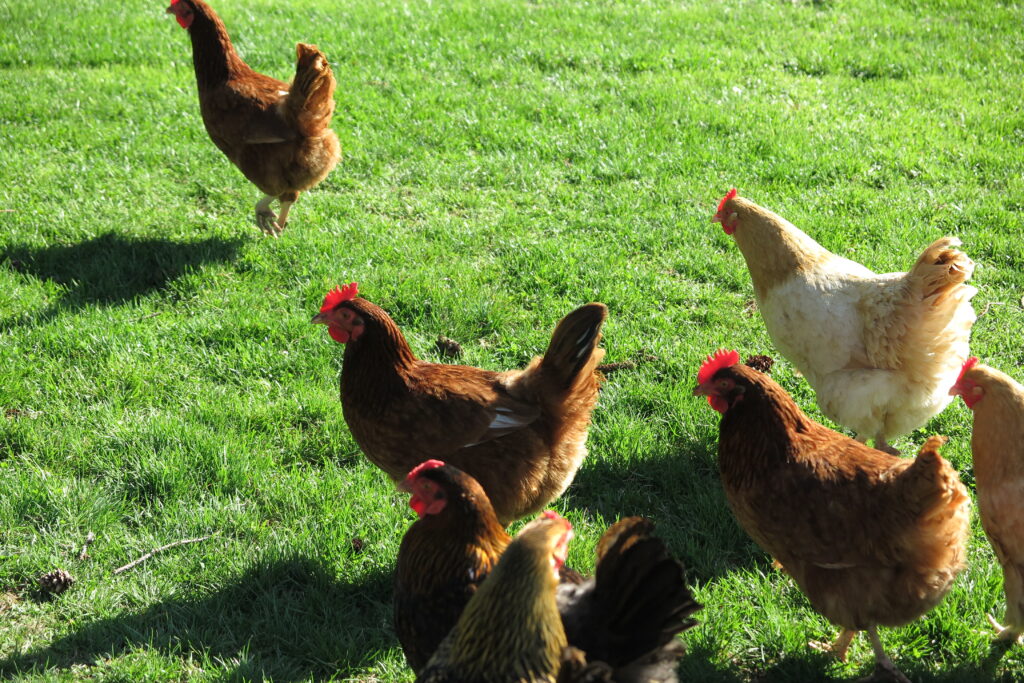
Rhode Island Red Chicken in Pennsylvania: Facts, Behavior, and Habitat Guide
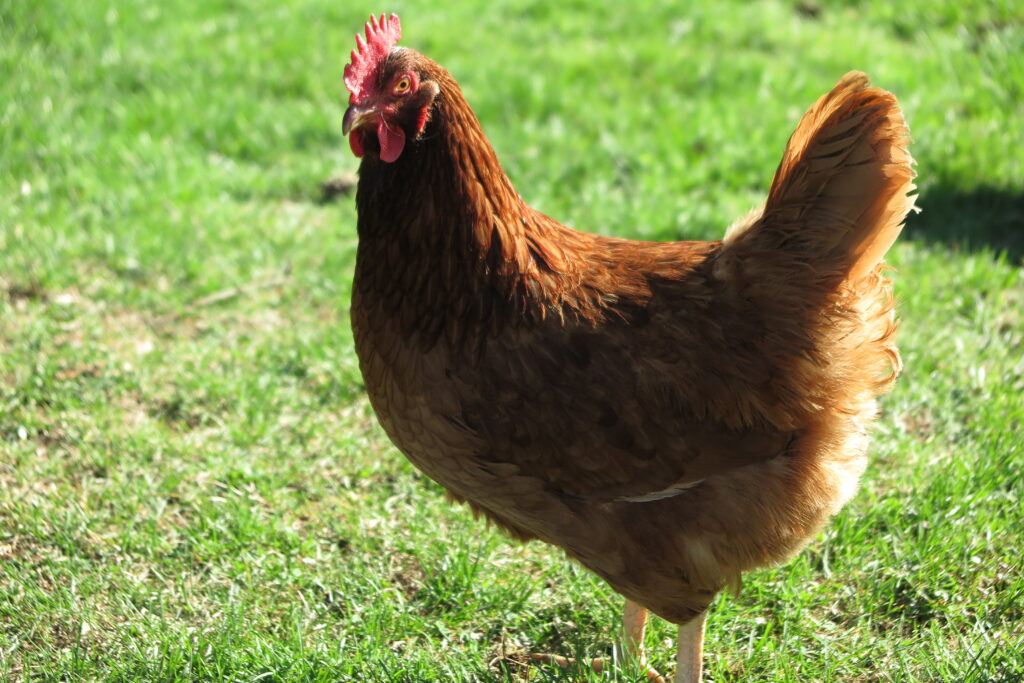
Quick Facts
Scientific Name: Gallus gallus domesticus
Common Name: Rhode Island Red
Location: Domesticated; commonly found in backyard flocks and farms across Pennsylvania and throughout the United States
Size: Medium to large; typically 6–8.5 lbs (hens smaller, roosters larger)
Diet: Omnivore; grains, seeds, insects, worms, kitchen scraps, and commercial poultry feed
Habitat: Farms, backyard coops, open grassy areas, and enclosed runs; thrives in managed environments with access to foraging space
Lifespan: 5–8 years on average (can live longer with proper care)
Behavior: Active, hardy, and confident; known for being more independent than some other breeds, moderately social, and excellent foragers; can be slightly assertive within flock hierarchy
Notable Feature: Excellent egg production; known for laying consistent brown eggs year-round and strong adaptability to different climates
The Rhode Island Red is one of the most recognizable and widely kept chicken breeds in the United States, known for its deep reddish-brown feathers and dependable nature. Originally developed in America, this breed has become a staple in both small backyard flocks and larger farms.
In Pennsylvania, Rhode Island Reds are a common sight in rural areas, suburban backyards, and agricultural settings. Their ability to adapt to changing weather and environments makes them especially well-suited for the state’s seasonal climate.
Whether seen roaming grassy yards or gathered near a coop, these chickens bring both visual appeal and practical value. Their strong presence and adaptability make them a reliable and familiar part of Pennsylvania’s domestic animal landscape.
Rhode Island Red Chicken Overview: Appearance, Range, and Adaptability
The Rhode Island Red is easily identified by its rich, dark red plumage, often with a slightly glossy or mahogany tone. Its body is solid and well-built, giving it a sturdy and balanced appearance. The comb is typically bright red and upright, adding to its distinctive look.
This breed is found throughout the United States and is especially common in states like Pennsylvania, where backyard poultry keeping is popular. Its wide distribution is a result of its reliability, making it one of the most trusted chicken breeds across various regions.
Rhode Island Reds are known for their adaptability. They can handle both warm summers and cold winters, making them ideal for areas with seasonal changes. Their resilience allows them to thrive in different setups, from small coops to more open environments.
Overall, this breed is valued for its hardiness, consistency, and strong physical traits. It represents a balance between productivity and durability, making it a top choice for both beginners and experienced chicken keepers.
Rhode Island Red Behavior: Movement, Social Structure, and Activity Patterns
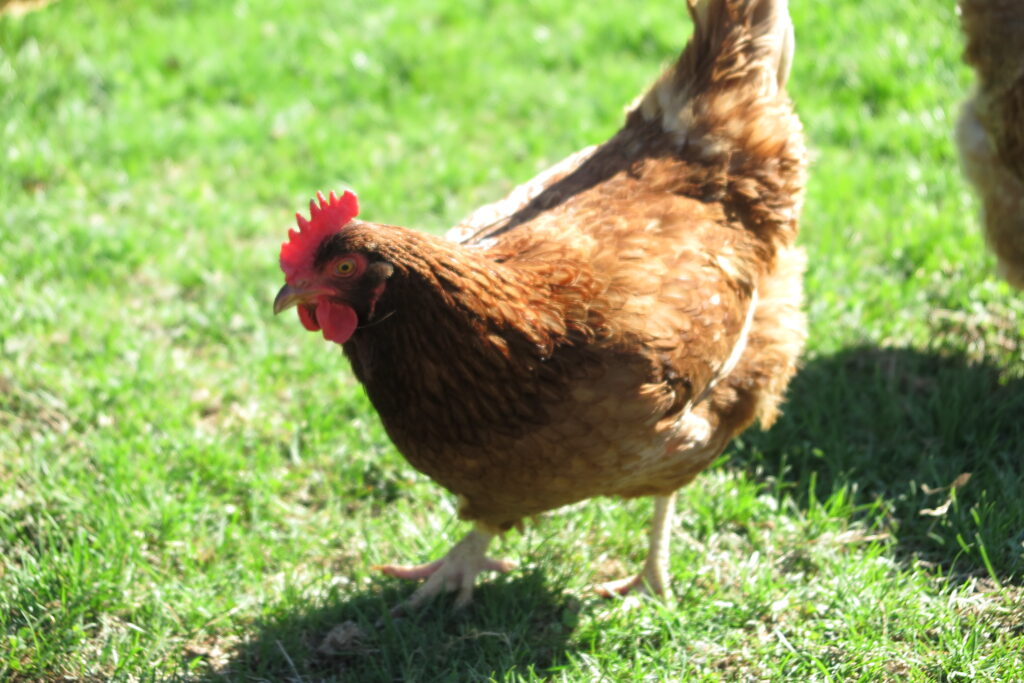
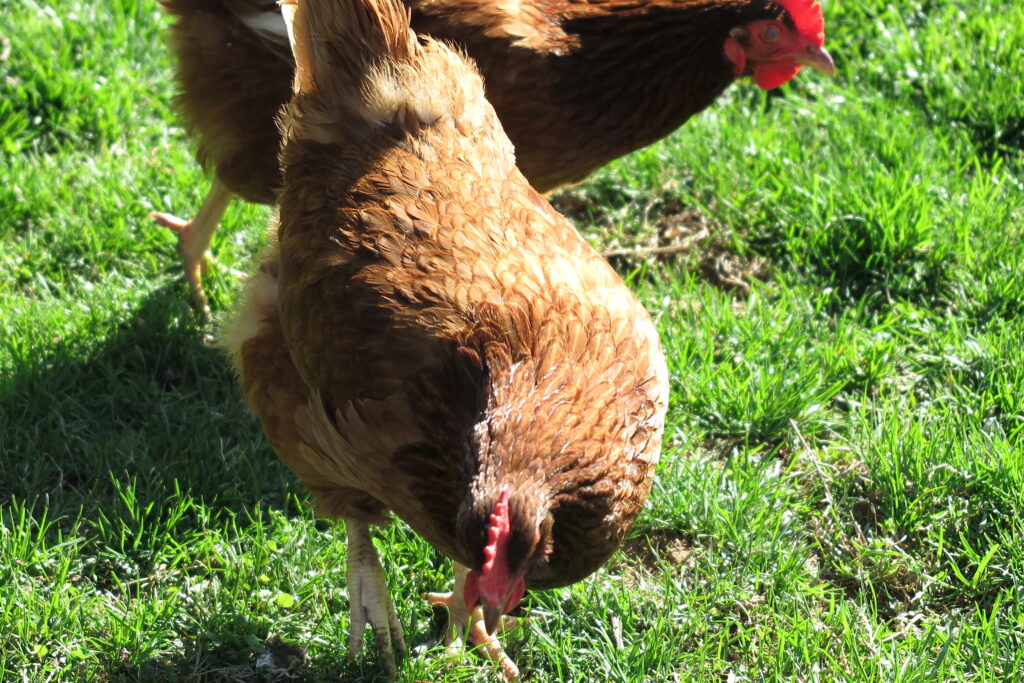
Rhode Island Reds are active and alert birds that spend much of their time moving around and exploring their surroundings. They are known for their steady pace and consistent activity throughout the day, often seen walking, scratching, and investigating the ground.
Within a flock, they tend to establish a clear social order. While generally manageable, they can display assertive behavior, especially when interacting with other chickens. This helps maintain structure within the group but can occasionally lead to minor dominance displays.
Vocalizations are a regular part of their behavior. Rhode Island Reds produce a range of sounds, including clucks, calls, and alert signals. These sounds are often used to communicate with other chickens and signal changes in their environment.
They are primarily active during the day, following a consistent daily rhythm. From morning to evening, they remain engaged in movement and interaction, settling down as daylight fades. Their predictable activity pattern makes them easy to observe and manage.
Rhode Island Red Habitat: Environments and Living Conditions in Pennsylvania
Rhode Island Reds thrive in structured environments such as backyard coops, farms, and enclosed outdoor runs. These environments provide the necessary space, protection, and access to open ground that supports their daily needs.
Grassy areas and open land are ideal environments for this breed. These spaces allow for natural movement and access to the ground, which supports their overall well-being. Even in suburban settings, they adapt well as long as space is available.
In Pennsylvania, the seasonal climate plays a role in shaping their living conditions. These chickens are well-suited to both cold winters and warm summers, making them highly compatible with the region’s environmental conditions.
Their ability to adjust to different surroundings makes them one of the most versatile domestic chickens. Whether in rural farmland or a controlled backyard setup, Rhode Island Reds consistently perform well in a variety of Pennsylvania environments.