
Painted Turtle Diet Guide: Feeding Habits, Natural Food Sources, and Aquatic Foraging of Chrysemys picta
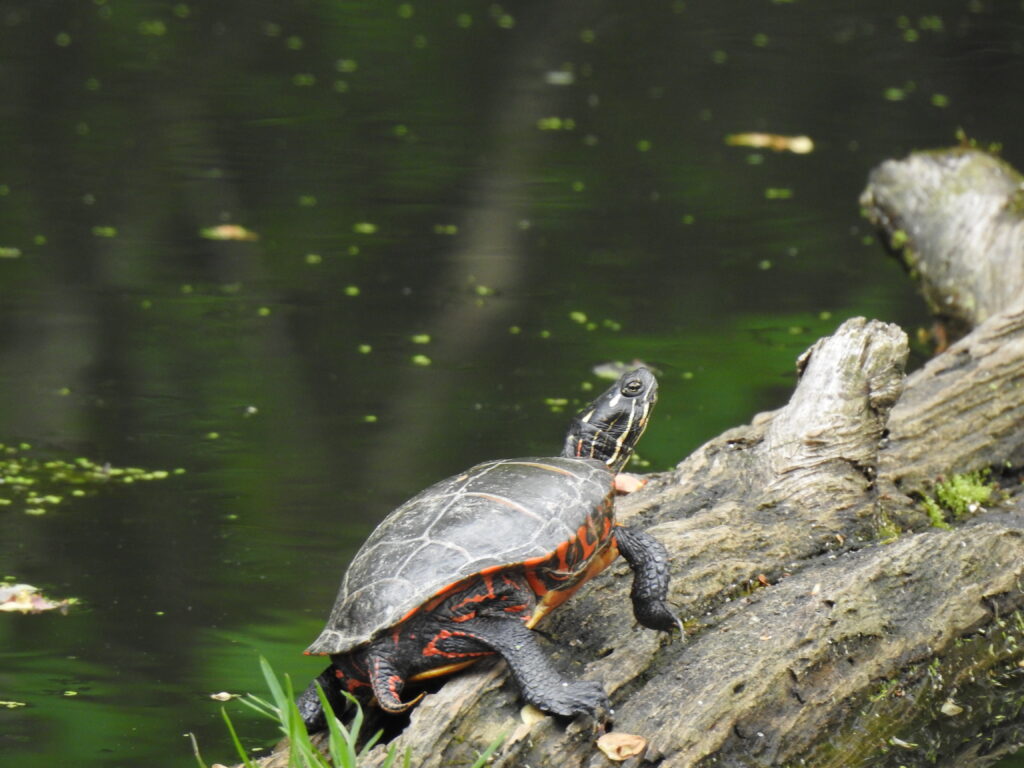
Quick Facts
Diet Type: Omnivore
Main Food Sources: Aquatic plants, insects, fish, algae, and small invertebrates
Feeding Time: Primarily daytime hours
Foraging Method: Underwater searching, scavenging, and slow stalking
Seasonal Diet Changes: Greater plant consumption in adulthood and seasonal food variation
Predatory Adaptations: Sharp vision, strong jaws, and aquatic maneuverability
Introduction to the Painted Turtle’s Aquatic Feeding Lifestyle
The Painted Turtle is a freshwater reptile with highly adaptable feeding habits shaped by wetland and aquatic environments across North America. Found throughout southern Canada and much of the United States, the species occupies ponds, marshes, lakes, and slow-moving waterways where food availability changes throughout the seasons. Much of its daily routine revolves around searching for edible material beneath the water’s surface or along shallow shoreline zones. Even while basking quietly above the water, Painted Turtles remain closely tied to aquatic feeding opportunities below them.
Unlike highly specialized predators, Painted Turtles rely on a broad diet that includes both plant and animal material. This flexibility allows them to survive in wetlands where food availability shifts depending on temperature, vegetation growth, and seasonal conditions. Their feeding lifestyle changes gradually as they mature, with younger turtles consuming more protein-rich foods while adults incorporate larger amounts of plant matter. This dietary transition helps support growth early in life while maintaining long-term nutritional balance in adulthood.
The species is most often observed feeding during warmer daylight hours when water temperatures support greater aquatic activity. Calm ponds and shallow marshes provide ideal environments for locating food hidden among vegetation, mud, and submerged debris. Painted Turtles move through these areas slowly and methodically, using both sight and movement to locate edible material. Their patient feeding style contrasts strongly with fast-moving aquatic predators that rely on speed and sudden attacks.
Throughout their range, Painted Turtles contribute to the balance of freshwater ecosystems by interacting with multiple levels of aquatic food webs. Their ability to consume a wide variety of material helps them adapt to changing environmental conditions and seasonal resource availability. This generalist feeding strategy remains one of the major reasons the species has remained widespread across so many freshwater habitats in North America.
Broad Painted Turtle Diet Patterns and Feeding Adaptability
The Painted Turtle is classified as an omnivore, meaning it consumes both plant and animal matter depending on age, season, and food availability. Compared to highly specialized reptiles that rely heavily on one food type, Painted Turtles display considerable dietary flexibility. This adaptability allows populations to survive across many different freshwater environments where food resources vary throughout the year. Their feeding habits shift naturally alongside seasonal changes in aquatic ecosystems.
Young Painted Turtles tend to consume a larger proportion of animal-based food than adults. Protein-rich prey supports rapid growth during early stages of development when young turtles require additional energy and nutrients. As the turtles mature, plant material gradually becomes a more important portion of the diet. Adult individuals often balance aquatic vegetation with smaller animal prey and scavenged material.
Dietary patterns may also vary between regions depending on local environmental conditions. Turtles living in heavily vegetated marshes often consume different food combinations than those occupying clearer ponds or river systems. In northern climates with shorter warm seasons, feeding activity may become more concentrated during limited periods of favorable weather. Southern populations sometimes experience longer feeding seasons because warmer conditions persist for greater portions of the year.
Compared to snapping turtles, which function more like aggressive aquatic predators, Painted Turtles feed in a calmer and more opportunistic manner. Their feeding behavior resembles slow underwater grazing mixed with occasional prey capture and scavenging. This balanced feeding strategy allows them to exploit multiple food sources without depending heavily on any single resource. Such flexibility has played an important role in the species’ long-term success across North American wetlands.
Natural Food Sources Consumed by Painted Turtles
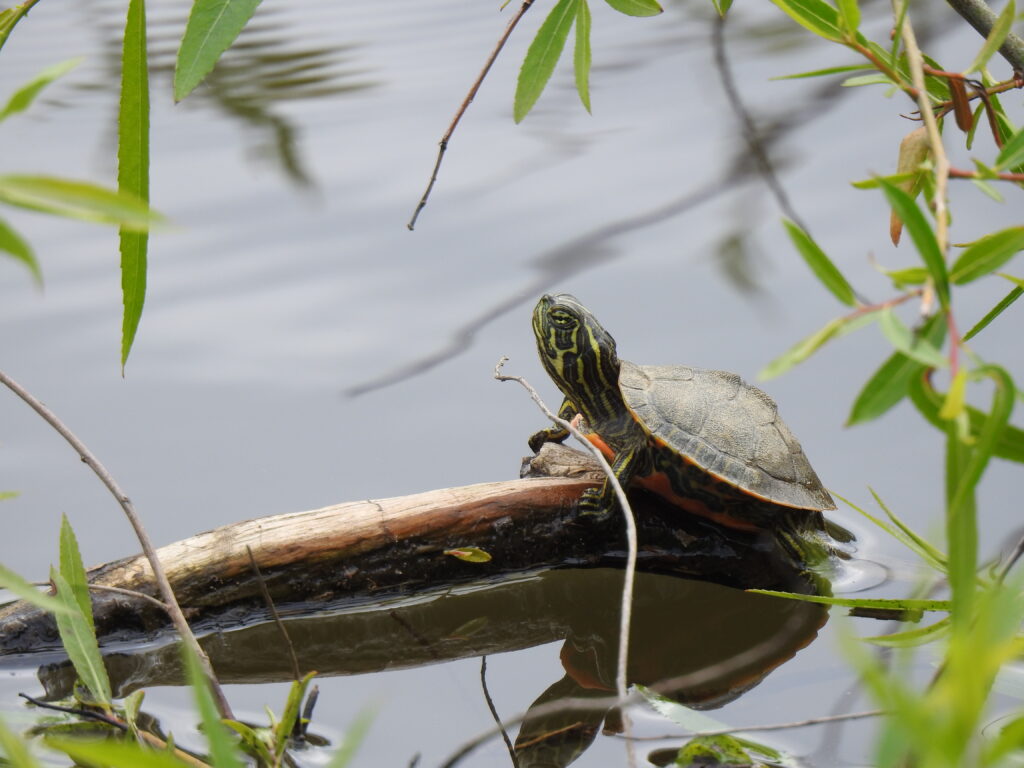
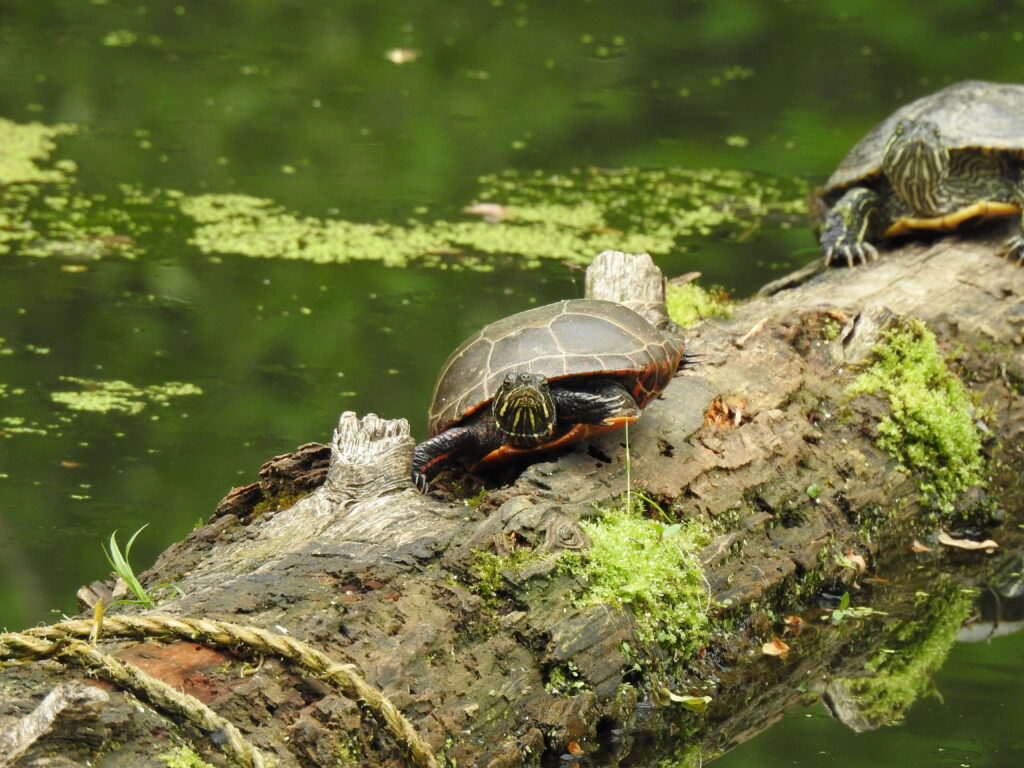
The Painted Turtle consumes a wide variety of foods found naturally within freshwater ecosystems. Aquatic vegetation forms a major part of the adult diet, especially algae, floating plants, and soft submerged vegetation. These plant materials provide nutrients while remaining abundant in many ponds and marshes throughout the warmer months. Turtles often feed slowly among underwater vegetation where edible material grows across submerged surfaces.
Invertebrates represent another important food category, particularly for younger turtles. Aquatic insects, snails, worms, leeches, and small crustaceans are commonly consumed when available. Protein from these prey items supports growth and energy demands during active periods. In shallow wetlands filled with insect life, Painted Turtles may spend long periods searching among mud, leaves, and submerged debris for moving prey.
Small fish and carrion may also become part of the diet under certain conditions. Painted Turtles occasionally capture weak or slow-moving aquatic animals, though they are not highly aggressive hunters compared to larger predatory turtles. Scavenging dead fish or organic material allows them to take advantage of available nutrients without expending large amounts of energy. This opportunistic feeding style increases survival during periods when preferred food becomes scarce.
Seasonal conditions strongly influence food availability across freshwater systems. Spring and summer bring rapid plant growth and increased insect populations, creating highly productive feeding conditions. During autumn, cooler temperatures reduce aquatic activity while vegetation begins breaking down. The ability to shift between plant matter, small prey, and scavenged material helps Painted Turtles maintain nutritional balance as freshwater ecosystems change throughout the year.
Painted Turtle Feeding Behavior and Survival Strategies
The Painted Turtle relies on patience, strong underwater awareness, and energy-efficient movement while feeding. Much of its foraging takes place beneath the water’s surface where the turtle moves slowly through vegetation and shallow aquatic zones. Rather than chasing prey aggressively, it often searches carefully for edible material hidden among plants, mud, and submerged debris. This deliberate feeding style conserves energy while maximizing feeding opportunities in calm freshwater environments.
Sharp vision plays an important role in locating food underwater. Painted Turtles watch for subtle movement from insects, small aquatic animals, or drifting organic material. Their necks extend forward gradually as they inspect objects closely before striking or biting. Compared to the explosive attacks of snapping turtles, Painted Turtle feeding movements are smoother and more controlled.
Competition occasionally occurs when multiple turtles gather in productive feeding areas. Larger individuals may gain access to better food sources simply because of their size and strength. However, Painted Turtles generally avoid intense conflict and instead continue searching through surrounding areas. Their feeding behavior resembles quiet underwater browsing more than direct competition or territorial aggression.
When food becomes limited, Painted Turtles adapt by broadening their search patterns and relying more heavily on scavenging opportunities. During cooler periods or environmental stress, they also conserve energy by reducing unnecessary movement. This balance between efficient feeding and energy conservation helps the species survive in freshwater systems where conditions change dramatically throughout the seasons. Their ability to combine plant consumption, opportunistic hunting, and scavenging has allowed them to remain highly successful across a wide geographic range.
Popular Searches About Painted Turtle
Explore Painted Turtle Guide
Explore More Wildlife

Support Encounters World
Help support wildlife photography and get behind the scenes discoveries on Patreon.