
Painted Turtle vs Red-Eared Slider Guide: Key Differences, Identification, and Comparison
Quick Facts
Location: Freshwater ponds, marshes, lakes, and wetlands
Average Size: 5–10 inches long
Lifespan: 20–40 years
Global Range: Southern Canada and much of the United States
Conservation Status: Least Concern
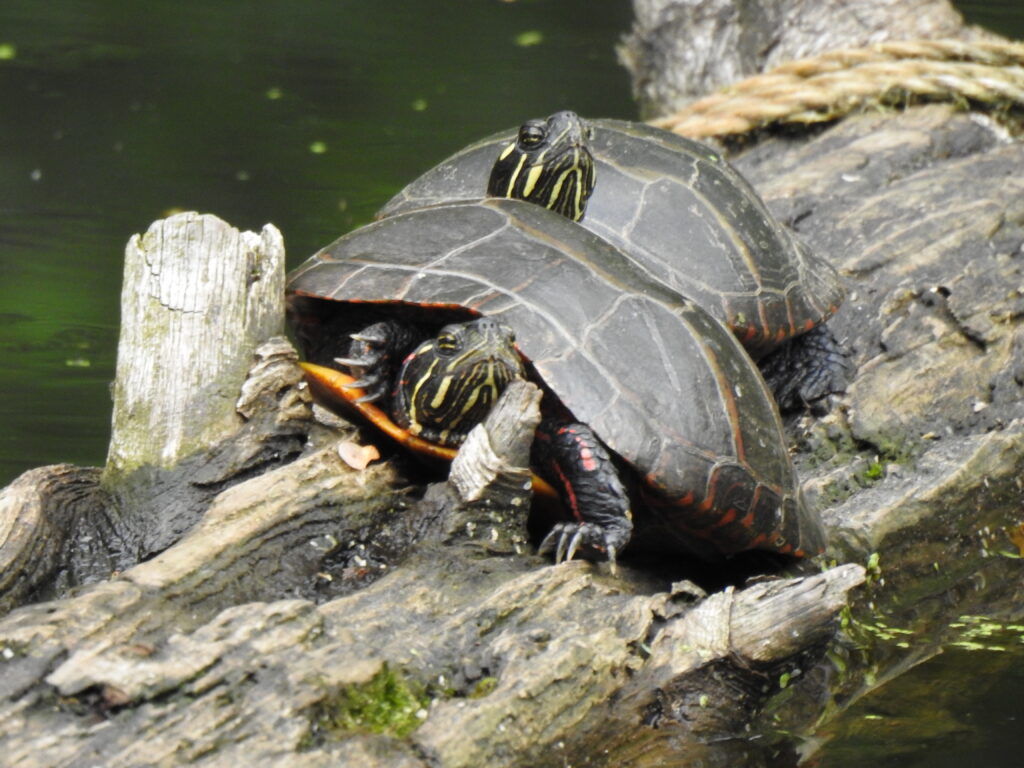
Notable Feature: Bright red shell edging and yellow striping without a red ear patch
Introduction to Painted Turtles and Red-Eared Sliders
The Painted Turtle and the Red-eared Slider are two of the most commonly confused freshwater turtles in North America. Both species are frequently seen basking on logs, swimming through calm ponds, and resting near wetland shorelines. Their overlapping ranges and similar lifestyles often make quick identification difficult, especially from a distance. However, several visual differences help separate these turtles once their markings and shell patterns are examined closely.
Painted Turtles are widespread throughout much of the United States and southern Canada, while Red-Eared Sliders are native primarily to the southern and central United States but have spread widely because of pet releases. In many wetlands, both species may occur together on the same basking logs or shoreline areas. Their shared preference for freshwater environments causes regular overlap in parks, ponds, and marshes across North America. Because of this, identification guides comparing the two species have become increasingly useful for wildlife observers.
At first glance, both turtles appear similar because they share smooth shells, striped heads, and aquatic habits. Juveniles especially can look confusing due to their smaller size and brighter markings. Sunlight reflecting off wet shells may also hide important features when viewed from far away. Careful attention to shell coloration, facial markings, and body shape usually reveals the correct species quickly.
Despite their similarities, the overall appearance of each turtle creates a noticeably different impression once key details are recognized. Painted Turtles tend to display cleaner red edging and thinner yellow striping, while Red-Eared Sliders often show bolder head markings and greener shell tones. These differences become easier to identify with repeated observation in the field.
Painted Turtle and Slider Appearance Comparison Guide
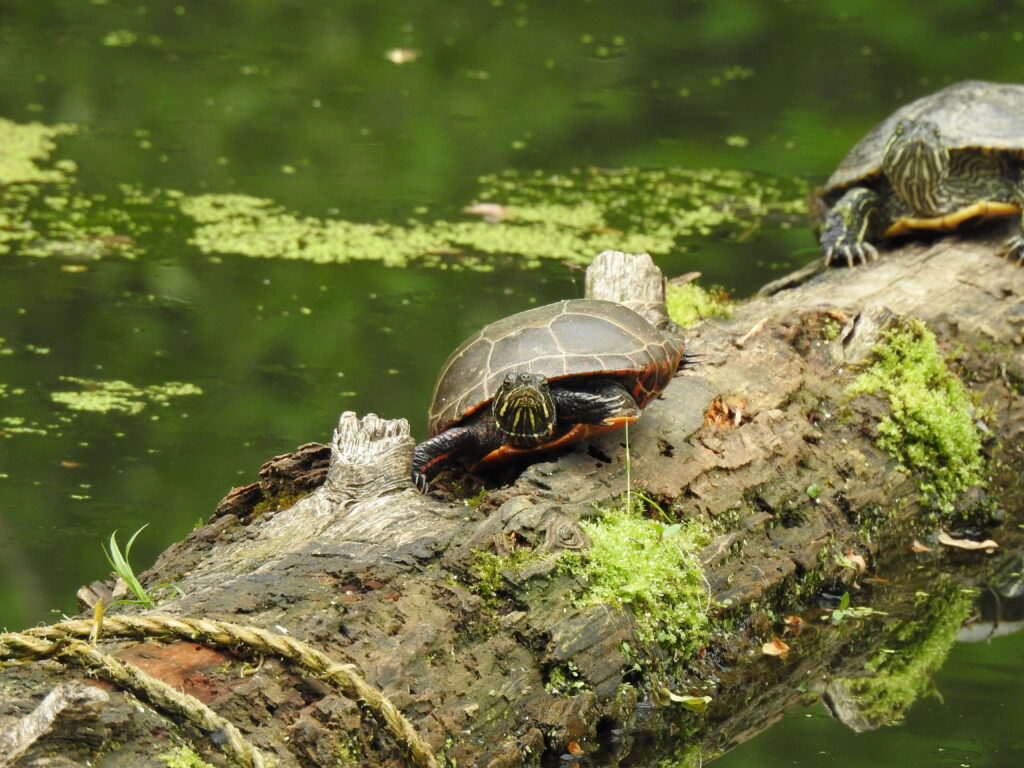
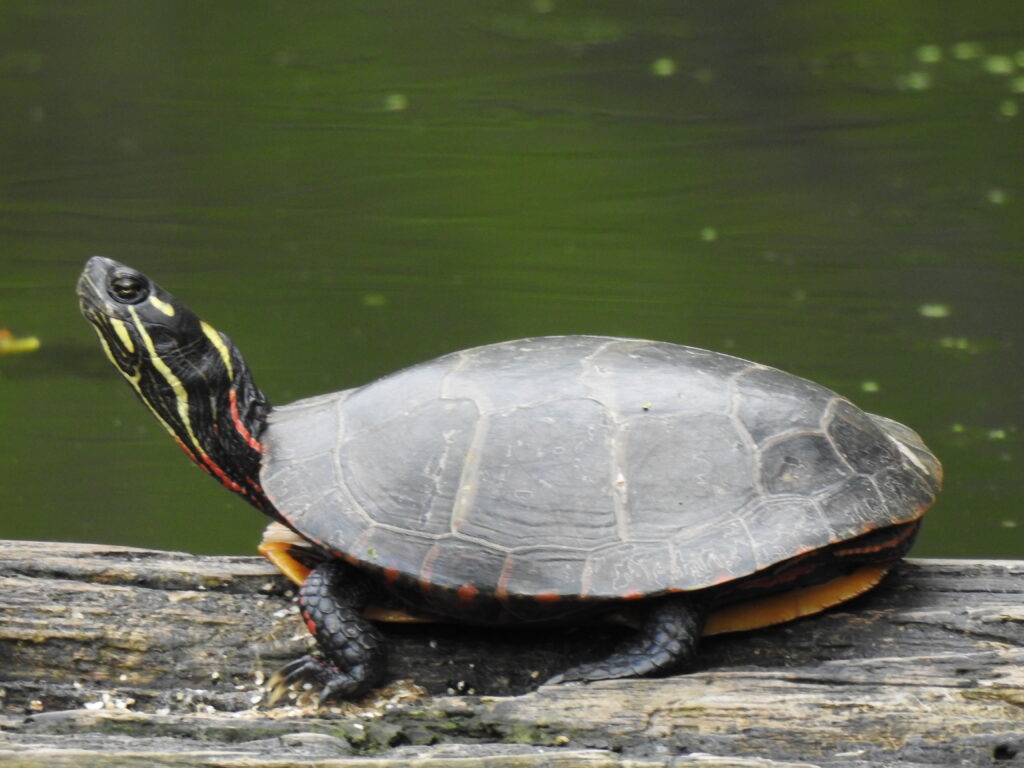
The overall appearance of the Painted Turtle differs noticeably from the Red-eared Slider when viewed carefully. Painted Turtles usually possess darker shells with smoother red or orange edging running along the margins. Their shells appear flatter and more streamlined, creating a clean oval shape that looks balanced and polished. In contrast, Red-Eared Sliders often display greener or olive-toned shells with heavier yellow patterning spread across the shell plates.
One of the easiest identification features involves the head markings. Painted Turtles have thin yellow stripes extending across the face and neck without any large red patch behind the eye. Red-Eared Sliders, however, are named after the bold red or reddish-orange patch located directly behind each eye. This marking often stands out clearly even from moderate distances and remains one of the fastest ways to distinguish the species.
Shell coloration also creates different visual impressions between the two turtles. Painted Turtles commonly show brighter red markings along the lower shell edges and underside, almost resembling painted brush strokes. Red-Eared Sliders usually appear more heavily patterned with yellow swirls and circular markings across the shell surface. When basking in sunlight, sliders often display greener overall coloration while Painted Turtles maintain stronger red contrast beneath darker shells.
Size and body proportions vary slightly as well. Adult Red-Eared Sliders frequently grow larger and bulkier than Painted Turtles, particularly mature females. Painted Turtles maintain a more compact and refined shape with smoother shell contours. Side by side on a basking log, sliders often appear heavier and broader while Painted Turtles look slimmer and more streamlined.
Recognizable Physical Traits Separating Painted Turtles from Sliders
Several defining physical characteristics help separate the Painted Turtle from the Red-eared Slider in the wild. The most reliable feature remains the absence or presence of the red ear patch. Painted Turtles completely lack this bright marking and instead display narrow yellow facial lines. Sliders almost always possess the thick red marking behind the eye that gives the species its common name.
The shell structure also differs between species. Painted Turtles have smoother, flatter shells that appear more evenly rounded from front to back. Their shell margins often contain thin red lines resembling painted trim around the edge of dark armor. Red-Eared Sliders typically show more noticeable shell patterning across the upper surface, creating a busier and more textured appearance overall.
Underside coloration provides another useful comparison point. Painted Turtles commonly display bright yellow, orange, or red plastrons with symmetrical dark markings. Some individuals possess vivid underside patterns that almost resemble artwork beneath the shell. Red-Eared Sliders generally have paler undersides with broader dark blotches but less vibrant red coloration overall.
Facial expression and body shape also contribute subtly to identification. Painted Turtles often appear sleeker and more delicate, with thinner striping and cleaner lines across the head. Sliders tend to look sturdier and slightly more robust, especially larger adults. Together, these differences create two distinct visual styles despite the turtles sharing similar aquatic lifestyles and basking behaviors.
Ecological Importance of Painted Turtles and Sliders in Wetlands
Both the Painted Turtle and the Red-eared Slider play important roles within freshwater ecosystems across North America. As aquatic reptiles occupying ponds, lakes, and marshes, they contribute to ecological balance through interactions with aquatic plants, invertebrates, fish, and scavenged material. Their presence helps support nutrient cycling and food web stability within wetland environments. Healthy freshwater systems often contain multiple turtle species functioning together within the same habitat.
Because both turtles spend significant time basking openly, they are among the most visible reptiles in freshwater ecosystems. Their presence helps connect people to wetland wildlife and increases awareness of aquatic conservation. Observing multiple turtles lined along logs is a familiar experience in many parks and protected wetlands. These visible basking groups often become one of the defining characteristics of healthy pond environments.
The spread of Red-Eared Sliders beyond their native range has also created ecological challenges in some regions. Released pet turtles sometimes compete with native species for basking space and aquatic resources. In areas where sliders become abundant, they may place pressure on local turtle populations already occupying the habitat. Painted Turtles, being native across much of their range, remain important indicators of long-established freshwater ecosystems.
Despite these differences, both species contribute to the overall biodiversity of wetlands and aquatic landscapes. Their long lifespans, visible basking behavior, and widespread distribution make them important parts of North American freshwater ecology. Understanding how to identify and distinguish these turtles helps improve public awareness of native wildlife and the importance of maintaining healthy aquatic habitats.
Popular Searches About Painted Turtle
Explore Painted Turtle Guide
Explore More Wildlife

Support Encounters World
Help support wildlife photography and get behind the scenes discoveries on Patreon.