
Wolf Spider Behavior in Pennsylvania: How Wolf Spiders Move, Hunt, and Survive
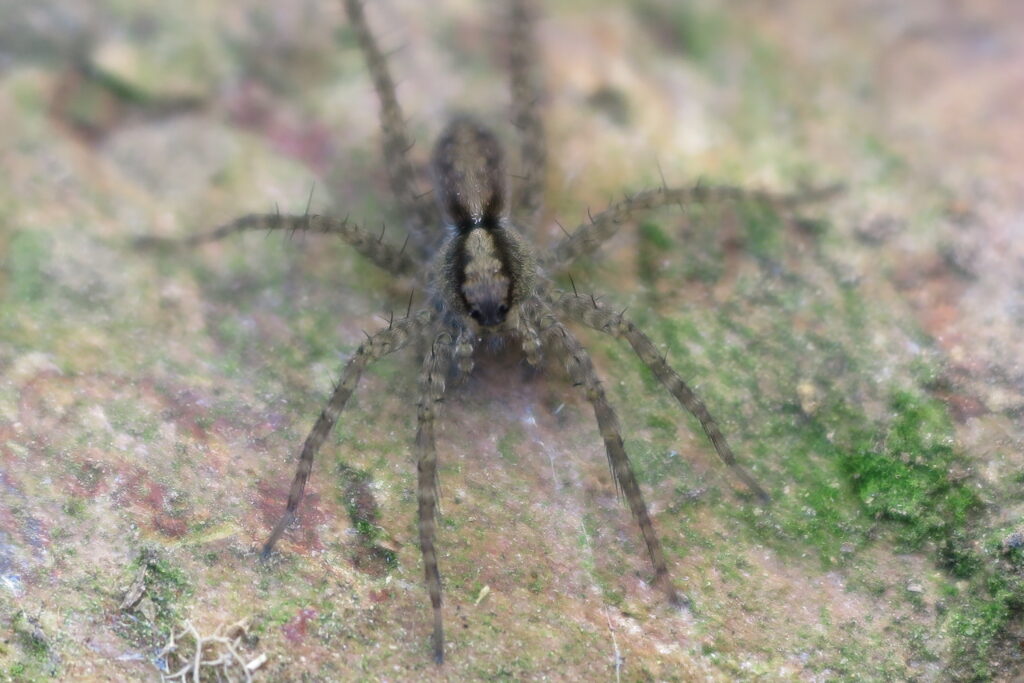
Quick Facts
Scientific Name: Lycosidae (family; includes many species)
Common Name: Wolf Spider
Location: Found worldwide, including throughout Pennsylvania and across North America
Activity Type: Primarily nocturnal, but can occasionally be active during the day
Social Behavior: Solitary; individuals live and hunt alone
Territorial Behavior: Generally non-territorial but may defend space if threatened or during mating encounters
Vocalizations: None; wolf spiders do not produce sounds but rely on vibrations and sensory cues
Migration/Seasonal Behavior: Do not migrate; activity levels decrease in colder months, often seeking shelter under rocks, logs, or within burrows to survive winter conditions
The wolf spider, a member of the Lycosidae family, is a fast-moving ground spider known for its active lifestyle and sharp awareness of its surroundings. Unlike many other spiders, it does not rely on webs to capture prey, making its behavior especially noticeable in the wild.
In Pennsylvania, wolf spiders are commonly encountered in forests, fields, and even residential areas, where they move quickly across the ground. Their presence is widespread, and their behavior often catches people off guard due to their speed and sudden movements.
Picture walking through a wooded trail in Pennsylvania at dusk, when the forest begins to quiet. Suddenly, a spider darts across the leaf litter, stopping and changing direction with precision. This quick, alert movement is a defining trait of wolf spider behavior.
Wolf Spider Behavior Overview: Movement, Activity, and General Traits
Wolf spiders are known for their active and mobile nature. Rather than remaining stationary, they constantly move through their environment with purpose. Their movement is direct and controlled, often involving quick bursts followed by sudden pauses as they assess their surroundings.
These spiders maintain moderate to high activity levels, especially during low-light conditions. While they can be seen during the day, they are most active when light levels drop, allowing them to move more freely. Their behavior reflects a balance between caution and efficiency.
Adaptability is a key feature of wolf spider behavior. They can adjust their movement and activity depending on environmental conditions, allowing them to remain effective in a variety of situations. This flexibility contributes to their widespread presence across Pennsylvania.
Overall, wolf spiders display a combination of alertness, speed, and responsiveness. Their behavior is shaped by constant awareness, enabling them to react quickly to changes in their environment without relying on webs or stationary strategies.


Wolf Spider Behavior Patterns: Movement, Territorial Actions, and Activity Cycles
Wolf spiders rely on swift, ground-based movement to navigate their surroundings. They move in short, rapid bursts and frequently change direction, making their behavior unpredictable. This movement pattern allows them to cover ground efficiently while staying aware of nearby activity.
In terms of territorial behavior, wolf spiders are generally independent and do not actively defend large areas. However, they may react defensively if another spider or animal enters their immediate space. These encounters are usually brief and involve posturing rather than prolonged conflict.
Wolf spiders do not produce vocalizations. Instead, they rely on subtle vibrations and sensory input to detect movement and potential threats. This silent form of communication is highly effective for an animal that depends on quick reactions rather than signals.
Their activity patterns are primarily nocturnal, with increased movement during evening and nighttime hours. Seasonal changes also influence their behavior, as activity tends to decrease in colder months. During these periods, they reduce movement and conserve energy.
Wolf Spider Interaction and Survival Behavior in Pennsylvania
Wolf spiders respond to threats with a combination of speed and defensive awareness. When disturbed, their first instinct is usually to flee quickly, using their agility to escape danger. If escape is not possible, they may adopt a defensive posture to deter potential threats.
Socially, wolf spiders are solitary and do not form groups. Each individual operates independently, interacting with others only when necessary. This solitary behavior reduces competition and allows them to focus entirely on their own survival.
Feeding-related behavior is centered around active pursuit rather than passive waiting. Wolf spiders move through their environment searching for opportunities, using their awareness and quick reactions to engage when needed. This approach reflects a proactive survival strategy.
Overall, wolf spider behavior is built around efficiency and awareness. From their rapid movement to their solitary nature, every aspect of their behavior supports survival in a dynamic environment. Their ability to respond quickly and adapt to changing conditions makes them one of the most effective ground-dwelling spiders in Pennsylvania.