Wildlife
Photography
Learn to capture amazing wildlife photos while respecting nature. Practical knowledge, field-tested tips, and inspiration to help you become a more mindful and skilled wildlife photographer.
Quick Start
Be Patient
Great moments take time. Stay still, observe quietly, and wait for natural behavior to unfold.
Respect Wildlife
Keep a safe distance, avoid disrupting behavior, and give every animal enough space to remain comfortable.
Use the Light
Early mornings and late afternoons provide softer light, warmer color, and more flattering shadows.
Know Your Subject
Learn common behaviors and routines so you can anticipate movement before the best moment happens.
Leave No Trace
Take only photos, stay on durable surfaces, and leave the habitat exactly as you found it.
“The more you understand nature, the more extraordinary your photos become.”
The Essentials for Extraordinary Photos
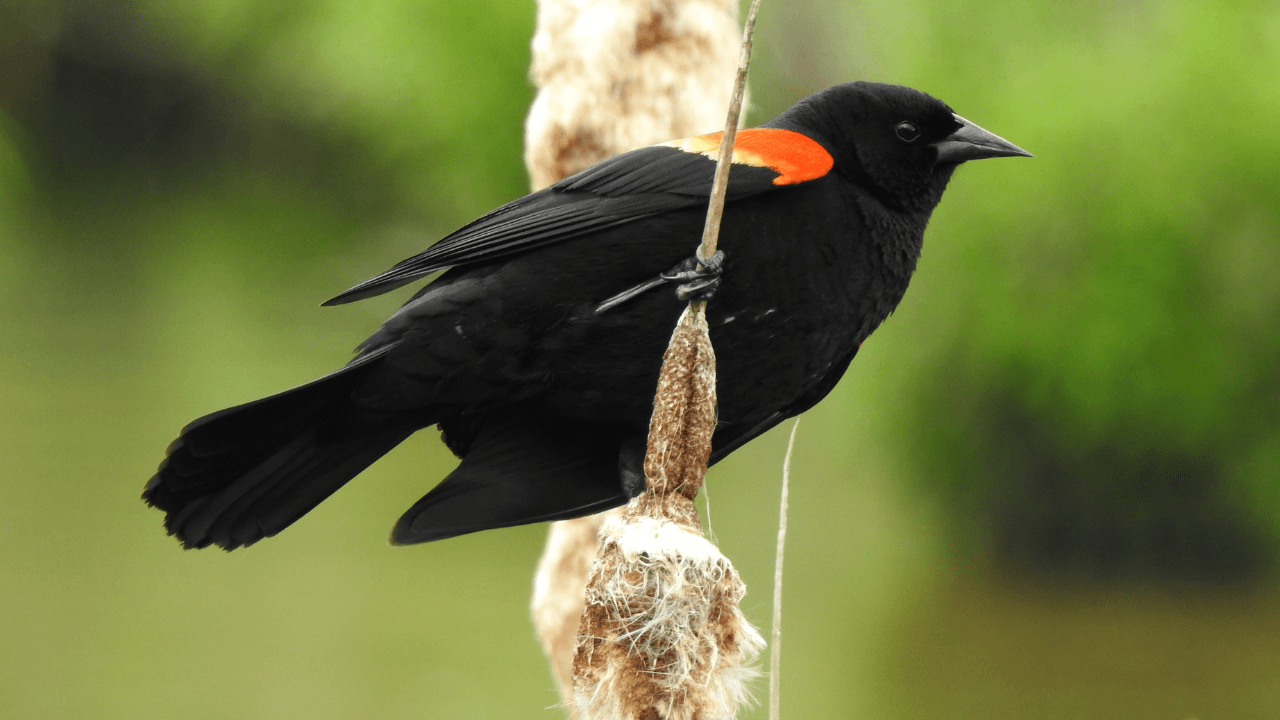
Photography Tips
- ✓Learn to observe and anticipate behavior
- ✓Focus on sharp eyes and clean backgrounds
- ✓Practice patience and spend time in the field
- ✓Look for unique perspectives
- ✓Tell a story with your images
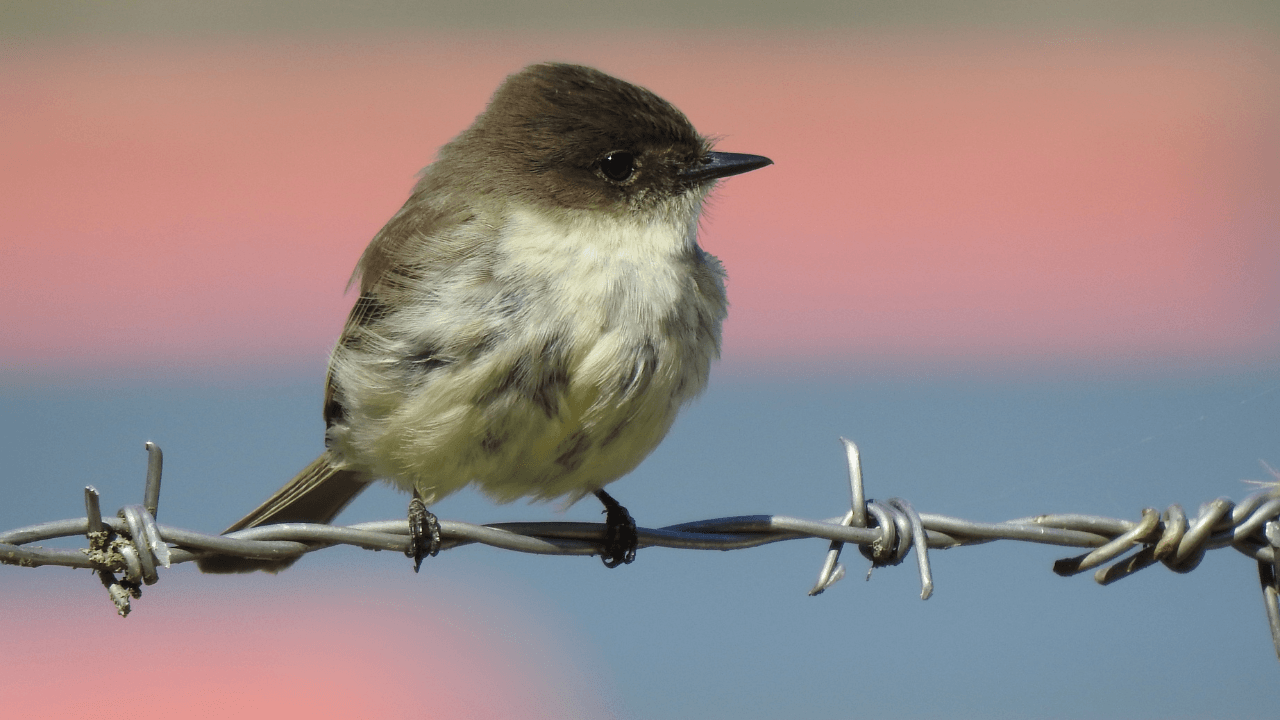
Techniques
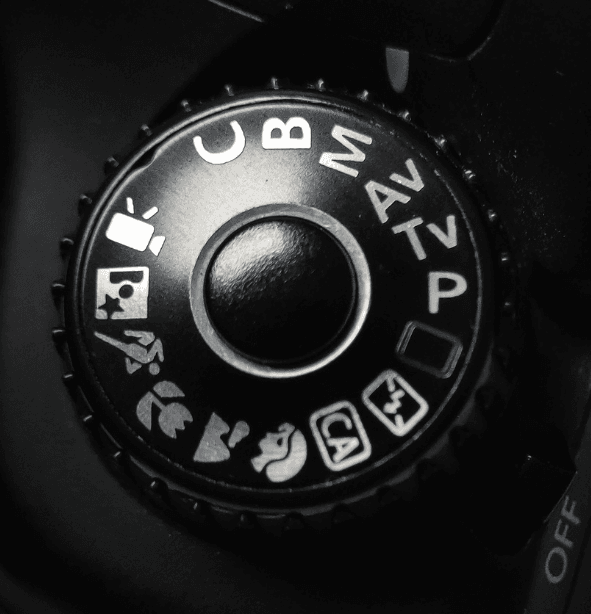
- ✓Master focus, exposure and shooting modes
- ✓Use continuous autofocus for moving subjects
- ✓Understand depth of field
- ✓Learn tracking and burst techniques
- ✓Adapt to different environments and weather

Gear & Equipment
- ✓Choose the right camera for your goals
- ✓Use telephoto lenses to keep your distance
- ✓A sturdy tripod or monopod adds stability
- ✓Bring essential accessories
- ✓Keep your kit lightweight and field-ready
Essential Knowledge for Every Wildlife Photographer
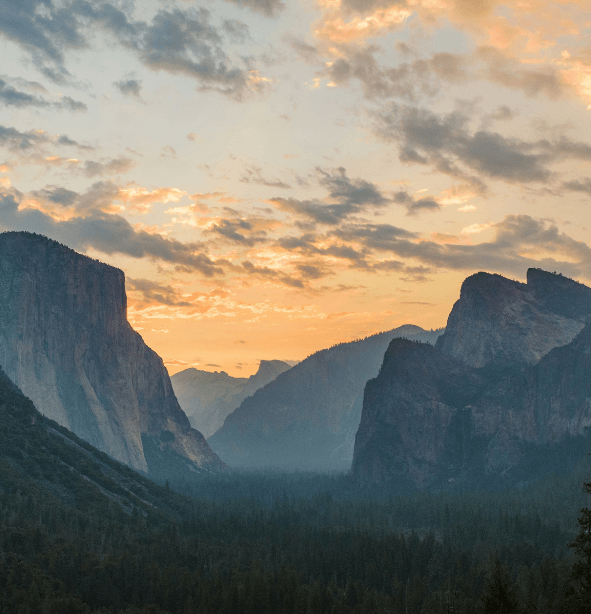
Wildlife Photography Basics
- ✓Learn about your destination and target species
- ✓Check weather, trail conditions and local regulations
- ✓Pack the right gear and spare batteries or memory cards
- ✓Plan for safety, navigation and emergency supplies
- ✓Be patient, flexible and ready for changing conditions
“Preparation leads to better photos and a safer, more enjoyable experience in the wild.”
A Solid Kit for the Field
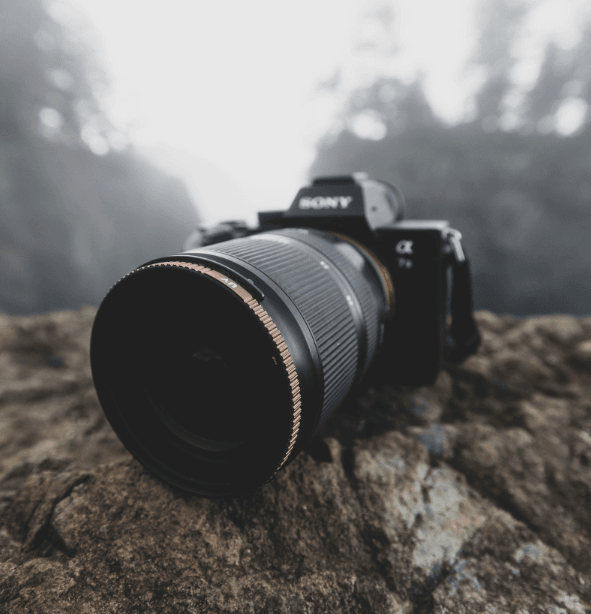
Camera
DSLR or mirrorless with good low-light performance.
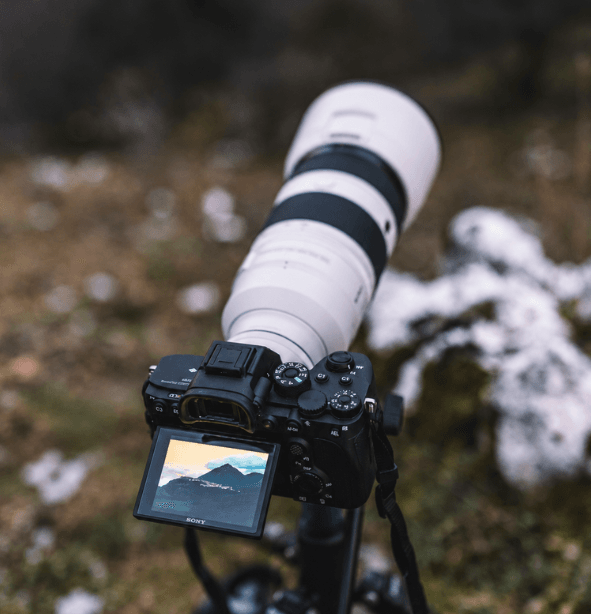
Lenses
Telephoto lenses help you get close while keeping your distance.
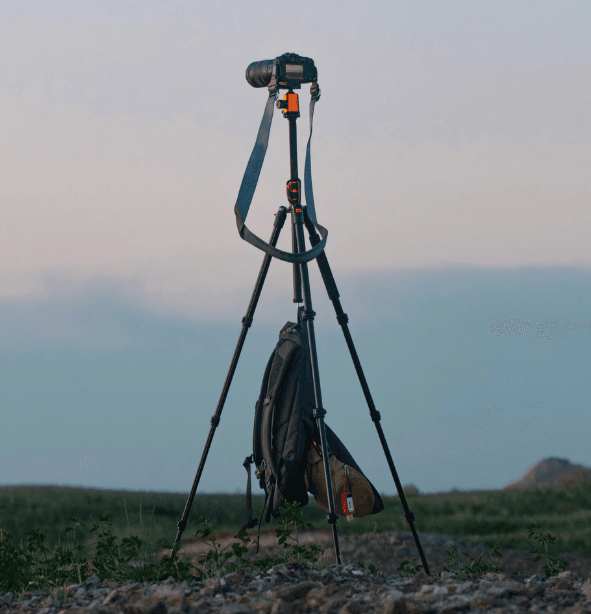
Tripod & Support
A sturdy tripod or monopod adds stability for sharper images.
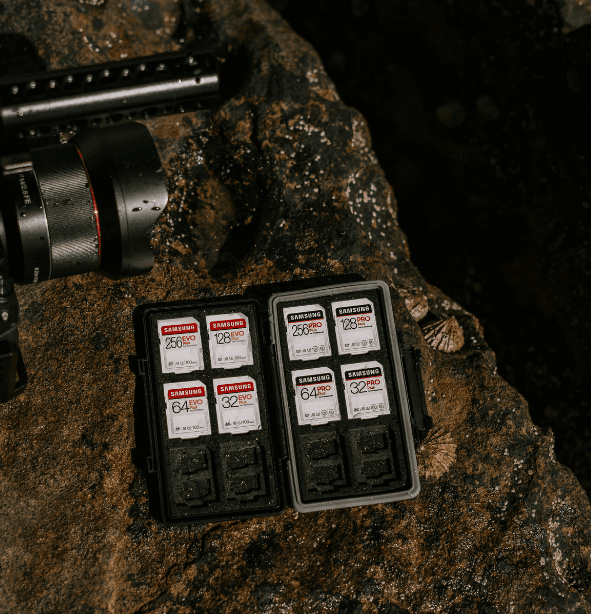
Accessories
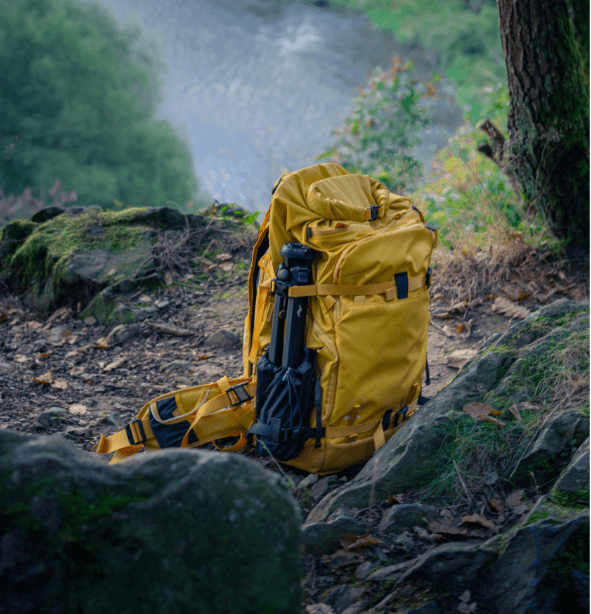
Extra batteries, memory cards, filters, rain cover and a comfortable bag.
Go outside. Slow down. Capture the moment.
Wildlife photography connects us to something bigger.
Better photos lead to a deeper appreciation for the natural world.
Through a Sharper Lens.