Field Guides
Identification tips, what to bring, safety, and practical knowledge for exploring the natural world.
Learn the field skills that help you notice more, stay prepared, document what you discover, and build more meaningful and responsible connections with wildlife and nature.
6 Essentials for the Field
A strong foundation for safer, richer and more responsible nature experiences

Learn Identification
Notice key features, ask questions, and learn about the wildlife and plants around you.

Pack Smart
Bring the right gear, supplies, and tools for your outdoor adventure.

Stay Safe
Be prepared, stay aware, and adjust to changing field conditions.

Document Encounters
Take notes, photos, and records of the wildlife and nature you discover.

Respect Wildlife
Keep your distance, observe ethically, and avoid disturbing animals.

Leave No Trace
Minimize your impact and help protect the places you explore.
The Essentials for Better Field Observation
Knowledge, gear, and mindset for meaningful encounters.


Identification Basics
Learn to notice key features such as size, shape, color, behavior, habitat, tracks, feathers, flowers, leaves, and seasonal clues.
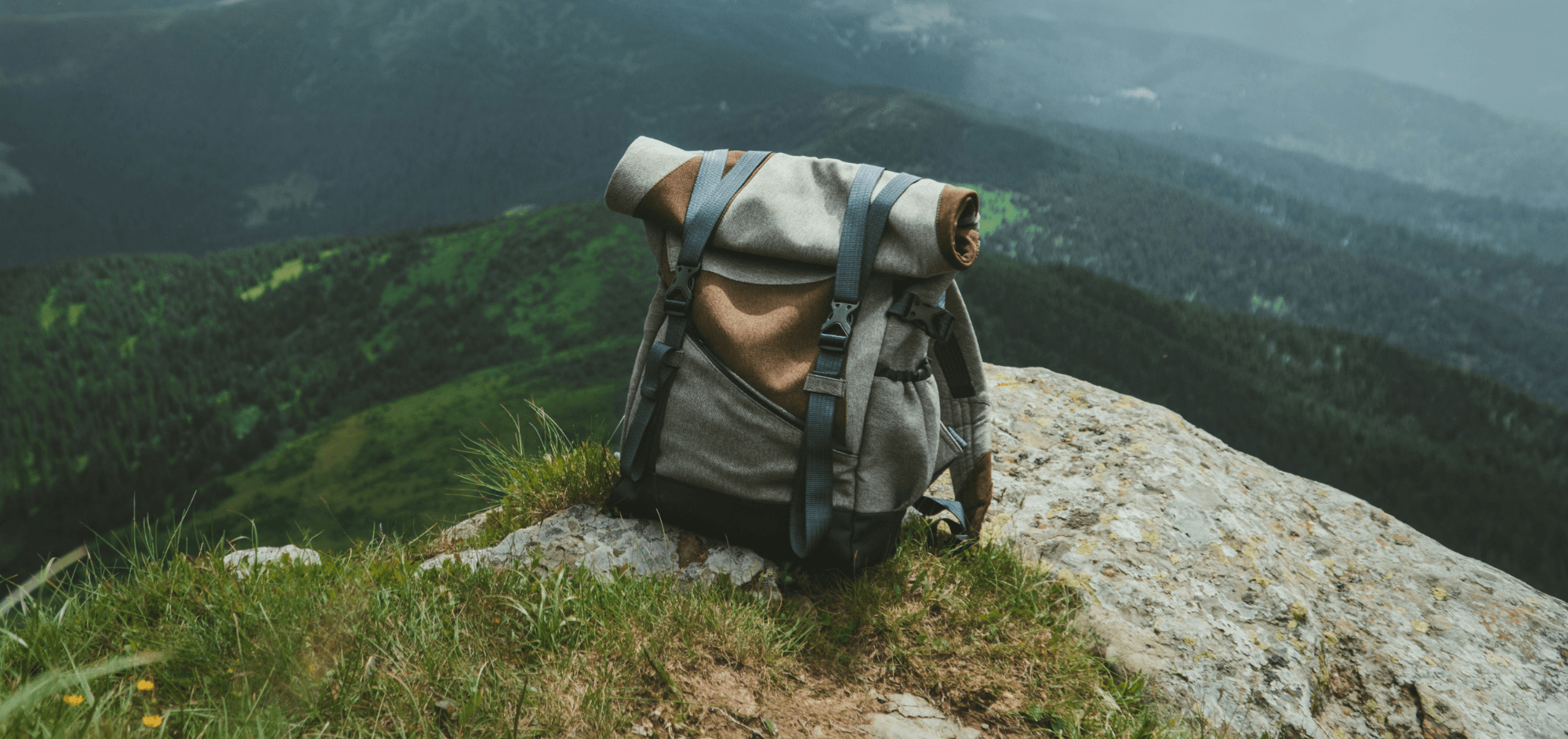
What to Bring
A field notebook, pen, water, snacks, proper footwear, weather layers, field guide, phone or GPS, camera, and binoculars.
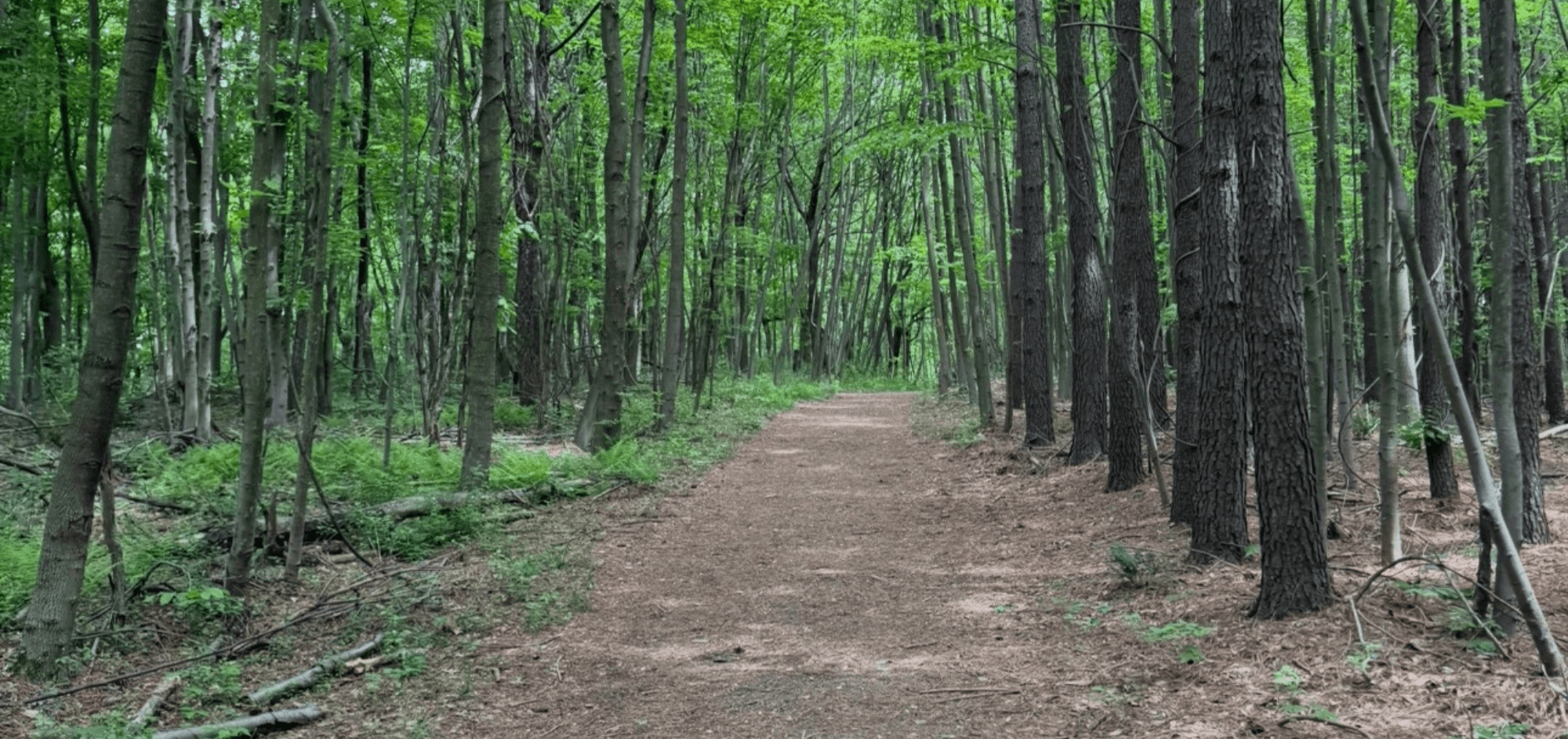
Safety & Ethics
Stay aware of your surroundings, weather, and trail conditions. Keep your distance, follow local rules, never feed wildlife, and always leave no trace.
Key Skills for the Field
Practical skills to build confidence outdoors.


Animal Clues
Learn to spot behavior, calls, feathers, fur, and other signs of wildlife.

Plant Identification
Discover common plants, trees, wildflowers, and the habitats around them.

Tracks & Signs
Identify footprints, scat, feeding signs, and other evidence in the field.
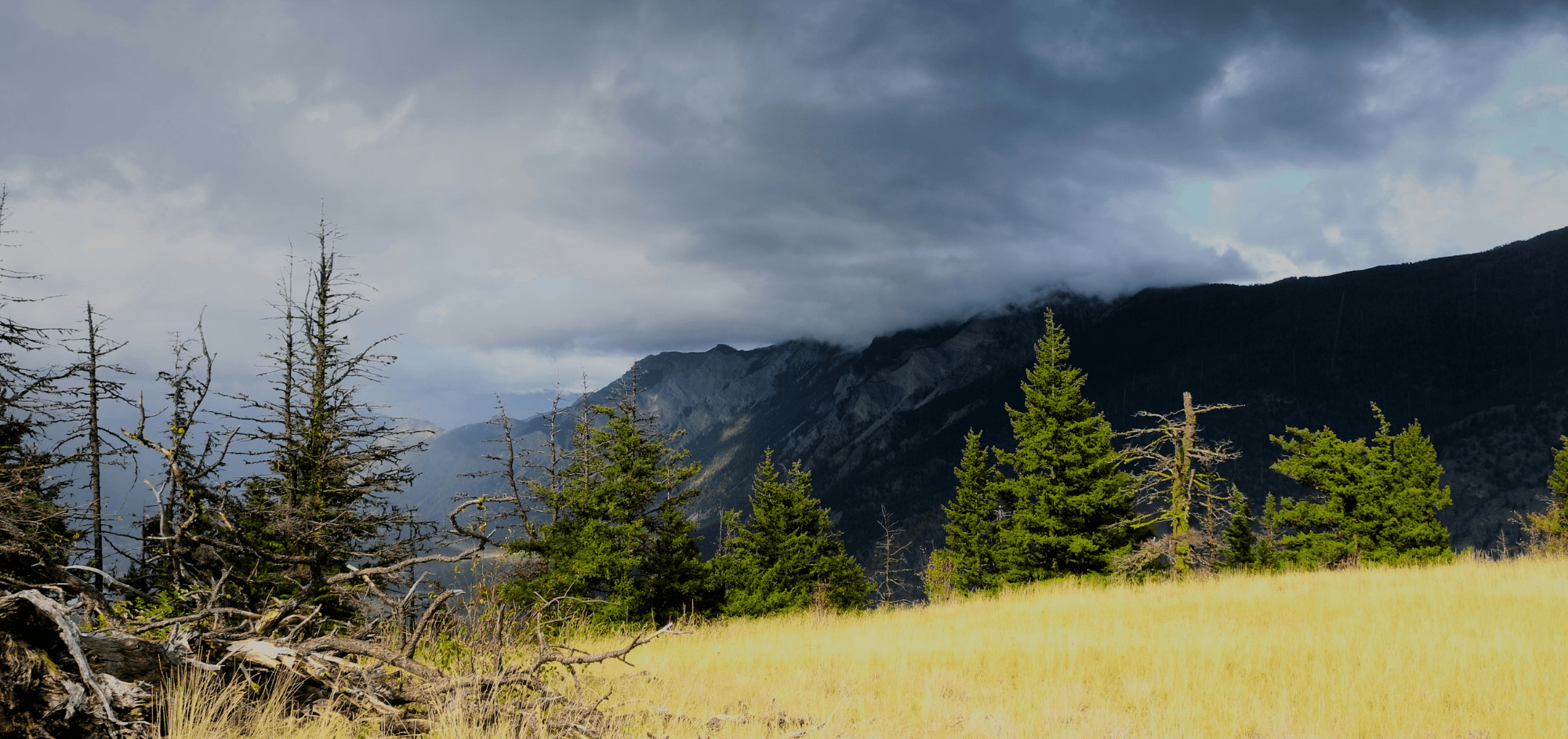

Outdoor Preparedness
Be ready for changing conditions with practical planning and wilderness skills.
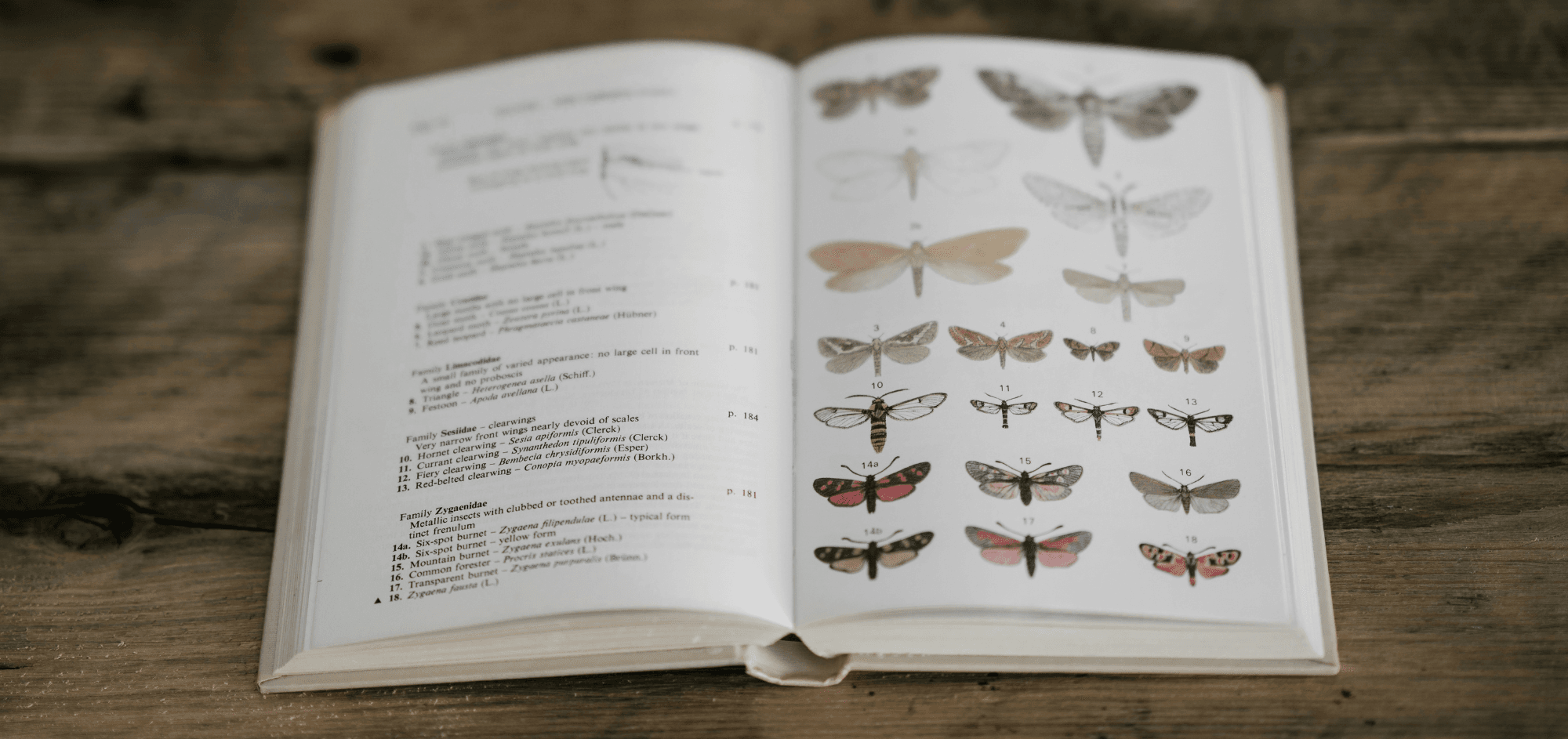

Using a Field Notebook
Capture your observations, draw sketches, and build a lasting field record.
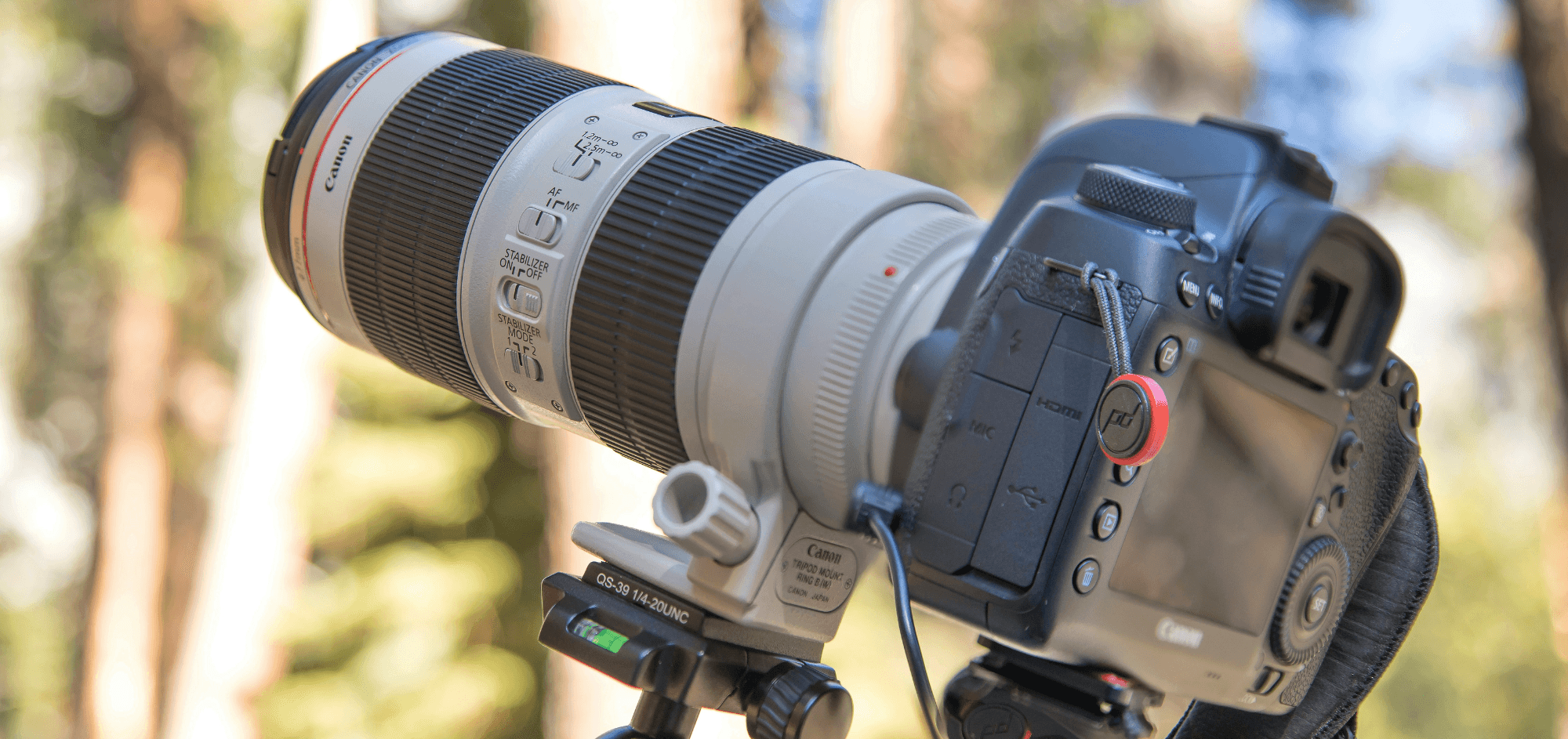
Documenting Encounters
Use photography, notes, and recordings to document discoveries responsibly.
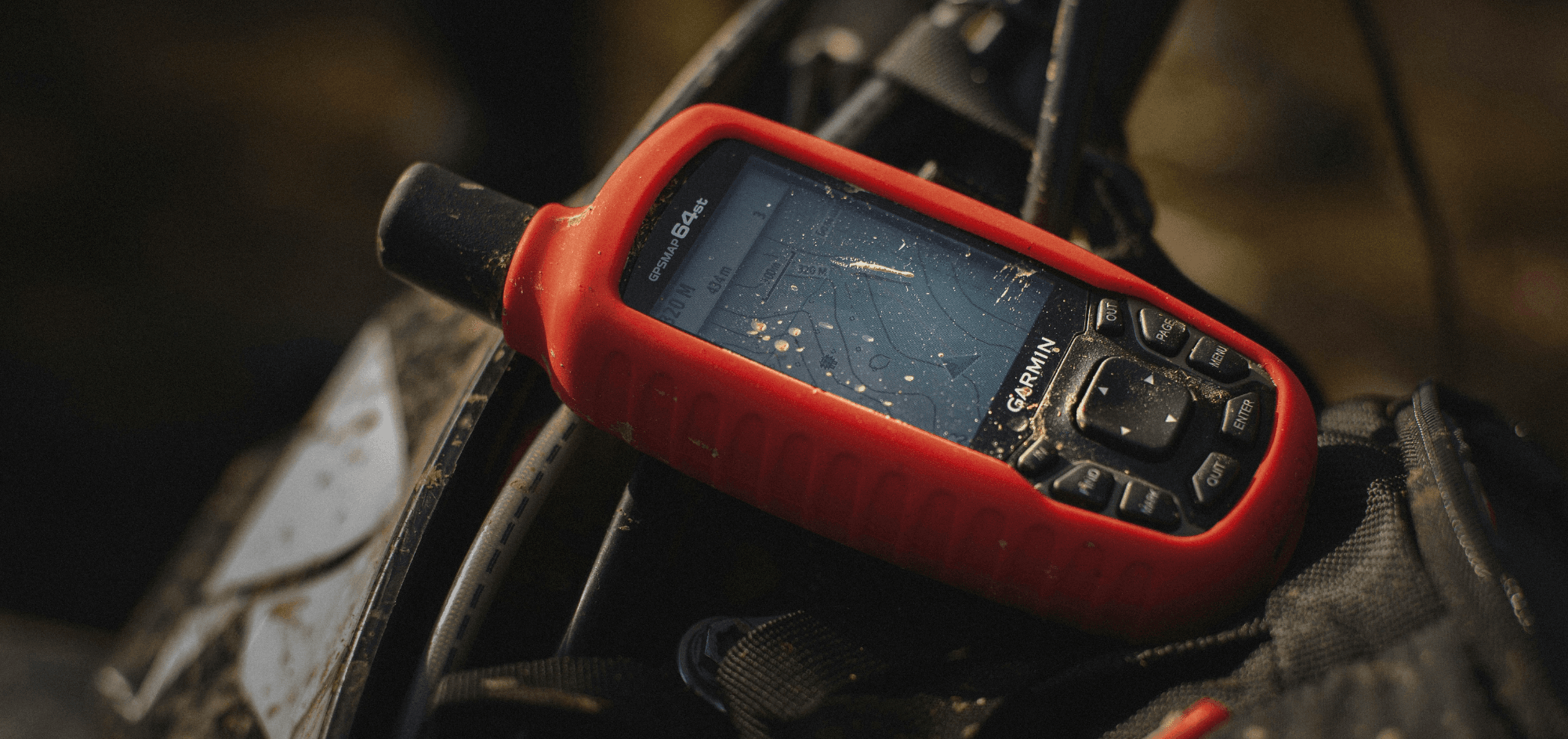

Navigation Basics
Use maps, a compass, or GPS to explore confidently and stay on track.
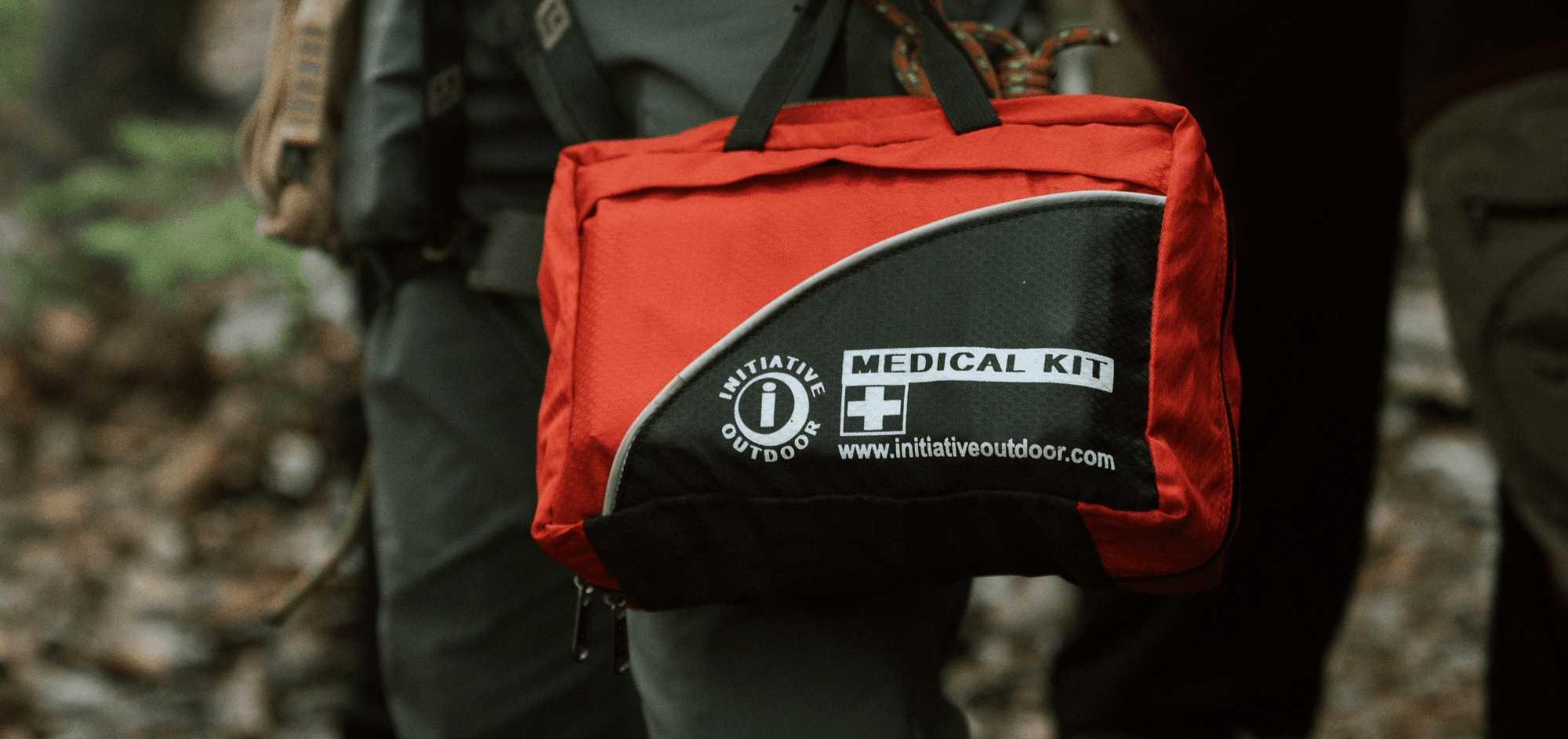

Field Safety
Understand risks, weather, wildlife awareness, and emergency preparedness.

Field Guide Basics
A quick checklist for a safer, more rewarding experience.
Before You Go
- Research your destination and wildlife.
- Check weather and trail conditions.
- Pack essential gear and supplies.
- Know local rules and regulations.
- Share your plans with someone.
In the Field
- Stay aware and observant.
- Keep a respectful distance from wildlife.
- Minimize your impact and leave no trace.
- Take notes, photos, and document what you see.
- Be prepared to adapt to changing conditions.
Essential Gear
Key items for a successful day in the field.

Binoculars
See more, notice more.
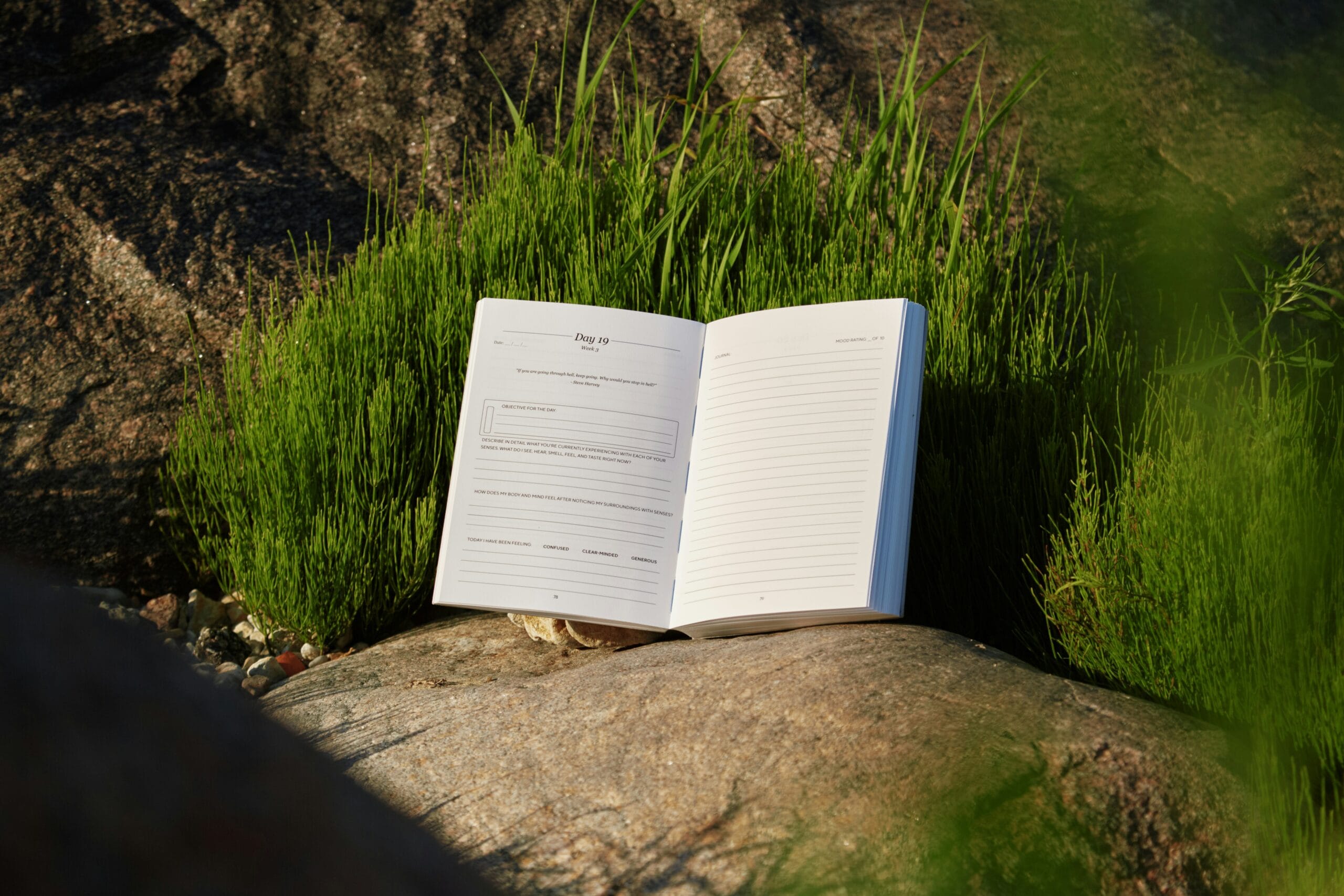
Notebook & Pen
Record your experiences.
Field Guide
Identify with confidence.
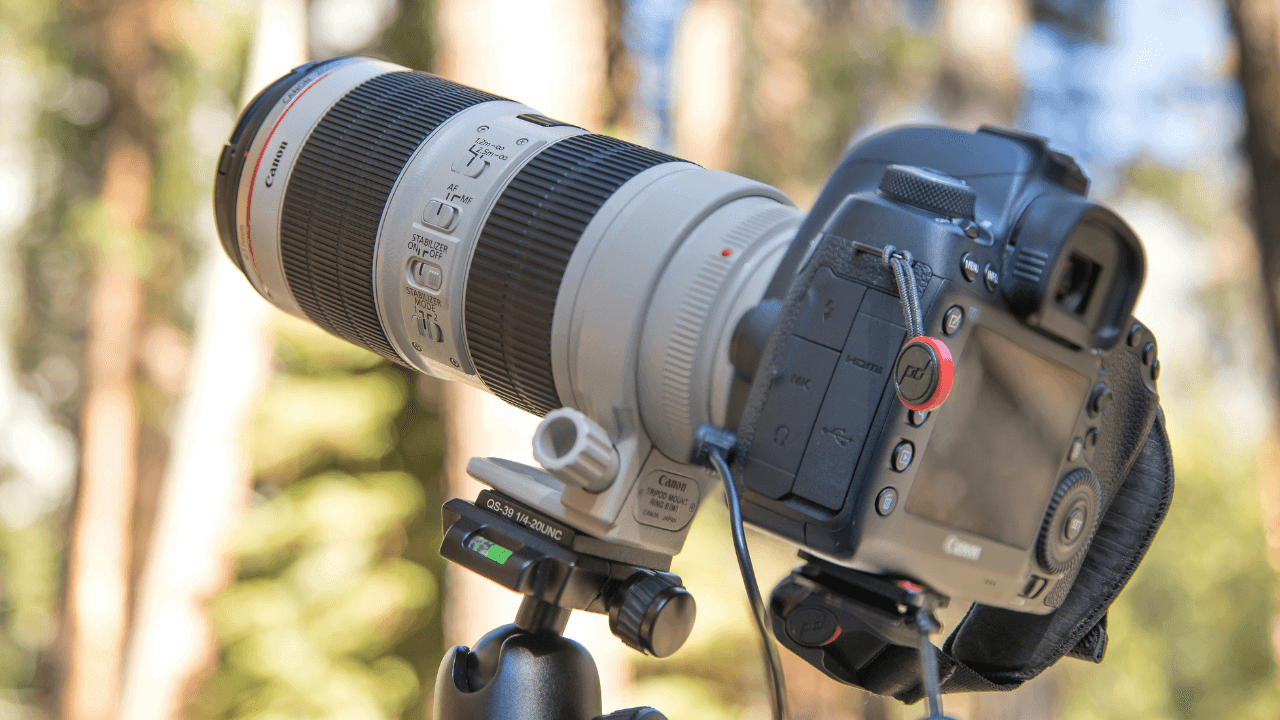
Camera / Phone
Capture the moment.
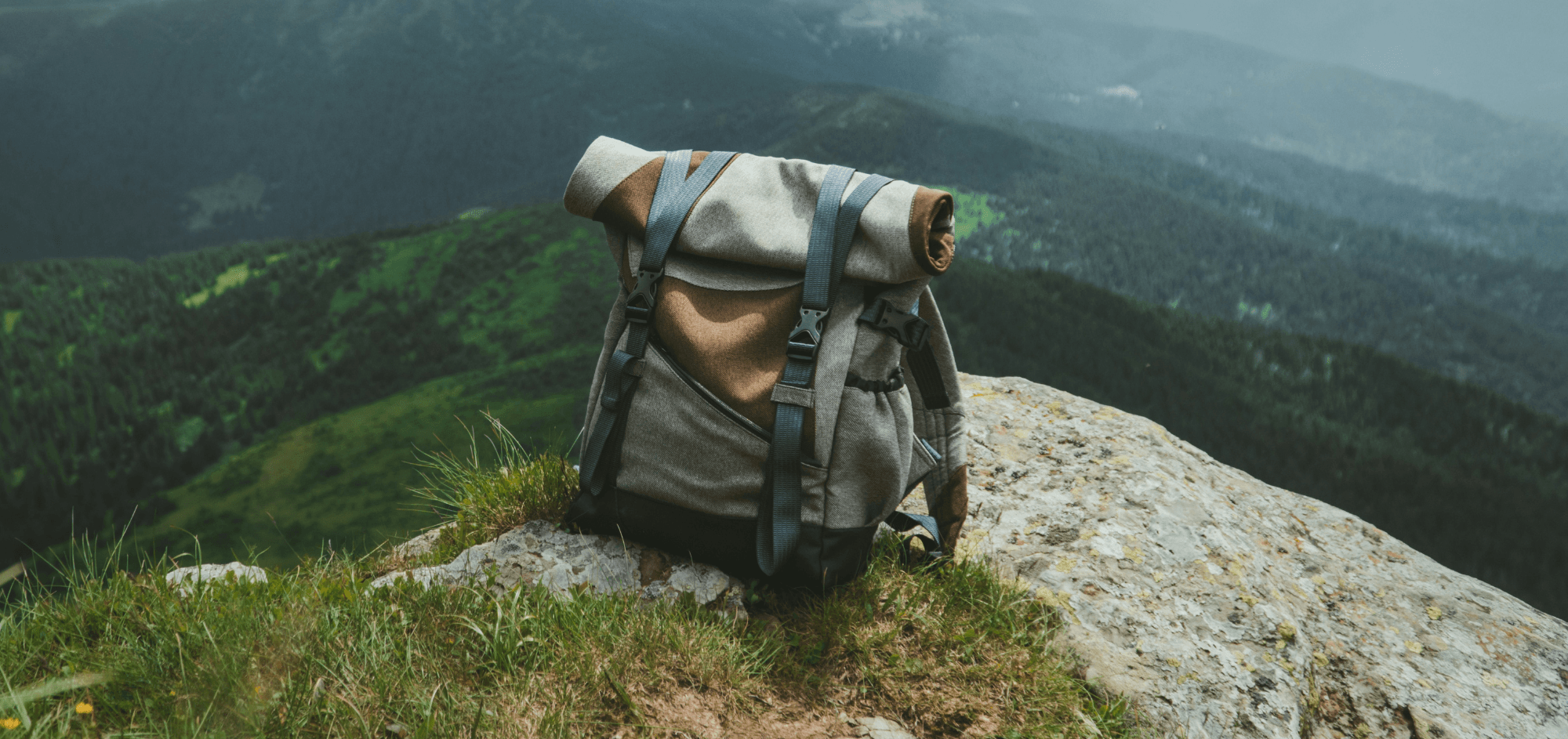
Backpack
Carry what you need.
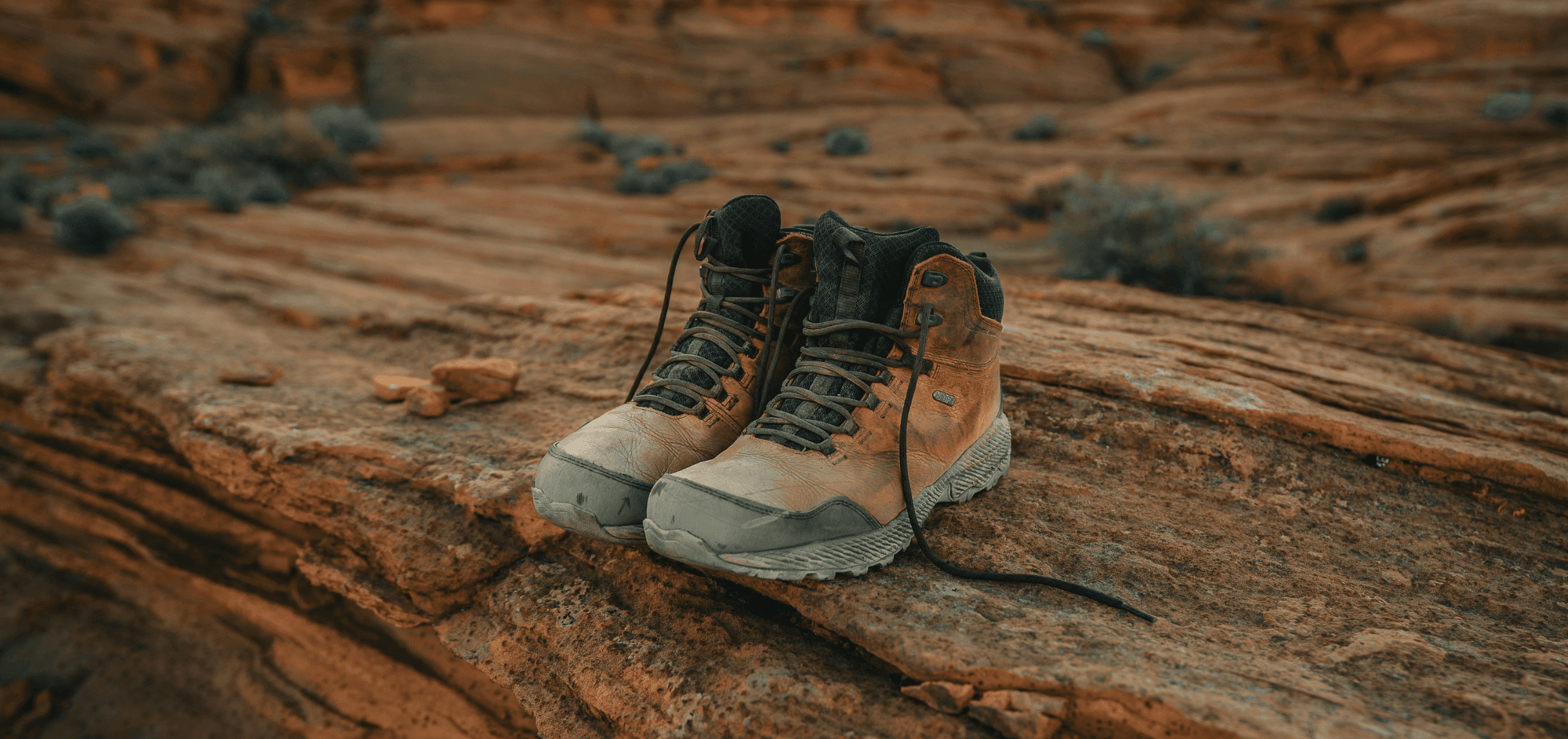
Clothing & Footwear
Be ready for the elements.
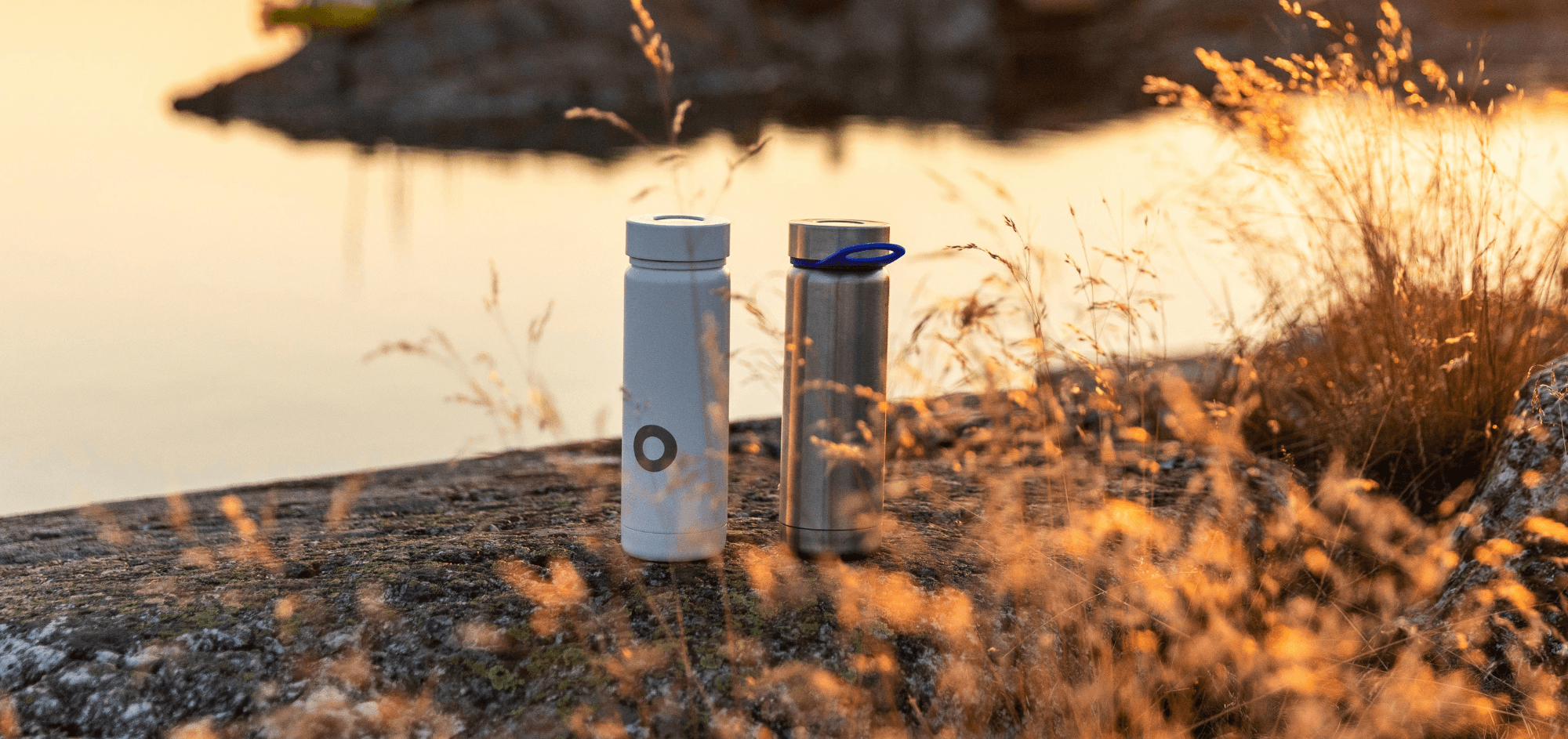
Water & Snacks
Fuel your adventure.
Go Prepared. Observe More.
Deeper encounters come from preparation, awareness, curiosity, and respect for nature.