
White-Tailed Deer Antler Fragment Variation & Condition Guide | Growth Differences, Weathering, and Physical Changes
Quick Facts
Skeletal Role: Display and Competition
Body Region: Head
Primary Function: Visual signaling, dominance displays, and sparring between bucks
Muscle Attachment: No direct muscle attachment to antler structure itself
Mobility Role: Rigid
Protection Level: Low
Joint Connection: No; attached to the skull through the pedicle during growth
Load Bearing: No
Biological Importance: Reproduction, social hierarchy, and species recognition
White-Tailed Deer Antler Fragment Natural Variation and Condition Overview
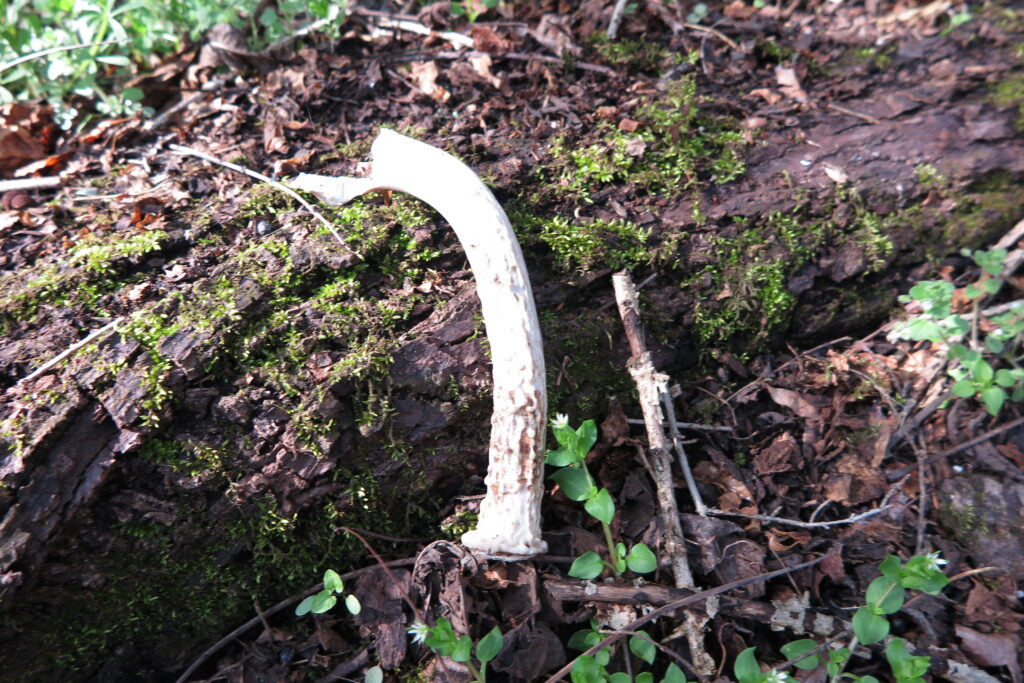
A white-tailed deer antler fragment originates from a structure unlike any other found in the mammalian skeleton. Antlers are seasonal growths produced by male deer and shed annually after the breeding season. The fragment examined here represents a surviving portion of a much larger antler that once formed part of an adult buck’s display.
White-tailed deer inhabit a broad geographic range extending across much of North America. Throughout this range, antlers vary considerably in size, shape, branching pattern, and overall appearance. These differences result from genetics, age, nutrition, environmental conditions, and individual development.
When viewed as skeletal remains, antler fragments can appear remarkably different from one another despite originating from the same species. Some fragments retain smooth surfaces and rich coloration, while others become heavily weathered and pale after years of exposure. A freshly shed antler and a decades-old fragment may look so different that they appear unrelated at first glance.
Condition also plays a major role in how antlers are identified. Breakage, animal chewing, sun exposure, moisture, and natural decomposition gradually alter their appearance over time. Understanding these variations helps explain why no two antler fragments are exactly alike, even when they come from deer living in the same region.
White-Tailed Deer Antler Fragment Size, Shape, and Growth Variation
Antler variation begins long before a fragment reaches the forest floor. Individual bucks produce antlers that differ in overall dimensions, tine count, beam thickness, and curvature. These differences become visible in the fragments that remain after shedding, breakage, or long-term weathering.
Younger bucks often grow relatively simple antlers with fewer branches and lighter construction. Mature individuals frequently develop thicker beams, longer tines, and more complex branching patterns. As a result, fragments from older animals tend to appear more robust than those originating from younger deer.
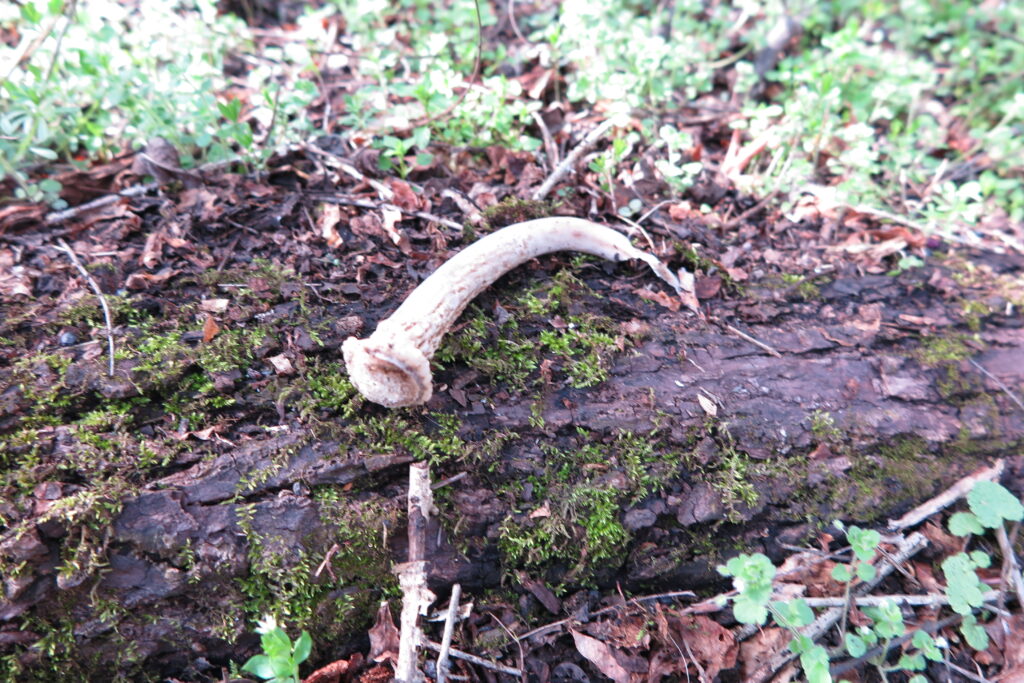
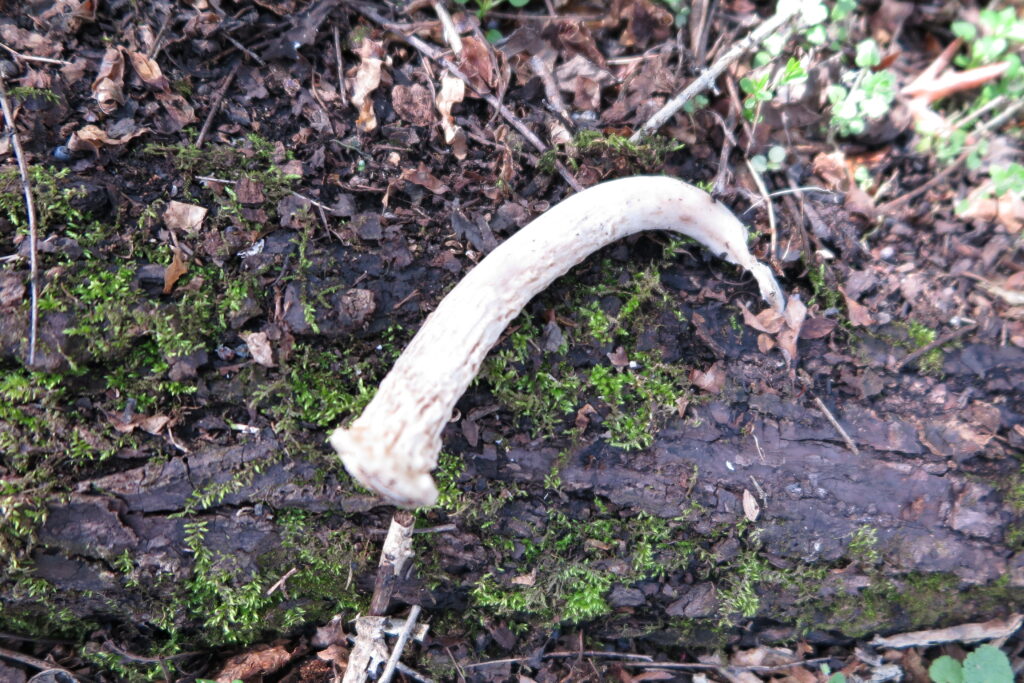
The section of antler represented by a fragment also influences its appearance. A piece from the main beam may resemble a curved handle or section of driftwood, while a tine fragment can appear more spike-like and narrow. Fragments containing portions of the burr often display a rough, ring-shaped landmark that immediately separates them from other sections.
Environmental factors further contribute to variation. Deer living in regions with abundant nutrition often develop larger antlers than individuals occupying less productive habitats. Because of this, fragments recovered from different locations can show noticeable differences in thickness, density, and overall proportions despite belonging to the same species.
White-Tailed Deer Antler Fragment Condition and Physical Changes Over Time
Once shed, antlers begin a gradual transformation driven by natural weathering processes. Fresh antlers typically retain darker coloration and smoother surfaces, reflecting their recent separation from the animal. At this stage, fine details remain clearly visible across the exterior.
As months and years pass, sunlight slowly bleaches the outer surface. Rich brown and tan tones fade into lighter shades of gray, cream, or white. This color change is often one of the earliest indicators that an antler has remained exposed for an extended period.
Physical wear becomes increasingly evident with prolonged exposure. Small cracks may develop, edges become rounded, and the surface texture grows rougher. The fragment shown here exhibits several of these characteristics, including weathered grooves and worn fracture surfaces that suggest considerable time outdoors.
Animal activity can dramatically alter condition as well. Rodents frequently chew antlers to obtain minerals and maintain tooth growth, leaving behind distinctive scrape marks and irregular grooves. These modifications often create a unique appearance that differs substantially from the antler’s original condition, making each weathered specimen a record of its environmental history.
White-Tailed Deer Antler Fragment Weathering Patterns and Preservation Differences
Not all antler fragments weather at the same rate. Local conditions strongly influence how quickly physical changes occur after shedding. Moisture levels, temperature fluctuations, sunlight exposure, and soil chemistry all contribute to the pace of deterioration.
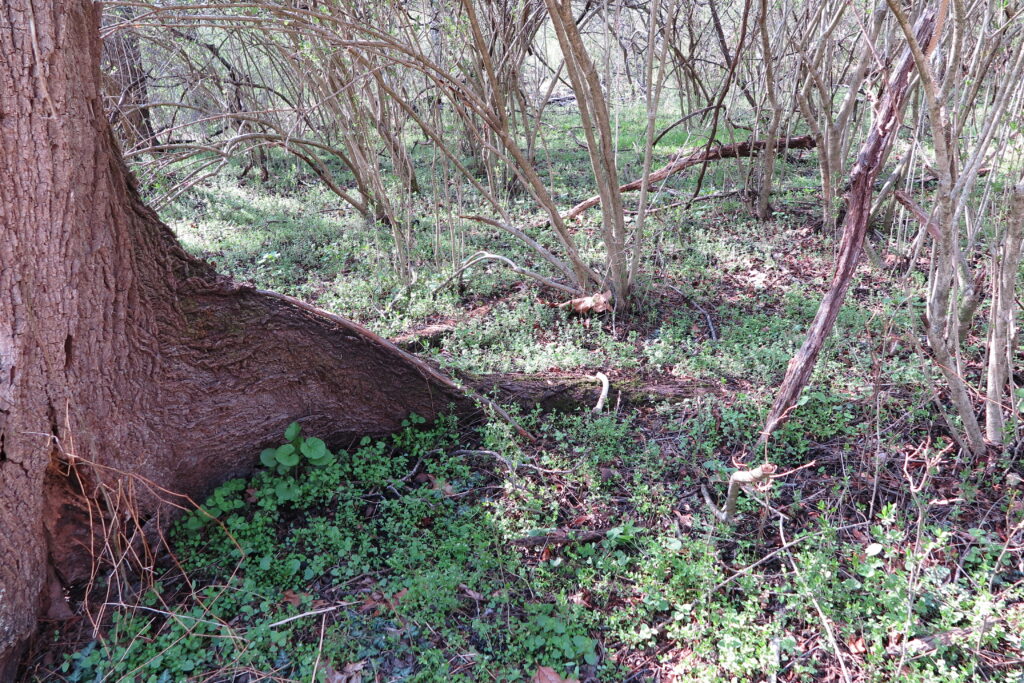
Fragments resting in shaded woodland environments often preserve surface details longer than those exposed to direct sunlight in open areas. A specimen lying beneath dense forest canopy may retain visible texture for years, while one exposed in a field can become noticeably bleached and worn in a shorter period. These differences create distinct preservation patterns across landscapes.
Water exposure introduces additional variation. Antlers located near streams, seasonal wetlands, or drainage channels may experience staining, erosion, or mineral deposits. In some cases, moving water can smooth rough surfaces much like a river gradually polishes stones. These effects produce appearances rarely observed in fragments found on dry ground.
Even heavily weathered specimens often remain recognizable because antler material is remarkably durable. The visible burr, beam curvature, and characteristic grooves can persist long after coloration has faded and surfaces have become worn. For wildlife observers and bone collectors, these surviving features provide valuable clues that allow identification even when a fragment has endured years of environmental change.
Popular Searches About Deer Antler Fragments
Explore Deer Antler Fragment Guide
Explore More Bones

Support Encounters World
Help support wildlife photography and get behind the scenes discoveries on Patreon.