
Calligrapher Fly (Toxomerus sp.) Overview: Appearance, Range, Characteristics, and Ecological Importance
Quick Facts
Scientific Name: Toxomerus sp.
Common Name: Calligrapher Fly
Location: North America, Central America, and South America
Average Size: 0.2–0.5 inches (5–13 mm)
Lifespan: Several weeks to a few months as an adult
Global Range: Southern Canada through much of South America
Conservation Status: Not Evaluated
Notable Feature: Intricate yellow-and-black markings that resemble writing or calligraphy
Location Observed: Pennsylvania, USA
Field Observation
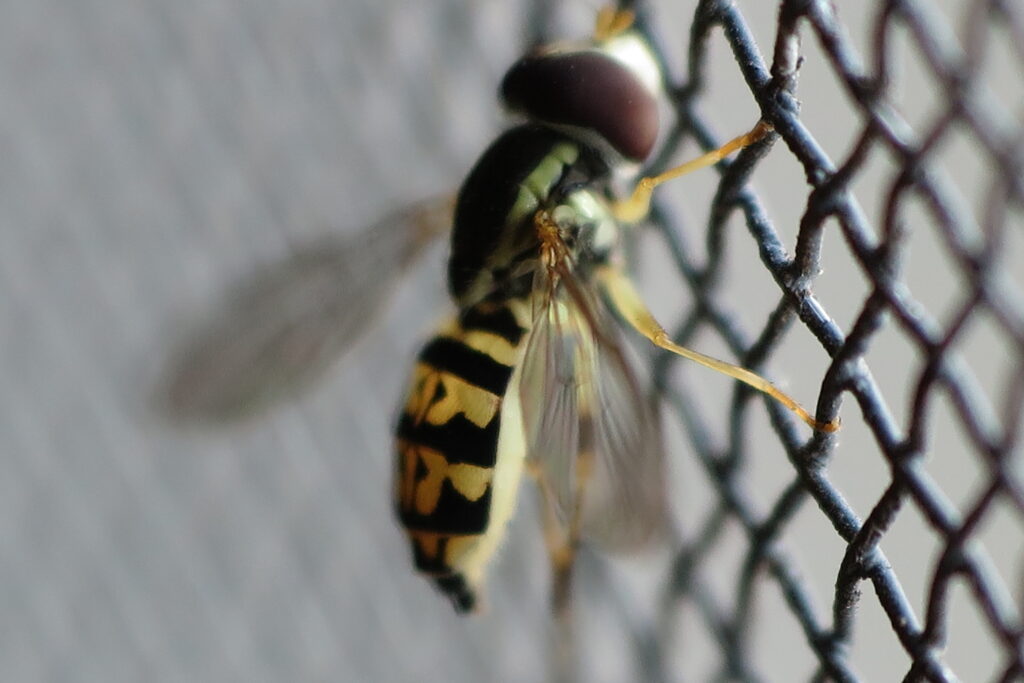
During my observation, this calligrapher fly spent most of its time in motion, making short flights and frequently changing position. After several passes through the area, it landed on a nearby surface and remained completely still for a period of time before resuming its activity. This contrast between constant movement and brief resting periods highlighted the alert and energetic nature of the species.
Introduction to the Calligrapher Fly and Its Widespread Range
The calligrapher fly (Toxomerus sp.) is a small but visually striking member of the hoverfly family. Despite its modest size, this insect often attracts attention because of its bold yellow-and-black markings that resemble those of a wasp. These patterns, combined with its active presence around flowering areas, make it one of the more recognizable hoverflies in the Americas.
Species within the genus Toxomerus occur across a remarkably large geographic range. They can be found throughout much of North America, extend through Central America, and continue into many regions of South America. Their ability to occupy such a broad area has allowed them to become familiar insects in both urban and rural landscapes.
Unlike many insects that remain unnoticed unless specifically searched for, calligrapher flies are often encountered during everyday outdoor activities. They may be seen resting on leaves, visiting flowers, or briefly landing on fences, garden structures, and other sunlit surfaces. Their frequent visibility has led many people to recognize them, even if they do not know their name.
The common name “calligrapher fly” originates from the decorative markings found on the abdomen. These markings can resemble handwritten strokes, symbols, or artistic patterns painted across the body. The effect is so distinctive that many observers immediately notice the insect’s appearance before recognizing any other feature.
Although individual species may differ slightly in coloration and pattern arrangement, they share a similar overall appearance. This consistency helps naturalists group them within the same genus while still appreciating the subtle differences that exist among species. As a result, calligrapher flies have become popular subjects for wildlife photographers and insect enthusiasts interested in documenting small but visually impressive organisms.
Calligrapher Fly Appearance and Distinctive Visual Features
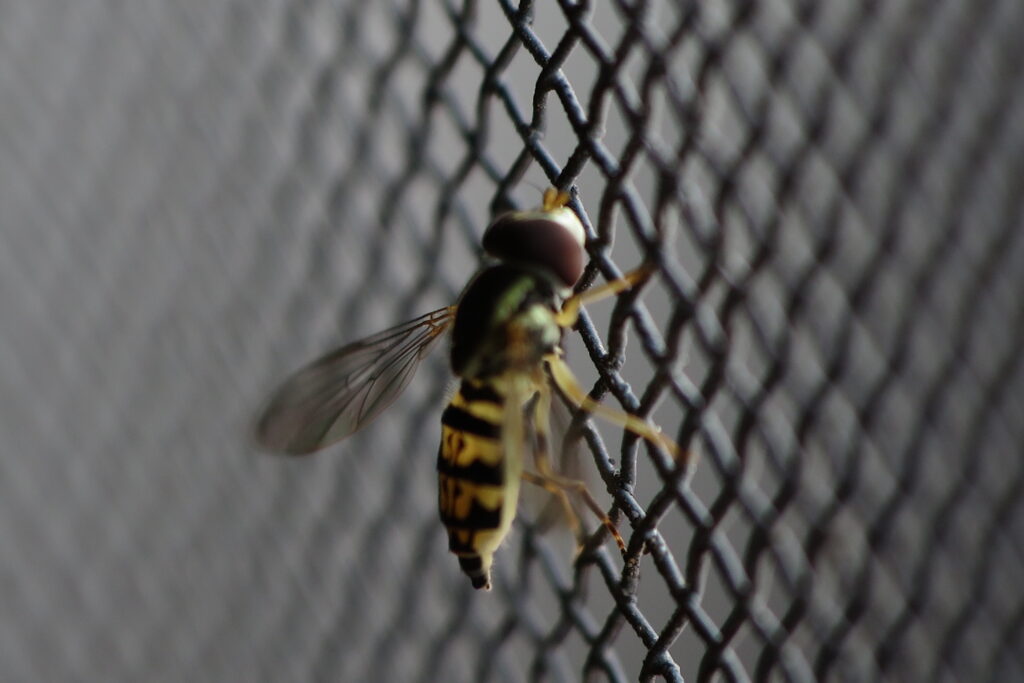
One of the most remarkable aspects of the calligrapher fly is its appearance. The body is typically slender and compact, displaying bright yellow markings against a darker background. These contrasting colors create a striking visual effect that makes the insect stand out despite its small size.
Most individuals are relatively tiny, often measuring less than half an inch long. To someone unfamiliar with insects, a calligrapher fly may appear about the size of a grain of rice or a small section of a paperclip. While small, its bold patterning gives it a much larger visual presence than its actual dimensions would suggest.
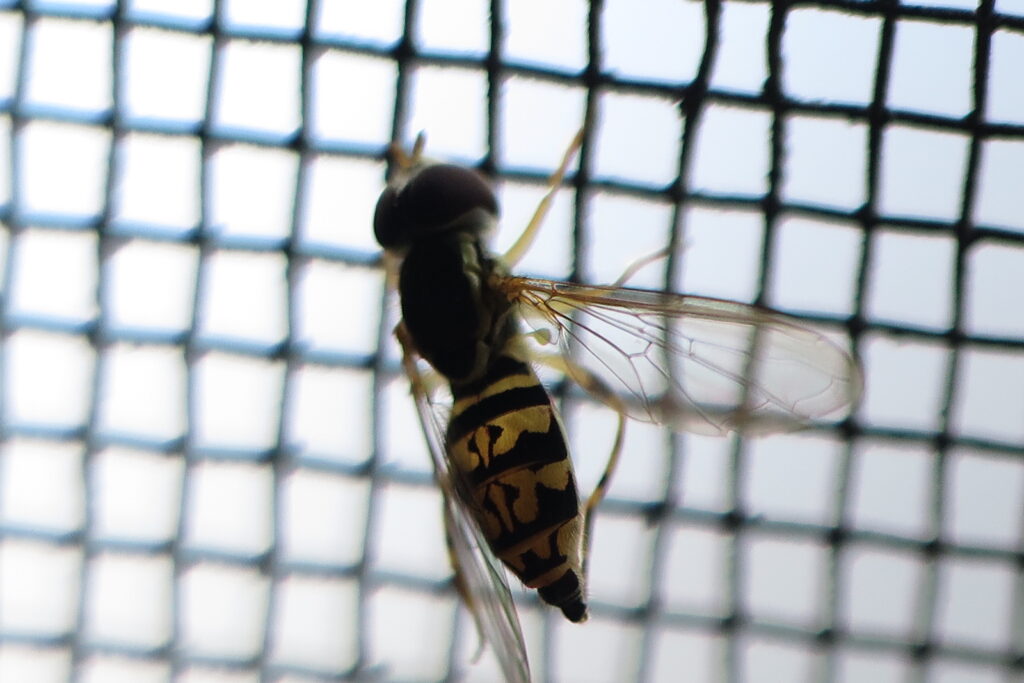
The abdomen is the feature that usually captures the most attention. Instead of simple stripes, many calligrapher flies possess curved, looping, or segmented markings that resemble artistic brush strokes. These intricate designs are responsible for the insect’s memorable common name and help distinguish it from many other hoverflies.
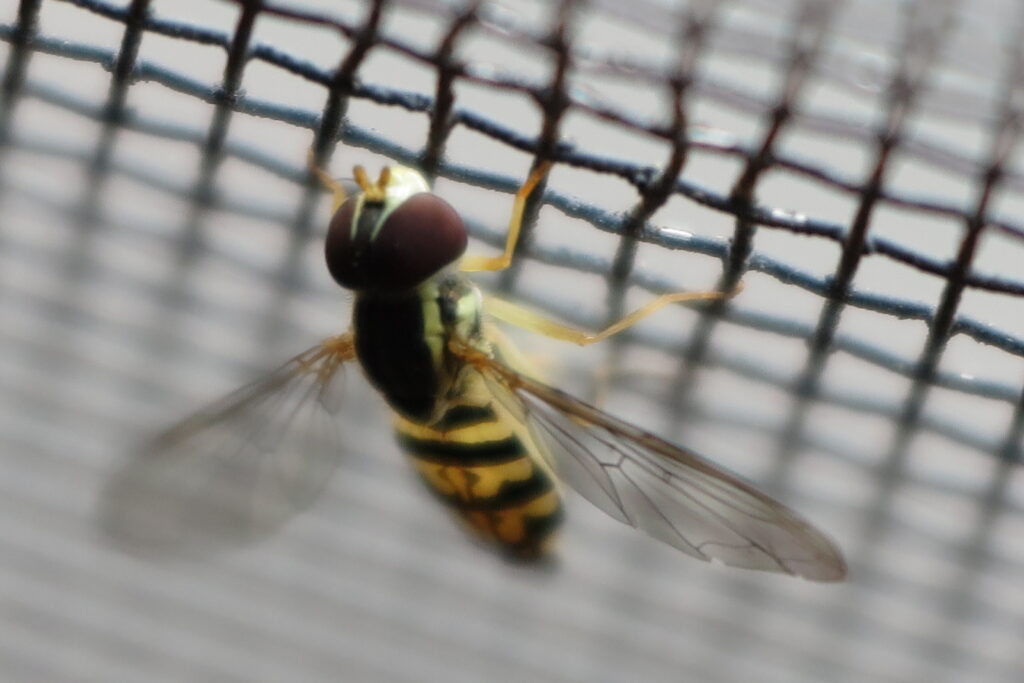
Large compound eyes dominate the head and contribute significantly to the fly’s overall appearance. Depending on lighting conditions, the eyes may appear dark brown, reddish, or nearly black. When viewed up close, the head often appears proportionally larger than expected, giving the insect a distinctive profile.
Color intensity can vary between individuals and species. Some display vivid yellow markings with sharp contrast, while others exhibit softer cream-colored patterns. Regardless of variation, the combination of bold coloration, patterned abdomen, and oversized eyes creates an insect that is both attractive and instantly recognizable.
The overall form of the calligrapher fly also contributes to its appeal. Its body appears streamlined and balanced, with transparent wings extending neatly from the thorax. Together, these features create an elegant appearance that differs noticeably from many bulkier insects encountered in similar environments.
General Characteristics That Make the Calligrapher Fly Unique
The calligrapher fly possesses several characteristics that set it apart from other small insects. Perhaps the most obvious is its resemblance to stinging species such as yellowjackets and certain wasps. At first glance, many people assume they are observing a potentially dangerous insect rather than a harmless hoverfly.
This resemblance is enhanced by the fly’s coloration and body proportions. The alternating dark and yellow markings create a visual warning pattern similar to that found in many stinging insects. As a result, predators and people alike may hesitate before approaching closely.
Despite these similarities, important differences become apparent upon closer examination. Calligrapher flies possess only a single pair of wings, which is a defining feature of true flies. Bees and wasps have two pairs of wings, making this distinction one of the easiest ways to separate them when conditions allow detailed observation.
Another defining characteristic is the decorative patterning found on the abdomen. Rather than displaying simple stripes, many species exhibit markings that resemble handwritten characters or stylized artwork. Few insects possess such intricate natural designs, making the genus especially interesting to photographers and naturalists.
The large eyes also contribute to the fly’s unique identity. Compared to the overall size of the body, the eyes occupy a substantial portion of the head. This feature creates a distinctive facial appearance that differs significantly from that of bees, wasps, and many other common insects.
Viewed as a whole, the calligrapher fly combines several unusual traits into a single package. Artistic abdominal markings, oversized eyes, streamlined proportions, and convincing mimicry all contribute to an insect that is far more distinctive than its small size might suggest.
Ecological Importance of the Calligrapher Fly in Natural Ecosystems
Although tiny, calligrapher flies play a meaningful role in maintaining ecological balance. Like countless other insects, they are woven into complex food webs that connect plants, animals, and microorganisms throughout natural environments. Their presence helps support the diversity and stability of these interconnected systems.
Many animals rely on small insects as part of broader ecological networks. Birds, spiders, amphibians, reptiles, and predatory insects may all interact with calligrapher flies at some stage. These relationships help move energy through ecosystems and contribute to healthy wildlife communities.
The widespread distribution of the genus means that its ecological influence extends across an enormous geographic area. From suburban gardens to open meadows and agricultural landscapes, calligrapher flies contribute to the overall biodiversity of the environments they occupy. Their continued presence is often a sign of functioning insect communities.
Insects frequently serve as indicators of environmental quality, and hoverflies are no exception. Areas that support diverse insect populations often provide resources that benefit many forms of wildlife. As part of these communities, calligrapher flies contribute to the richness and resilience of local ecosystems.
The ecological value of the genus extends beyond any single species. Toxomerus flies represent one component of a much larger network of organisms that collectively sustain natural processes. Removing even small contributors from these systems can create effects that ripple throughout food webs and habitats.
While they may be overlooked because of their size, calligrapher flies demonstrate how seemingly minor organisms can have significant ecological importance. Their presence supports biodiversity, contributes to environmental stability, and helps maintain the complex interactions that allow ecosystems to function effectively.
Observation Location
Observed in York, Pennsylvania, USA
Popular Searches About Calligrapher Flies
Explore Calligrapher Fly Guide
Explore More Wildlife

Support Encounters World
Help support wildlife photography and get behind the scenes discoveries on Patreon.