
Calligrapher Fly Behavior: Activity Patterns, Movement, and Survival Strategies
Quick Facts
Activity Type: Diurnal (active during daylight)
Social Structure: Solitary
Territorial Behavior: Generally non-territorial
Movement Style: Agile hovering and short rapid flights
Communication Method: Visual signals and close-range interactions
Defense Strategy: Wasp mimicry and rapid escape flight
Observing Calligrapher Fly Behavior in the Wild
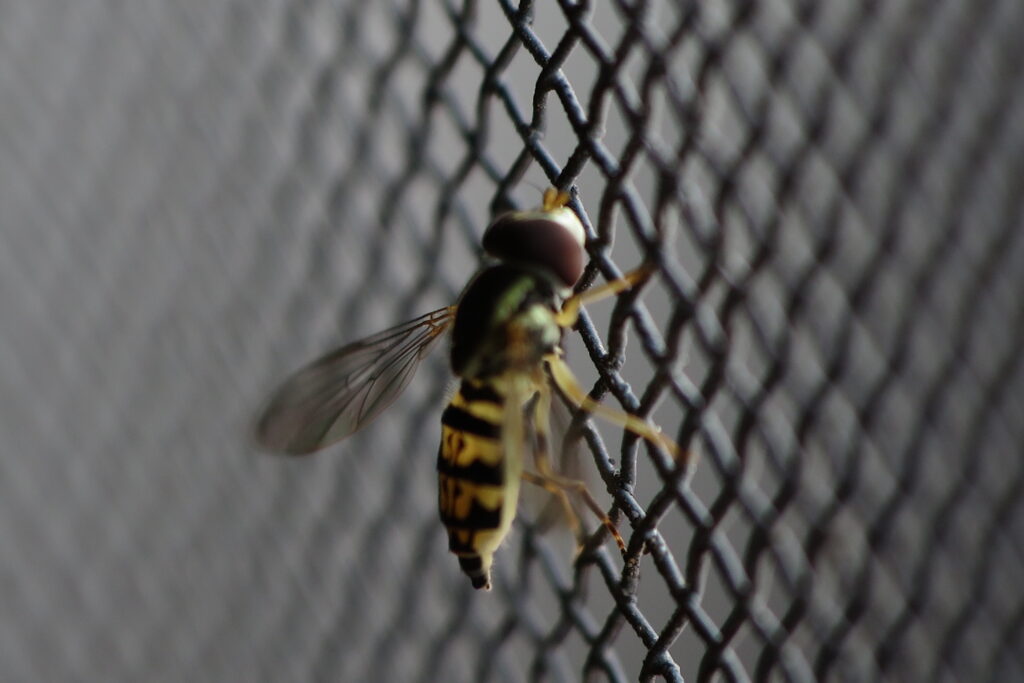
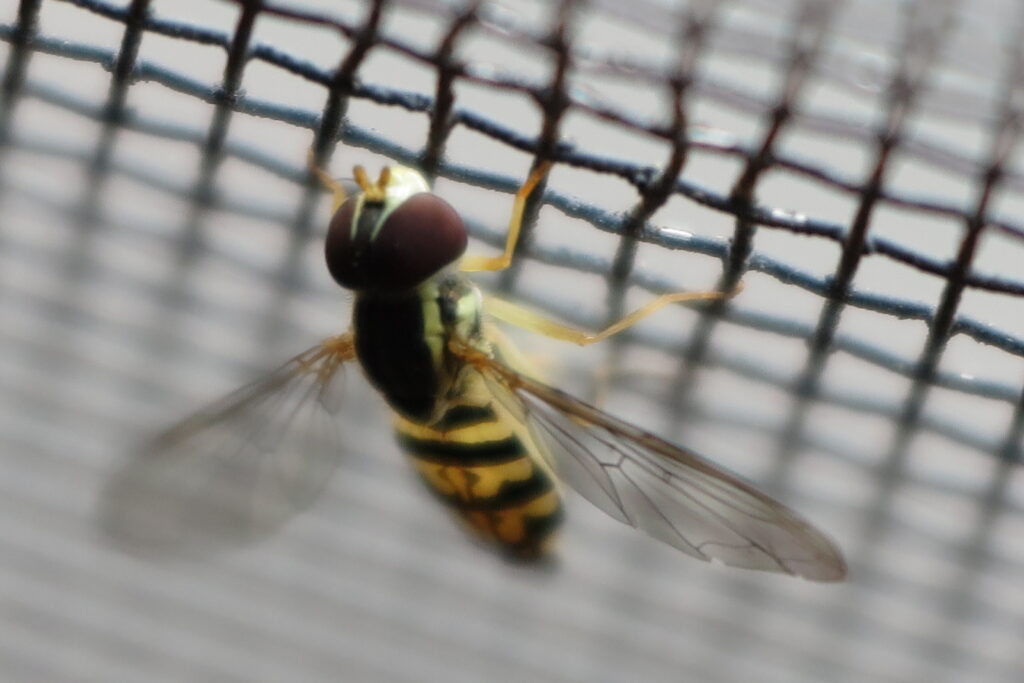
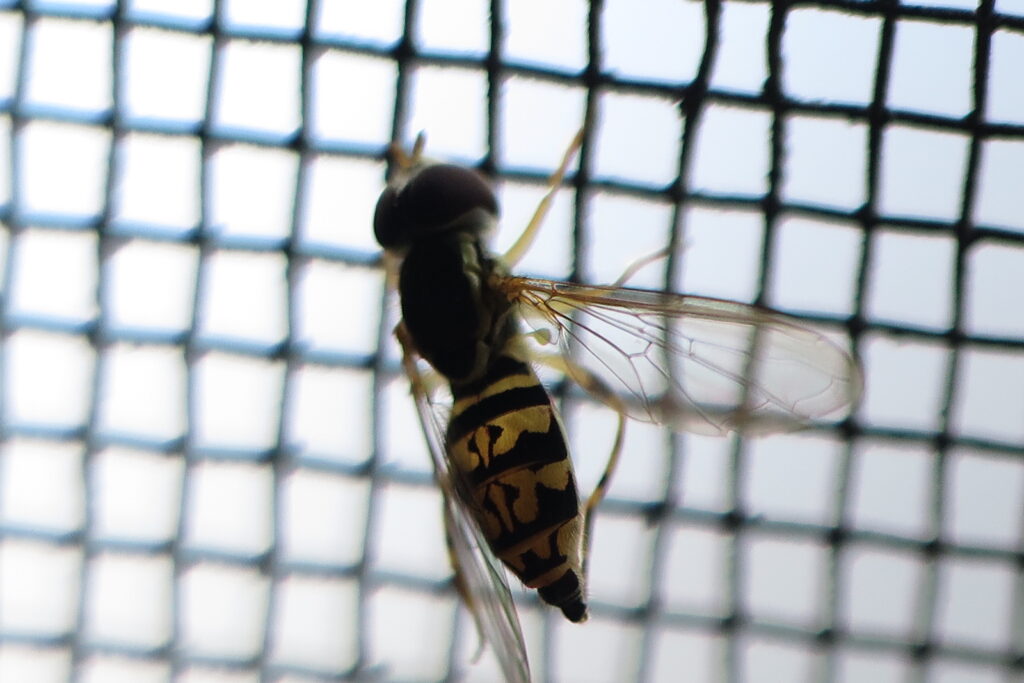
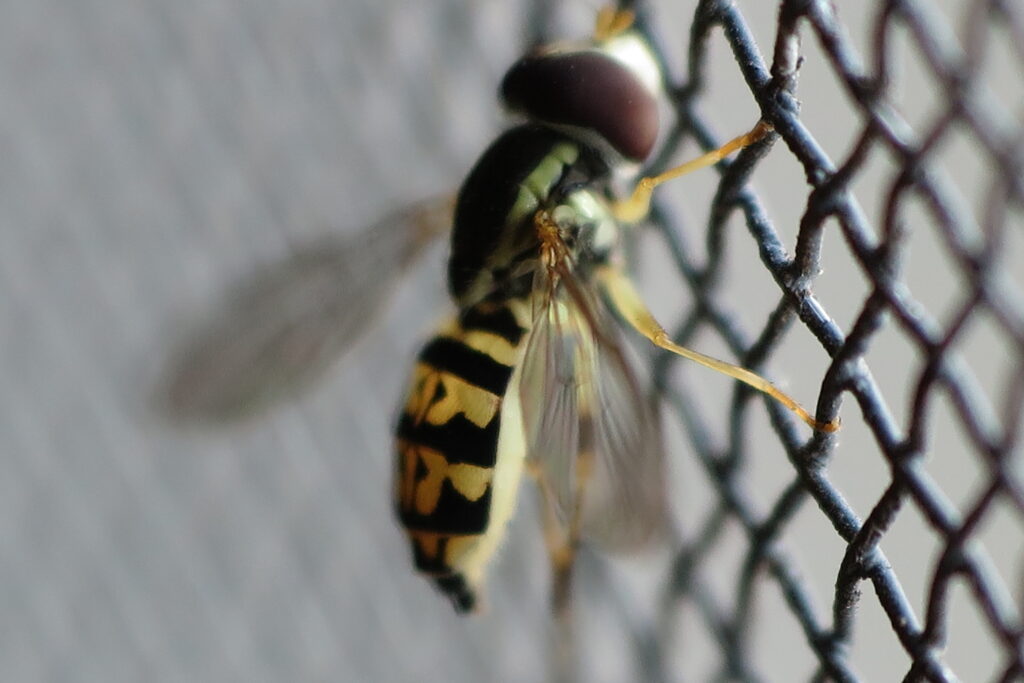
The calligrapher fly (Toxomerus sp.) is a small hoverfly found throughout much of North, Central, and South America. Although its size makes it easy to overlook, its bright yellow-and-black markings often attract attention when sunlight catches its body. Many people first notice it while exploring gardens, meadows, parks, or other outdoor spaces where flowering plants are present.
Unlike insects that spend much of their time hidden, calligrapher flies are often visible during daylight hours. They frequently occupy open areas where their movements can be observed without special equipment. Their tendency to remain active in exposed locations makes them one of the more accessible insects for wildlife observation.
Watching a calligrapher fly can feel similar to observing a tiny aerial patrol. It may appear suddenly, hover in place for several seconds, disappear in a swift burst of flight, and then return moments later. This constant activity creates an impression of an insect that is always aware of its surroundings and prepared to react.
Across their extensive range, calligrapher flies display a behavioral style that balances visibility with caution. They rarely remain motionless for extended periods and often shift positions throughout the day. This combination of movement and alertness gives them an energetic presence despite their small size.
Calligrapher Fly Behavioral Tendencies and Daily Activity
Calligrapher flies generally exhibit an active and responsive behavioral pattern. When undisturbed, they spend much of their time investigating their surroundings, moving between perches, and making short flights through open spaces. Their behavior often appears purposeful rather than random, even when they are covering relatively small areas.
One noticeable characteristic is their tendency to pause frequently between periods of activity. A fly may land briefly on a leaf, stem, fence, or flower before taking off again only seconds later. These pauses create a rhythm of movement and observation that repeats throughout much of the day.
Compared to many beetles or caterpillars that move slowly and deliberately, calligrapher flies behave more like miniature drones. They constantly adjust their position and seem capable of evaluating their environment from multiple angles. This gives them an alert appearance that differs from insects that spend long periods resting.
Environmental conditions often influence activity levels. Warm, sunny weather typically encourages greater movement, while cool temperatures may reduce overall activity. During favorable conditions, individuals can remain active for extended periods and may be observed repeatedly visiting the same general area throughout the day.
Adaptability is another defining feature of their behavior. Calligrapher flies can operate in a variety of environments and appear comfortable navigating both natural and human-altered landscapes. Whether observed in a wild meadow or a suburban garden, their behavior remains remarkably consistent, emphasizing mobility and awareness.
When left undisturbed, they rarely display aggressive tendencies. Instead, they devote most of their time to exploration and observation. This calm but active behavioral style contributes to their reputation as one of the more approachable hoverflies for nature enthusiasts and photographers.
Calligrapher Fly Movement and Activity Patterns Throughout the Day
The movement of a calligrapher fly is one of its most distinctive characteristics. Rather than flying continuously in a straight line, it frequently alternates between hovering, short directional flights, and brief landings. This creates a stop-and-go pattern that can be fascinating to watch.
Hovering is perhaps the behavior most commonly associated with the species. A calligrapher fly can remain suspended in the air for several seconds while making subtle adjustments with its wings. To an observer, the insect may appear almost motionless, as though hanging from an invisible thread.
When transitioning between locations, movement is often quick and direct. The fly may accelerate suddenly, travel several feet, and then stop almost instantly. This motion resembles the precise control of a small helicopter more than the wandering flight paths seen in some other insects.
Activity occurs primarily during daylight hours. Morning sunshine often marks the beginning of increased movement, while activity generally decreases as evening approaches. Darkness significantly reduces visible activity, making daytime the best period for observing natural behaviors.
Seasonal changes also influence movement patterns. During warmer months, calligrapher flies are far more likely to be encountered and remain active for longer portions of the day. Cooler temperatures slow movement and can reduce the frequency of flights.
Energy conservation appears to be achieved through strategic pauses rather than prolonged inactivity. Instead of flying continuously, individuals alternate between bursts of movement and short resting periods. This approach allows them to remain active while avoiding unnecessary energy expenditure, much like a runner who alternates sprinting with brief recovery intervals.
Calligrapher Fly Interaction and Survival Responses
Although calligrapher flies are solitary insects, they regularly encounter other animals and insects within their environment. Most interactions are brief and non-confrontational. Individuals typically continue their activities without displaying strong territorial responses toward others of their kind.
When confronted with potential danger, rapid escape is often the first line of defense. A nearby movement, shadow, or disturbance can trigger an immediate flight response. The fly may vanish in a sudden burst of speed before the source of the threat comes any closer.
One of the most effective survival traits of the calligrapher fly is its resemblance to stinging insects. The yellow-and-black markings closely resemble those of wasps and yellowjackets, creating hesitation among potential predators. Even though the fly lacks a sting, this visual similarity can provide valuable protection.
Alertness also plays an important role in survival. Individuals frequently reposition themselves and rarely remain exposed in exactly the same spot for long periods. This constant awareness reduces the likelihood of being caught off guard by predators or unexpected disturbances.
Interactions with other calligrapher flies are generally peaceful. While multiple individuals may occupy the same area, they usually maintain personal space rather than forming coordinated groups. Encounters often consist of brief aerial meetings before each insect continues on its own path.
A useful example of their survival instincts can be seen when a person approaches too closely. Rather than remaining still or attempting to confront the perceived threat, the fly quickly departs and relocates to a safer position nearby. This simple but effective response demonstrates how mobility, awareness, and mimicry work together to help calligrapher flies persist across a wide variety of environments.
Popular Searches About Calligrapher Flies
Explore Calligrapher Fly Guide
Explore More Wildlife

Support Encounters World
Help support wildlife photography and get behind the scenes discoveries on Patreon.