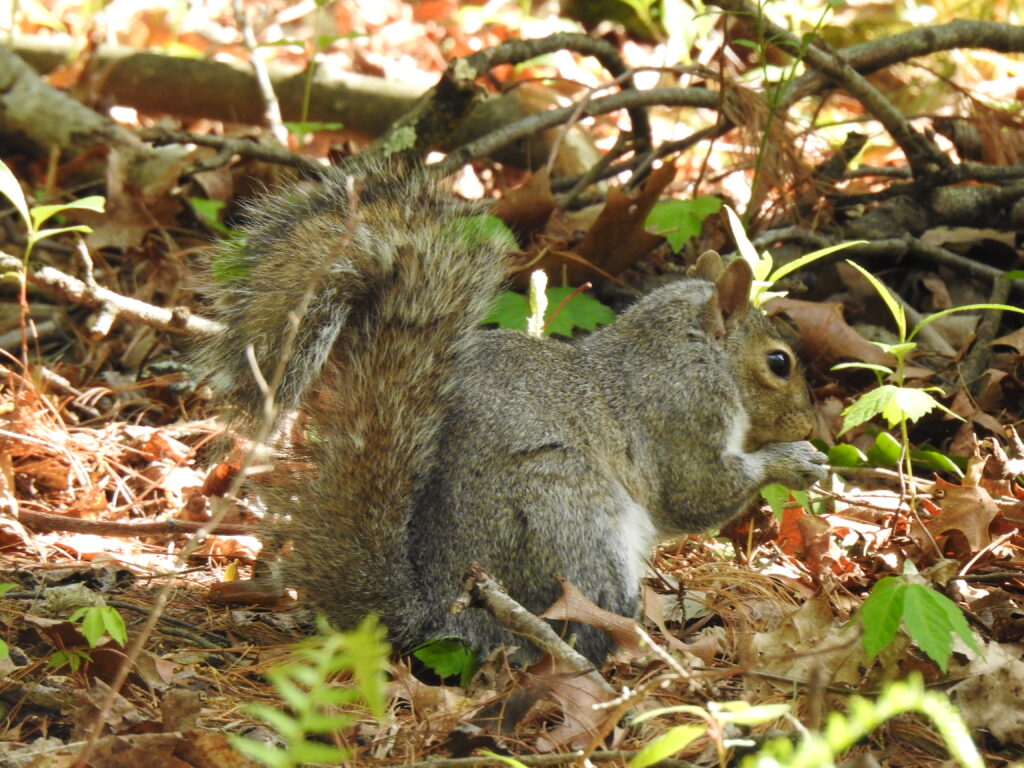
Eastern Gray Squirrel Behavior (Sciurus carolinensis) – Activity, Movement, and Survival Traits
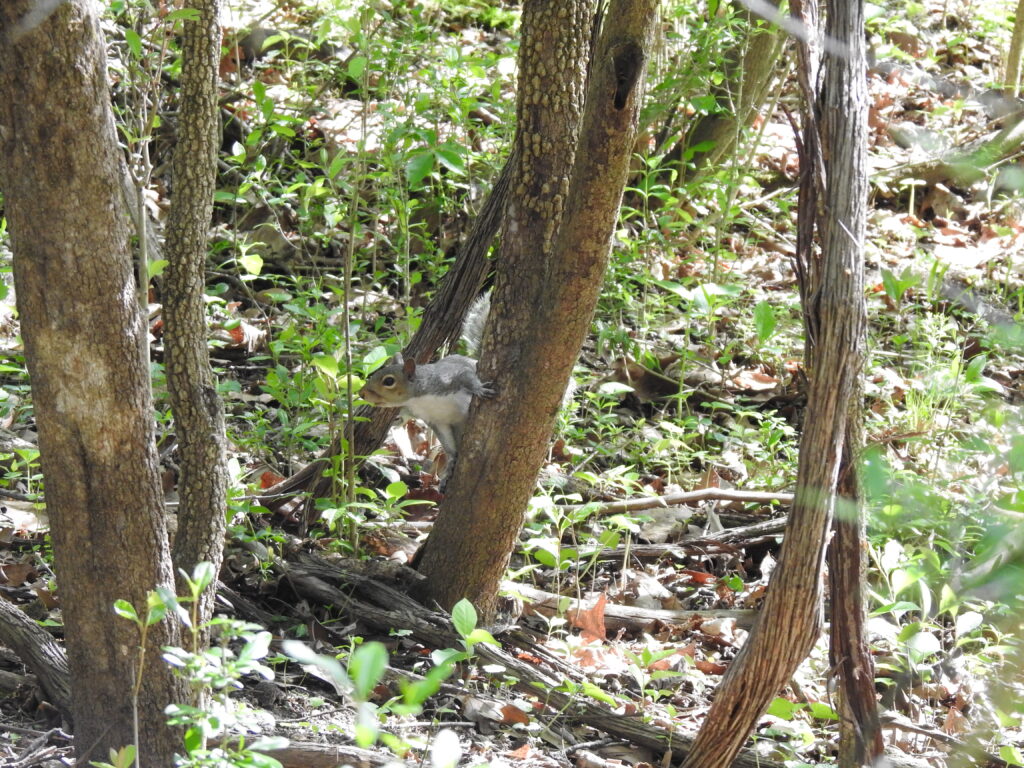
Quick Facts
Activity Type: Diurnal (active during the day)
Social Structure: Mostly solitary, with occasional loose group overlap
Territorial Behavior: Maintains personal space but tolerates nearby individuals
Movement Style: Quick bursts, climbing, bounding, and agile leaps
Communication Method: Tail flicking, vocal calls, body posture
Defense Strategy: Rapid escape, tree climbing, freezing, and erratic movement
Introduction to Eastern Gray Squirrel Behavior in Natural Settings
The Eastern Gray Squirrel (Sciurus carolinensis) is a familiar presence across much of eastern North America, appearing in forests, parks, and suburban landscapes. Its behavior is often one of the first things noticed, as it moves in short bursts or pauses suddenly in alert, upright positions. These moments create a sense of constant awareness, giving the impression that the animal is always assessing its surroundings.
Across its wide range, this species is commonly observed during daylight hours, making it more visible than many other small mammals. Its activity patterns naturally place it in open view, whether crossing a yard or navigating the forest floor. Because of this, its behavior becomes a defining part of how people recognize and understand it.
When seen in the wild, the Eastern Gray Squirrel often appears both cautious and comfortable at the same time. It may move confidently through familiar areas while still reacting instantly to sudden changes. This balance between relaxation and alertness gives it a dynamic presence, even when it is not actively moving.
These early impressions set the stage for understanding its broader behavioral patterns. While it may seem simple at first glance, its actions reflect a combination of awareness, adaptability, and instinct that supports its success across a wide range of environments.
Eastern Gray Squirrel Behavior Overview and Daily Tendencies
The Eastern Gray Squirrel displays a highly active and responsive behavioral style, characterized by frequent movement and quick reactions to environmental changes. It rarely remains still for long, instead alternating between short bursts of activity and brief pauses. This pattern creates a rhythm that feels almost constant, even when the animal is resting momentarily.
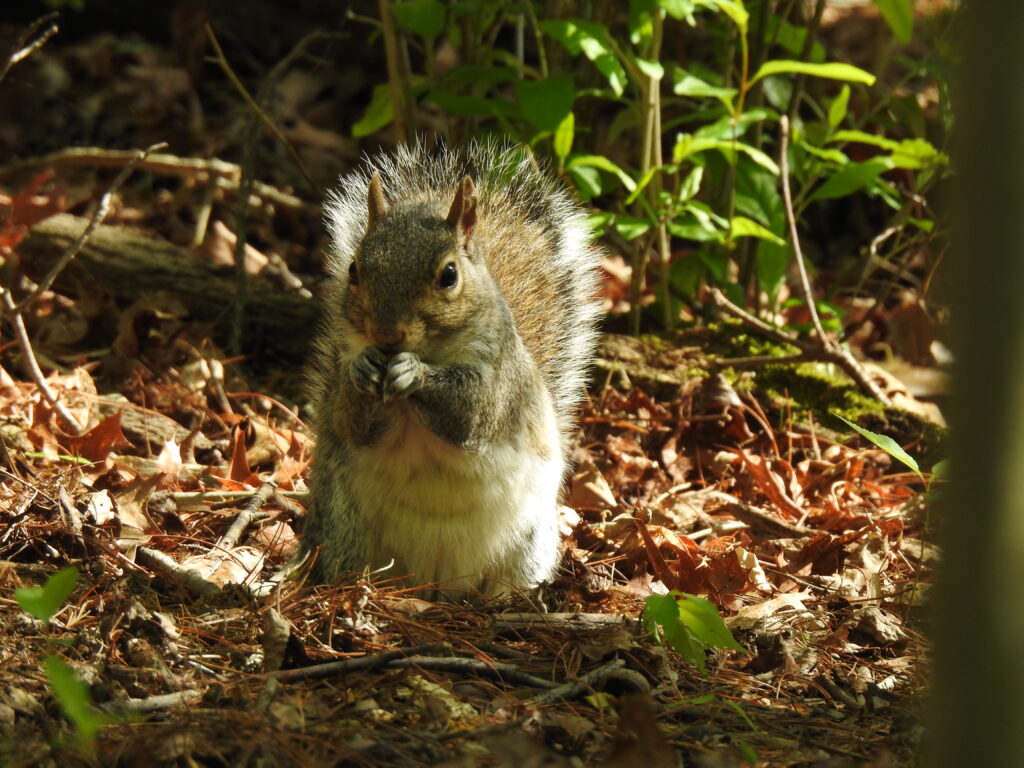
When undisturbed, it tends to move with purpose, often stopping to assess its surroundings before continuing. These pauses are not signs of inactivity but rather moments of awareness, where the squirrel scans for changes or potential threats. Compared to slower-moving mammals like rabbits, its behavior appears more energetic and reactive, with sharper transitions between motion and stillness.
Adaptability is a key feature of its overall behavior. Whether in dense forest environments or urban neighborhoods, the Eastern Gray Squirrel adjusts its actions to match its surroundings. In quieter areas, it may move more openly, while in busier settings, it becomes more cautious and selective in its movements.
Even in calm conditions, there is an underlying readiness in its behavior. The animal often maintains a posture that allows it to react instantly, whether that means darting forward or retreating quickly. This constant balance between activity and awareness defines its overall behavioral pattern and contributes to its survival across diverse landscapes.
Eastern Gray Squirrel Movement and Daily Activity Patterns
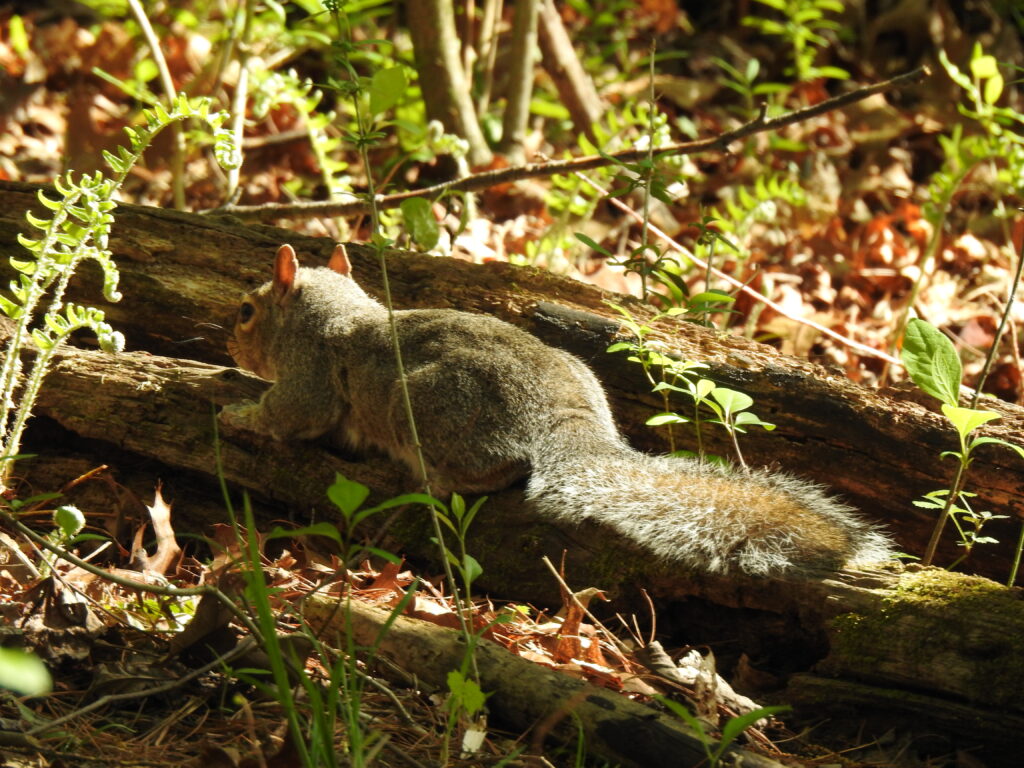
Movement in the Eastern Gray Squirrel is defined by speed, agility, and sudden directional changes. On the ground, it travels in short, bounding motions, using its hind legs to propel itself forward in quick bursts. This style can resemble a coiled spring releasing energy, with each movement covering small distances rapidly.
Climbing is another major aspect of its movement, where it transitions seamlessly from ground to tree. It grips surfaces with precision, allowing it to move vertically with ease. Compared to animals that rely on steady climbing, the squirrel’s motion is more fluid and immediate, often appearing as a quick dash rather than a slow ascent.
This species is primarily active during daylight hours, especially in the early morning and late afternoon. During these times, its movements are more frequent and noticeable, creating peak periods of activity. Midday may bring shorter periods of rest, where the animal reduces movement but remains alert.
Seasonal changes also influence how it uses its energy. In warmer months, activity is more consistent throughout the day, while cooler conditions may shift its movement into more focused bursts. Regardless of season, its motion remains efficient, allowing it to navigate both open ground and complex tree structures with precision and control.
Eastern Gray Squirrel Interaction and Survival Behavior in the Wild
The Eastern Gray Squirrel relies heavily on awareness and quick reaction as its primary survival strategy. When sensing potential danger, it may freeze in place, blending into its surroundings while assessing the situation. This stillness can last only seconds before it decides whether to move or remain hidden.
If a threat becomes more immediate, the squirrel reacts with rapid, unpredictable movement. It may dart in a zigzag pattern or rush toward the nearest tree, using vertical escape as a key advantage. This sudden change in direction makes it difficult for predators to anticipate its path.
Interactions with other squirrels are generally limited but noticeable. While mostly solitary, individuals may tolerate each other within shared areas, occasionally displaying brief chases or defensive postures. These encounters are usually short-lived, serving more as signals than prolonged conflicts.
Communication plays a role in both survival and interaction. Tail flicking, body positioning, and vocal sounds all contribute to how the squirrel signals awareness or caution. For example, a quick series of tail movements can indicate alertness, while sharp calls may serve as warnings. These responses, combined with its physical agility, allow the Eastern Gray Squirrel to navigate its environment with a high level of control and awareness.