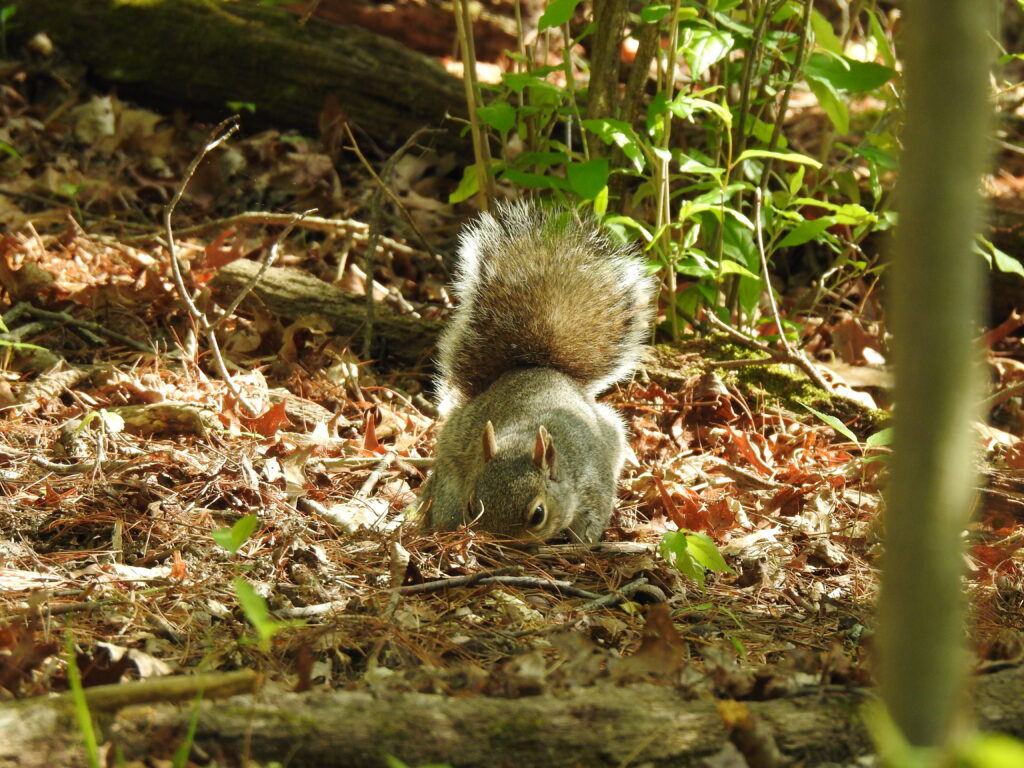
Eastern Gray Squirrel Habitat (Sciurus carolinensis) – Range, Environments, and Living Conditions
Quick Facts
Primary Habitat: Deciduous and mixed forests
Secondary Habitat: Urban parks, suburban neighborhoods, and wooded edges
Climate Preference: Temperate climates with seasonal variation
Environment Type: Terrestrial, tree-dominated ecosystems
Elevation / Depth Range: Sea level to ~6,000 feet
Geographic Distribution: Eastern and Central North America; introduced in parts of Europe
Introduction to Eastern Gray Squirrel Habitat Across Its Range
The Eastern Gray Squirrel (Sciurus carolinensis) is widely distributed across North America, where it occupies a broad range of environments shaped by both natural landscapes and human development. Its presence is closely tied to regions that support tree growth, giving it access to vertical space and layered surroundings. From quiet woodlands to busy suburban settings, it appears wherever conditions allow for a mix of cover and open ground.
Across its native range, this species is commonly found in areas where vegetation forms a structured canopy. These environments create a sense of depth, with sunlight filtering through layers of leaves and branches. The result is a landscape that shifts throughout the day, offering both shaded areas and pockets of light where the squirrel becomes more visible.
In many locations, the Eastern Gray Squirrel exists alongside human activity without disappearing from view. It is often seen near neighborhoods, trails, and public parks, blending into spaces where natural and developed elements overlap. This consistent presence gives it a unique position as both a forest species and a familiar sight in everyday settings.
Even across international regions where it has been introduced, the same environmental pattern holds true. Wherever tree-rich landscapes exist, the Eastern Gray Squirrel finds a way to establish itself. Its habitat is not defined by a single location but by a combination of structural features that repeat across different regions.
Eastern Gray Squirrel Habitat Overview and Distribution Patterns
The Eastern Gray Squirrel occupies a wide and flexible range, making it one of the most adaptable small mammals in its region. It can be found across a variety of landscapes, provided that certain structural elements are present. Rather than being limited to one specific environment, it thrives in multiple settings that share similar foundational characteristics.
Compared to more specialized species, the Eastern Gray Squirrel shows a broader tolerance for environmental variation. While some animals are restricted to narrow habitat zones, this species expands into areas that combine natural and modified features. This adaptability allows it to remain present even as landscapes change over time.
Its distribution often follows areas where tree coverage remains consistent, forming a network of suitable spaces across large regions. These connected environments allow populations to spread gradually, maintaining stability across both rural and urban zones. In this way, its range appears continuous rather than isolated.
This wide distribution highlights its ability to occupy environments that differ in structure but share essential elements. Whether in dense natural landscapes or more open, developed areas, the Eastern Gray Squirrel adjusts to the available space. Its habitat overview reflects a species that is not confined by strict boundaries but instead defined by flexibility.
Eastern Gray Squirrel Habitat Types and Environmental Settings
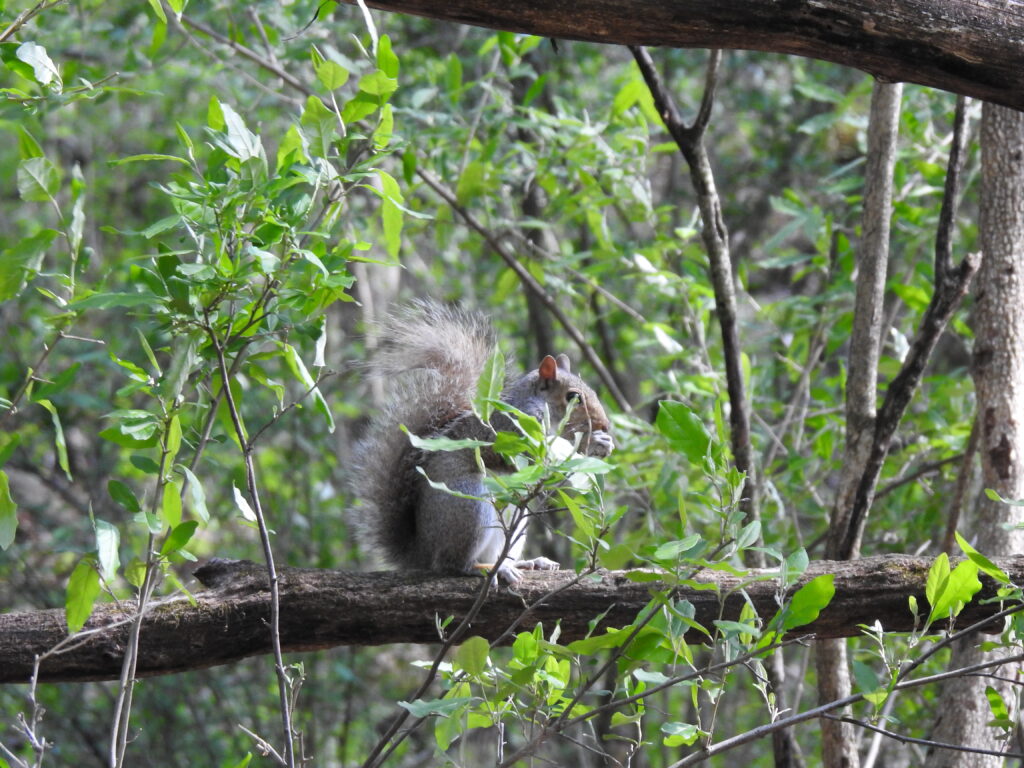
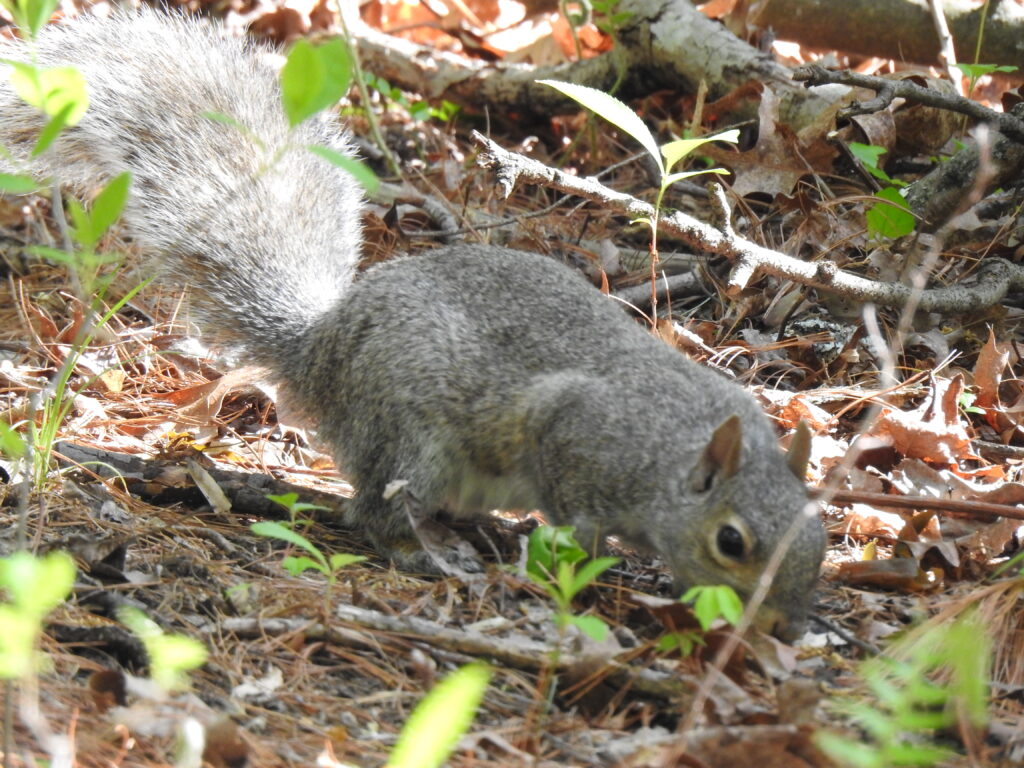
The Eastern Gray Squirrel is most commonly associated with forested environments, particularly those dominated by hardwood trees. In these areas, the presence of mature trees creates vertical layers that provide both space and structure. The forest floor, mid-level branches, and upper canopy all contribute to a multi-level environment that supports its presence.
In addition to deep woodland settings, this species frequently occupies edge habitats where forests meet open areas. These transitional zones offer a mix of cover and visibility, creating a balanced environment. Compared to dense interior forests, edge habitats provide more variation in light and space, which can support a wider range of activity.
Urban and suburban environments also serve as important habitat types. Parks, residential areas with mature trees, and landscaped spaces create conditions that resemble natural environments on a smaller scale. In these settings, the Eastern Gray Squirrel uses trees, fences, and structures as part of its environment, adapting to human-altered landscapes with ease.
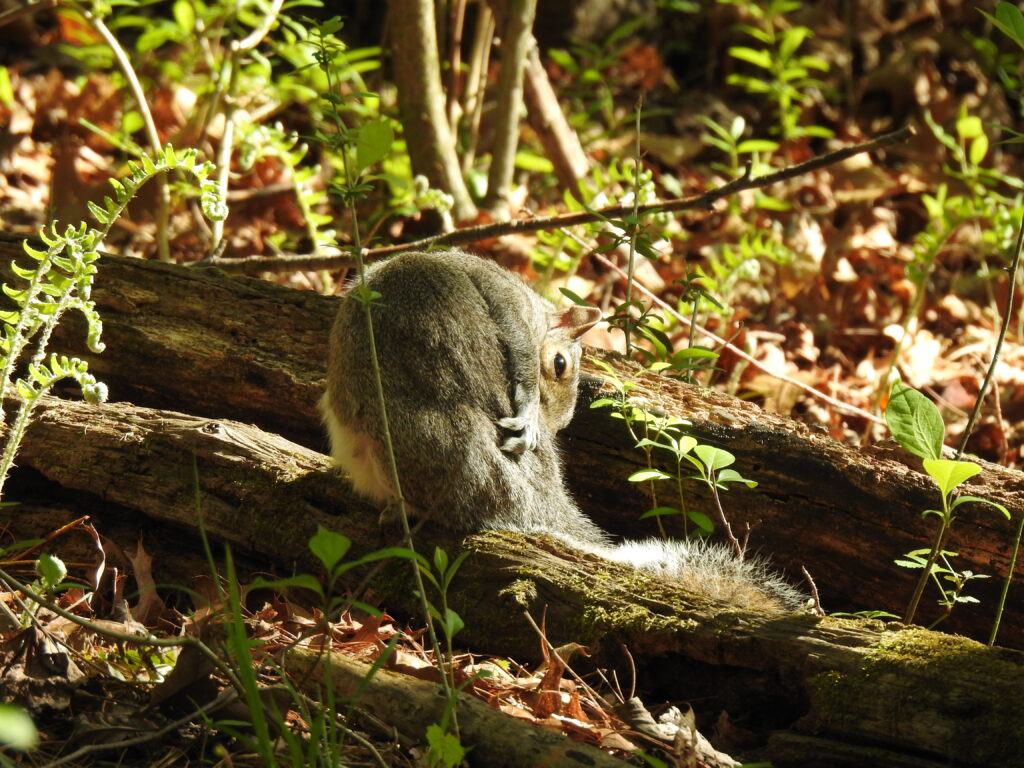
Variations within these habitat types can influence how the squirrel appears in different locations. In dense forests, it may remain partially hidden among shadows and foliage, while in open parks, it becomes more visible against trimmed grass and scattered trees. These differences highlight how the same species can exist across multiple habitat categories while maintaining a consistent presence.
Environmental Conditions Supporting Eastern Gray Squirrel Habitat
The Eastern Gray Squirrel thrives in temperate climates where seasonal changes shape the environment throughout the year. Warm summers provide dense foliage and extended daylight, while colder winters bring leaf loss and more open visibility. This seasonal contrast creates a dynamic environment that shifts in structure over time.
Temperature tolerance is another key factor, as this species can persist through both hot and cold conditions. In summer, it navigates shaded areas that help reduce heat exposure, while in winter, it remains active even in colder temperatures. Compared to species that require stable climates, the Eastern Gray Squirrel handles a wider range of conditions.
Vegetation structure plays a major role in defining suitable environments. Areas with layered plant growth, including tall trees and ground cover, create a balanced setting that supports its presence. These layered environments can be compared to a multi-story space, where each level offers a different perspective and use.
Terrain and elevation also contribute to habitat suitability, though the species is not highly restricted by these factors. It can be found from lowland regions to moderately elevated areas, as long as tree coverage remains available. This combination of climate, vegetation, and terrain creates a flexible set of conditions that allow the Eastern Gray Squirrel to persist across a wide geographic range.