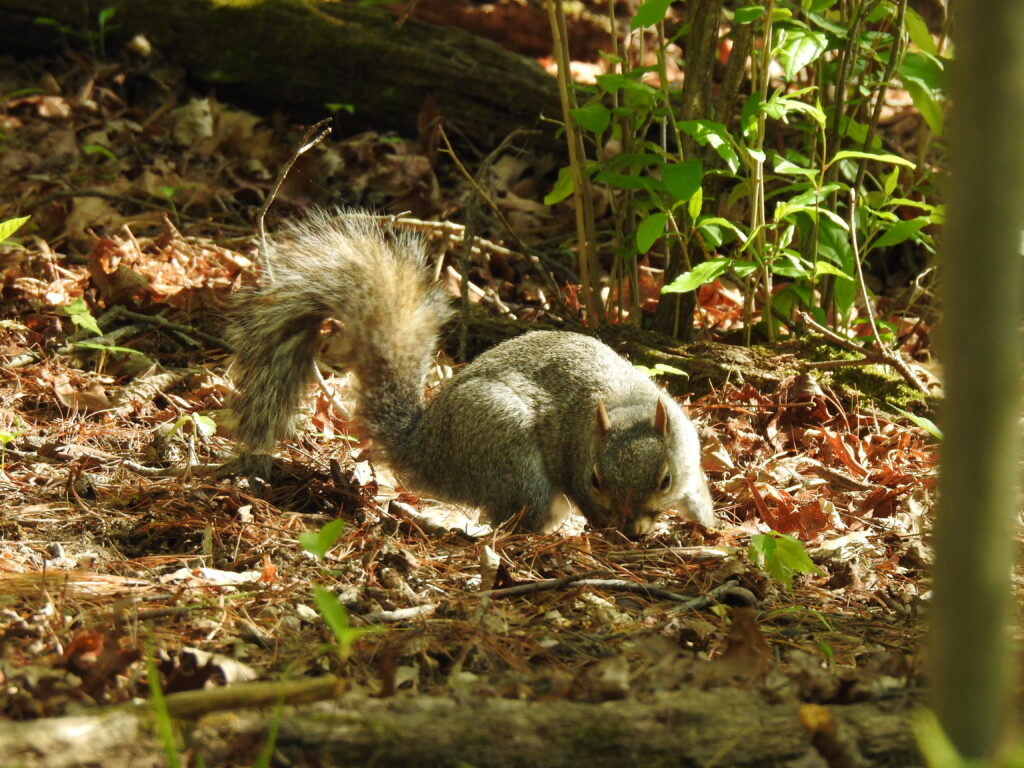
Eastern Gray Squirrel Appearance – Size, Color, Tail, and Identifying Features
Quick Facts
Location: North America
Average Size: 16–20 inches (including tail)
Lifespan: 6–12 years in the wild
Global Range: Eastern and Central North America; introduced in parts of Europe
Conservation Status: Least Concern
Notable Feature: Large bushy tail and variable gray coloration
Introduction to Eastern Gray Squirrel Appearance in the Wild
The Eastern Gray Squirrel (Sciurus carolinensis) is one of the most visually familiar mammals across North America, recognized by its balanced proportions and soft gray tones. Its appearance is often the first feature noticed, especially when it pauses upright or moves through open ground. Even brief encounters can leave a lasting impression due to its distinct silhouette.
This species is widely distributed throughout eastern and central regions, where it appears in both natural woodlands and developed spaces. Its look remains consistent across this range, allowing it to be easily identified regardless of location. Whether seen in a quiet forest or a neighborhood setting, its physical form stands out in subtle but recognizable ways.
In outdoor settings, lighting plays a major role in how the Eastern Gray Squirrel appears. Sunlight can highlight silver tones within its fur, while shaded areas may give it a darker, more muted look. These shifts create a dynamic visual presence that changes throughout the day.
Although common, its appearance is far from plain. Small details such as fur texture, tail shape, and body proportions combine to create a unique overall look. These features make it one of the easiest squirrel species to identify once its defining traits are understood.
Eastern Gray Squirrel Overall Appearance and Body Structure
The Eastern Gray Squirrel has a well-balanced body shape that combines a compact torso with an extended tail. When fully measured, it often reaches a length comparable to a standard water bottle, with nearly half of that length made up by its tail. This proportion gives it a stretched yet lightweight appearance when viewed from the side.
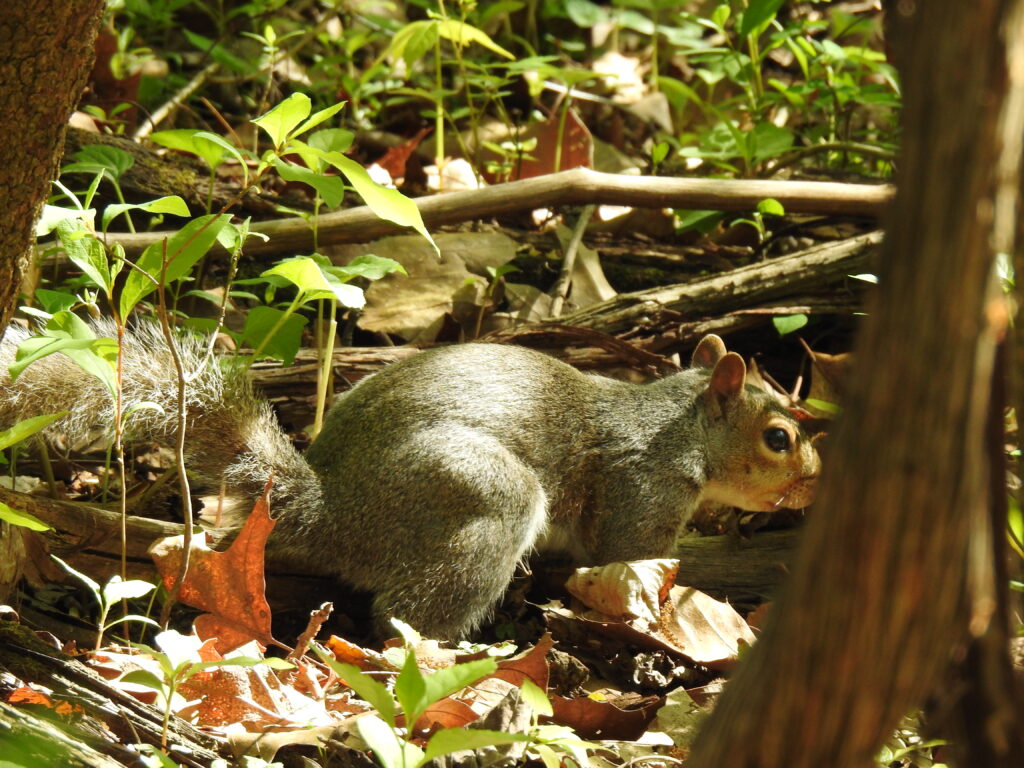
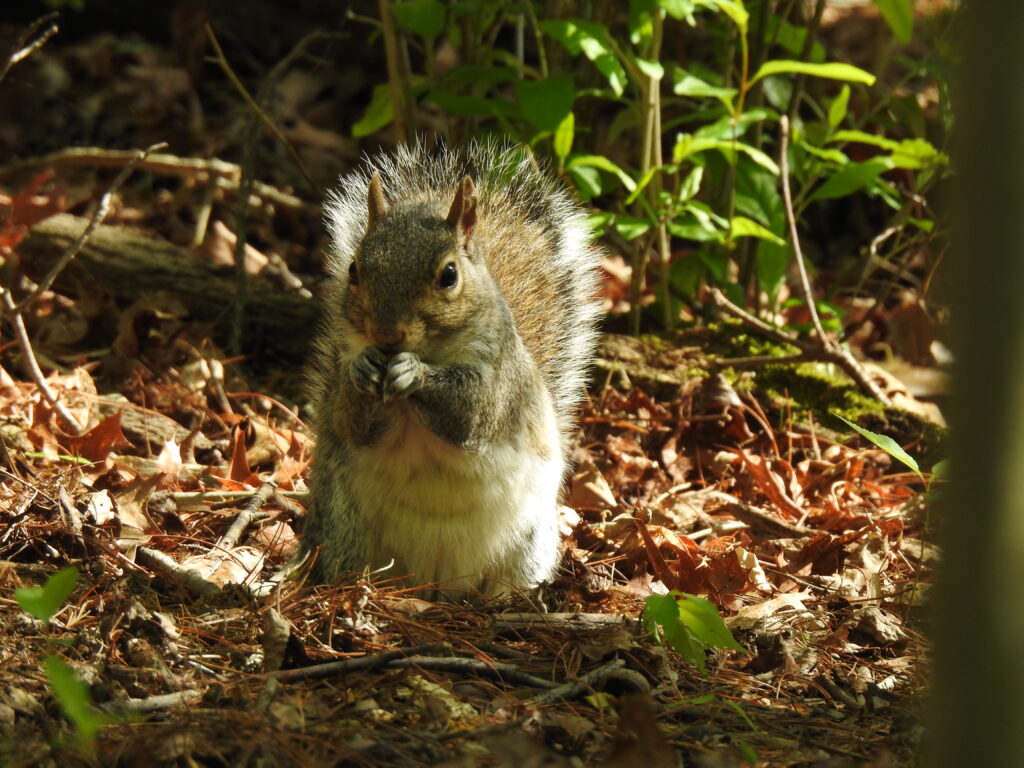
Its fur is primarily gray, but this color is rarely uniform. Instead, it appears as a mix of layered tones, including silver, charcoal, and occasional hints of brown. The underside contrasts with a lighter white or cream coloration, creating a clear visual break along the body that becomes especially noticeable when it sits upright.
The tail is one of the most striking elements of its appearance. Thick and full, it forms a plume-like shape that can spread outward or curve over the back. In certain lighting, the edges of the tail may appear slightly frosted, giving it a textured and almost glowing outline.
In the wild, these features combine to create a form that blends naturally into its surroundings while still remaining visible. Against tree bark, its gray tones provide camouflage, while in open spaces, its full tail and upright posture make it easier to spot. This balance between blending and visibility defines its overall physical presence.
Eastern Gray Squirrel Identifying Features and Unique Traits
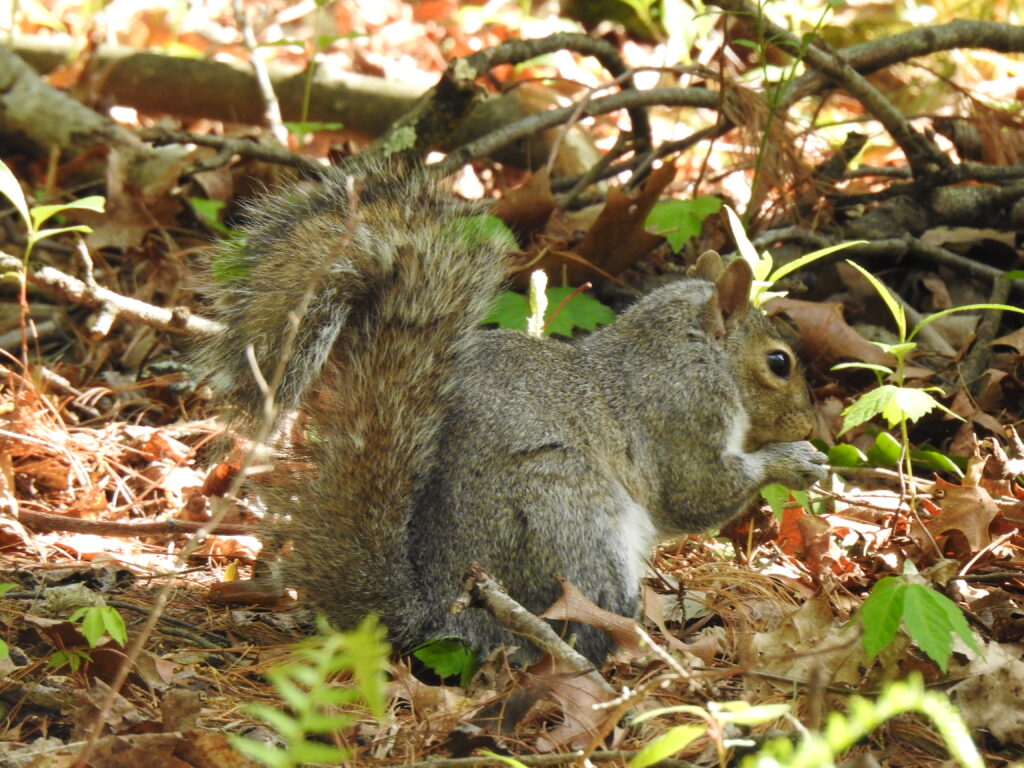
Several key characteristics make the Eastern Gray Squirrel easy to distinguish from other similar species. Its tail, for example, is not only large but also evenly shaped, with long hairs extending in all directions. Compared to smaller squirrels, this tail appears more rounded and full, adding to its overall size.
The head is relatively small and rounded, with dark, prominent eyes that stand out against its fur. Its ears are short and upright, lacking the pronounced tufts seen in species like the red squirrel. This smoother ear shape gives the Eastern Gray Squirrel a softer, less pointed appearance.
Its limbs are slender yet well-proportioned, with slightly longer hind legs that contribute to its upright stance. When sitting, it often resembles a small figurine, balanced on its back legs with its front paws held close to its body. This posture is one of its most recognizable visual traits.
Compared to the American Red Squirrel, which is smaller and more vividly colored, the Eastern Gray Squirrel appears more neutral and evenly toned. It can be compared to a soft gray fabric versus a brighter, more saturated material. These differences make it easier to identify even when both species share similar environments.
Eastern Gray Squirrel Role in the Ecosystem and Visual Presence
The Eastern Gray Squirrel plays an important role in ecosystems, and its physical appearance contributes to how it interacts with its surroundings. Its coloration allows it to blend into natural environments, reducing visibility to predators while still allowing it to move freely. This visual balance supports its ability to exist across a wide range of landscapes.
As part of the food web, it serves as prey for larger animals, making its appearance an important factor in survival. Its neutral tones help it remain less noticeable against tree bark and leaf litter. This natural camouflage can be compared to wearing earth-toned clothing in a wooded setting, where blending into the background becomes easier.
Its presence also adds to the visual character of the environments it inhabits. In forests, it becomes part of the layered scenery, while in parks, it stands out more clearly against open ground. This contrast highlights how the same appearance can function differently depending on the setting.
Beyond survival, its consistent look across regions makes it a recognizable part of everyday wildlife. People often associate its image with wooded areas and seasonal landscapes. This familiarity reinforces its role not only in ecosystems but also in how humans perceive and connect with local wildlife.