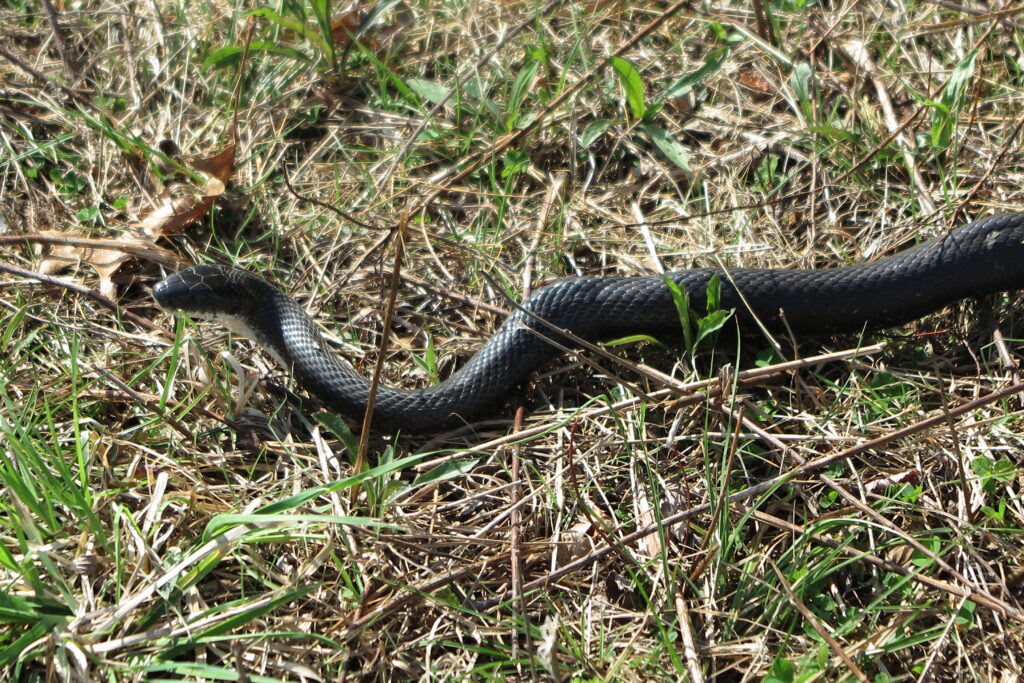
Black Rat Snake Habitat in Pennsylvania: Forests, Farmlands, and Natural Environments
Quick Facts
Scientific Name: Pantherophis obsoletus
Common Name: Black Rat Snake
Location: Eastern United States, including Pennsylvania
Primary Habitat: Deciduous forests and wooded areas with dense cover
Secondary Habitat: Farmlands, rocky hillsides, abandoned buildings, and suburban edges
Range in Pennsylvania: Statewide, more common in central and southern regions
Climate Preference: Temperate climates with warm summers and cold winters
Elevation/Environment Type: Lowland forests to moderate elevations; terrestrial and semi-arboreal environments
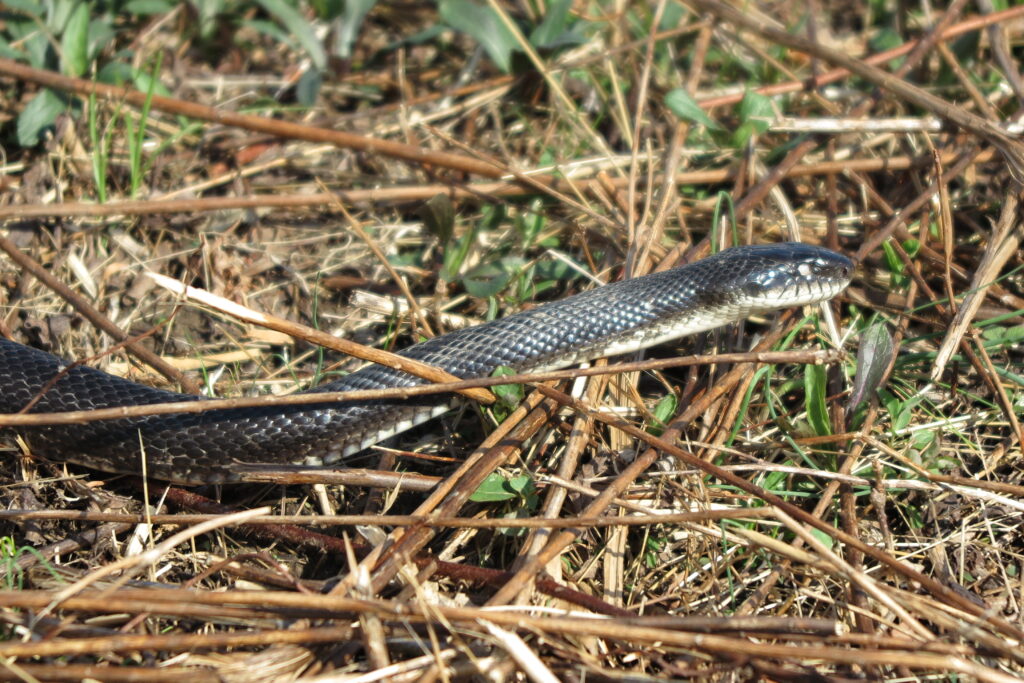
The Black Rat Snake (Pantherophis obsoletus) is a large, non-venomous snake widely found across the eastern United States. Recognized for its sleek black coloration and adaptability, it occupies a variety of natural environments throughout its range.
In Pennsylvania, the Black Rat Snake is distributed across much of the state, making it one of the most commonly encountered snake species in both rural and semi-developed areas. Its presence reflects its ability to live in diverse environmental conditions.
From quiet woodland trails to open farmland edges, the landscapes of Pennsylvania provide the perfect backdrop for this species. These environments support the Black Rat Snake by offering the natural features it needs to exist across changing seasons.
Black Rat Snake Habitat Overview: Range, Environment Types, and Adaptability
The Black Rat Snake thrives in a wide range of environments throughout Pennsylvania, from dense forests to open agricultural land. Its ability to occupy multiple habitat types makes it one of the most adaptable reptiles in the region.
Geographically, this species can be found statewide, with strong populations in central and southern Pennsylvania. It is less common in heavily urbanized areas but still appears along the edges where natural and developed land meet.
Adaptability is a defining feature of the Black Rat Snake’s habitat preferences. It can adjust to different environmental conditions, allowing it to live in both natural ecosystems and areas influenced by human activity.
Overall, the Black Rat Snake prefers environments that provide a combination of cover, structure, and access to varied terrain. These features allow it to remain protected while occupying a wide geographic range.
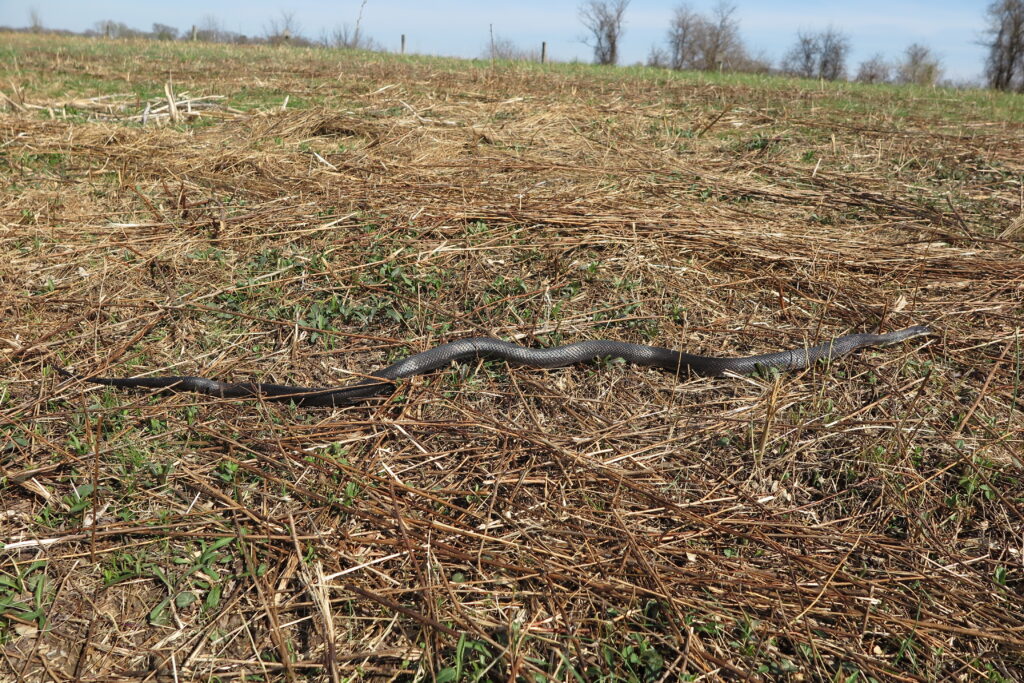
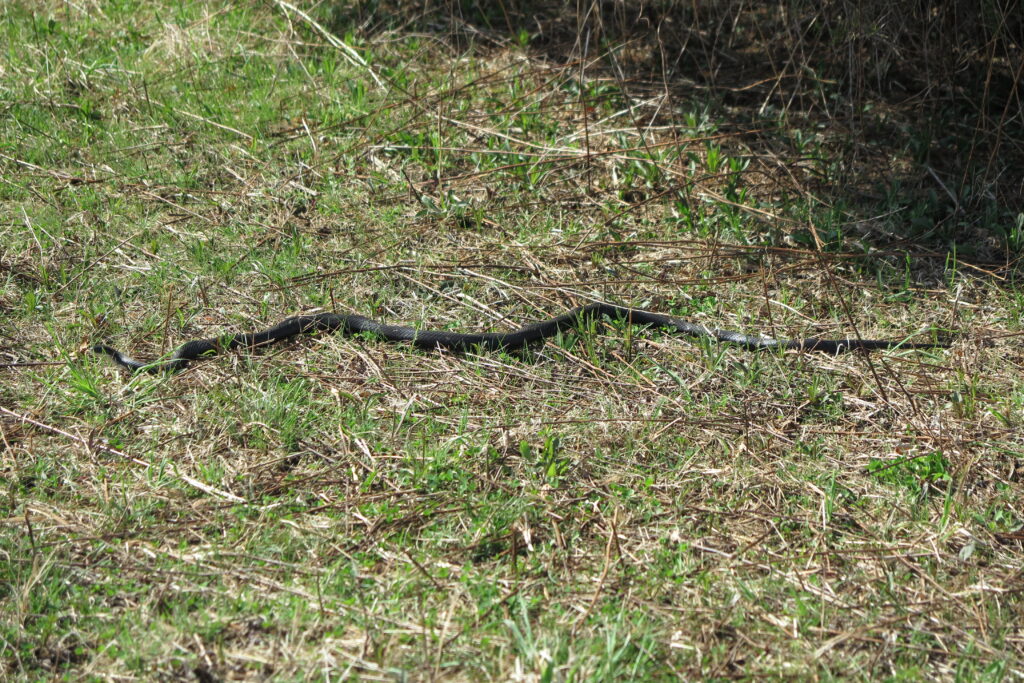
Black Rat Snake Habitat in Pennsylvania: Forests, Fields, and Developed Areas
Forests are one of the primary habitats for the Black Rat Snake, particularly deciduous woodlands with dense vegetation. These areas provide tree cover, leaf litter, and natural ground features that create suitable living conditions.
In addition to forests, this species is commonly found in farmlands and open fields. These environments offer a mix of natural and human-altered landscapes, often including barns, fences, and hedgerows that contribute to habitat structure.
Rocky hillsides and outcrops also support the presence of the Black Rat Snake. These areas provide natural formations such as crevices and ledges that add to the diversity of available environments.
Suburban and rural edge areas are another important part of its habitat range. Where neighborhoods meet natural land, the Black Rat Snake can exist in transitional zones that combine vegetation, open space, and human structures.
Black Rat Snake Environmental Conditions: Climate, Terrain, and Vegetation in Pennsylvania
The Black Rat Snake prefers a temperate climate, which is characteristic of Pennsylvania. Warm summers provide suitable conditions, while colder winters are part of the natural seasonal cycle in the region.
Seasonal changes play a significant role in shaping the environments this species occupies. Pennsylvania’s mix of spring growth, summer warmth, autumn transitions, and winter dormancy creates a dynamic landscape that supports a wide range of wildlife.
Terrain is another important factor, with the Black Rat Snake inhabiting areas ranging from lowland forests to moderately elevated regions. Varied terrain provides access to different environmental features within a single area.
Vegetation is a key component of its habitat, including trees, shrubs, grasses, and ground cover. These elements create a layered environment that contributes to the overall suitability of Pennsylvania landscapes for the Black Rat Snake.