Buff Orpington Chicken in Pennsylvania: Identification, Behavior, and Habitat Guide
Quick Facts
Scientific Name: Gallus gallus domesticus
Common Name: Buff Orpington Chicken
Location: Domesticated worldwide (commonly found in Pennsylvania backyard flocks)
Size: Medium to large (about 6–10 lbs)
Diet: Omnivore (grains, seeds, insects, kitchen scraps)
Habitat: Farms, backyards, coops, and enclosed outdoor runs
Lifespan: 5–10 years (varies with care)
Behavior: Calm, friendly, and docile; known for being easy to handle and good with humans
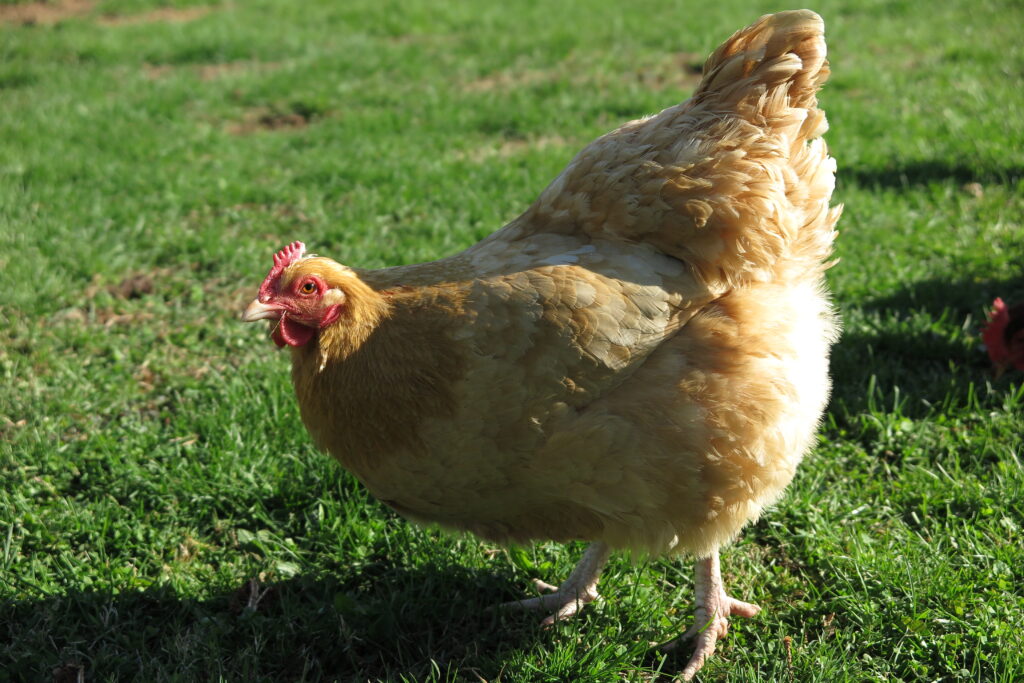
Notable Feature: Soft, golden-buff feathers with a fluffy, rounded body shape
The Buff Orpington chicken is a popular domestic breed known for its soft golden feathers and calm presence in backyard flocks. Originally developed in England, this breed has become one of the most recognizable chickens for small farms and home poultry keepers.
In Pennsylvania, Buff Orpington chickens are commonly found in backyard coops, rural properties, and small homesteads. Their adaptability to changing seasons makes them a reliable choice for poultry owners across the state.
Often seen roaming grassy yards or resting near coops, these chickens bring a calm and steady presence to domestic environments. Their rounded shape and warm coloration make them easy to identify at a glance.
Buff Orpington Chicken Overview: Appearance, Range, and General Traits
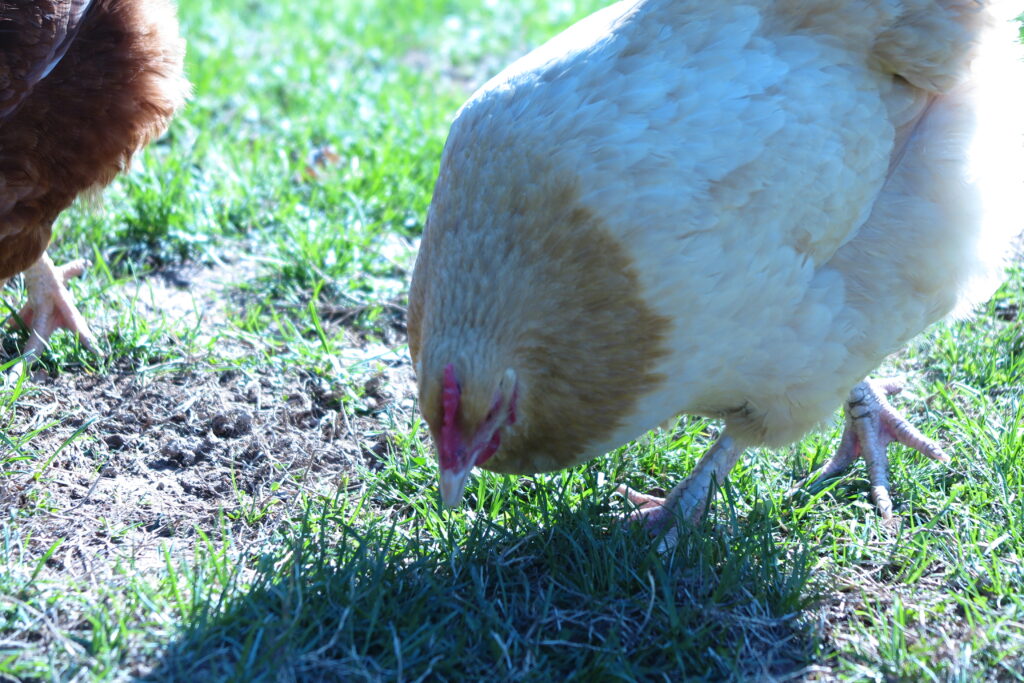
The Buff Orpington chicken is easily recognized by its uniform golden-buff plumage that covers a broad, rounded body. Its feathers appear soft and dense, giving the bird a fluffy look that sets it apart from leaner breeds. The comb is typically a single upright comb, and the legs are pale pink or white.
Although originally bred in England, Buff Orpington chickens are now found worldwide due to their popularity in backyard poultry keeping. In Pennsylvania, they are especially common among hobby farmers and suburban chicken keepers looking for a dependable and visually appealing breed.
This breed is known for its strong adaptability, particularly in climates with seasonal variation. Buff Orpingtons can tolerate both colder winters and warm summers, which makes them well-suited for environments like Pennsylvania where temperatures fluctuate throughout the year.
In general, Buff Orpington chickens are considered a dual-purpose breed, valued for both egg production and meat. Their balanced traits, combined with their calm nature and recognizable appearance, make them a staple in domestic flocks.
Buff Orpington Chicken Behavior: Movement, Social Patterns, and Activity
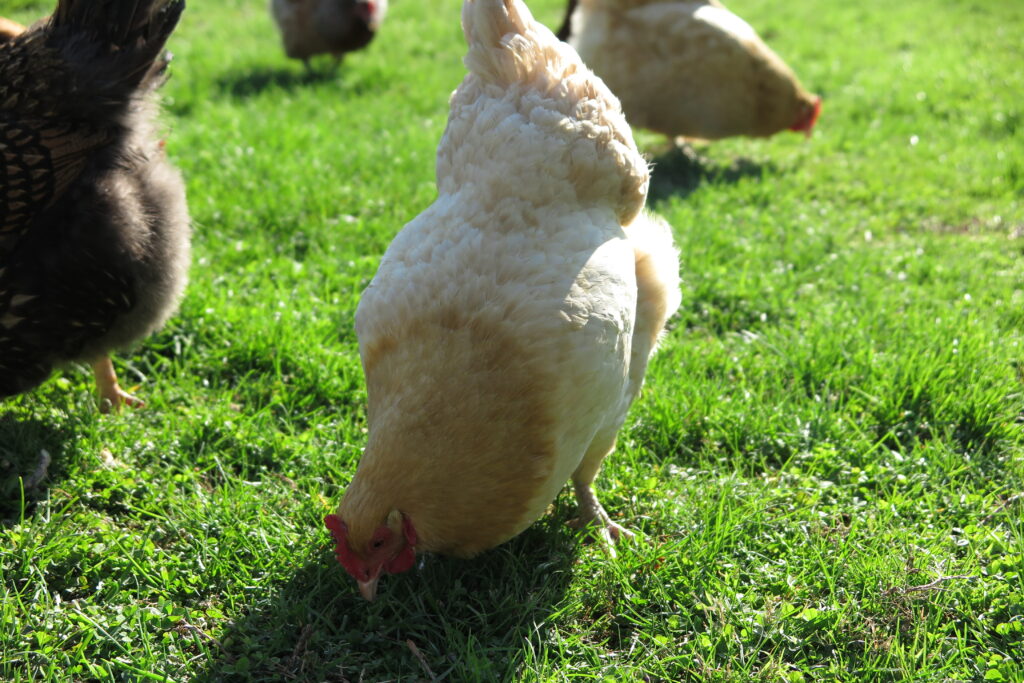
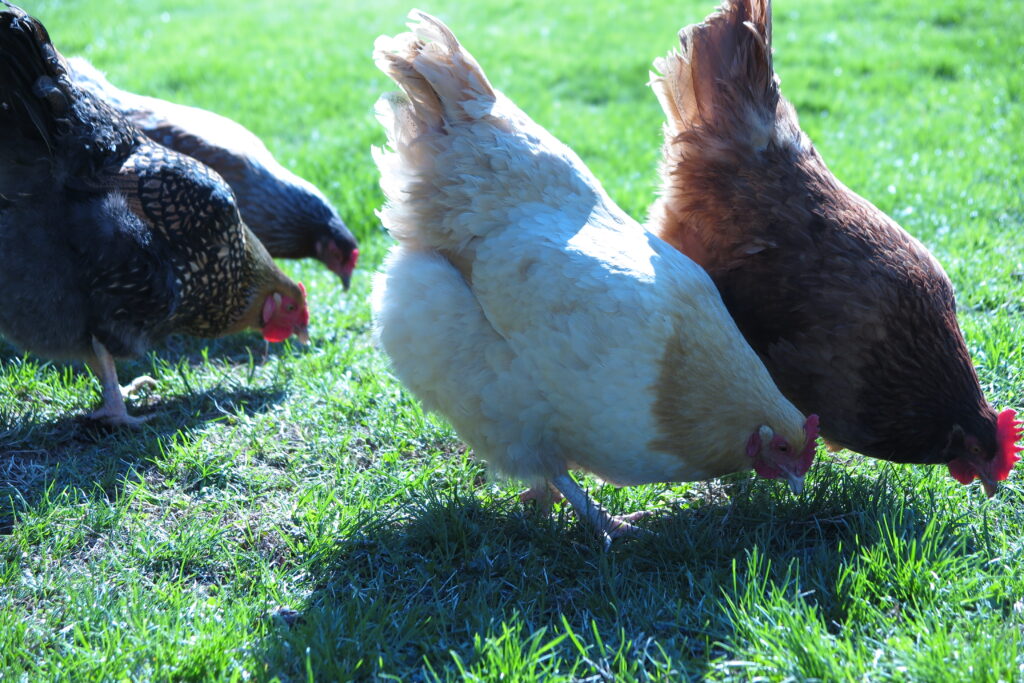
Buff Orpington chickens display calm and steady movement, often walking slowly while foraging across open areas. They are not known for being overly active or flighty, and instead prefer to move methodically as they explore their surroundings.
Socially, Buff Orpingtons tend to be gentle and cooperative within a flock. They are not highly territorial and usually integrate well with other chickens, making them a popular choice for mixed-breed backyard setups.
Vocalizations from this breed are generally soft and moderate compared to more vocal chicken types. They communicate through typical clucks and calls but are not excessively loud, which makes them suitable for residential areas.
Their daily activity patterns follow a predictable rhythm, with active periods during the day spent foraging, resting, and interacting with other flock members. As daylight fades, they return to roosting areas, maintaining a consistent routine.
Buff Orpington Chicken Habitat in Pennsylvania: Environment and Living Conditions
Buff Orpington chickens are most commonly found in managed domestic environments such as backyard coops, fenced runs, and small farms. These settings provide protection while still allowing access to open ground for movement.
Grassy yards and enclosed outdoor spaces work well for this breed because they allow for natural foraging while maintaining safety from predators. The soft soil and vegetation in Pennsylvania landscapes support their ability to move comfortably and interact with their environment.
Seasonal adaptability is one reason Buff Orpingtons thrive in Pennsylvania. Their dense feathering helps insulate them during colder months, while access to shaded areas allows them to remain comfortable during warmer seasons.
Overall, this breed is well-suited to human-managed environments where shelter, space, and basic care are provided. Their ability to adjust to Pennsylvania’s varied conditions makes them a reliable and commonly observed chicken in domestic settings.