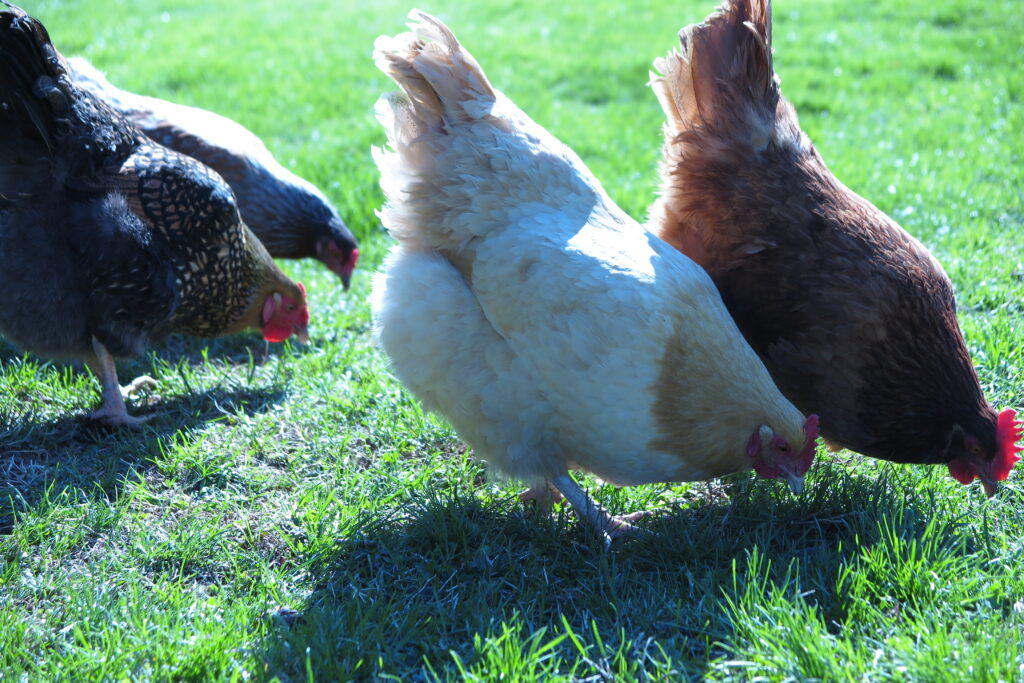
Buff Orpington Chicken Habitat in Pennsylvania: Environment, Range, and Living Conditions
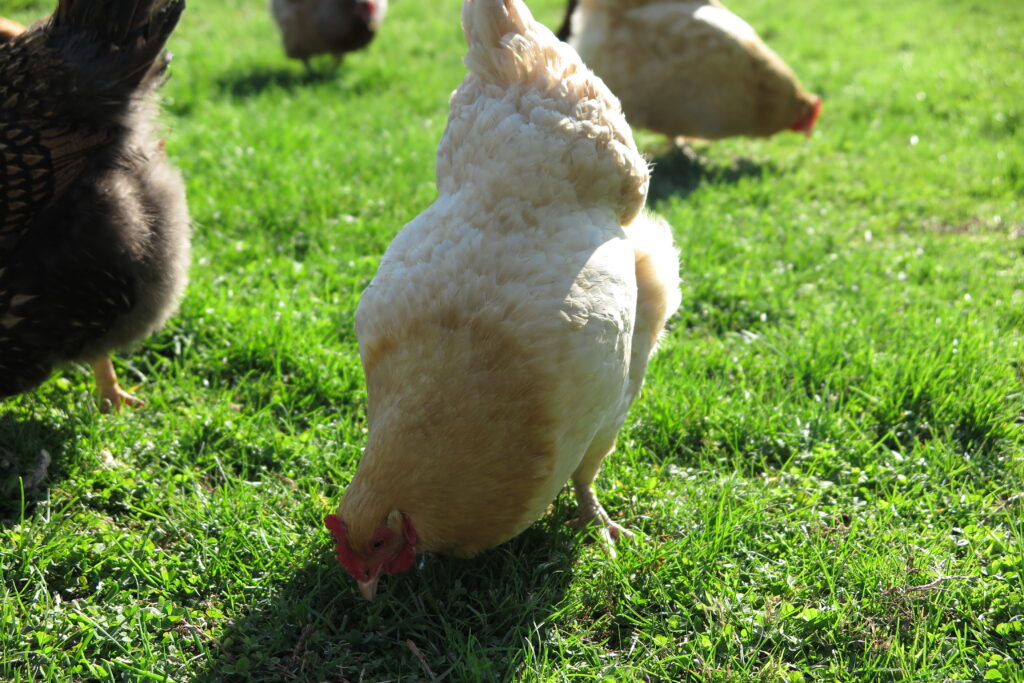
Quick Facts
Scientific Name: Gallus gallus domesticus
Common Name: Buff Orpington Chicken
Location: Domesticated worldwide (commonly found in backyard flocks across Pennsylvania)
Primary Habitat: Backyard coops and enclosed outdoor runs
Secondary Habitat: Small farms, homesteads, and fenced grassy yards
Range in Pennsylvania: Statewide in residential, suburban, and rural areas where chickens are raised
Climate Preference: Temperate climates; tolerant of both cold winters and warm summers
Elevation/Environment Type: Low to moderate elevations; human-managed environments with access to grass, soil, and shelter
The Buff Orpington chicken is a domesticated breed known for its soft golden feathers and widespread presence in managed environments. Originally developed in England, it has become a common sight in backyard poultry setups across the United States.
In Pennsylvania, Buff Orpington chickens are frequently found in residential properties, small farms, and rural homesteads. Their ability to adapt to different environments makes them a reliable choice for poultry keepers throughout the state.
From open grassy yards to structured coops, these chickens are typically observed in environments shaped and maintained by humans. Their presence reflects a balance between natural outdoor space and controlled living conditions.
Buff Orpington Chicken Habitat Overview: Environment, Range, and Adaptability
Buff Orpington chickens are most commonly associated with human-managed environments that combine shelter with access to open outdoor space. These environments are designed to provide protection while allowing room for movement and interaction with the ground.
Across Pennsylvania, their geographic range extends statewide wherever backyard poultry keeping is permitted. They can be found in suburban neighborhoods, rural farmland, and small-scale agricultural settings.
This breed demonstrates strong adaptability to a variety of environmental conditions. Whether in cooler northern regions of Pennsylvania or warmer southern areas, Buff Orpingtons are capable of adjusting to seasonal changes with minimal difficulty.
In general, their environmental preferences center around accessible ground space, reliable shelter, and moderate exposure to natural elements. These factors contribute to their success in a wide range of managed habitats.
Buff Orpington Chicken Habitat and Living Areas in Pennsylvania
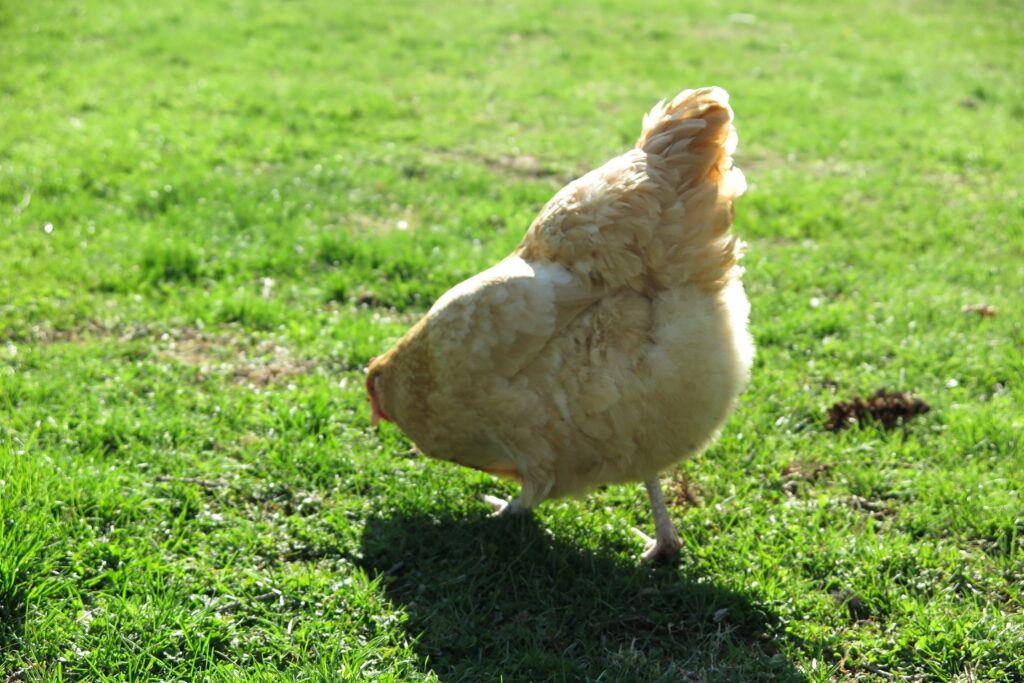
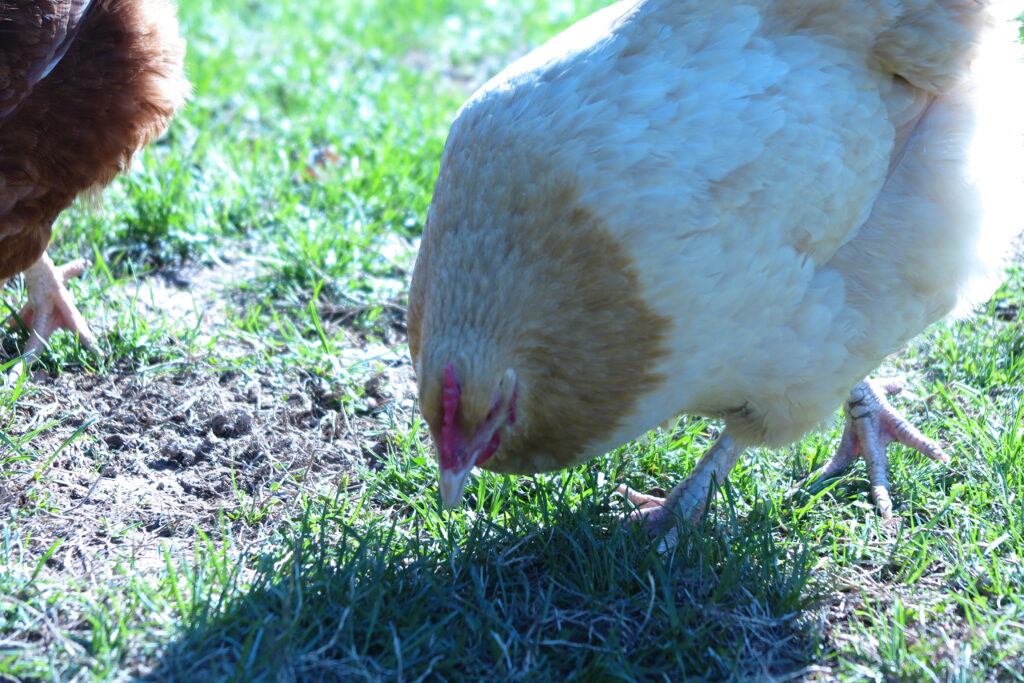
Buff Orpington chickens are typically found in backyard coops and enclosed runs that provide both safety and access to outdoor space. These areas are often located within grassy yards or open plots of land where the ground is easily accessible.
Grasslands and open yard environments support this breed by offering soft soil and vegetation. These conditions allow for natural interaction with the ground while maintaining a stable and predictable setting.
In suburban and rural areas, Buff Orpingtons are commonly kept in fenced spaces that limit exposure to predators while still allowing for movement. These controlled environments provide a balance between openness and protection.
On small farms and homesteads, they may also be found in larger enclosures that include a mix of grass, dirt, and shaded areas. These varied environments help support their ability to thrive in different types of managed landscapes.
Buff Orpington Chicken Environmental Conditions in Pennsylvania
Buff Orpington chickens are well-suited to Pennsylvania’s temperate climate, which includes cold winters and warm summers. Their dense feathering provides insulation during colder months, allowing them to remain comfortable in lower temperatures.
Seasonal changes influence the conditions of their environment, particularly in terms of temperature, daylight, and ground conditions. Snow, rain, and seasonal vegetation growth all contribute to the environments in which they are maintained.
The terrain in Pennsylvania, which often includes a mix of flat yards, gently sloping land, and soft soil, supports their presence in backyard and farm settings. These terrain types allow for stable footing and consistent ground access.
Vegetation such as grass, small plants, and shaded tree areas contributes to a balanced environment. These elements help regulate temperature, provide cover from direct sunlight, and support a natural outdoor setting within managed spaces.