Buff Orpington Chicken Behavior in Pennsylvania: Activity, Social Patterns, and Daily Habits
Quick Facts
Scientific Name: Gallus gallus domesticus
Common Name: Buff Orpington Chicken
Location: Domesticated worldwide (commonly found in backyard flocks across Pennsylvania)
Activity Type: Diurnal (active during the day)
Social Behavior: Group (flock-oriented, cooperative)
Territorial Behavior: Low; generally non-aggressive and tolerant of other flock members
Vocalizations: Soft clucking, occasional alert calls, and egg-laying vocal sounds
Migration/Seasonal Behavior: Non-migratory; remains in the same area year-round with slight activity changes based on daylight and temperature
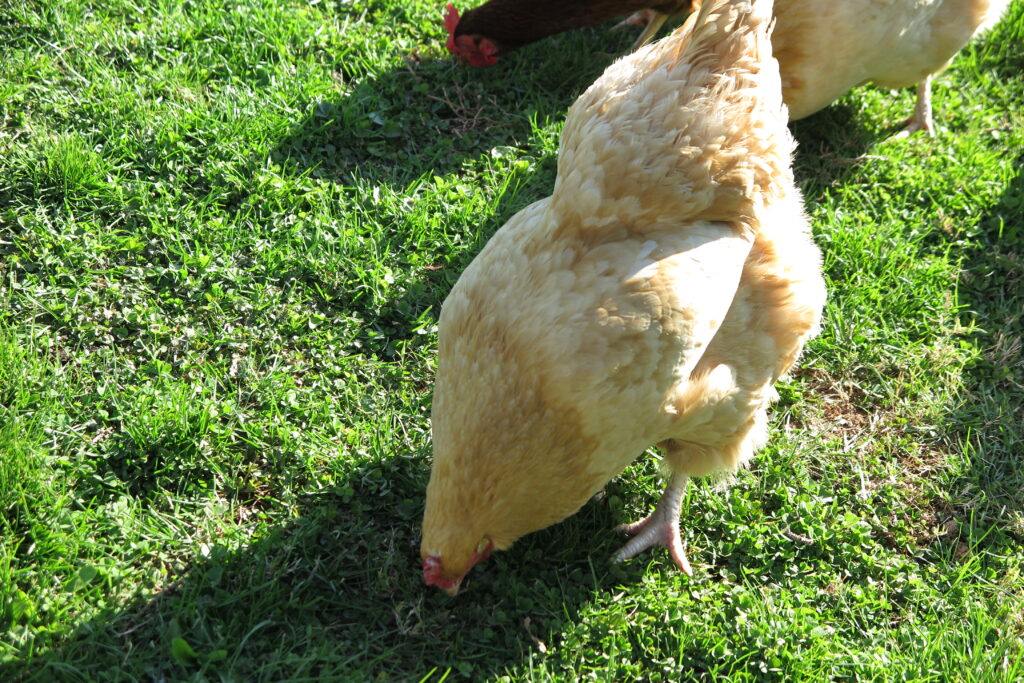
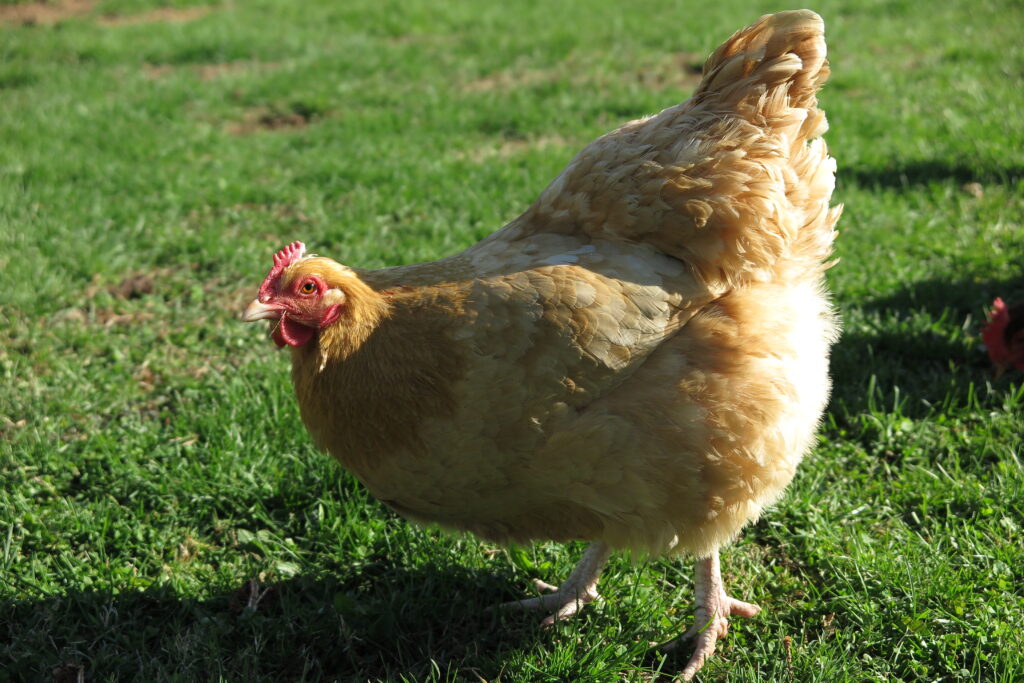
The Buff Orpington chicken is a well-known domestic breed recognized for its calm temperament and steady presence in backyard flocks. With its soft golden feathers and rounded body, it is one of the most easily identifiable chickens kept by poultry owners.
In Pennsylvania, Buff Orpington chickens are commonly observed in backyard coops, small farms, and enclosed outdoor spaces. Their ability to adapt to seasonal changes makes them a frequent sight in both rural and suburban environments throughout the state.
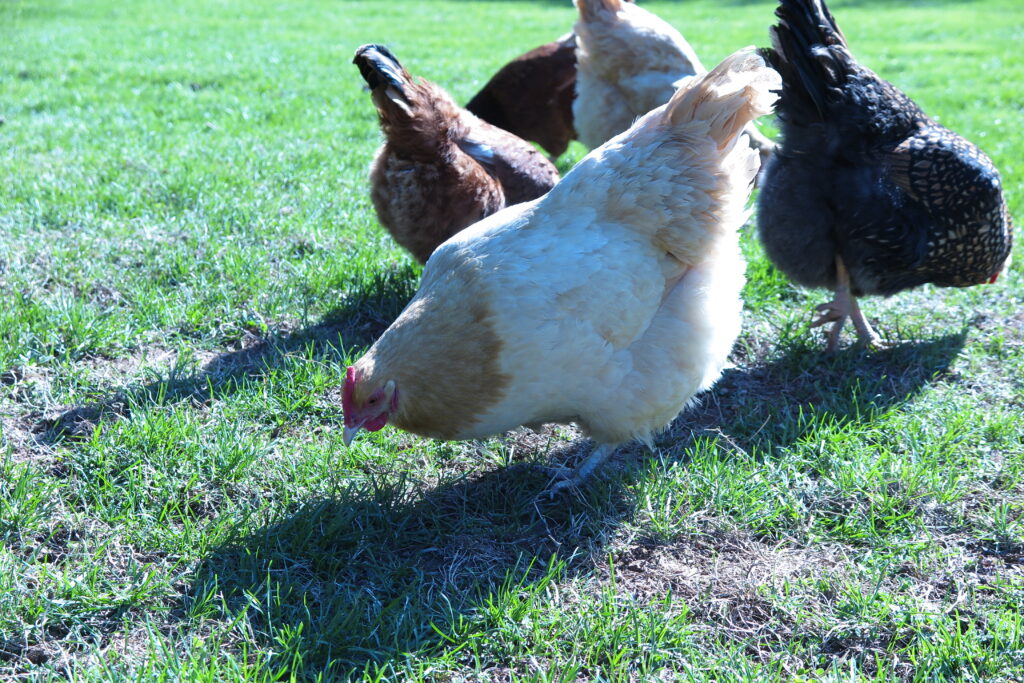
Whether seen slowly moving across a grassy yard or resting near a coop, these chickens display a consistent and predictable daily rhythm. Their behavior reflects a balance between activity and calm observation, making them a reliable and manageable breed for many flock owners.
Buff Orpington Chicken Behavior Overview: Movement, Activity, and General Traits
Buff Orpington chickens are known for their slow and steady movement patterns. Unlike more energetic or flighty breeds, they tend to move with purpose but without urgency, often walking rather than running as they explore their surroundings.
Their overall activity level is moderate, with consistent engagement throughout daylight hours. They spend much of their time interacting with their environment, but they do so in a controlled and relaxed manner rather than displaying bursts of high energy.
This breed shows strong adaptability in its behavior, adjusting well to changes in routine, flock dynamics, and environmental conditions. Buff Orpingtons are generally tolerant and maintain stable behavior even when introduced to new situations or companions.
In general, their behavioral traits are defined by calmness, predictability, and low aggression. These qualities make them especially suitable for mixed flocks and environments where consistent, manageable behavior is preferred.
Buff Orpington Chicken Behavior Patterns: Movement, Territory, and Vocalizations
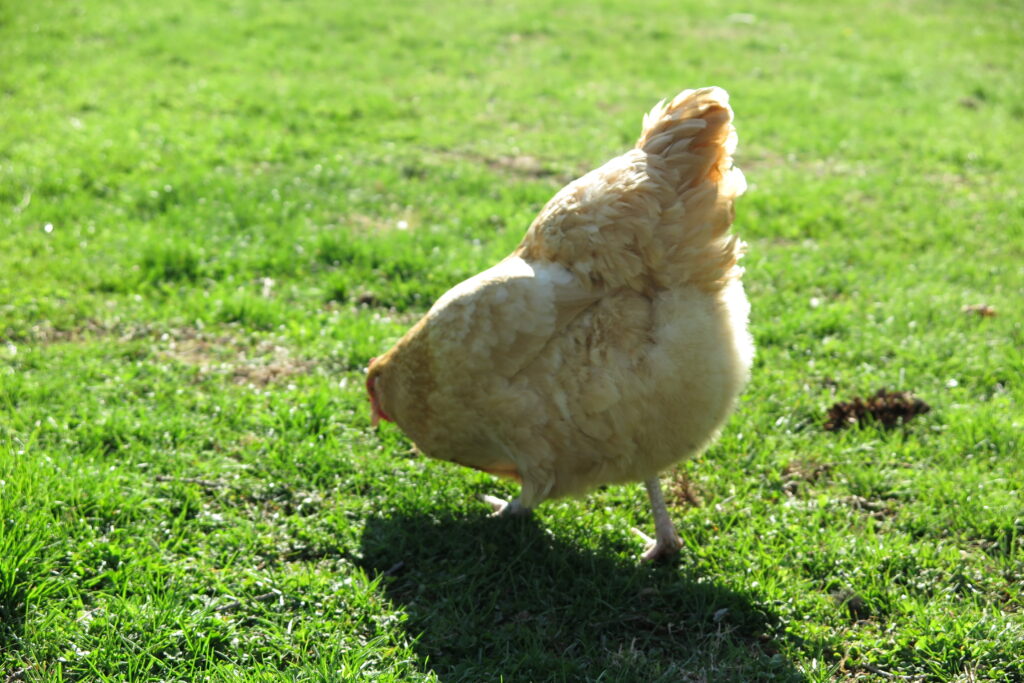
Buff Orpington chickens move in a deliberate and methodical way, often foraging across open areas while maintaining awareness of their surroundings. Their movement is typically grounded, with minimal attempts at flight due to their heavier build.
Territorial behavior in this breed is relatively minimal. Buff Orpingtons do not aggressively defend space and instead rely on flock structure to maintain order. They coexist well with other chickens and rarely engage in dominant or confrontational behavior.
Vocalizations are present but generally moderate. They communicate through soft clucking sounds, occasional alert calls, and more noticeable vocalizations during egg-laying periods. Compared to more vocal breeds, their noise level is manageable and consistent.
Their activity follows a diurnal pattern, meaning they are active during the day and rest at night. Seasonal changes, such as shorter daylight hours in Pennsylvania winters, may slightly reduce activity levels, but their overall routine remains stable year-round.
Buff Orpington Chicken Interaction and Survival Behavior in Pennsylvania
Buff Orpington chickens demonstrate cooperative social behavior within a flock. They are typically non-aggressive and integrate easily with other birds, relying on established social structures rather than forceful dominance to maintain stability.
When faced with potential threats, their response is generally cautious rather than reactive. Instead of sudden flight, they may pause, observe, and move away gradually, using awareness and positioning rather than speed as a primary response.
Feeding-related behavior is consistent and methodical. Buff Orpingtons tend to forage calmly, moving across the ground while maintaining awareness of nearby flock members. This approach allows them to balance feeding activity with social interaction.
Overall, their survival behavior is based on stability and awareness rather than aggression or high-speed escape. Their calm demeanor, combined with steady movement and strong flock integration, contributes to their success in managed environments across Pennsylvania.