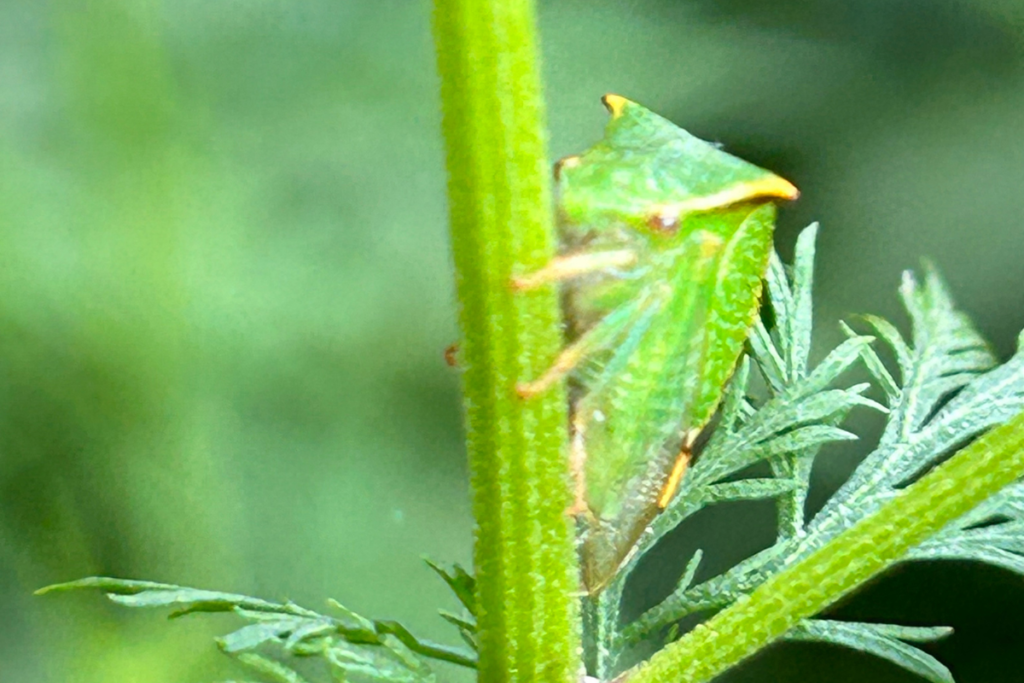
Buffalo Treehopper Behavior: Activity Patterns, Movement, and Survival Strategies
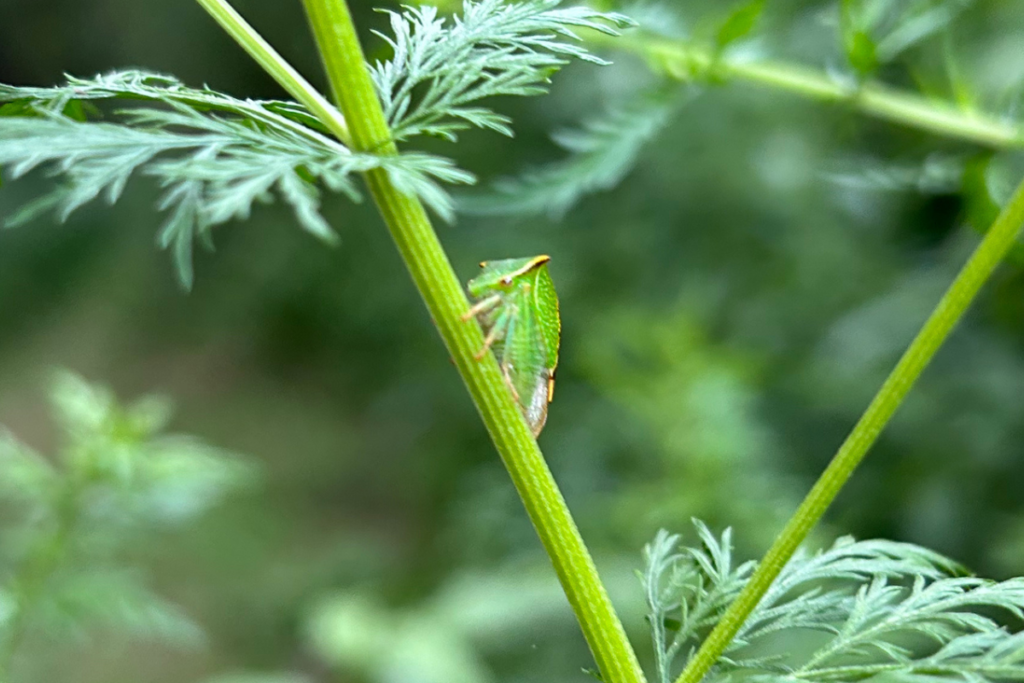
Quick Facts
Activity Type: Diurnal
Social Structure: Often found in small groups
Territorial Behavior: Low
Movement Style: Slow climbing and short hops
Communication Method: Vibrational signals
Defense Strategy: Camouflage and stillness
The buffalo treehopper is active during daylight hours, often remaining visible on plant stems. Its activity is subtle, with long periods of stillness broken by brief movement. This pattern allows it to remain undetected while still functioning effectively.
Rather than constantly moving, it conserves energy by staying in one place. This stillness is a key part of its behavioral strategy. Movement is typically slow and deliberate when it occurs.
Its behavior is closely tied to maintaining its position on plant surfaces. It does not wander widely but instead focuses on localized movement. This approach reduces exposure to potential threats.
Overall, its behavior reflects efficiency and restraint. It relies on blending into its environment rather than active avoidance. This makes it a quiet but persistent presence on vegetation.
Buffalo Treehopper Movement and Daily Activity Cycles
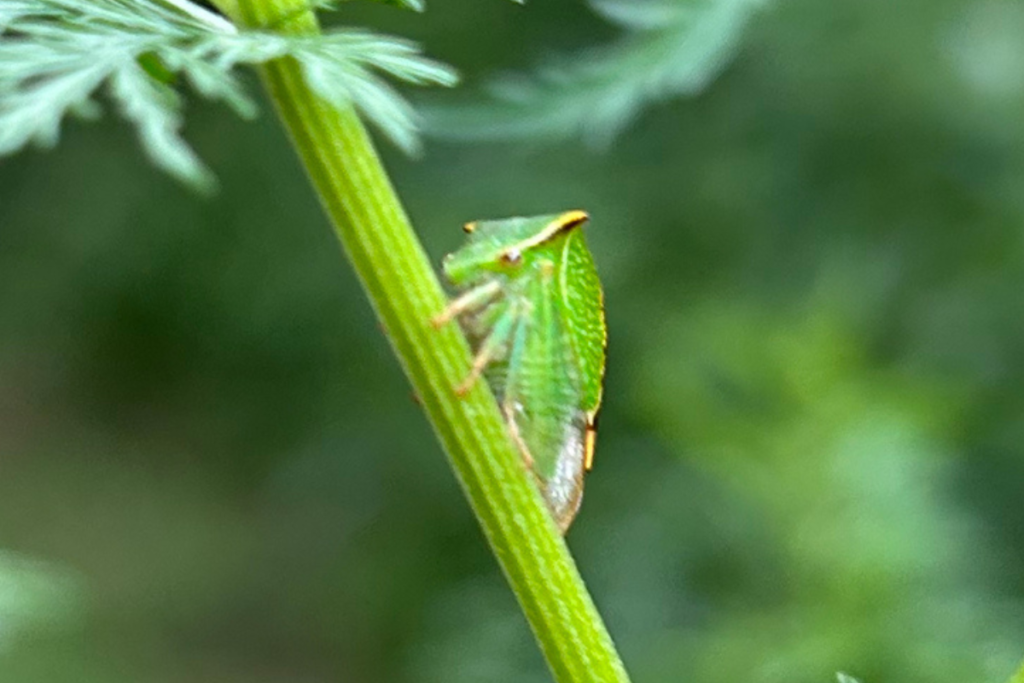
The movement of the buffalo treehopper is controlled and minimal. It walks along plant stems using careful, deliberate steps. This slow movement helps maintain its disguise.
Occasionally, it may perform short hops to reposition itself. These movements are quick and usually occur when disturbed. After moving, it quickly returns to stillness.
Its activity remains consistent throughout the day, with no dramatic shifts in behavior. It adjusts slightly based on environmental conditions but does not follow extreme patterns. This stability supports its overall survival strategy.
Energy use is kept low by limiting unnecessary movement. This allows it to remain active over extended periods without strain. Its approach emphasizes conservation rather than constant activity.
Buffalo Treehopper Interaction and Defensive Responses
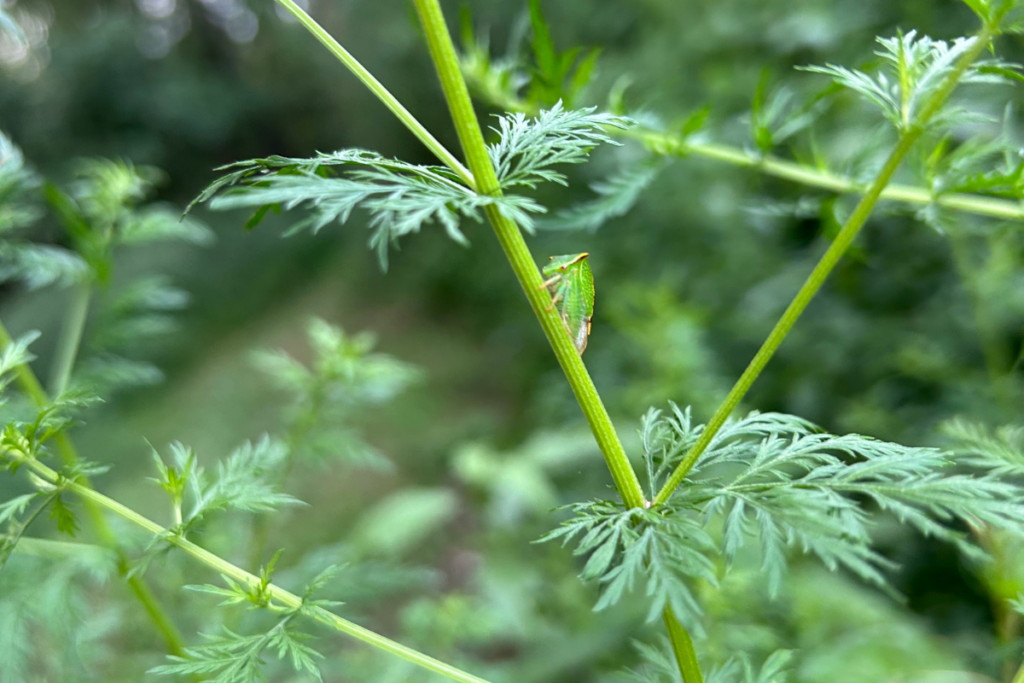
When threatened, the buffalo treehopper relies primarily on remaining still. Its camouflage makes it difficult for predators to distinguish it from the plant. This passive defense is highly effective.
In some cases, it may shift position slightly to maintain its disguise. These movements are subtle and controlled. They help preserve the illusion of being part of the plant.
Interaction with other individuals is generally calm and non-aggressive. It may be found near others without conflict. These groupings are often loose and temporary.
Direct confrontation is rare. The insect avoids drawing attention rather than engaging with threats. This approach reduces the need for aggressive behavior.
Buffalo Treehopper Survival Strategies and Social Tendencies
The buffalo treehopper survives by combining camouflage with controlled movement. Its ability to remain unnoticed is its strongest defense. This strategy reduces the likelihood of detection.
It often exists in small clusters, especially on suitable plant stems. These groupings do not indicate complex social behavior but reflect shared conditions. Each individual operates independently.
Its survival depends on maintaining its position and minimizing exposure. By staying aligned with plant structures, it avoids standing out. This simple approach proves highly effective.
Overall, its behavior reflects adaptation through subtlety. It does not rely on speed or strength but on remaining hidden. This quiet strategy allows it to persist across a wide range of environments.