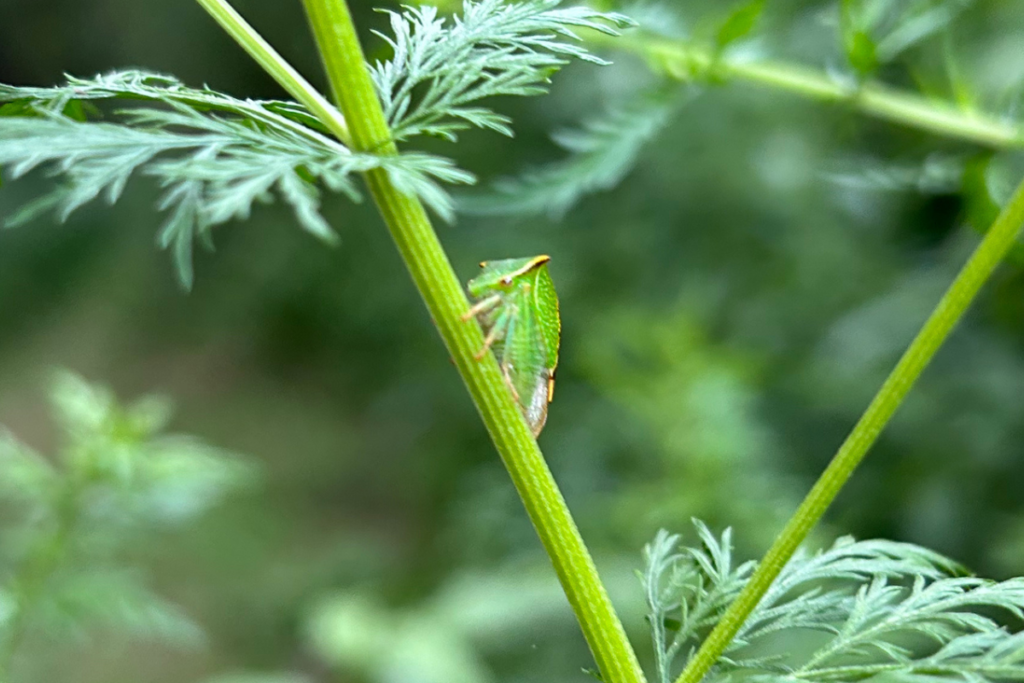
What Do Buffalo Treehoppers Eat? Diet and Feeding Behavior Explained
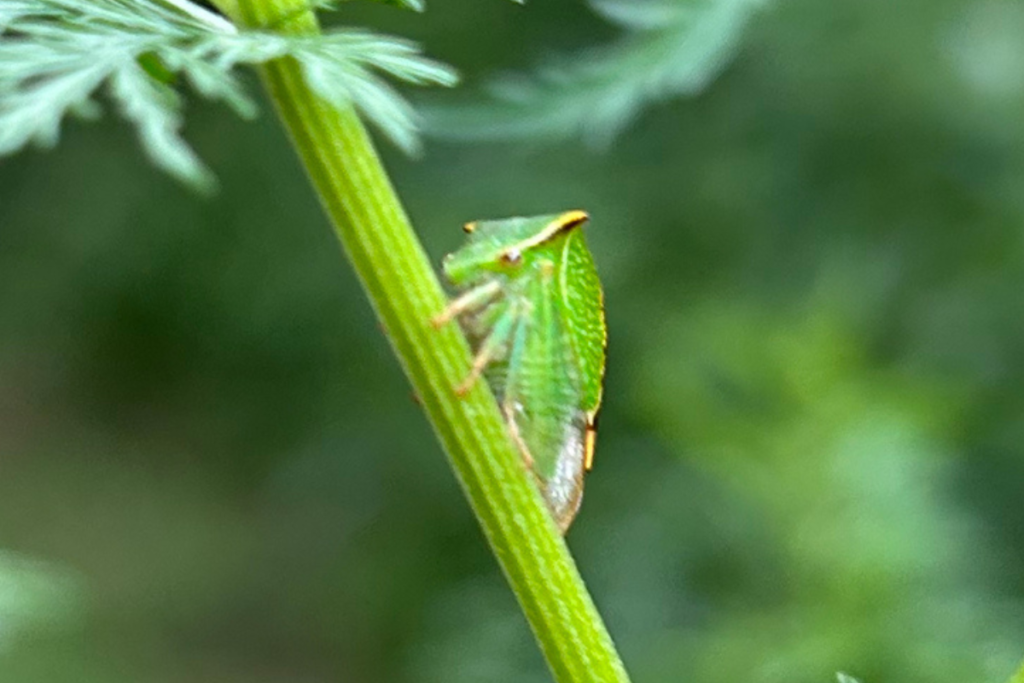
Quick Facts
Diet Type: Herbivore
Main Food Sources: Plant sap
Feeding Time: Daytime
Foraging Method: Piercing-sucking mouthparts
Seasonal Diet Changes: Linked to plant growth cycles
Predatory Adaptations: None (non-predatory species)
The buffalo treehopper feeds in a way that is both subtle and highly specialized, drawing nourishment directly from plant tissues. Its feeding method allows it to access nutrients without consuming solid plant material.
This insect is found throughout eastern North America, where it interacts closely with a variety of plant species. Its diet reflects the availability of suitable vegetation within its range.
Unlike chewing insects, the buffalo treehopper relies on internal plant fluids rather than external structures. This feeding style shapes how it interacts with its environment.
Its dietary habits are quiet and often go unnoticed, yet they are essential to its survival.
Buffalo Treehopper Diet Overview and Feeding Type
Buffalo treehoppers are herbivores that feed primarily on plant sap. This nutrient-rich fluid provides the sugars and compounds needed for energy and growth.
Their feeding method involves piercing plant tissue with specialized mouthparts. These structures allow them to tap into internal plant systems without causing immediate visible damage.
They tend to remain attached to a single feeding site for extended periods, drawing a steady supply of nutrients. This stationary feeding style aligns with their generally low movement patterns.
Their diet is consistent across their range, with variations depending on the types of plants available.
Natural Food Sources of the Buffalo Treehopper
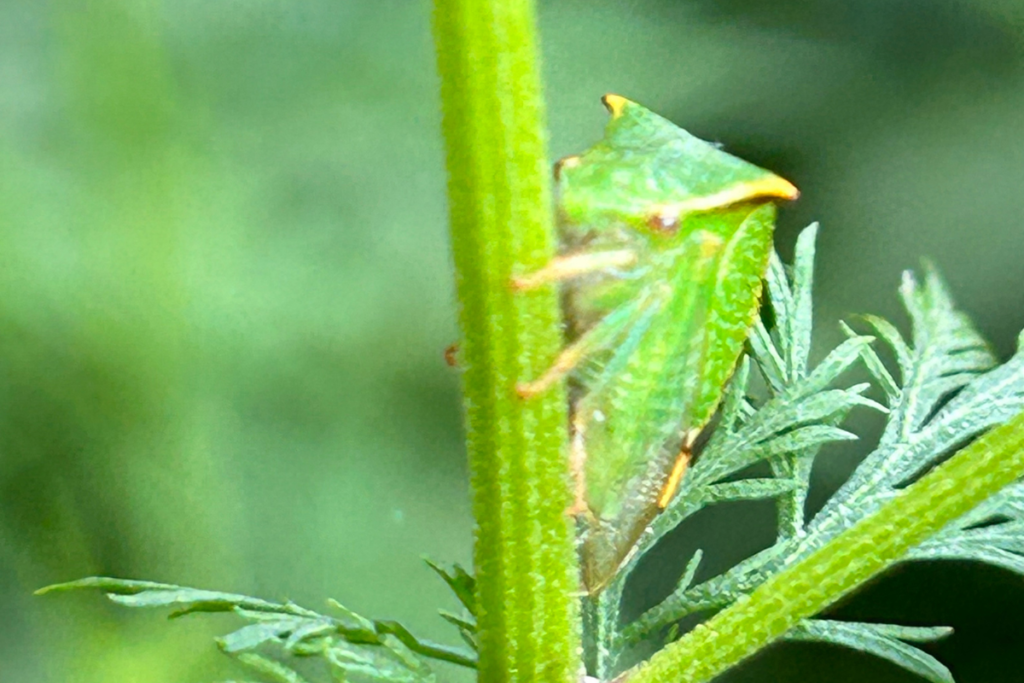
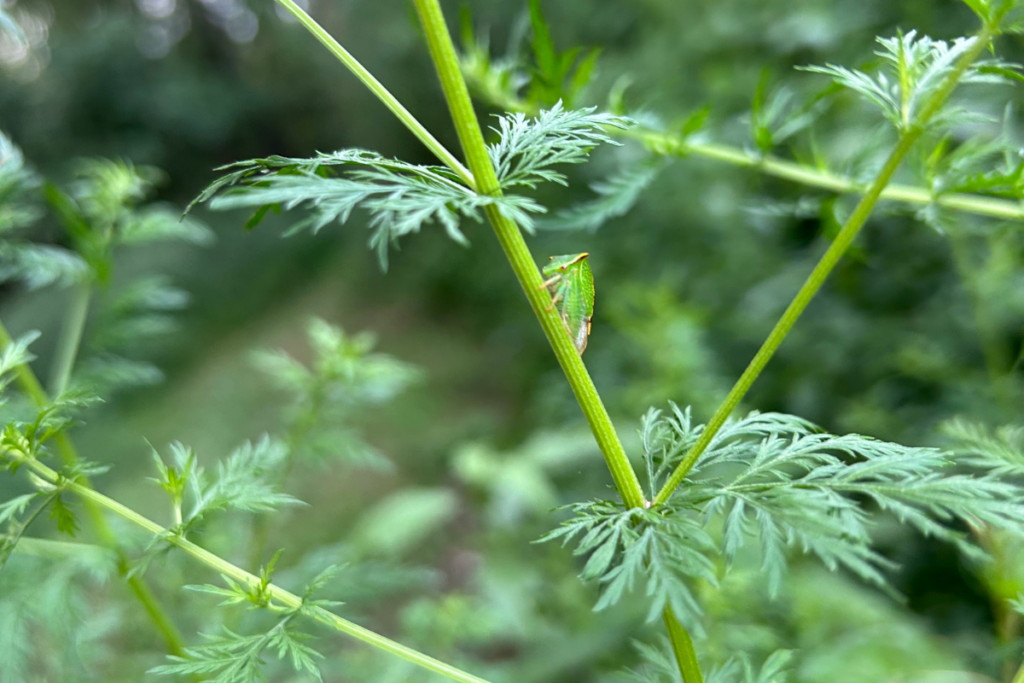
The primary food source for buffalo treehoppers is sap from a variety of plants, including shrubs, trees, and herbaceous species. They are not restricted to a single plant type, allowing them flexibility in different environments.
Young, actively growing plants often provide the most accessible feeding sites. These areas tend to have higher sap flow, making them particularly attractive.
Different plant species may influence the quality and composition of the sap consumed. This can lead to subtle variations in feeding preference depending on location.
Their ability to utilize multiple plant types contributes to their wide distribution and adaptability.
Buffalo Treehopper Feeding Behavior and Survival
Feeding behavior in buffalo treehoppers is closely tied to their ability to remain undetected. They often position themselves along stems where they can feed while maintaining their camouflage.
Once attached, they insert their mouthparts and remain relatively still, drawing sap over extended periods. This approach minimizes movement and reduces exposure to predators.
They may shift feeding sites occasionally, especially if the flow of nutrients changes or the plant condition varies. These movements are usually short and deliberate.
Survival depends on maintaining access to healthy plants, as well as avoiding detection during feeding. Their combination of specialized mouthparts and physical disguise allows them to achieve both effectively.