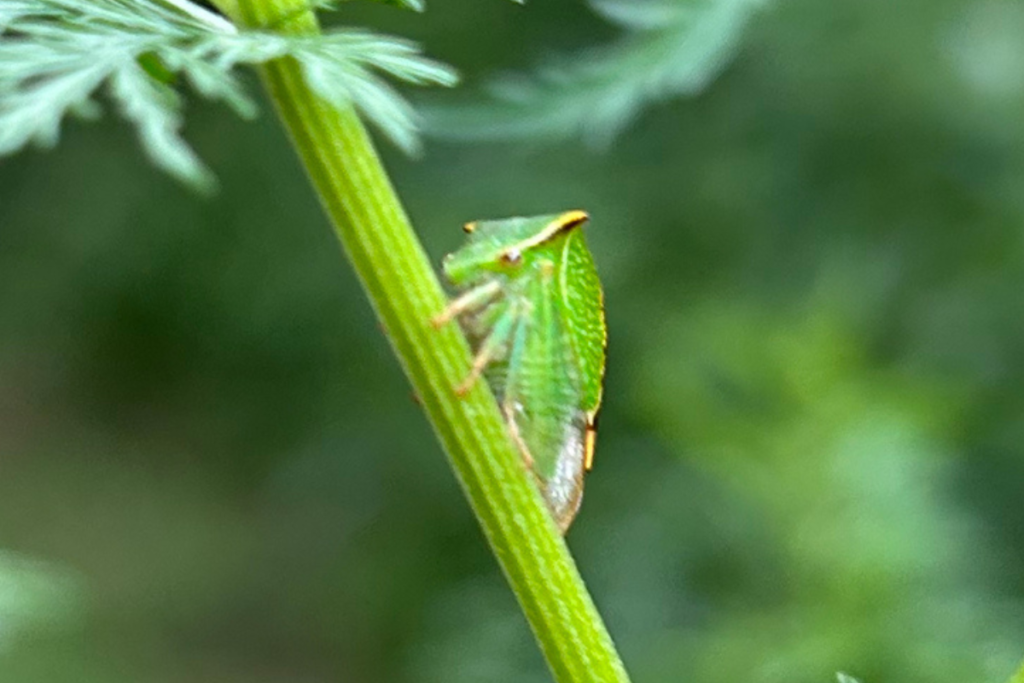
Buffalo Treehopper Habitat: Where Buffalo Treehoppers Live and Thrive
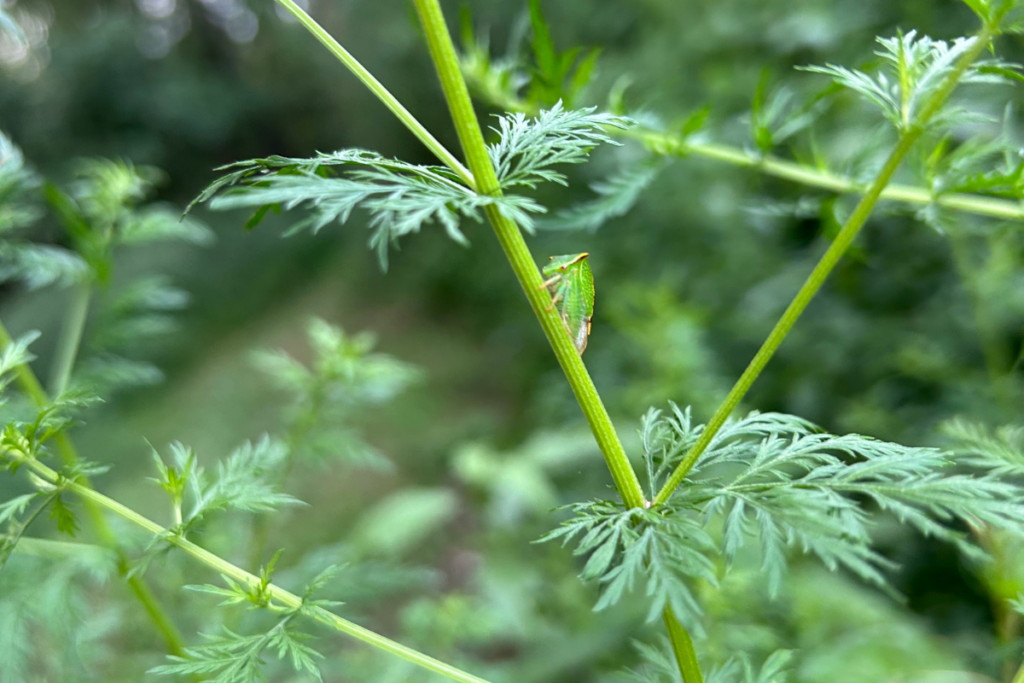
Quick Facts
Primary Habitat: Deciduous woodlands and shrubs
Secondary Habitat: Fields, gardens, hedgerows
Climate Preference: Temperate
Environment Type: Vegetated terrestrial environments
Elevation Range: Low to moderate elevations
Geographic Distribution: Eastern North America, introduced Europe
The buffalo treehopper is closely tied to environments where vegetation provides both structure and support. Its presence is most often associated with areas rich in plant life, particularly those with accessible stems and branches.
Across eastern North America, it can be found in a wide variety of landscapes, from natural woodlands to human-managed gardens. Its adaptability allows it to occupy both wild and semi-developed areas.
Though small, its habitat preferences are specific enough to ensure it remains within environments that offer suitable plant hosts. These areas provide the necessary surfaces for resting and movement.
The habitats it occupies are often overlooked, yet they form a critical backdrop for its daily existence.
Buffalo Treehopper Habitat Overview and Range
Buffalo treehoppers are widely distributed throughout eastern regions of North America. Their range extends across various climates within the temperate zone, allowing them to thrive in diverse conditions.
They are not limited to a single type of environment, showing flexibility in where they can establish themselves. This adaptability contributes to their success in both natural and altered landscapes.
In introduced regions, such as parts of Europe, they have demonstrated the ability to integrate into new ecosystems with similar vegetation.
Their range reflects a balance between environmental tolerance and dependence on plant availability.
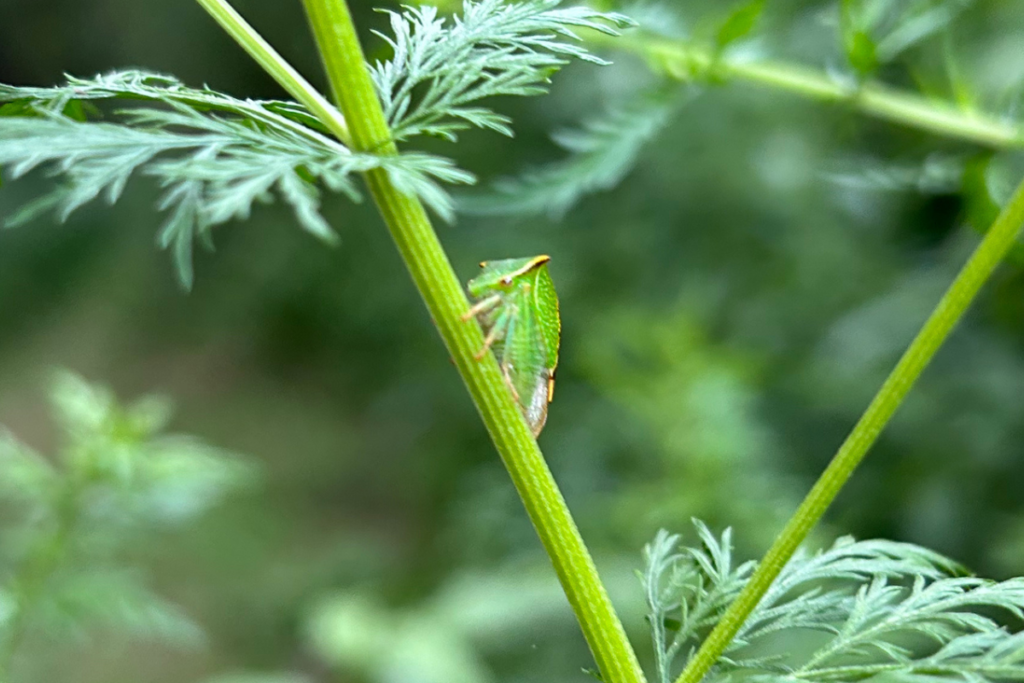
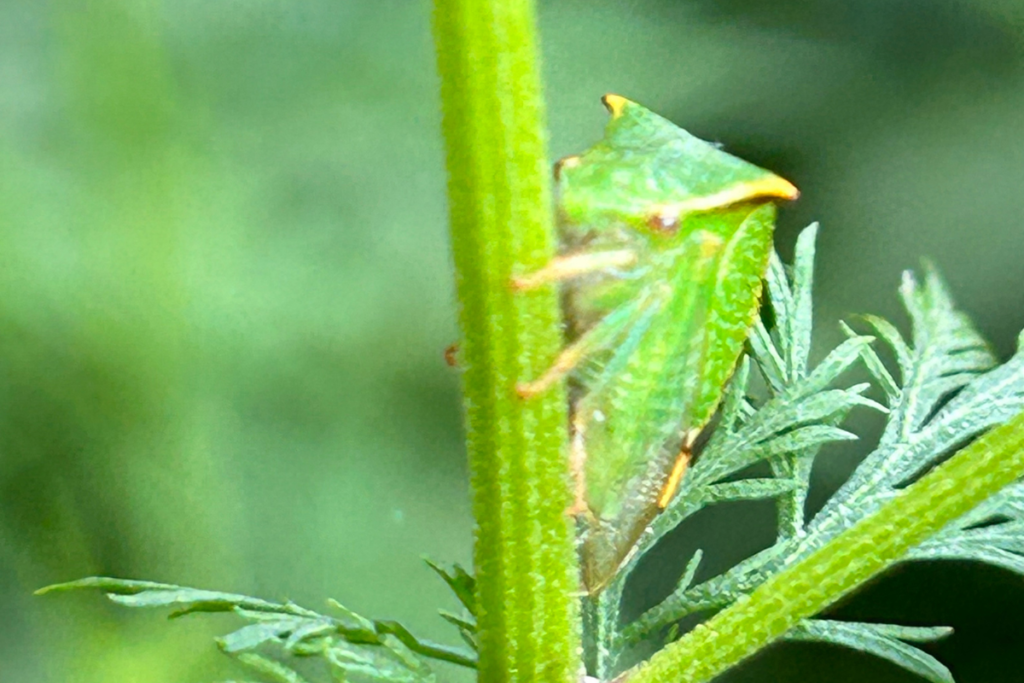
Natural Habitat Types of the Buffalo Treehopper
This species is commonly associated with deciduous forests, where a variety of trees and shrubs provide suitable surfaces. The abundance of stems and branches creates an ideal setting for their presence.
They are also frequently found in open fields and meadow edges, especially where shrubs or small trees are present. These transitional zones offer both exposure and cover.
Gardens and orchards can also support buffalo treehoppers, particularly when they contain woody plants or structured vegetation. These environments often mirror natural habitats in simplified forms.
Hedgerows and roadside vegetation serve as additional habitat types, allowing the species to persist even in fragmented landscapes.
Environmental Conditions Supporting Buffalo Treehoppers
Buffalo treehoppers favor temperate climates with moderate seasonal variation. These conditions support the growth of the vegetation they rely on for positioning and movement.
They are typically found in areas with sufficient sunlight to sustain plant growth, though they may occupy both shaded and partially exposed locations.
Vegetation density plays an important role, as it provides both structure and visual cover. Environments with varied plant heights and textures are especially suitable.
Terrain is generally not a limiting factor, as long as vegetation is present. From flat fields to gentle slopes, their habitat selection is guided more by plant availability than by landform.