What Do Common Plumose Anemones (Metridium senile) Eat? Diet, Feeding Habits, and Prey
Quick Facts
Scientific Name: Metridium senile
Common Name: Common Plumose Anemone
Diet Type: Carnivore (suspension feeder)
Main Food Sources: Plankton, tiny crustaceans, larvae, organic particles
Feeding Time: Continuous (driven by water flow rather than time of day)
Foraging Method: Passive capture using tentacles
Seasonal Diet Changes: Varies with plankton availability
Predatory Adaptations: Stinging cells (nematocysts) and dense tentacle crown
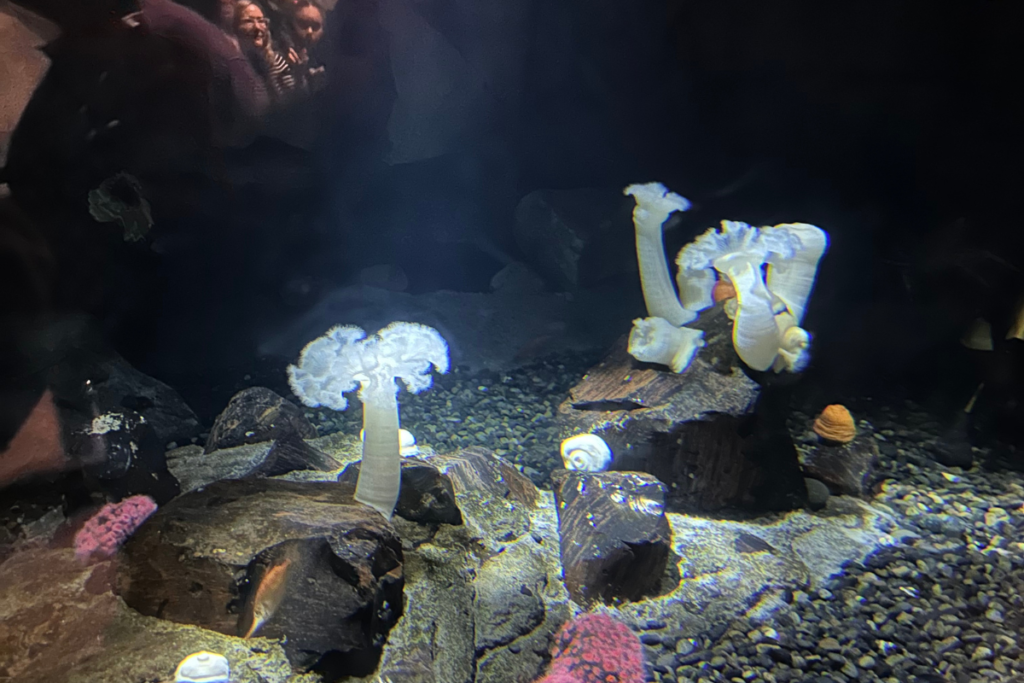
Location Observed: Atlanta, Georgia, USA (Exhibit)
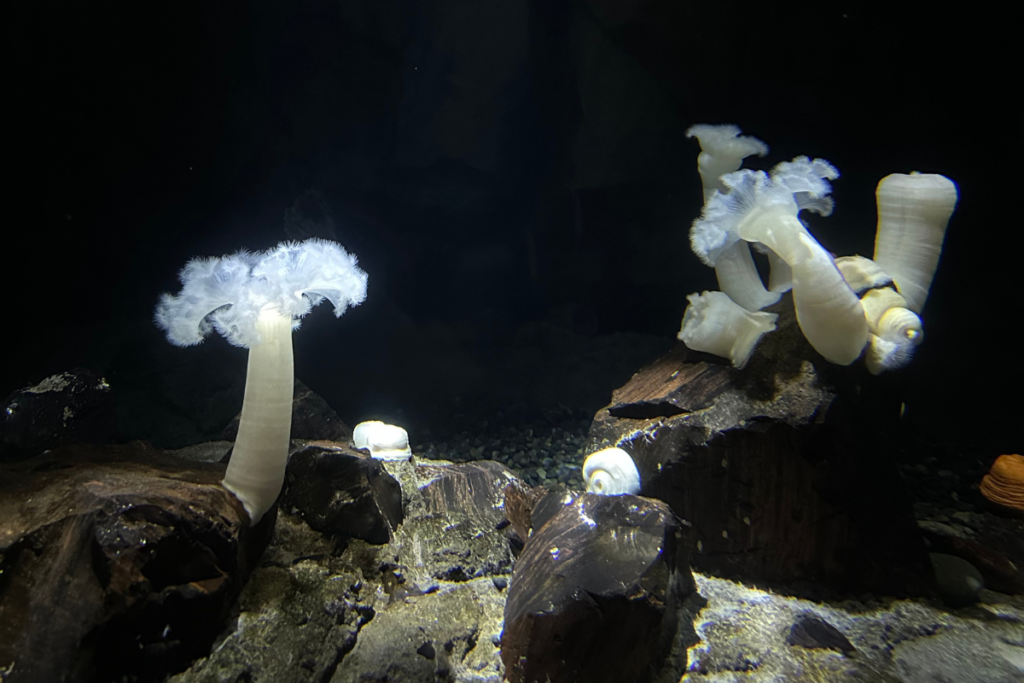
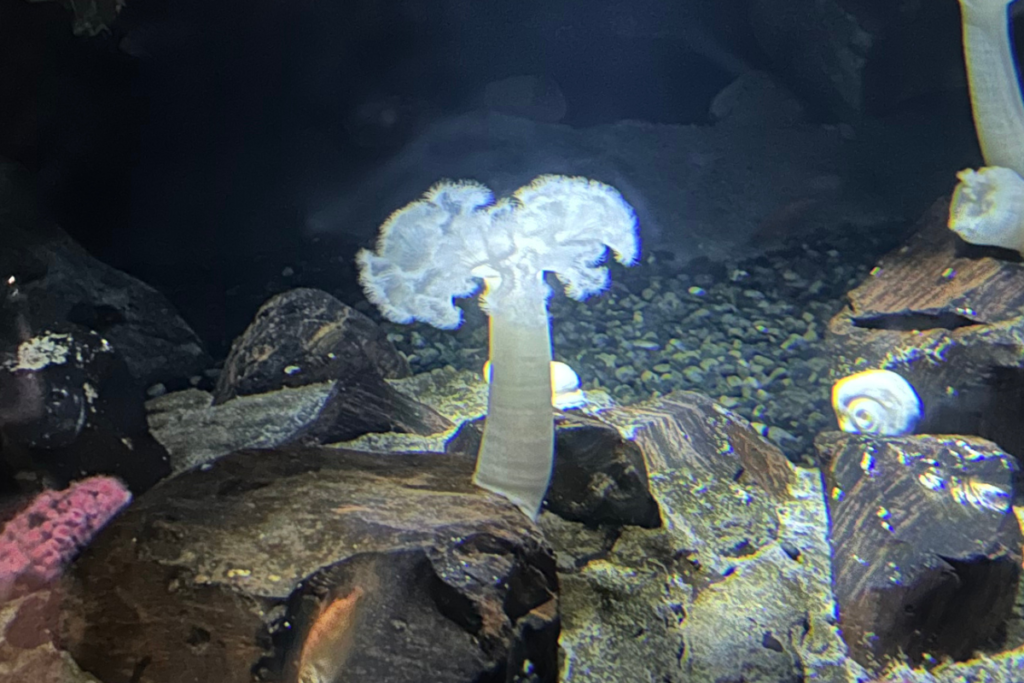
The common plumose anemone (Metridium senile) is a soft-bodied marine animal recognized for its tall column and feather-like crown of tentacles. While it may resemble a plant, it is an active carnivore that depends entirely on capturing microscopic prey from the surrounding water.
This species is naturally distributed across the North Atlantic and North Pacific Oceans, where it is commonly found attached to solid surfaces in cold coastal waters. Its widespread presence reflects an ability to feed efficiently in environments where food is carried by moving water.
In a calm underwater scene, the anemone appears still, yet its extended tentacles form a wide, delicate net. As water flows past, tiny organisms drift into reach, creating a constant, invisible exchange between the animal and its surroundings.
Common Plumose Anemone Diet Overview and Feeding Type
The common plumose anemone is classified as a carnivorous suspension feeder. Rather than actively hunting prey, it relies on capturing small organisms that drift through the water. This feeding style allows it to gather nutrients without expending energy on movement.
Its diet consists primarily of microscopic life forms, including plankton and small aquatic organisms. These food sources are abundant in marine environments, making it possible for the anemone to feed consistently over time. The dense arrangement of tentacles increases its ability to intercept these particles.
Adaptability plays a key role in its feeding success. The anemone does not depend on a single type of prey but instead captures whatever suitable particles are carried by the water. This flexibility allows it to maintain a steady intake even when specific food sources fluctuate.
Overall, its feeding strategy is efficient and continuous. By remaining extended and positioned within flowing water, the anemone creates a passive system that brings food directly to it rather than requiring active pursuit.
Common Plumose Anemone Diet and Food Sources
The diet of the common plumose anemone includes a wide range of microscopic and small organisms suspended in the water. Plankton forms the foundation of its diet, along with tiny crustaceans and drifting larvae. These organisms provide the nutrients necessary for growth and maintenance.
In addition to living prey, the anemone can also capture fine organic particles. These may include fragments of decomposing material or other nutrient-rich debris that becomes suspended in the water. This broadens its available food sources beyond strictly living organisms.
Food availability can vary over time, influencing how much the anemone is able to consume. Periods of increased plankton presence allow for more frequent feeding, while lower availability may reduce intake. Despite this variation, the anemone’s passive feeding method allows it to take advantage of any opportunity that arises.
Seasonal changes in the marine environment can also affect the types of food present. Fluctuations in plankton populations may shift the composition of its diet, but the anemone remains capable of adjusting due to its non-selective feeding approach.
Common Plumose Anemone Feeding Behavior and Survival Strategies
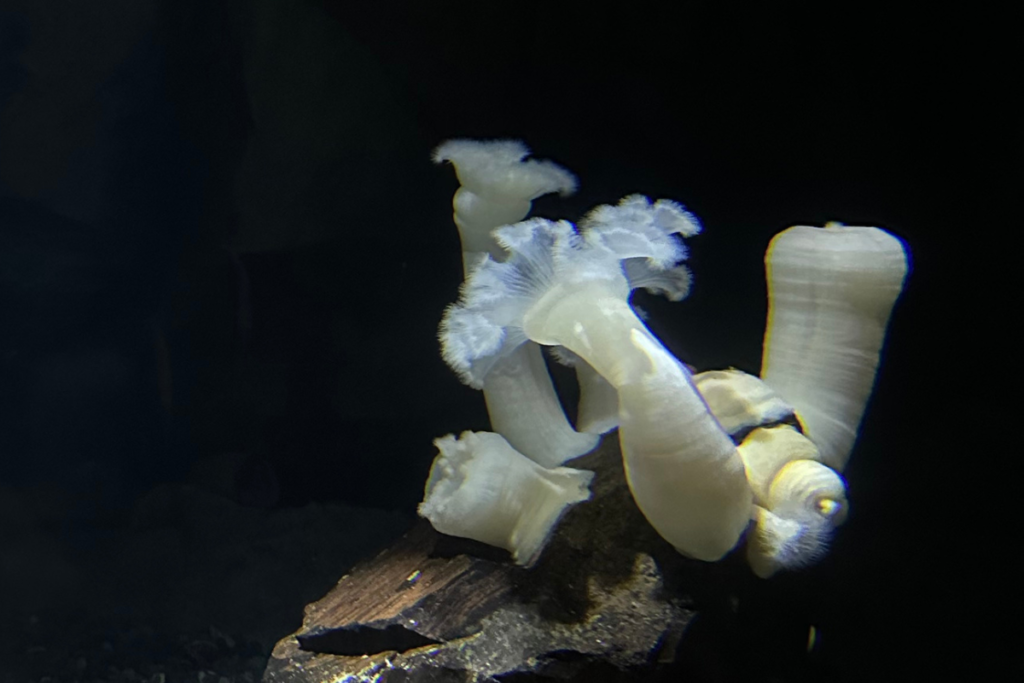
The feeding behavior of the common plumose anemone is centered around its extended tentacles, which function as a fine capture surface. As water passes through, these tentacles intercept small organisms and particles, bringing them into contact with the animal.
Once prey is captured, it is transferred toward the center of the tentacle crown. This process is subtle and continuous, occurring without rapid or visible motion. The efficiency of this system allows the anemone to feed without leaving its anchored position.
Competition for food is managed through positioning rather than direct interaction. By occupying areas where water flow carries more particles, the anemone increases its chances of feeding successfully. This passive competition reflects its reliance on environmental conditions rather than aggressive behavior.
In terms of survival, its feeding strategy is built on consistency and efficiency. The combination of a large capture surface, sensitivity to surrounding conditions, and the ability to utilize a wide range of food sources allows the common plumose anemone to sustain itself over long periods without active hunting.