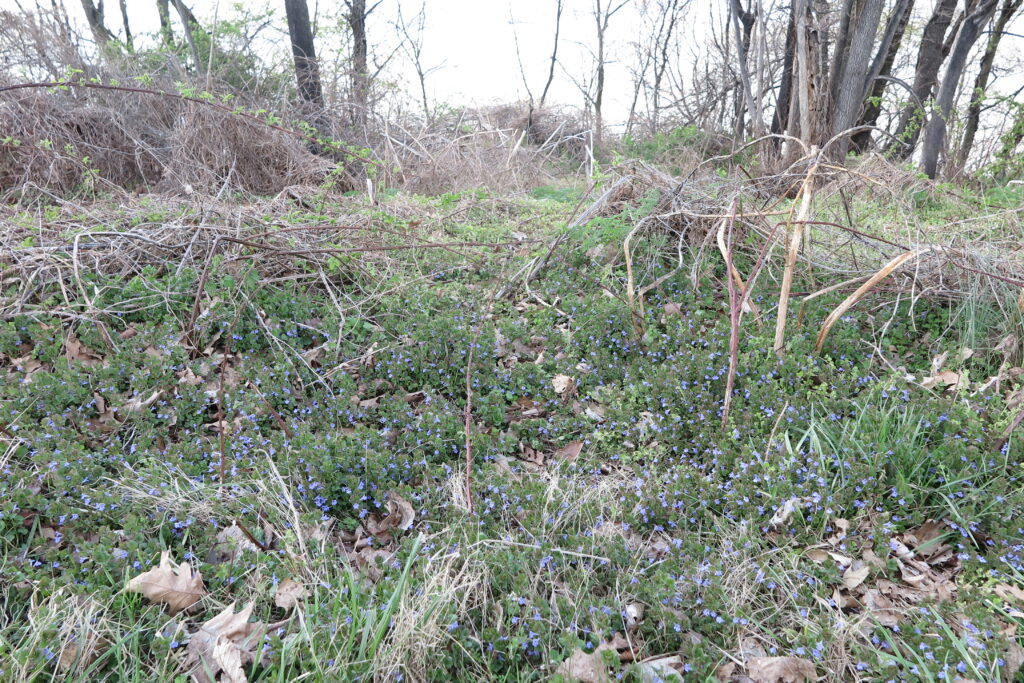
Creeping Charlie Habitat: Where Ground Ivy Grows and Thrives (Glechoma hederacea Guide)
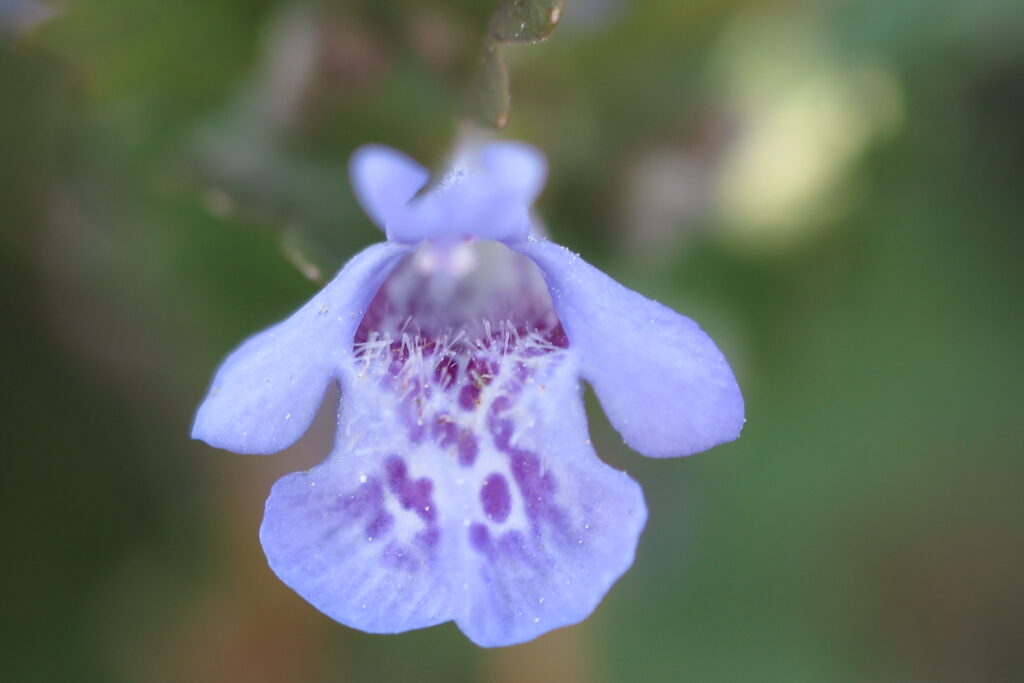
Quick Facts
Primary Habitat: Garden, Lawn, Forest edges, Grassland, Urban/Suburban areas
Soil Type: Loamy, Clay, Moist well-drained soils (highly adaptable)
Soil pH Preference: Neutral to slightly acidic (tolerates a range)
Moisture Level: Moist (tolerates moderate dryness)
Climate Zone: Temperate
USDA Hardiness Zone: 3–10
Elevation Range: Sea level to moderate elevations (~0–8,000 ft adaptable)
Light Requirements: Full sun to full shade (thrives in shade)
Location Observed: Pennsylvania, USA
Creeping Charlie (Glechoma hederacea), also known as ground ivy, is a low-growing perennial plant recognized for its ability to spread across surfaces and form dense patches of greenery. Its small purple-blue flowers and rounded leaves give it a distinct appearance that stands out in early spring.
Native to Europe and parts of Asia, this plant has expanded across temperate regions worldwide. It is now commonly found throughout North America, where it has become a familiar presence in both natural and managed environments.
As the seasons shift, it appears woven through grass, along edges, and beneath other vegetation. Its growth pattern creates a continuous layer across the ground, blending into its surroundings while maintaining a noticeable presence.
Creeping Charlie Habitat Overview
The habitat of Creeping Charlie is defined by flexibility and persistence. It is capable of establishing itself across a wide range of environments, adapting to different conditions with ease.
Within its global range, it is most commonly associated with temperate climates, where seasonal variation supports its annual cycle. These regions provide the balance of temperature and moisture that allows it to maintain a consistent presence.
The plant shows a strong preference for environments where it can spread freely along the ground. Open spaces, partially covered areas, and locations with minimal obstruction all contribute to its ability to establish and expand.
One of its most notable characteristics is its success in human-influenced environments. It frequently appears in residential areas, blending into lawns and gardens while also extending into nearby natural spaces.
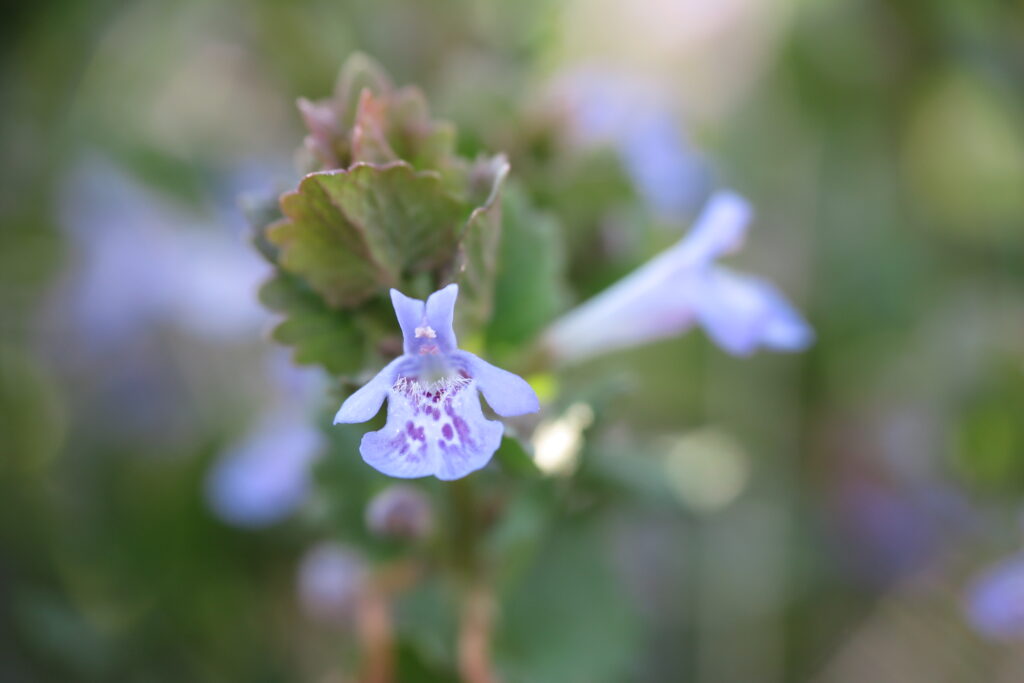
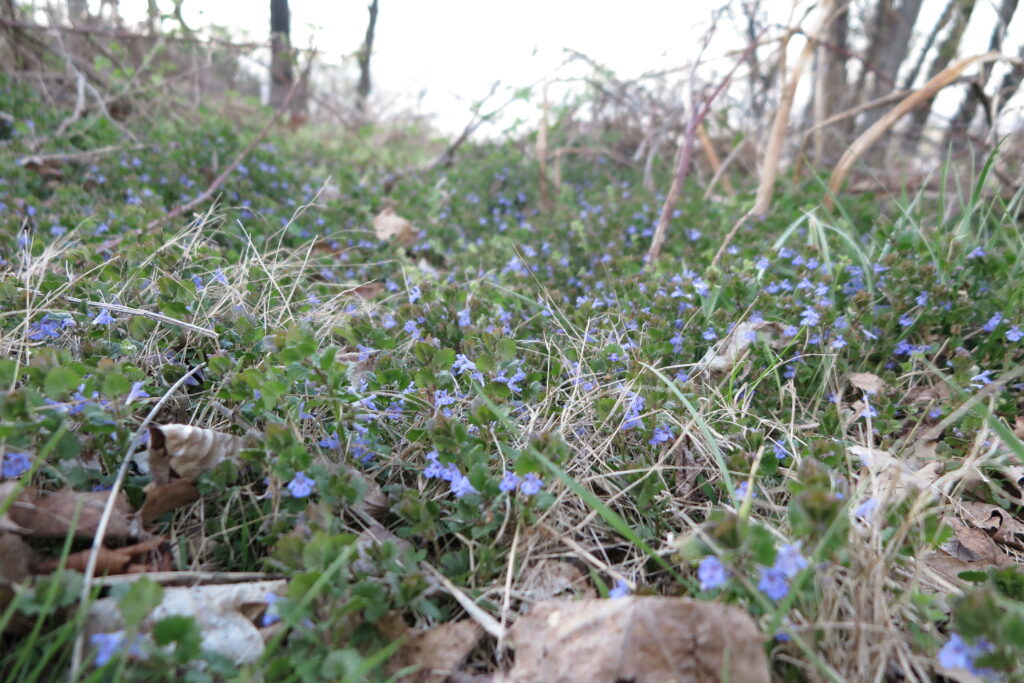
Creeping Charlie Natural Habitat and Growing Environments
Creeping Charlie is commonly found in lawns and garden spaces, where it spreads across the surface and integrates with surrounding vegetation. These environments provide the open ground needed for its growth form to develop.
It is also frequently observed along forest edges and shaded areas. In these locations, it forms a ground-level layer beneath taller plants, taking advantage of available space without competing for height.
In grasslands and meadows, the plant occupies lower levels of vegetation, weaving between grasses and other groundcover. Its ability to move along the surface allows it to establish in small openings and expand gradually.
Urban and suburban environments provide additional opportunities for growth. Side yards, pathways, and lightly disturbed areas offer the conditions needed for it to establish, often forming patches that follow the contours of the landscape.
Environmental Conditions for Creeping Charlie Growth
Creeping Charlie thrives in soils that retain moderate moisture while still allowing for drainage. Loamy and clay soils are particularly supportive, though the plant is capable of adapting to a wide range of soil compositions.
Soil pH is not a strict limiting factor. While it tends to perform well in neutral to slightly acidic conditions, it can tolerate variation, allowing it to establish in diverse soil environments.
Moisture plays an important role in its success. The plant favors areas where moisture is consistently available, though it can withstand periods of reduced water without significant decline.
Light conditions vary widely across its range. While it can grow in full sun, it is especially well-suited to shaded environments, where many other plants struggle. Combined with its tolerance for temperate climate conditions and seasonal changes, these environmental traits support its long-term establishment and widespread presence.