Eastern Skunk Cabbage Habitat: Where It Grows and Ideal Environmental Conditions
Quick Facts
Primary Habitat: Wetland, Forested Wetlands
Soil Type: Loamy, Organic-rich
Soil pH Preference: Slightly acidic to neutral
Moisture Level: Wet to saturated
Climate Zone: Temperate
USDA Hardiness Zone: 3–7
Elevation Range: Lowland to mid-elevation (varies regionally)
Light Requirements: Partial shade to full shade
Location Observed: Pennsylvania
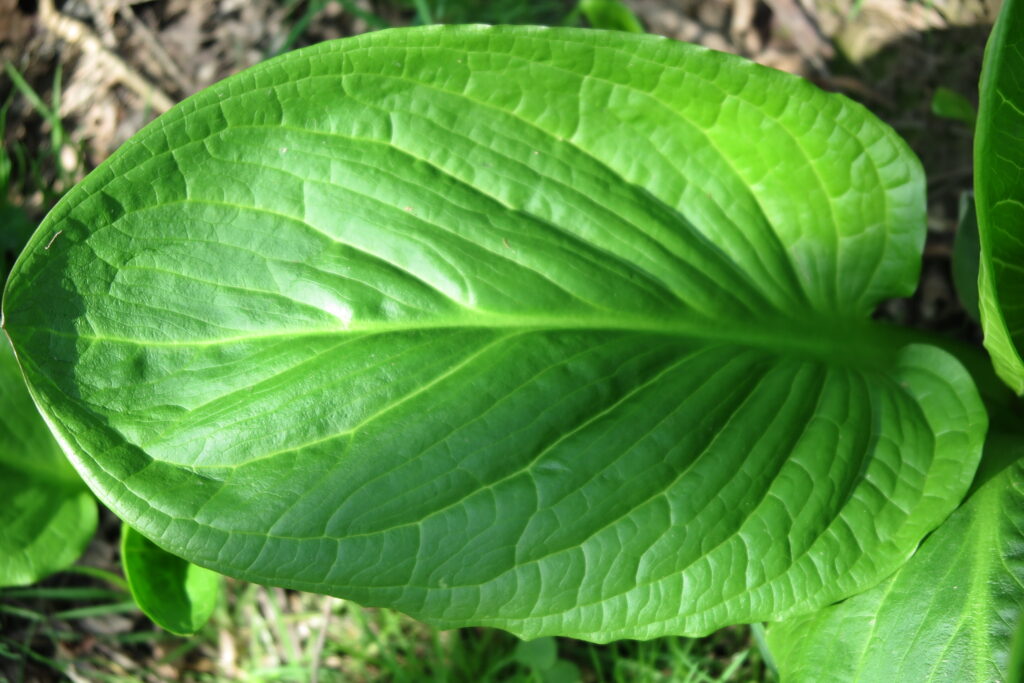
Eastern skunk cabbage (Symplocarpus foetidus) is a distinctive perennial plant known for its bold early-season presence and large, emerging leaves. It stands out as one of the first visible signs of plant life returning after winter, often appearing while surrounding vegetation is still minimal.
This species is native to eastern North America, where it occupies a broad range that spans from southern Canada through much of the eastern United States. Within this range, it is consistently associated with landscapes that maintain steady moisture and stable seasonal patterns.
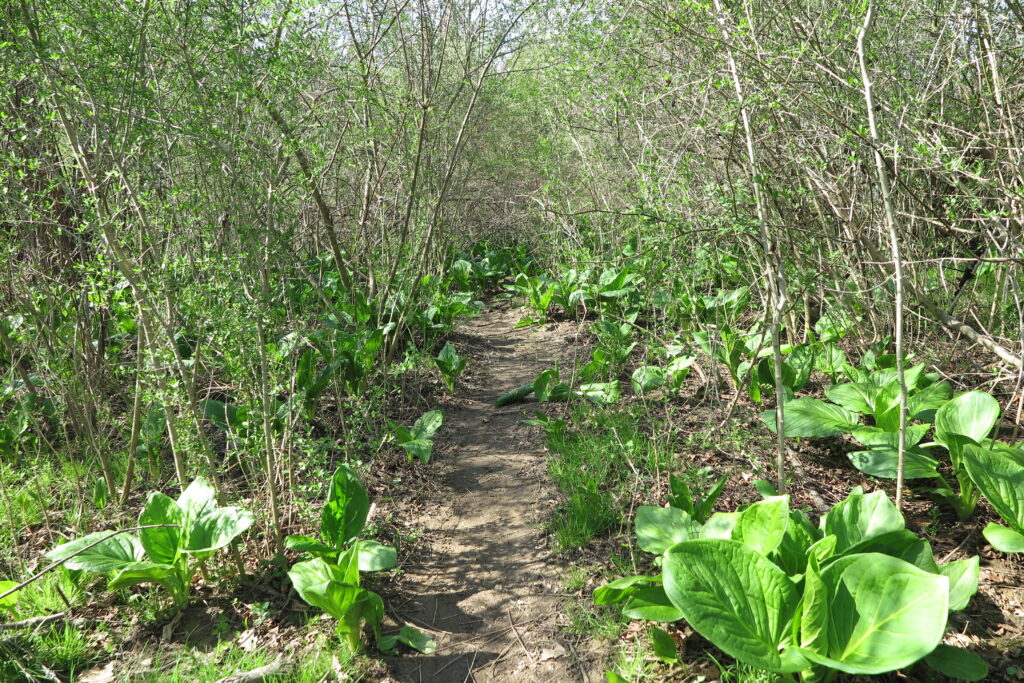
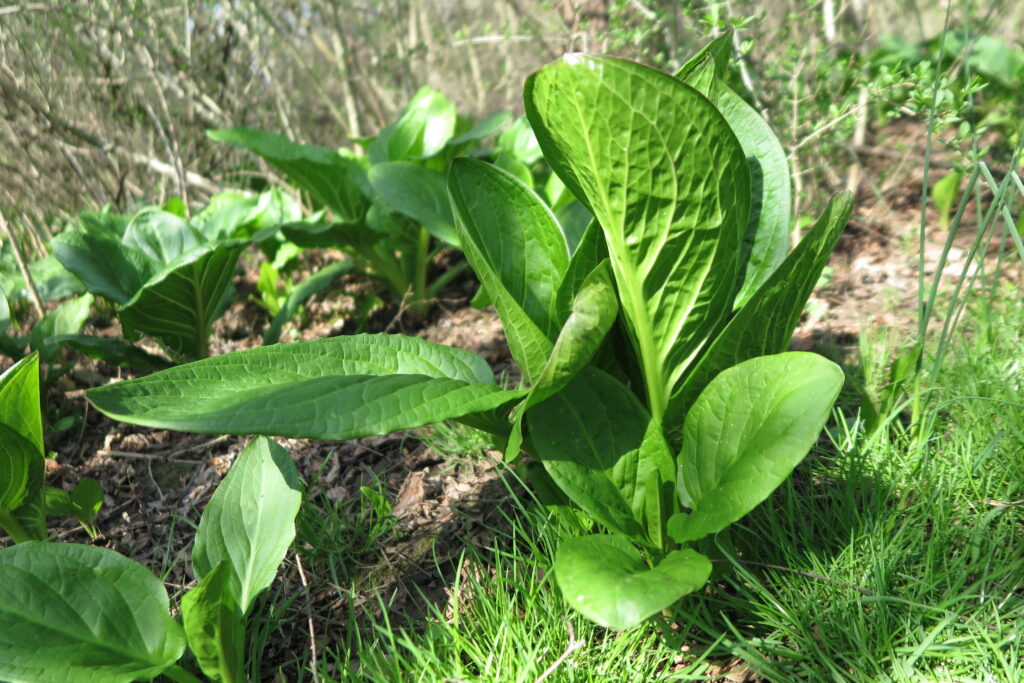
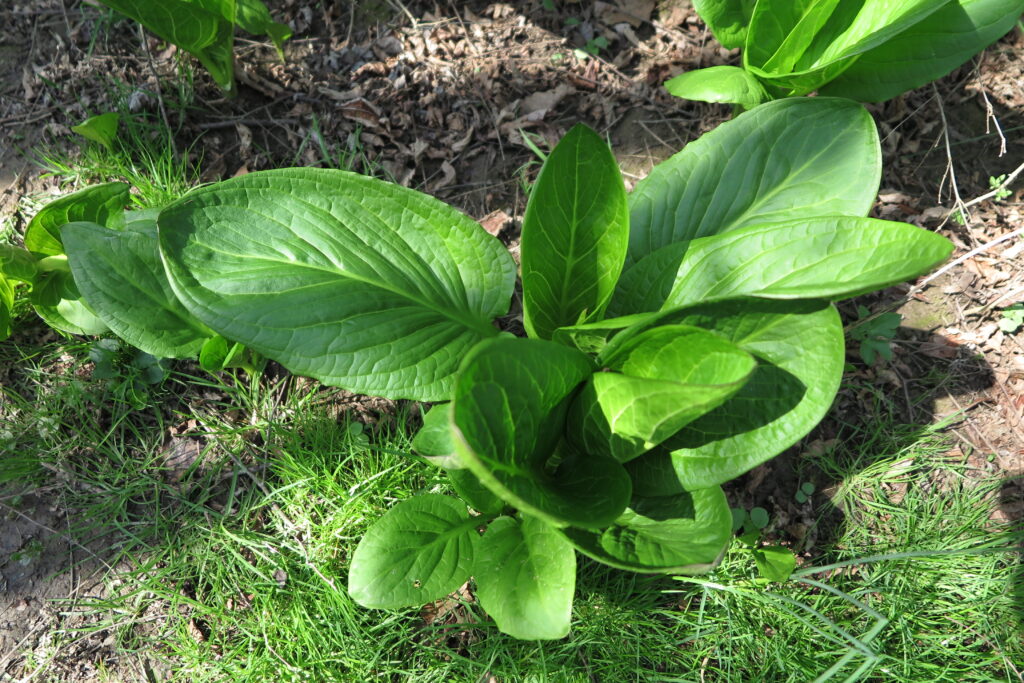
Encountering eastern skunk cabbage in the field creates a recognizable scene—clusters of thick green leaves rising from low-lying ground, often surrounded by dense understory vegetation. Its presence signals a specific type of environment, one shaped by moisture, shade, and long-term ecological stability.
Eastern Skunk Cabbage Overview: Habitat Range and Environmental Preferences
Eastern skunk cabbage is strongly tied to environments that provide consistent moisture and protection from direct exposure. It is not a plant that appears randomly across landscapes; instead, it occupies very specific zones where conditions remain stable over time. These environments tend to support a variety of moisture-dependent species, forming a distinct ecological community.
Across its natural range, the plant is commonly found in regions that experience moderate seasonal shifts. It is well-adapted to climates where cold winters transition into gradual spring warming, allowing it to emerge early while conditions are still damp and cool. This pattern is consistent throughout its distribution, reinforcing its identity as a plant tied to temperate environments.
Although its preferred conditions are relatively specific, eastern skunk cabbage shows a degree of adaptability within those boundaries. It can persist in different types of shaded environments as long as moisture levels remain high. This flexibility allows it to establish itself in multiple landscape types that share similar underlying characteristics.
Overall, the plant’s environmental preferences center around stability—consistent water availability, limited direct sunlight, and nutrient-rich soils. These factors work together to create the conditions necessary for its continued presence, making it a reliable indicator of certain habitat types.
Eastern Skunk Cabbage Habitat: Natural Landscapes and Where It Grows
Eastern skunk cabbage is most commonly found in wetland environments, where water is present at or near the surface for extended periods. These areas include forested wetlands, swamp edges, and low-lying woodland zones that collect and retain moisture. The plant often appears in clusters within these settings, forming recognizable patches.
It is also frequently observed along slow-moving water features such as stream edges and drainage corridors. These locations provide the constant moisture needed to support its presence, while surrounding vegetation offers partial shade and protection. The combination of water and cover creates an ideal setting for its development.
Within forested landscapes, eastern skunk cabbage tends to occupy the lower elevations where water naturally accumulates. These areas are often characterized by dense leaf litter and minimal disturbance, allowing the plant to establish itself over time. The surrounding tree canopy further contributes to the shaded conditions it prefers.
Although less common, the plant may occasionally be found in disturbed wet areas where natural conditions have been altered but moisture remains consistent. In these cases, it can still persist as long as the core environmental requirements—water, shade, and stable ground—are present.
Eastern Skunk Cabbage Environmental Conditions: Soil, Moisture, and Climate Needs
The environmental conditions supporting eastern skunk cabbage are defined by moisture-rich soils and consistent water availability. It thrives in organic, loamy soils that retain water while allowing slow drainage. These soils are typically enriched by decaying plant material, creating a nutrient-dense foundation that supports long-term growth.
Moisture is the most critical factor in its survival. The plant is adapted to saturated or near-saturated ground conditions, where water remains accessible throughout the growing season. Periodic flooding or prolonged wetness does not hinder its presence; instead, these conditions reinforce its ability to persist in areas where other plants may struggle.
Light exposure also plays a significant role, with eastern skunk cabbage favoring partial to full shade. It is commonly found beneath tree canopies or within dense vegetation that filters sunlight. This reduced light environment helps maintain soil moisture and prevents excessive drying, both of which are essential for its continued presence.
Climate conditions further support its establishment, particularly in temperate regions with defined seasonal changes. Cool winters followed by gradual warming create the ideal cycle for its early emergence and sustained development. Together, soil composition, moisture levels, light exposure, and climate form a balanced system that allows eastern skunk cabbage to thrive and remain a stable part of its environment.