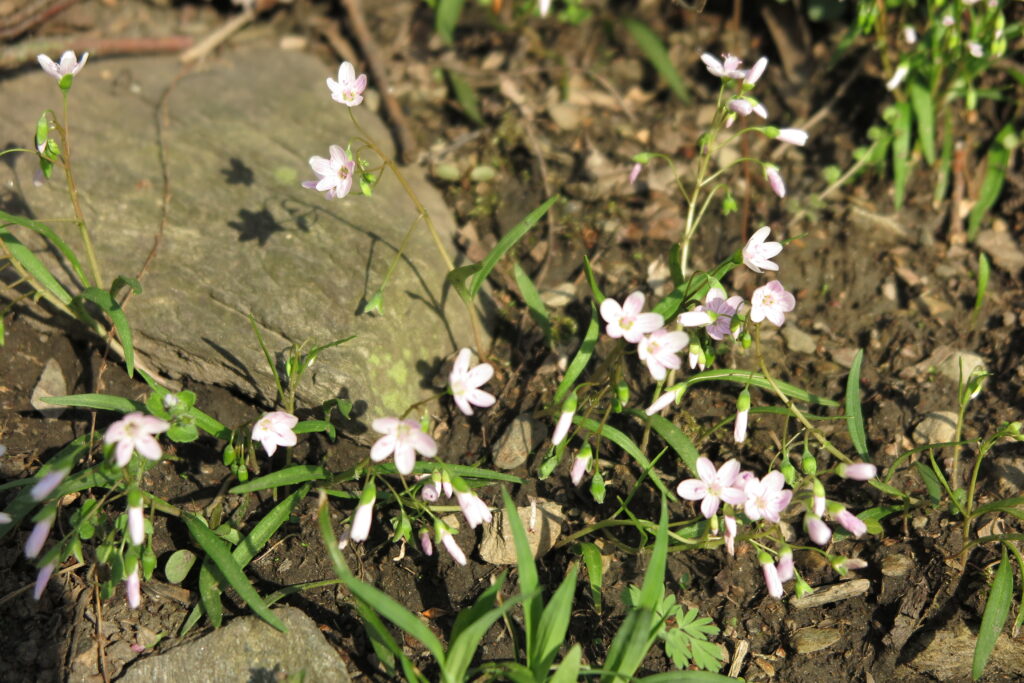
Eastern Spring Beauty (Claytonia virginica) Habitat: Where It Grows and Environmental Conditions Guide
Quick Facts
Primary Habitat: Forest (especially deciduous woodland)
Soil Type: Loamy, well-drained
Soil pH Preference: Slightly acidic to neutral
Moisture Level: Moist
Climate Zone: Temperate
USDA Hardiness Zone: 3–9
Elevation Range: Sea level to ~5,000 feet (varies across range)
Light Requirements: Partial shade to full sun (early-season exposure)
Location Observed: Pennsylvania
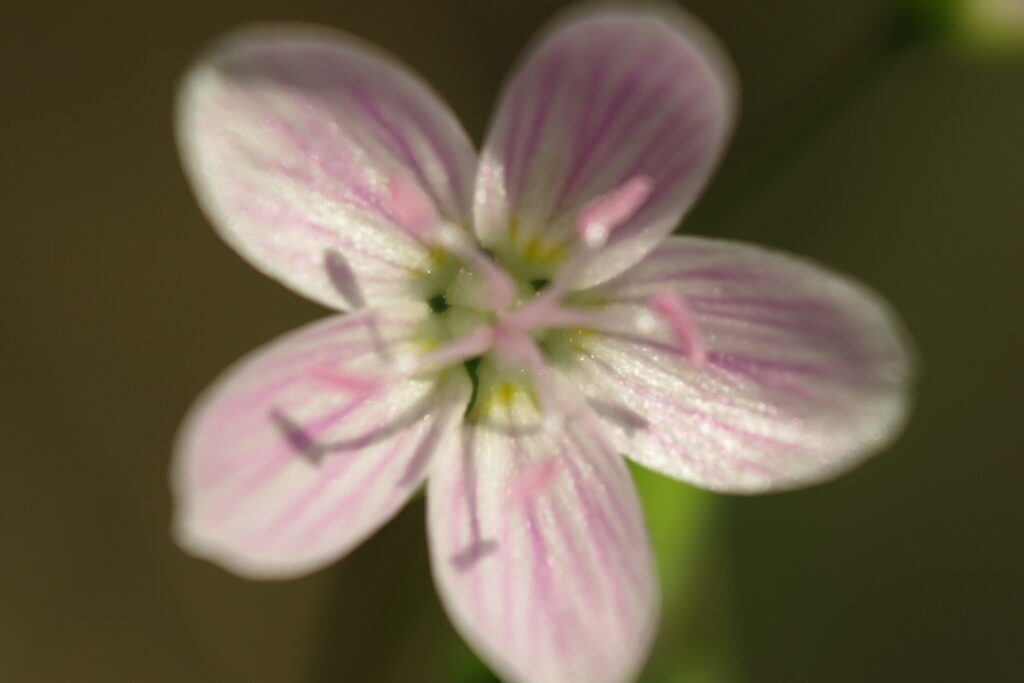
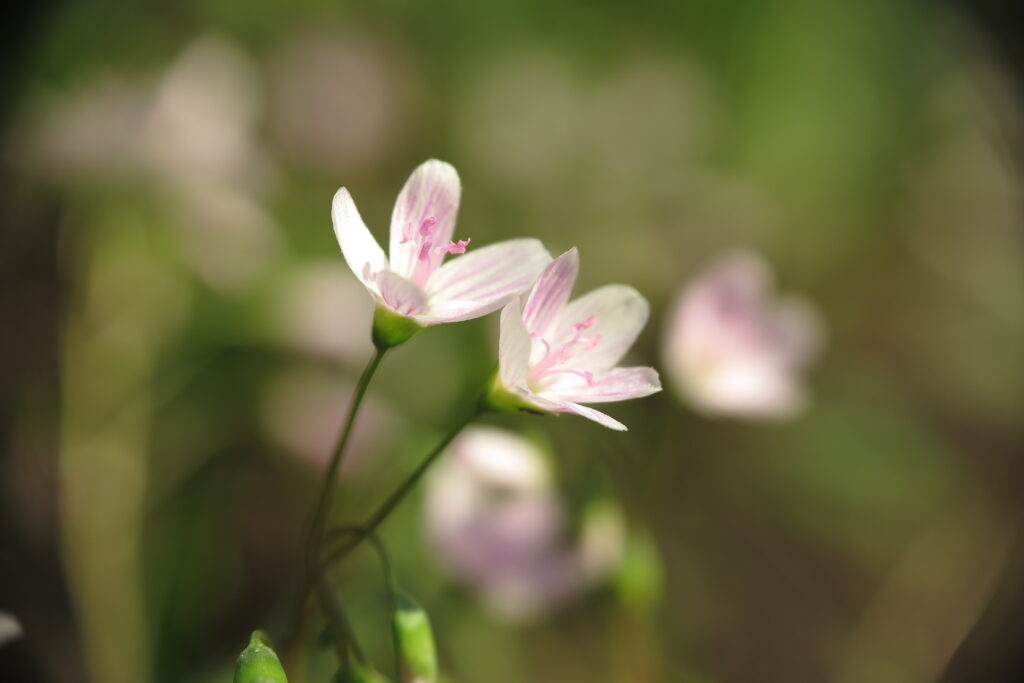
Eastern Spring Beauty is a small, early-blooming wildflower that brings subtle color to landscapes just as winter fades. Its soft pink-veined petals and low-growing form make it easy to overlook from a distance, yet it becomes more noticeable when found scattered across the ground in quiet, natural settings. This plant is closely tied to seasonal change, appearing during a narrow window when conditions align.
Native to eastern North America, Eastern Spring Beauty is found across a wide geographic range, extending through regions that experience clear seasonal transitions. It commonly appears in areas where spring arrives gradually, providing the right balance of light and moisture for early plant activity. Its distribution reflects an ability to occupy many parts of this region without dramatic variation in appearance.
When encountered in the wild, it often feels like a hidden detail rather than a dominant feature. Small clusters emerge beneath taller vegetation or along lightly open ground, creating a calm, almost understated display. The setting around it—filtered light, soft soil, and seasonal moisture—plays a quiet but essential role in shaping its presence.
Eastern Spring Beauty Habitat Overview: Natural Range and Environmental Preferences
Eastern Spring Beauty is most closely associated with temperate woodland environments, where seasonal shifts create ideal conditions for early growth. These landscapes provide a balance of light availability and protection, allowing the plant to exist without constant exposure to extreme conditions. Its presence is often linked to areas that remain relatively undisturbed.
Across its native range, the plant shows a strong connection to eastern North America’s deciduous ecosystems. It appears consistently in regions where forests shed leaves annually, opening the canopy just enough for early-season light to reach the ground. This predictable cycle supports its recurring presence year after year.
While forests are its most common setting, Eastern Spring Beauty demonstrates a degree of adaptability. It can also appear in open meadows, grassy clearings, and transitional zones between wooded and open landscapes. These environments share similar seasonal characteristics, even if they differ in structure.
Overall, the plant favors environments that provide stability rather than extremes. Its habitat preferences are shaped less by competition and more by timing, soil quality, and light availability during a short seasonal window. This combination allows it to maintain a consistent presence across a wide geographic area.
Eastern Spring Beauty Habitat: Where Claytonia virginica Naturally Grows
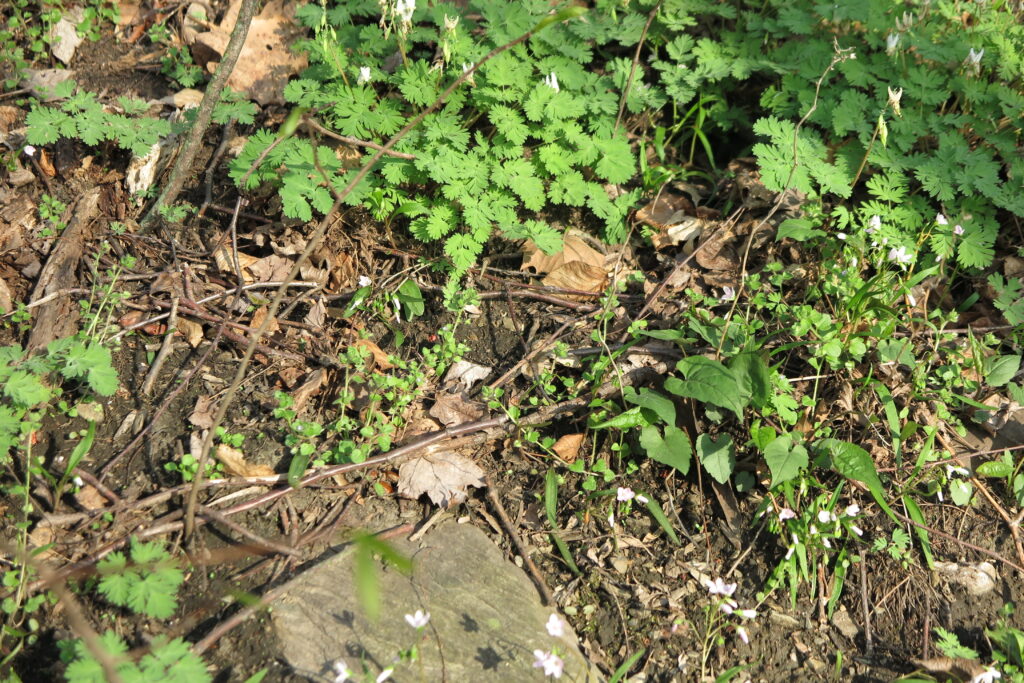
Eastern Spring Beauty is most frequently found in deciduous forests, particularly those with a well-developed leaf layer and minimal disturbance. These areas offer a natural balance of exposure and cover, creating a setting where the plant can appear early in the season without interference from dense vegetation.
It also occurs in forest edges and transitional zones, where open space meets tree cover. These locations provide slightly increased sunlight while still maintaining the protective qualities of nearby vegetation. The plant’s scattered clusters often follow these boundaries, forming loose patterns along edges rather than deep within dense growth.
In more open landscapes, such as meadows or lightly managed fields, Eastern Spring Beauty can still establish itself if conditions remain favorable. These areas tend to mimic the seasonal exposure found in forests, especially when surrounding vegetation has not yet reached full height. The plant’s presence in these settings is usually more dispersed.
Occasionally, it appears in suburban or lightly disturbed environments where natural conditions persist beneath minimal human influence. Lawns, parks, or naturalized areas may support small populations if soil and seasonal factors align. Even in these settings, it maintains its quiet, low-profile growth, blending into the surrounding environment.
Eastern Spring Beauty Environmental Conditions: Soil, Light, and Climate Requirements
Eastern Spring Beauty thrives in soils that are loose, well-drained, and rich in organic material. Loamy soils provide the ideal balance, allowing water to move freely while still retaining enough moisture to support early-season growth. Soil composition plays a critical role in sustaining its underground structures.
The plant prefers slightly acidic to neutral pH levels, which are commonly found in natural woodland soils. These conditions support nutrient availability without creating stress on the plant’s root system. Consistency in soil chemistry helps maintain stable populations over time.
Moisture is another key factor, particularly during early spring. The plant relies on steady moisture levels from rainfall and seasonal transitions, rather than prolonged wet or dry conditions. Environments that retain moisture without becoming saturated offer the most suitable balance for its survival.
Light requirements shift throughout the season. Eastern Spring Beauty benefits from full to partial sunlight early in the year, before overhead vegetation reduces exposure. As the season progresses and shade increases, the plant has already completed its visible cycle. Combined with a temperate climate and moderate elevation range, these environmental factors create a reliable framework that supports its continued presence across its native range.