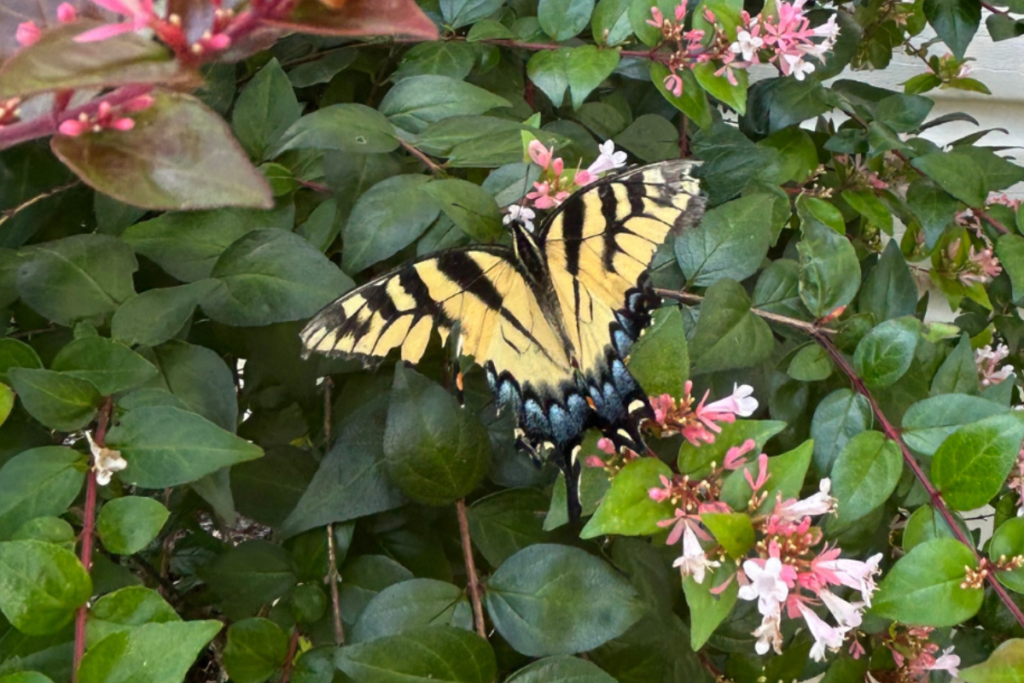
Eastern Tiger Swallowtail Butterfly Behavior – Movement, Activity, and Survival Patterns
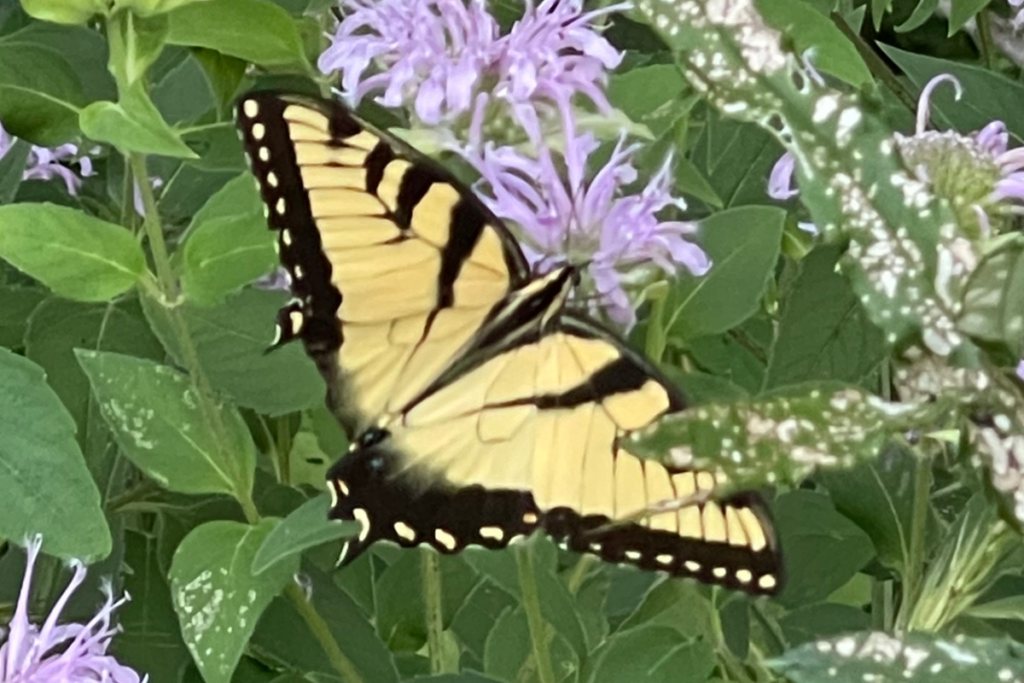
Quick Facts
Activity Type: Diurnal (active during the day)
Social Structure: Solitary
Territorial Behavior: Males may patrol and loosely defend flight paths
Movement Style: Smooth gliding with intermittent wingbeats
Communication Method: Visual cues and chemical signaling (pheromones)
Defense Strategy: Evasive flight, mimicry (in females), and tail deflection
The Eastern Tiger Swallowtail (Papilio glaucus) is a highly visible butterfly species found throughout much of eastern North America. Its presence is often noticed in open areas where sunlight filters through trees or across gardens filled with flowering plants. Because of its size and bright coloration, it tends to draw attention even from a distance, especially when in motion.
Across its wide range, this butterfly can be seen moving through a variety of landscapes, from forest edges to suburban yards. It often appears during warm daylight hours, drifting between patches of vegetation or briefly passing through open spaces. Its behavior is not frantic or unpredictable but instead gives the impression of a controlled and purposeful movement.
Observing this species in the wild reveals a pattern of calm, steady activity rather than constant motion. It may remain in one area for a short time before moving on, creating a sense of rhythm in how it uses space. At times, it seems almost suspended in the air as it adjusts its flight, giving it a distinctive presence compared to smaller, faster-moving insects.
From a distance, its behavior can appear effortless, almost like a floating leaf carried by a light breeze. Up close, however, subtle adjustments in wing movement and direction show that its flight is carefully controlled. This balance between grace and precision defines much of how the Eastern Tiger Swallowtail behaves in its environment.
Eastern Tiger Swallowtail General Behavior and Activity Tendencies
The Eastern Tiger Swallowtail is generally an active but not overly restless butterfly. It spends much of its time moving through open areas at a measured pace, rarely exhibiting the rapid, darting motion seen in smaller species. When undisturbed, it gives the impression of calm exploration, as though it is surveying its surroundings rather than reacting to them.
This species shows a high level of responsiveness to environmental conditions, particularly light and temperature. On warm, sunny days, it becomes noticeably more active, covering greater distances and appearing more frequently. In contrast, cooler or overcast conditions can reduce its activity, making sightings less common or more brief.
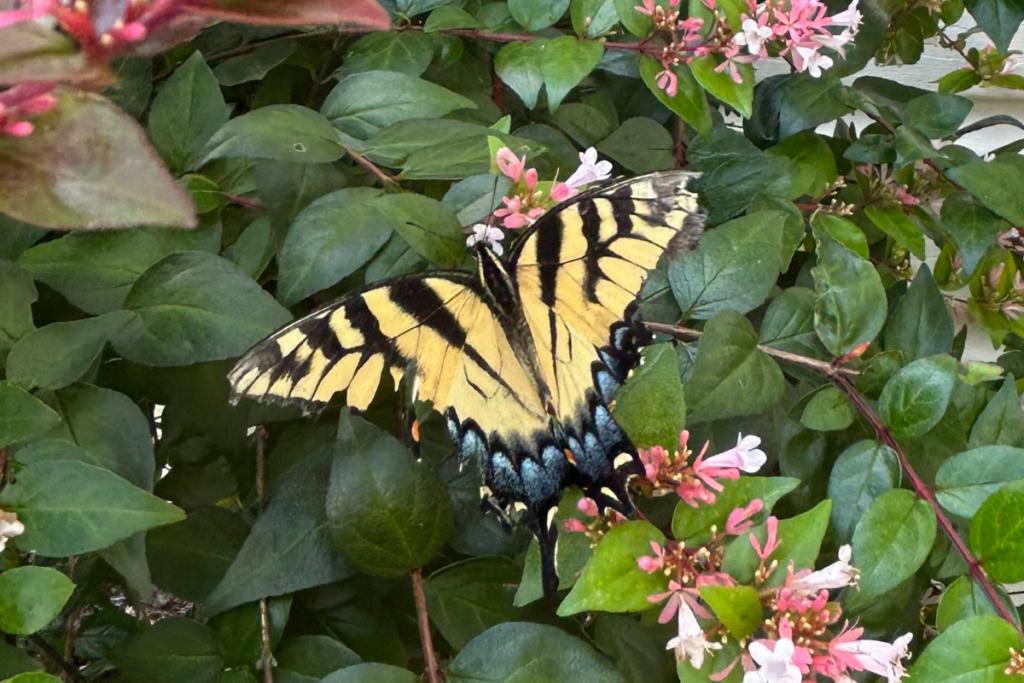
When resting, the butterfly often positions itself in a way that blends with surrounding vegetation. Its wings may partially open or close, reducing visibility and creating a less defined outline. This stillness can make it surprisingly difficult to spot despite its bright coloration, especially among dense foliage.
Compared to smaller butterflies that move in quick, erratic bursts, the Eastern Tiger Swallowtail behaves more like a drifting object in steady motion. Its activity feels deliberate rather than reactive, with movements that appear planned rather than impulsive. This gives it a distinctive presence that sets it apart from many other species sharing the same space.
Eastern Tiger Swallowtail Movement and Daily Activity Patterns
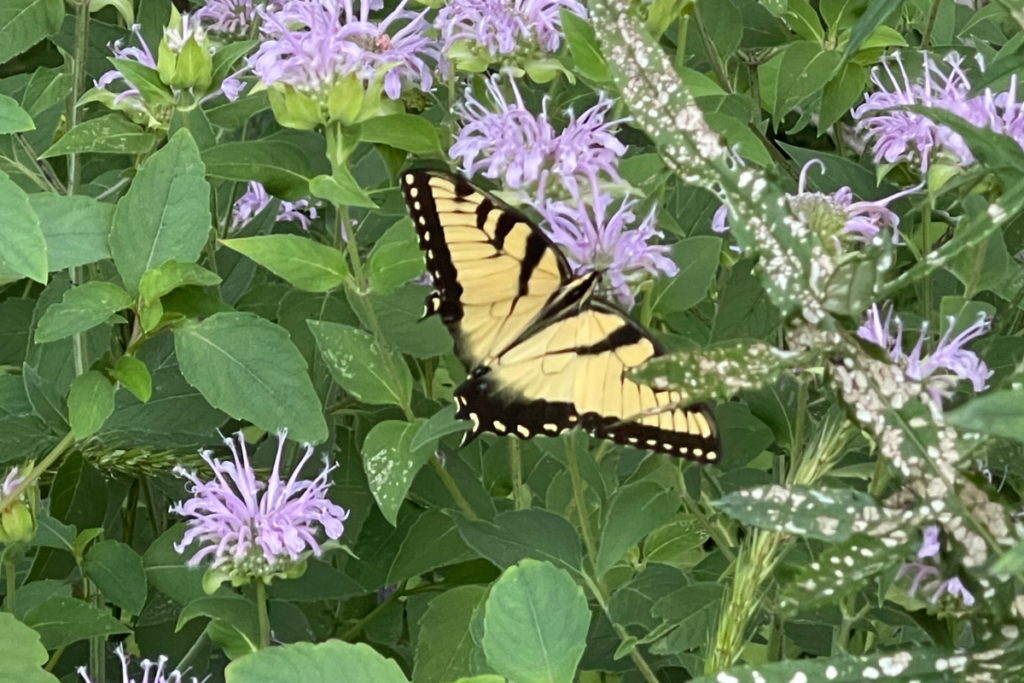
The movement of the Eastern Tiger Swallowtail is one of its most recognizable traits. Its flight is smooth and flowing, often described as a combination of gentle gliding and steady wingbeats. Rather than flapping continuously, it alternates between brief bursts of motion and moments of gliding, creating a rhythm that resembles a slow wave through the air.
This butterfly is active during daylight hours, with peak activity typically occurring in the late morning and early afternoon when sunlight is strongest. During these periods, it can be seen traveling between open spaces and vegetation, maintaining a consistent but unhurried pace. As the day cools toward evening, its activity gradually decreases, and it becomes less visible.
Seasonal changes also influence its activity patterns. In warmer months, it is more frequently observed and remains active for longer portions of the day. As temperatures drop, its activity window shortens, and it may appear less often or for shorter durations during each outing.
In terms of movement style, the Eastern Tiger Swallowtail can be compared to a paper airplane gliding on a gentle breeze. It maintains lift with minimal effort, using its large wings to stay airborne without constant motion. This efficient use of energy allows it to travel across larger areas while conserving strength, giving it a steady and controlled presence in flight.
Eastern Tiger Swallowtail Interaction and Survival Behaviors
When faced with potential threats, the Eastern Tiger Swallowtail relies heavily on its ability to quickly change direction in flight. Despite its calm appearance when undisturbed, it can react with sudden bursts of speed, moving away in a smooth but decisive arc. This rapid shift from slow gliding to swift escape is a key part of its survival strategy.
One of its more subtle defensive traits involves the tail-like extensions on its hindwings. These structures can draw attention away from more vital parts of the body, potentially reducing the impact of an attack. If a predator targets the tail area, the butterfly may still be able to escape, even if the wing edge is damaged.
Interactions between individuals are generally minimal, as this species tends to be solitary. However, males may occasionally be seen flying along consistent routes, as if patrolling a specific area. These repeated flight paths can create the impression of territorial behavior, even though direct confrontations are rarely observed.
A clear example of its survival instincts can be seen when it is approached too closely. Instead of remaining still, it will often lift off and move to a new location, sometimes circling back once the perceived threat has passed. This cautious but controlled response allows it to avoid danger without expending unnecessary energy, maintaining its balance between movement and conservation.