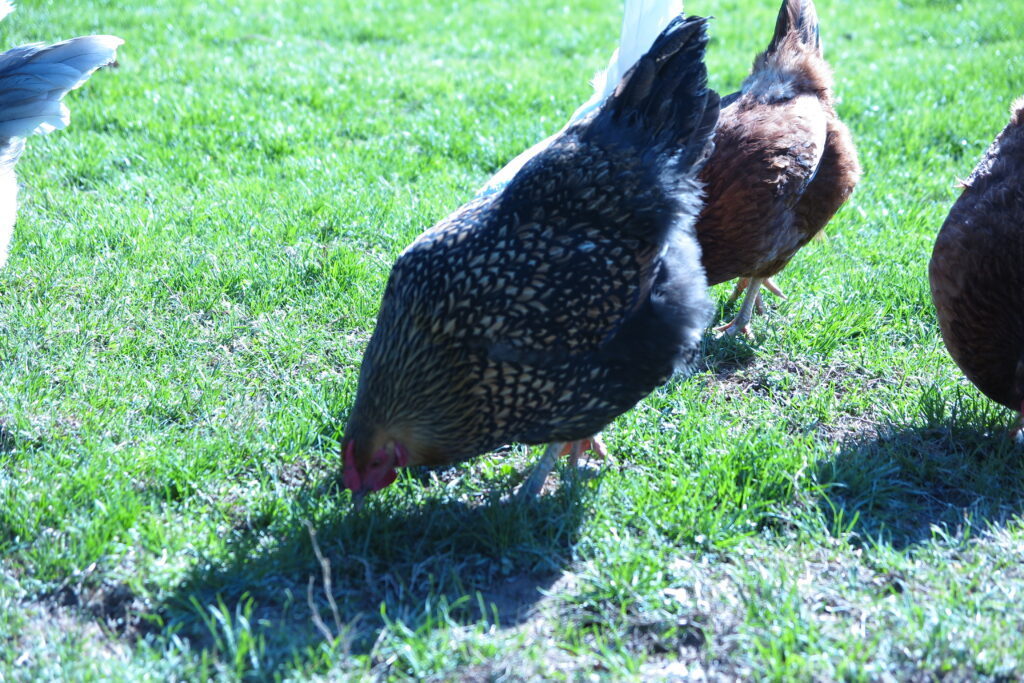
Gold Laced Wyandotte Chicken in Pennsylvania: Appearance, Behavior, and Habitat Guide
Quick Facts
Scientific Name: Gallus gallus domesticus
Common Name: Gold Laced Wyandotte Chicken
Location: Domesticated worldwide (commonly found in backyard flocks across Pennsylvania)
Size: Medium to large (hens ~6–7 lbs, roosters ~8–9 lbs)
Diet: Omnivore (grains, seeds, insects, worms, vegetation, and poultry feed)
Habitat: Backyard coops, enclosed runs, small farms, and fenced grassy areas
Lifespan: Typically 6–12 years with proper care
Behavior: Calm, hardy, and moderately active; social within flocks but can be slightly assertive in pecking order; good cold tolerance
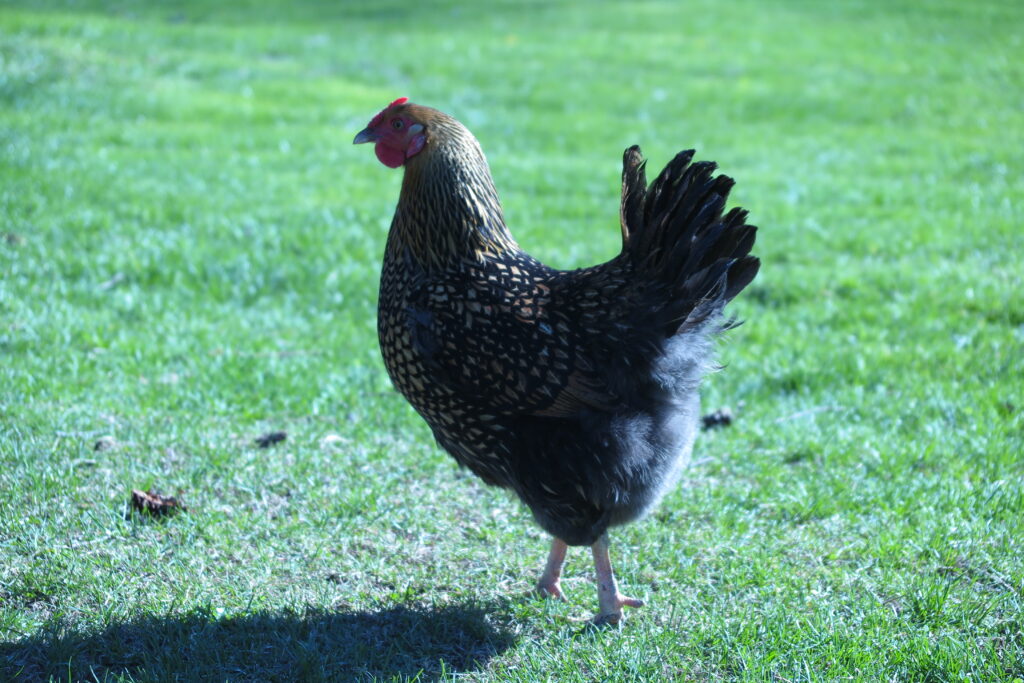
Notable Feature: Striking black feathers edged with golden “lacing” pattern across the body
The Gold Laced Wyandotte chicken is a domesticated poultry breed known for its bold feather pattern and well-rounded characteristics. Recognized by its striking black feathers edged in gold, this breed stands out visually among backyard chickens.
In Pennsylvania, Gold Laced Wyandottes are commonly found in backyard flocks, small farms, and rural homesteads. Their adaptability and cold tolerance make them especially suitable for the state’s seasonal climate.
Often seen calmly moving through grassy yards or enclosed spaces, these chickens are a familiar presence in managed environments. Their balanced traits and distinctive appearance make them a popular choice for poultry keepers.
Gold Laced Wyandotte Chicken Overview: Appearance, Range, and General Traits
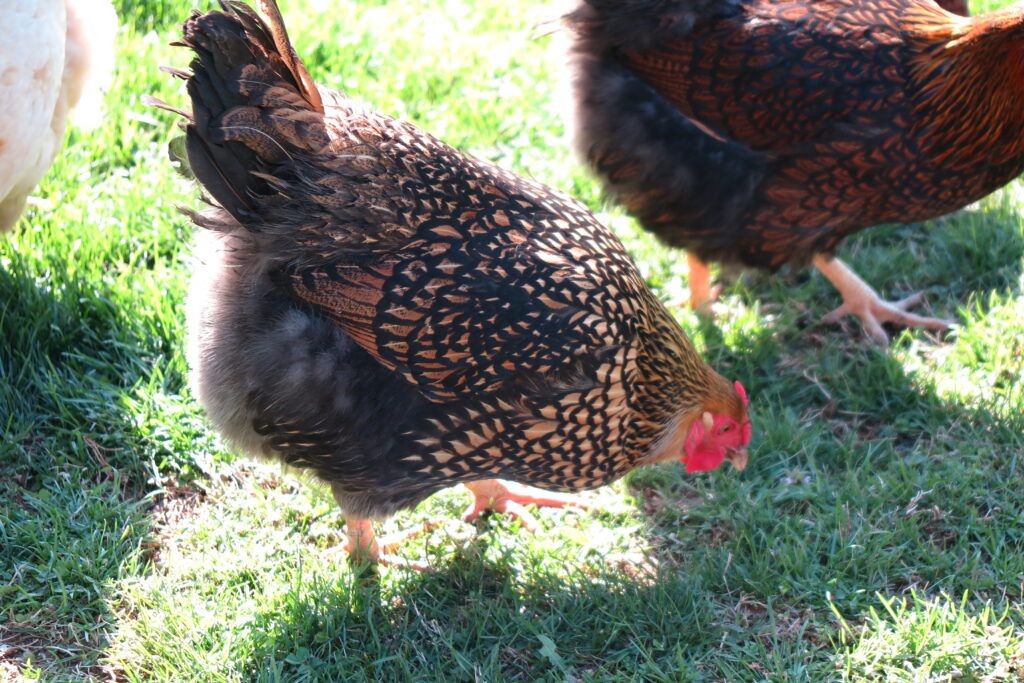
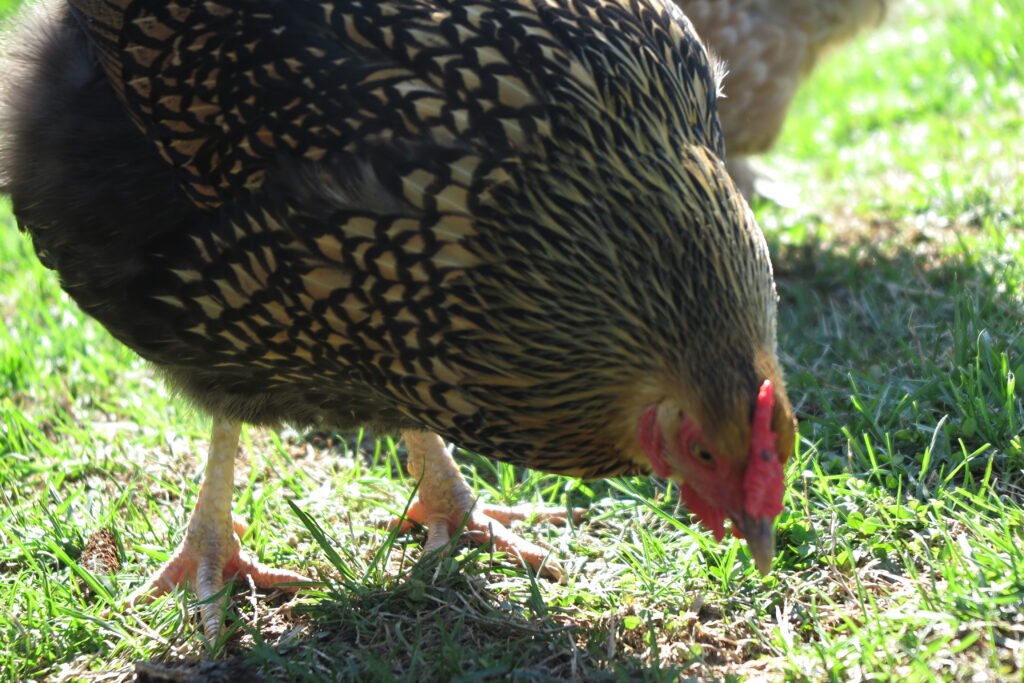
The Gold Laced Wyandotte chicken is best known for its unique feather pattern, where each feather is outlined in black against a rich golden background. This laced appearance creates a highly defined and visually striking look across the entire body.
This breed is distributed worldwide as a domesticated chicken and is widely present throughout Pennsylvania. It can be found in both suburban and rural areas wherever backyard poultry keeping is practiced.
Gold Laced Wyandottes are highly adaptable birds that adjust well to a variety of managed environments. Their ability to handle colder temperatures makes them particularly well-suited to regions with seasonal variation, including Pennsylvania.
In general, this breed is considered balanced in its overall traits. It combines visual appeal with practical characteristics, making it a reliable and commonly chosen chicken for both beginners and experienced keepers.
Gold Laced Wyandotte Chicken Behavior: Movement, Social Patterns, and Activity
Gold Laced Wyandotte chickens display steady and controlled movement, often walking calmly while exploring their surroundings. They are moderately active, maintaining a consistent pace rather than rapid or erratic motion.
Within a flock, they are social birds that interact regularly with other chickens. While generally calm, they can establish a place within the pecking order and may show mild assertiveness when interacting with other flock members.
Their vocalizations are typically moderate, consisting of soft clucking sounds and occasional alert calls. They are not considered excessively noisy compared to some other chicken breeds.
These chickens are diurnal, meaning they are active during the day and rest at night. Their daily activity patterns follow natural daylight cycles, with consistent movement and interaction during daylight hours.
Gold Laced Wyandotte Chicken Habitat in Pennsylvania: Environment and Living Conditions
Gold Laced Wyandotte chickens are most commonly found in backyard coops and enclosed outdoor runs that provide both shelter and access to open ground. These environments are designed to balance protection with space for movement.
In Pennsylvania, they are frequently raised in grassy yards, small farms, and fenced outdoor areas. These environments provide stable ground conditions and access to vegetation, contributing to a consistent and manageable living space.
The environments in which they are kept typically include a combination of open space and protective structures. This allows them to remain in controlled areas while still being exposed to natural outdoor elements.
Their presence across Pennsylvania reflects their compatibility with a variety of human-managed environments. From suburban backyards to rural properties, these chickens thrive in spaces that provide shelter, ground access, and consistent care.