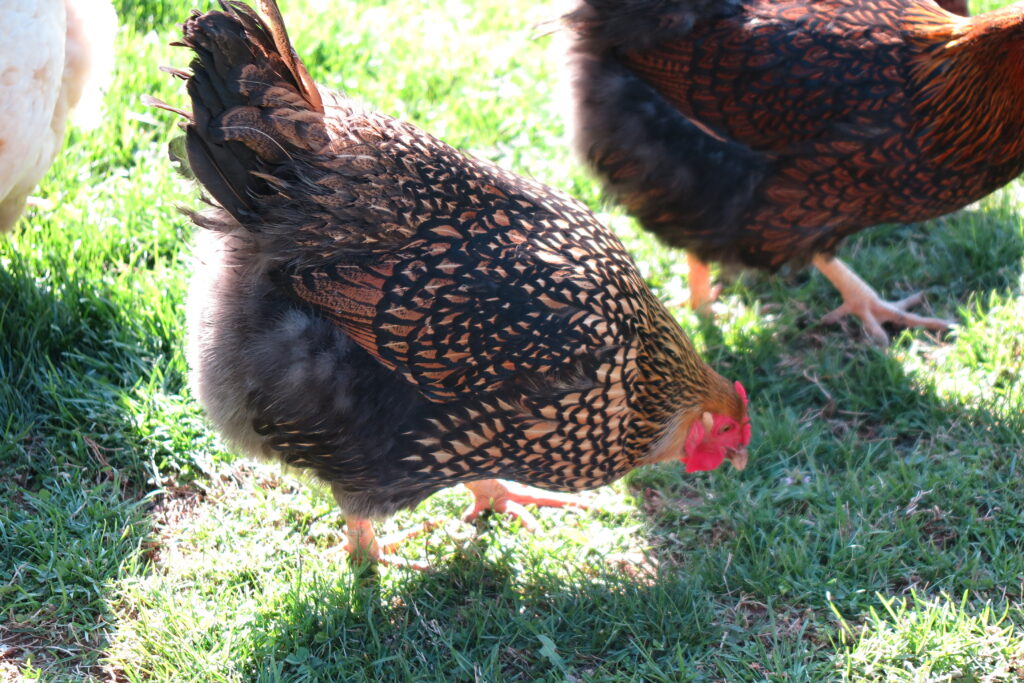
Gold Laced Wyandotte Chicken Behavior in Pennsylvania: Activity, Social Structure, and Daily Patterns
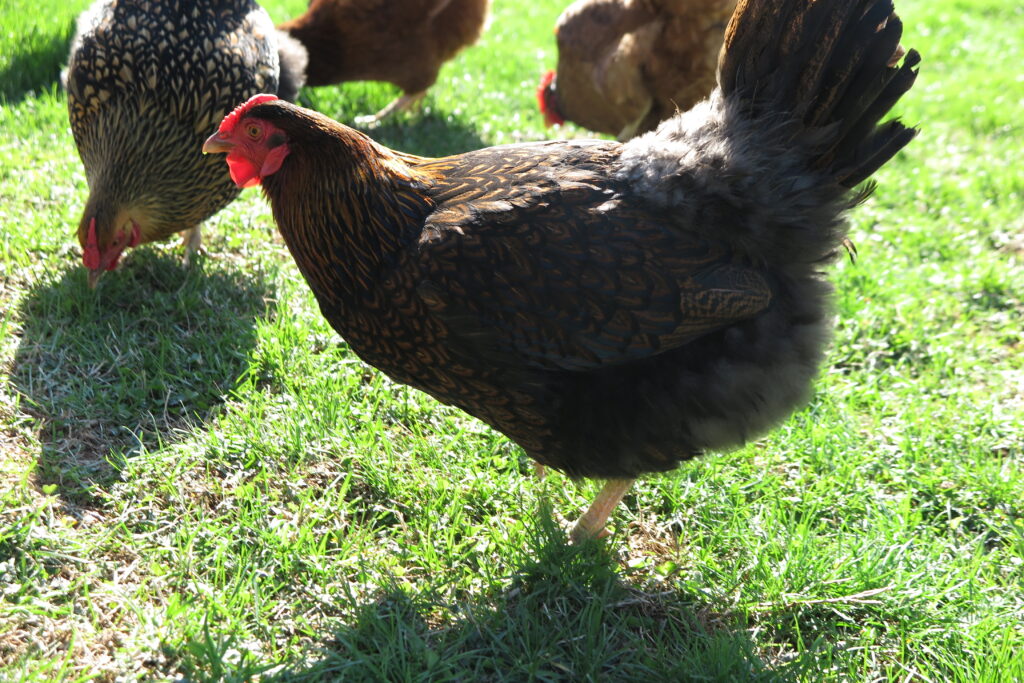
Quick Facts
Scientific Name: Gallus gallus domesticus
Common Name: Gold Laced Wyandotte Chicken
Location: Domesticated worldwide (commonly found in backyard flocks across Pennsylvania)
Activity Type: Diurnal (active during the day)
Social Behavior: Group (flock-oriented, social with other chickens)
Territorial Behavior: Moderate; establishes position within pecking order but typically not highly aggressive
Vocalizations: Soft to moderate clucking, alert calls, and egg-laying vocalizations
Migration/Seasonal Behavior: Non-migratory; remains in the same area year-round with slight seasonal changes in activity based on daylight and temperature
The Gold Laced Wyandotte chicken is a domesticated breed recognized for its calm temperament and balanced behavioral traits. Known for its distinctive feather pattern, it is also valued for its predictable and manageable behavior.
In Pennsylvania, Gold Laced Wyandottes are commonly found in backyard flocks and small farm settings, where their behavior can be observed in structured, human-managed environments. Their temperament makes them a reliable choice for poultry keepers across the state.
Often seen moving steadily through open ground or interacting within a flock, these chickens display consistent daily patterns. Their behavior reflects a combination of social interaction, routine activity, and environmental awareness.
Gold Laced Wyandotte Chicken Behavior Overview: Movement, Activity Levels, and Traits
Gold Laced Wyandotte chickens exhibit controlled and steady movement patterns. Rather than rapid or erratic motion, they tend to walk calmly while exploring their surroundings, maintaining a consistent pace throughout the day.
Their activity levels are moderate, with regular periods of movement balanced by short intervals of rest. This steady rhythm allows them to remain active without displaying overly energetic or aggressive tendencies.
This breed demonstrates strong adaptability in behavior, adjusting easily to routine schedules and consistent care. Whether in smaller enclosures or larger managed spaces, they maintain predictable patterns of activity.
Overall, Gold Laced Wyandotte chickens are known for their stable and manageable behavioral traits. Their calm demeanor and consistent movement patterns make them well-suited to a variety of poultry setups.
Gold Laced Wyandotte Chicken Behavior Patterns: Movement, Territorial Traits, and Vocalizations
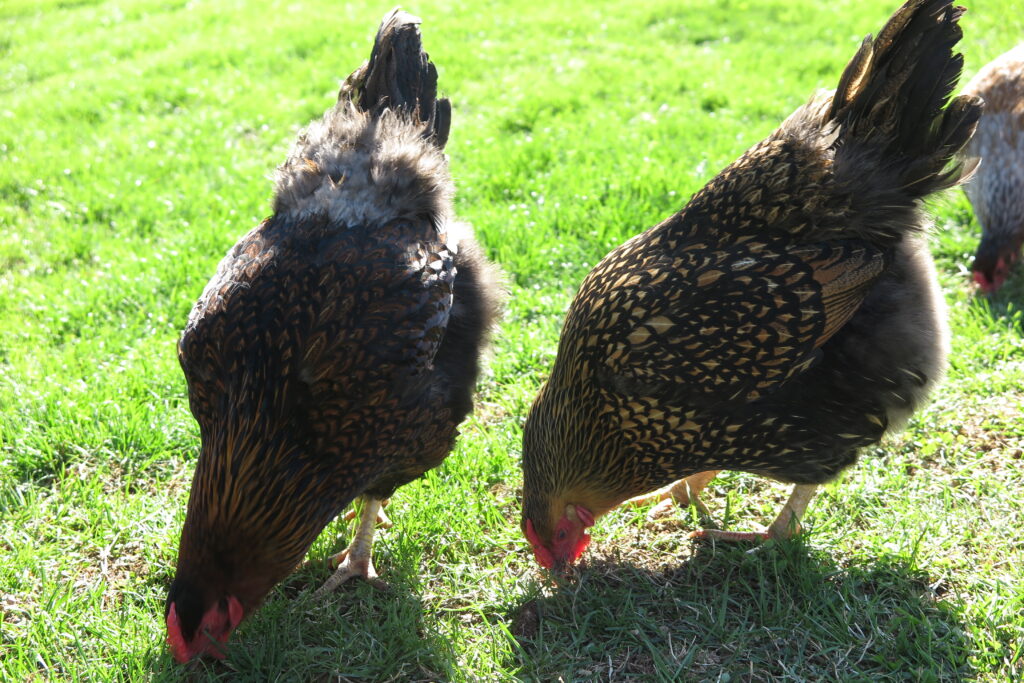
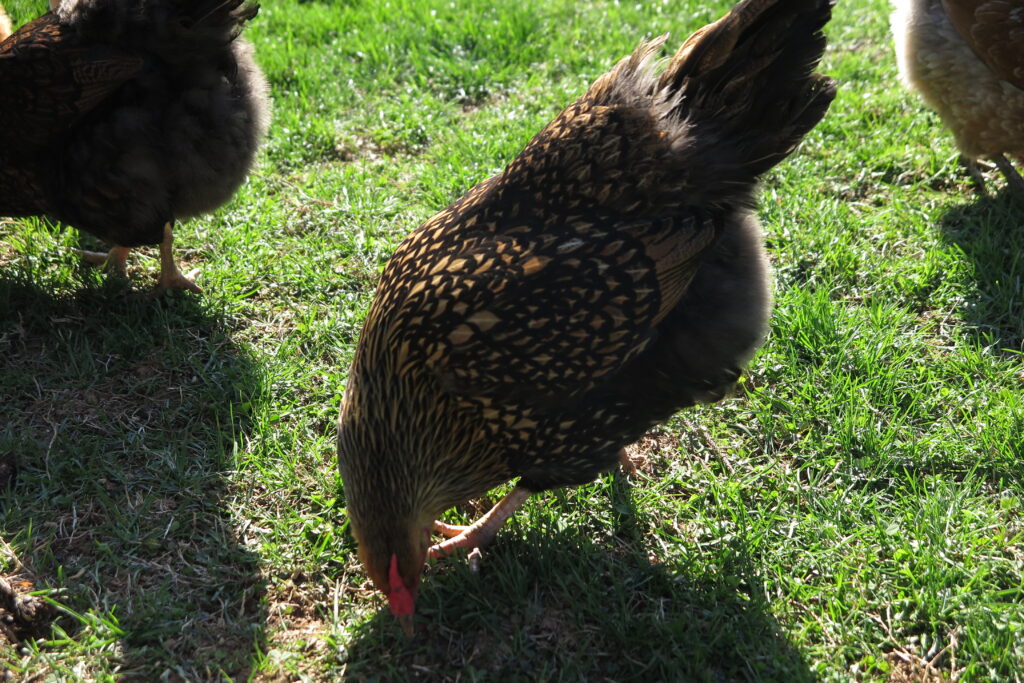
Gold Laced Wyandotte chickens move through their environment with purpose, often exploring the ground in a methodical manner. Their movement patterns are deliberate, allowing them to cover space efficiently without excessive energy use.
Within a flock, they establish a position in the pecking order, which determines social hierarchy. While they may show mild assertiveness when interacting with other chickens, they are generally not highly aggressive.
Their vocalizations include soft clucking sounds used for communication within the flock, along with occasional alert calls. These sounds help maintain group awareness and coordination without creating excessive noise.
As diurnal animals, Gold Laced Wyandottes are active during daylight hours and rest at night. Their activity patterns follow natural light cycles, with consistent movement during the day and reduced activity after sunset.
Gold Laced Wyandotte Chicken Interaction and Survival Behavior in Pennsylvania
Gold Laced Wyandotte chickens respond to potential threats with alertness and awareness. They may pause, raise their posture, or move cautiously when detecting unfamiliar movement or sound.
Their social structure plays an important role in interaction, as they rely on group dynamics to maintain order and reduce conflict. By establishing hierarchy, they minimize repeated competition within the flock.
Feeding-related behavior involves steady and consistent interaction with the ground, where they locate food through pecking and scratching. This method allows them to gather resources efficiently while remaining aware of their surroundings.
Overall, their survival behavior is based on balance—combining awareness, social cooperation, and routine movement. These traits contribute to their ability to function effectively within managed environments across Pennsylvania.