Grape Hyacinth Growth and Behavior: Life Cycle, Bulb Spread, and Seasonal Changes Explained
Quick Facts
Growth Rate: Moderate
Growth Pattern: Clumping, Spreading slowly (naturalizes over time)
Reproduction Method: Bulbs (primary), Seeds (secondary)
Dormancy Period: Summer dormant (after spring bloom)
Sunlight Response: Full sun to partial shade
Water Needs: Low to Moderate
Pollination Type: Insects (primarily bees)
Seasonal Changes: Emerges early spring, blooms, then dies back and enters dormancy
Location Observed: Pennsylvania, USA
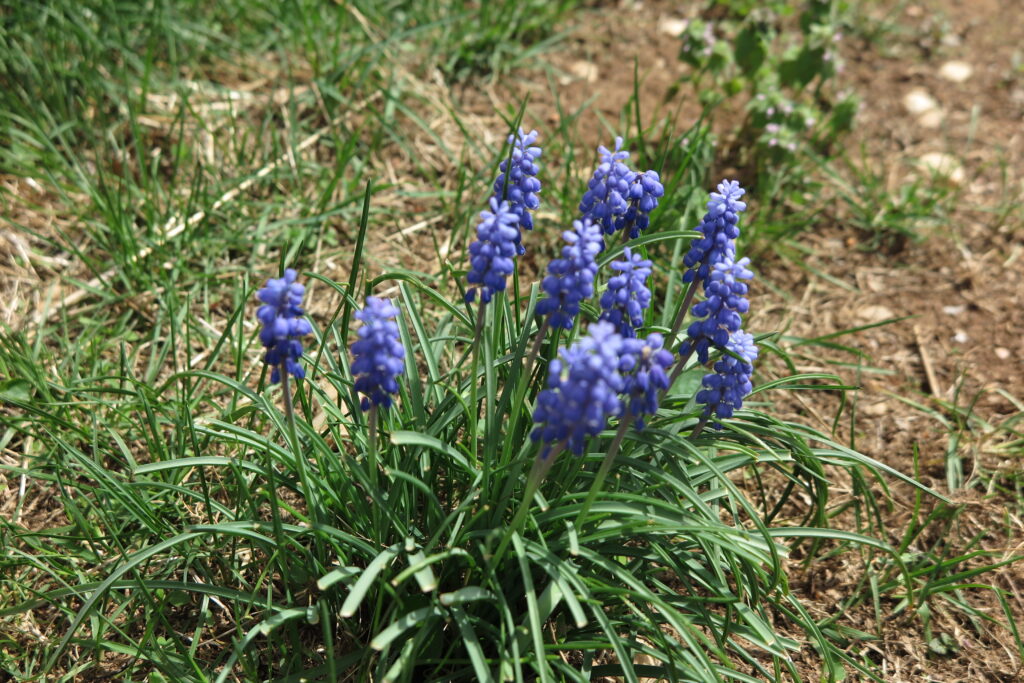
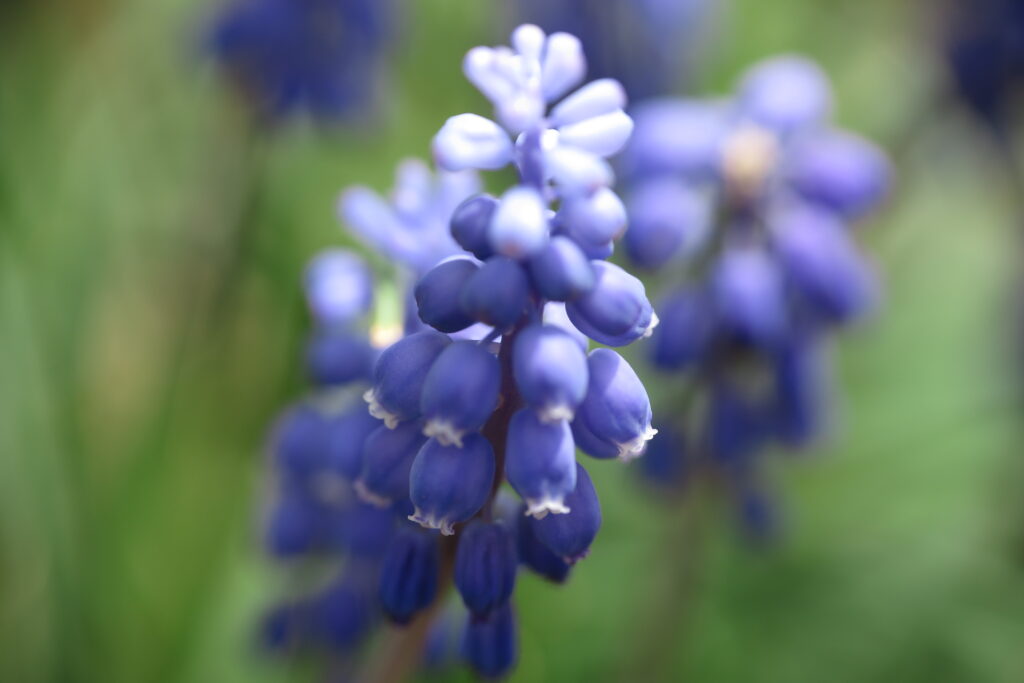
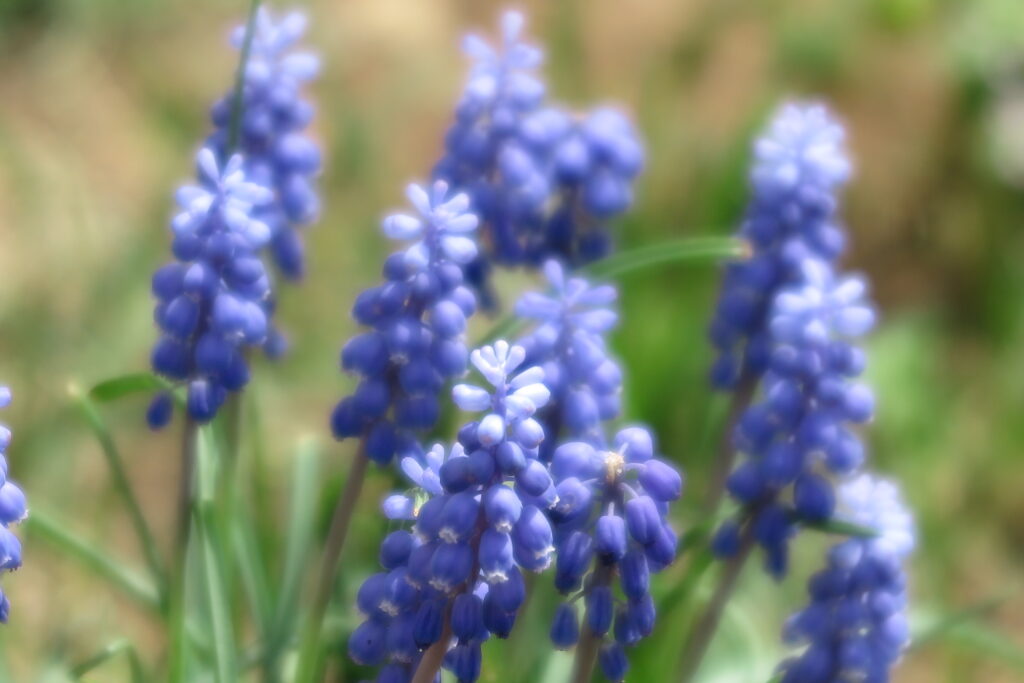
The grape hyacinth (Muscari armeniacum) is a compact spring-blooming plant recognized for its clustered blue flowers and tidy growth habit. Though small in stature, its seasonal presence is bold, appearing early in the year when few other plants are in bloom.
Originating from southeastern Europe and western Asia, grape hyacinth has been widely introduced across temperate regions around the world. It is now a familiar feature in gardens and naturalized spaces, where it reliably returns each year.
As winter fades, the first signs of growth appear as narrow green leaves pushing through the soil. Soon after, upright flower stems emerge, bringing a short but vibrant display before the plant transitions into its next stage.
Grape Hyacinth Growth Overview
The growth behavior of grape hyacinth is defined by consistency and seasonal rhythm. It follows a predictable pattern each year, emerging early, flowering quickly, and retreating just as swiftly.
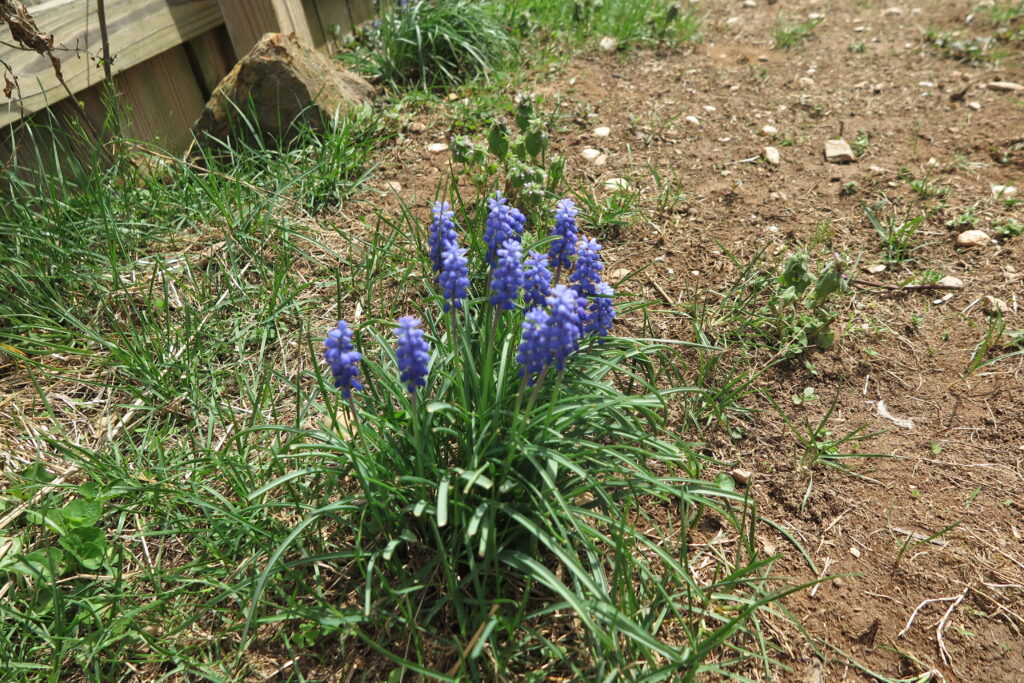
Its development is compact and controlled, with each plant maintaining a tight form. Rather than spreading aggressively across long distances, it expands gradually, forming dense clusters that increase in size over time.
This plant demonstrates a steady growth tendency rather than rapid expansion. Its presence builds year after year, creating repeating patterns of blooms that return in the same general area.
Another defining trait is its cyclical nature. Growth occurs in distinct phases—emergence, bloom, and dieback—each contributing to a complete and efficient life cycle that repeats annually.
Growth Behavior of Grape Hyacinth
Grape hyacinth grows at a moderate rate, with most visible development occurring in early spring. Once growth begins, the plant quickly produces leaves and flowering stems, completing its above-ground phase within a relatively short window.
Reproduction is driven primarily by bulb division. Over time, the original bulb produces offsets, which develop into new plants. This results in clumping expansion, with clusters becoming more pronounced each season.
Seed production also plays a role, though it is less dominant. After flowering, seeds may form and contribute to additional spread, but this process is slower and less predictable compared to bulb multiplication.
The plant responds well to sunlight, thriving in full sun while still tolerating partial shade. Water requirements are modest, and it performs well under typical seasonal moisture conditions. Once flowering is complete, the foliage gradually declines, signaling the transition into dormancy.
Grape Hyacinth Life Cycle and Survival Strategies
The life cycle of grape hyacinth is centered around its underground bulb, which acts as both a storage unit and a survival mechanism. This structure allows the plant to persist through periods when above-ground growth is no longer viable.
As temperatures rise in early spring, the bulb activates, sending up leaves and flower stems. This rapid emergence ensures the plant can take advantage of early-season conditions before competition increases.
After blooming, the plant begins to conserve energy. Nutrients are drawn back into the bulb as the leaves fade, preparing it for the dormant phase that follows. During this period, the plant remains inactive above ground.
Its survival strategy relies on resilience and efficiency. By storing resources below the surface and reproducing through bulb division, grape hyacinth maintains a stable presence over time, reappearing each year with reliable consistency.