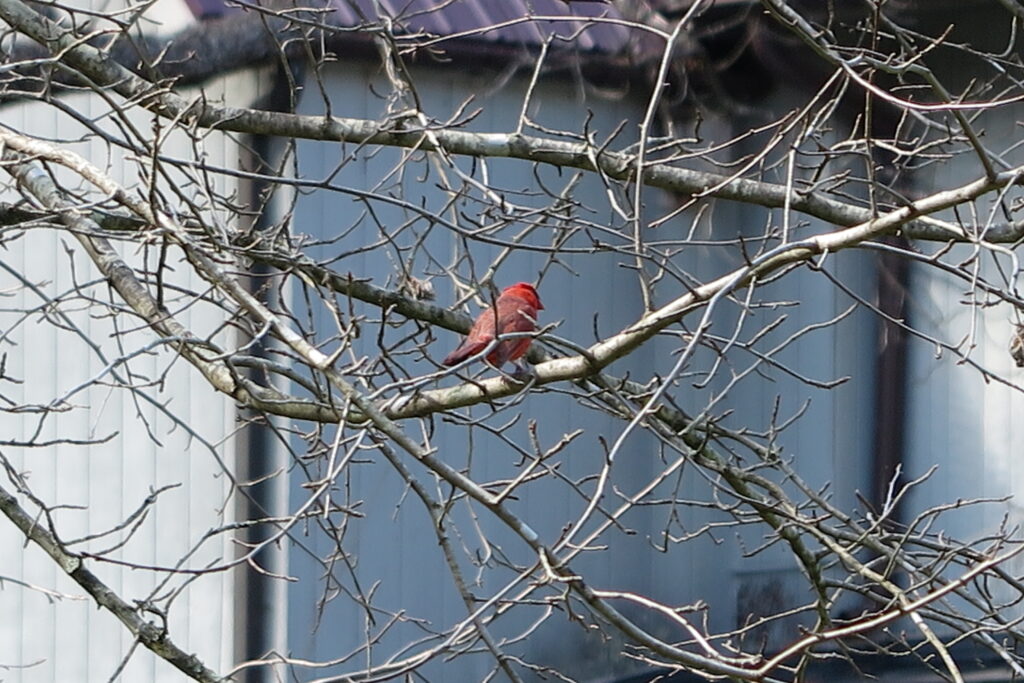
What Do Northern Cardinals Eat in Pennsylvania? Diet, Food Sources, and Feeding Habits
Quick Facts
Scientific Name:Cardinalis cardinalis
Common Name: Northern Cardinal
Location: Eastern and Central United States, including Pennsylvania
Diet Type: Omnivore
Main Food Sources: Seeds (sunflower, safflower, millet), fruits (berries), grains, and insects such as beetles, grasshoppers, and caterpillars
Seasonal Diet Changes: Primarily seed-based diet in fall and winter; shifts to more insects and protein-rich food sources during spring and summer, especially during breeding season
Feeding Time:Day (diurnal; most active during early morning and late afternoon)
Foraging Method: Ground foraging and low shrub feeding; uses strong beak to crack seeds and picks insects from vegetation
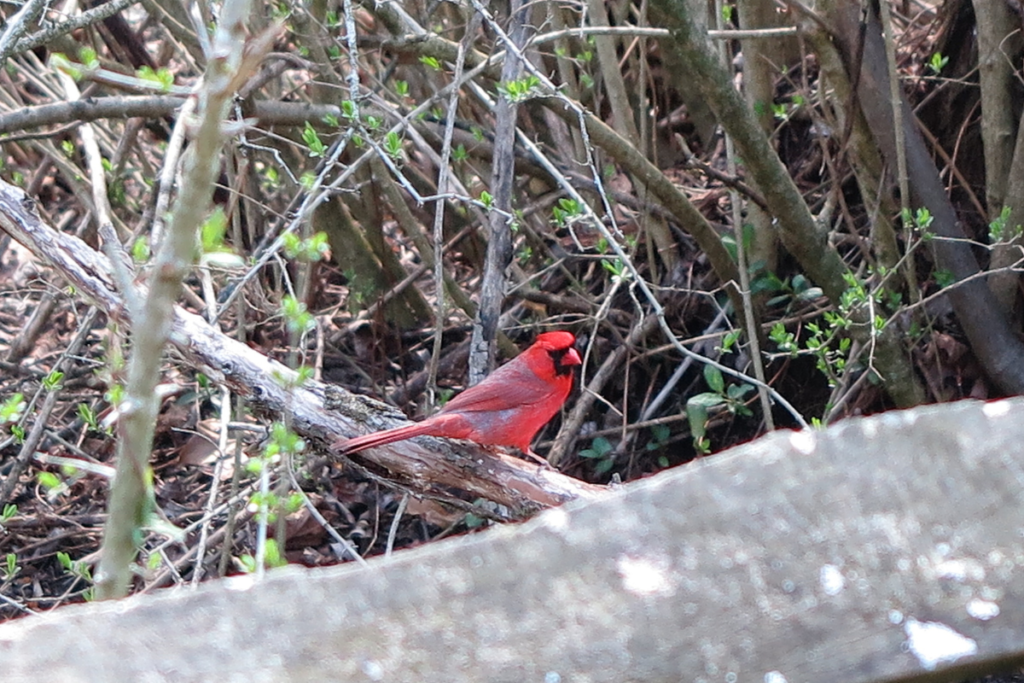
The Northern Cardinal (Cardinalis cardinalis) is a well-known songbird found throughout Pennsylvania, recognized for its bright red coloration and strong, thick beak. This species is a year-round resident, making it a consistent presence across changing seasons in the state.
In Pennsylvania, Northern Cardinals can be seen feeding in a variety of environments, from backyard feeders to natural landscapes. Their ability to adapt to different food sources allows them to remain active and visible throughout the year.
From early morning feeding in quiet suburban yards to searching for natural food sources in open areas, the Northern Cardinal’s diet plays a key role in its daily life. Understanding what they eat provides insight into how they survive and thrive across Pennsylvania.
Northern Cardinal Diet Overview in Pennsylvania: Feeding Type and General Patterns
The Northern Cardinal is classified as an omnivore, meaning it consumes both plant-based and animal-based food sources. This flexible diet allows it to take advantage of a wide range of available food throughout the year.
In general, Northern Cardinals show a strong preference for seeds and plant material, which make up a large portion of their diet. However, they also rely on insects and other small invertebrates, especially when additional nutrients are needed.
Their feeding tendencies are consistent and adaptable, allowing them to shift between different food types depending on availability. This adaptability is one of the reasons Northern Cardinals are so widespread across Pennsylvania.
Overall, the diet of the Northern Cardinal reflects a balance between plant and animal sources, with a strong emphasis on accessibility and seasonal availability. This combination supports their ability to remain active in both natural and developed environments.
Northern Cardinal Diet in Pennsylvania: Seeds, Insects, and Natural Food Sources
Northern Cardinals primarily feed on a variety of seeds, including sunflower seeds, safflower seeds, and other grains. Their strong, conical beak is well-suited for cracking open tough seed shells, making seeds a staple part of their diet.
In addition to seeds, Northern Cardinals consume fruits such as berries, which provide additional nutrients and variety. These food sources become especially important during certain times of the year when they are more readily available.
Insects play a crucial role in the Northern Cardinal’s diet, particularly during warmer months. Common prey includes beetles, grasshoppers, caterpillars, and other small invertebrates that provide essential protein.
Seasonal changes influence what Northern Cardinals eat, with a heavier reliance on seeds in colder months and an increase in insect consumption during spring and summer. This shift helps meet nutritional needs throughout the year.
Northern Cardinal Feeding Behavior in Pennsylvania: Foraging, Competition, and Survival
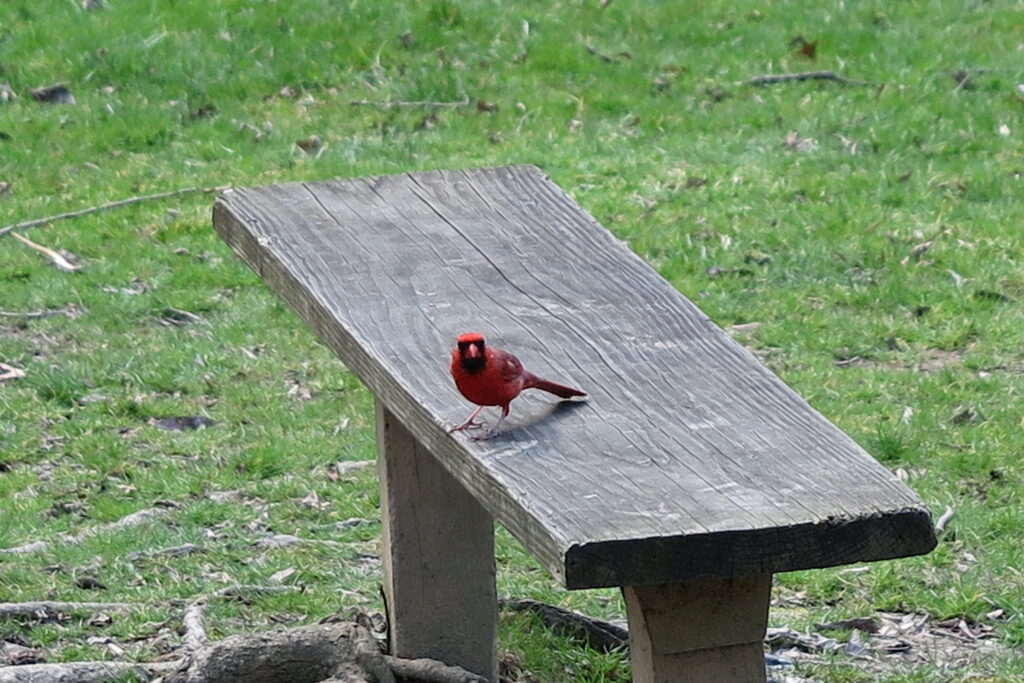
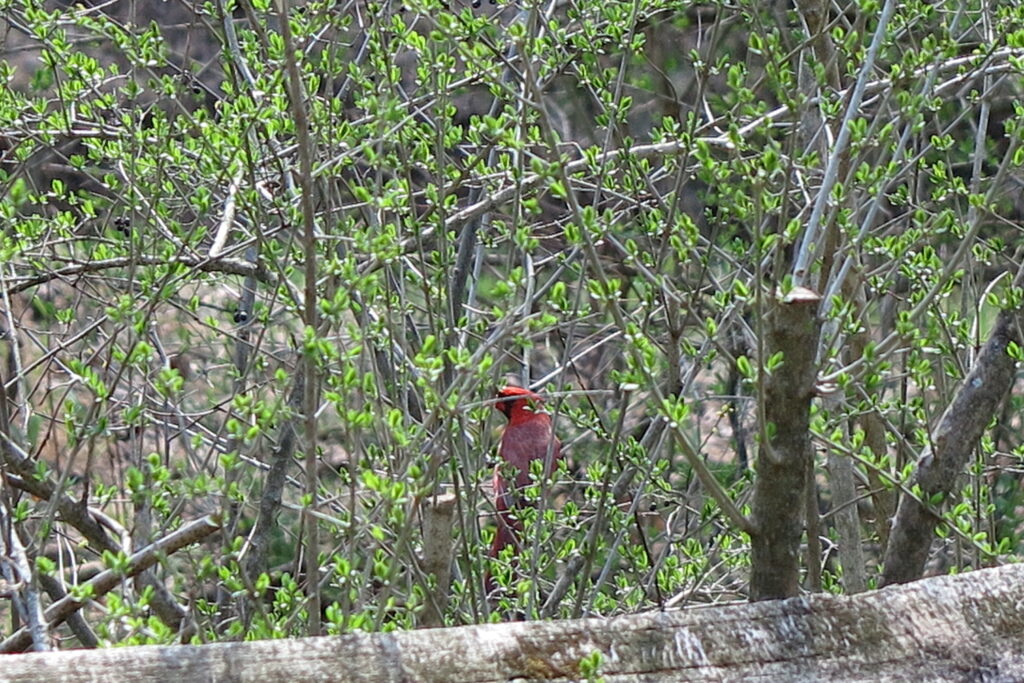
Northern Cardinals typically forage for food on the ground or in low vegetation, using their sharp eyesight to locate seeds and small prey. Their feeding style is deliberate, often involving short movements as they search for accessible food.
They are also known to visit bird feeders, where they take advantage of easily available food sources. This behavior allows them to thrive in areas where natural and supplemental food sources overlap.
Competition for food can occur with other bird species, especially in environments where resources are limited. However, Northern Cardinals are well-adapted to finding food in a variety of settings, reducing direct competition.
Feeding plays an important role in survival, especially during winter when food can be less abundant. By utilizing a flexible diet and multiple food sources, Northern Cardinals are able to maintain consistent access to nutrition throughout the year.