Northern Cardinal Overview Guide: Identification, Appearance, and Ecological Importance
Quick Facts
Scientific Name: Cardinalis cardinalis
Common Name: Northern Cardinal
Location: Woodlands, suburbs, parks, gardens, and forest edges
Average Size: 8–9 inches long with a wingspan of 10–12 inches
Lifespan: 3–15 years
Global Range: North America, primarily the eastern and central United States, parts of Mexico, and southern Canada
Conservation Status: Least Concern
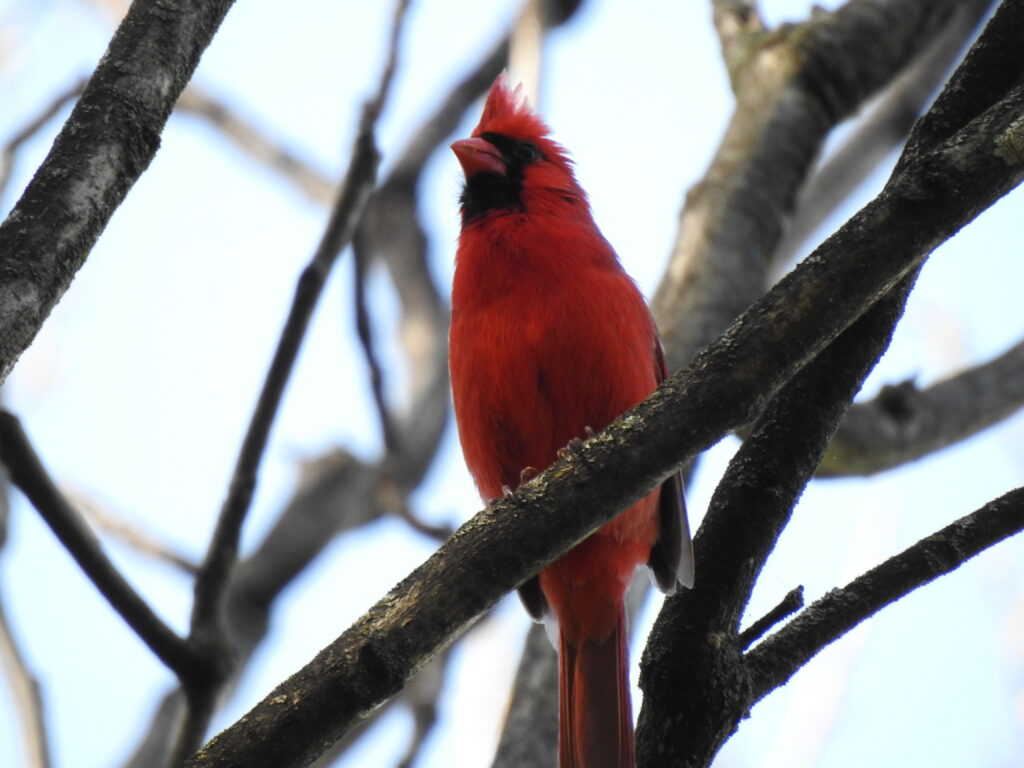
Notable Feature: Bright red plumage and tall crest on males
Location Observed: Pennsylvania, USA
Field Observation
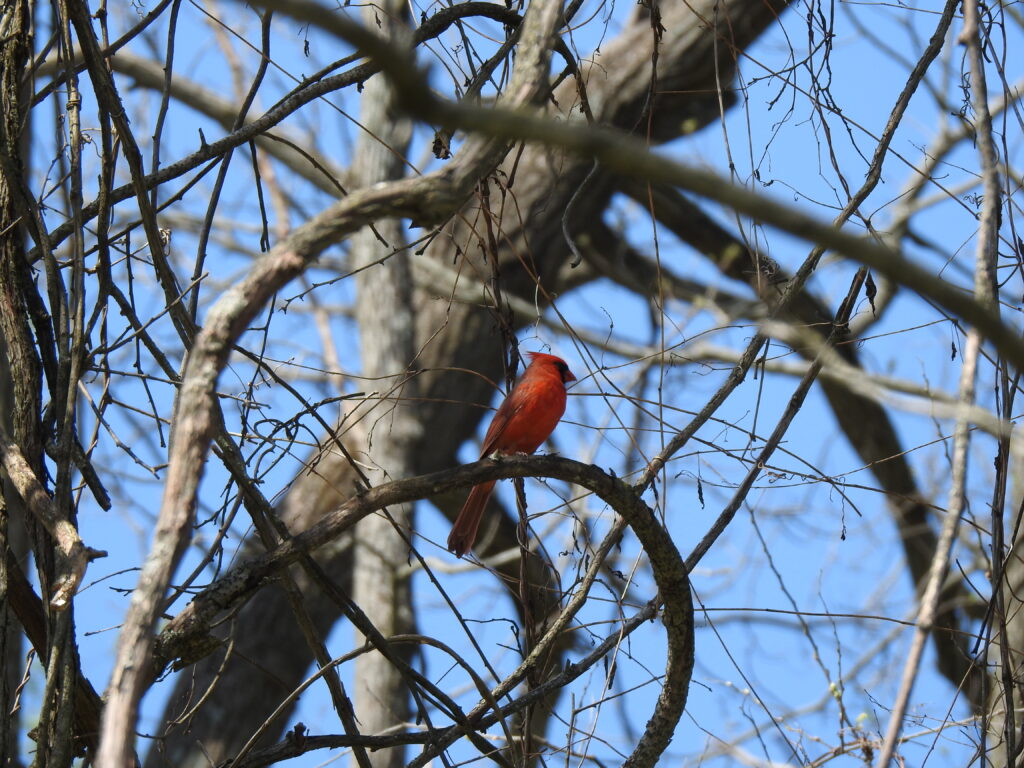
The Northern Cardinal was observed moving steadily from tree to tree while actively searching for food throughout the area. It remained highly alert to its surroundings at all times, rarely pausing for more than a moment before continuing on, creating the impression of a bird constantly focused on survival and awareness.
Introduction to the Northern Cardinal’s Bright Appearance and Range
The Northern Cardinal is one of the most recognizable birds in North America, admired for its vivid coloring and year-round visibility. Unlike many birds that migrate long distances, this species often remains within the same general region throughout the year, allowing people to observe it during every season. Its sharp crest, thick orange-red beak, and bold coloration make it stand out even against snowy winter landscapes.
Northern Cardinals are commonly found across the eastern and central United States, with populations extending into parts of Mexico and southern Canada. Over recent decades, the species has gradually expanded farther north as suburban environments and backyard feeding opportunities increased. Their adaptability has helped them thrive in both rural woodlands and heavily populated neighborhoods.
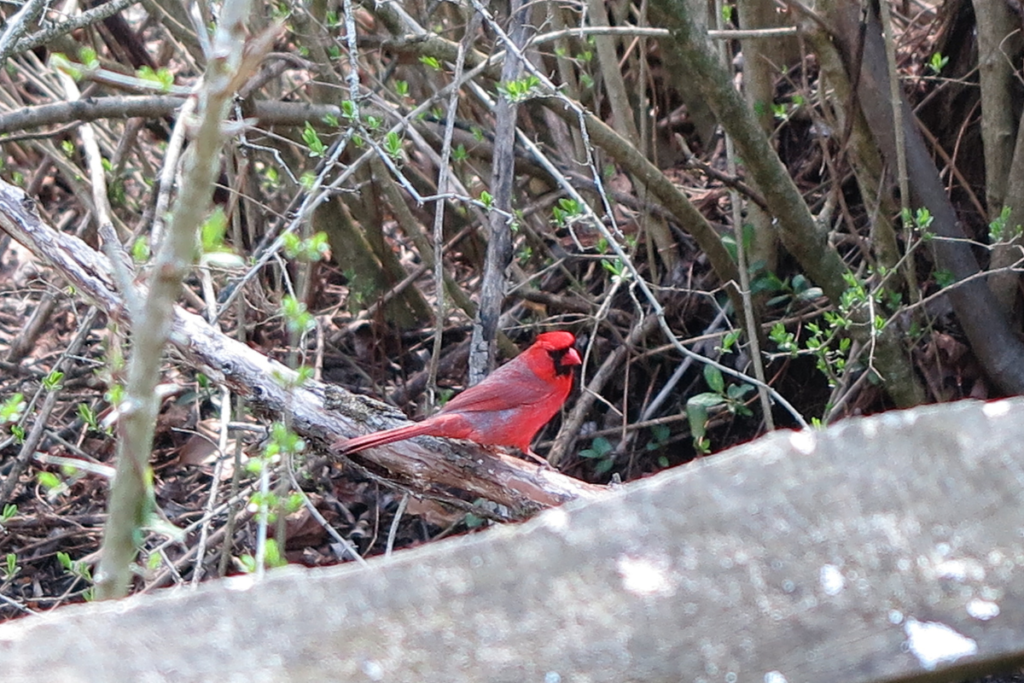
This bird is especially familiar in residential areas where shrubs, trees, and open lawns create a mix of shelter and visibility. Cardinals are frequently spotted perched on fences, hidden among tangled branches, or resting near dense vegetation. Their striking appearance often draws immediate attention, even from a distance.
The Northern Cardinal has also become deeply connected with seasonal imagery and wildlife photography. Its brilliant red feathers contrast strongly against green summer foliage and pale winter snow, creating scenes that many people associate with North American wildlife. Because of this, the species is widely featured in artwork, nature calendars, and birdwatching guides.
Northern Cardinal Physical Overview and Distinctive Appearance
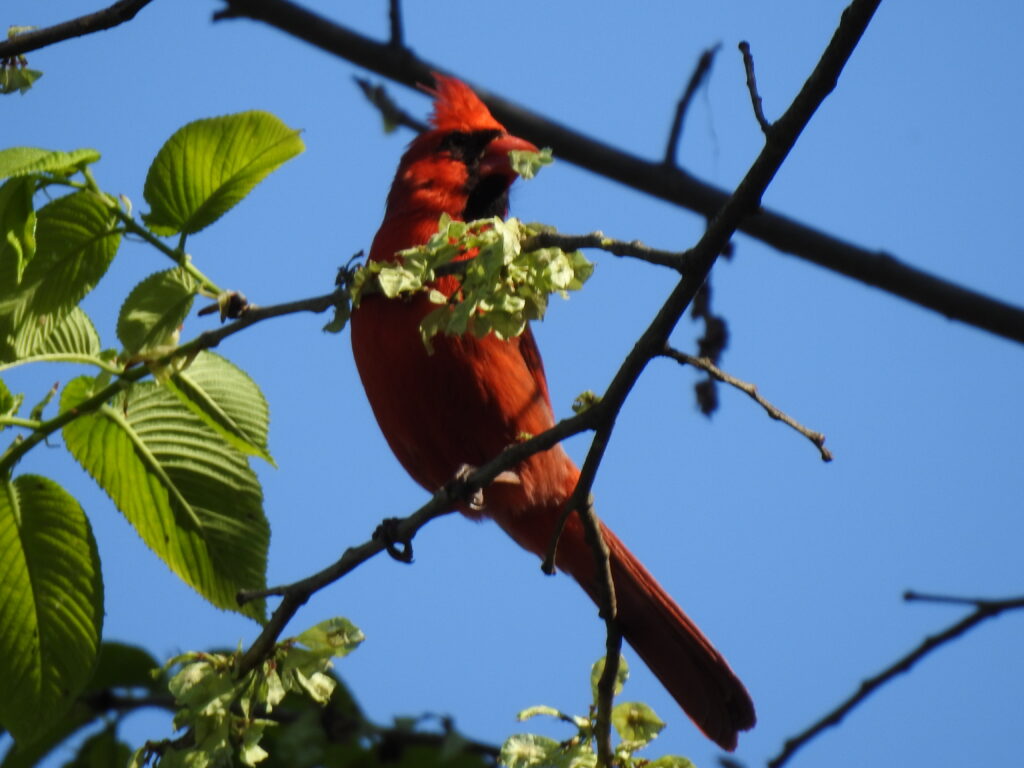
The Northern Cardinal is a medium-sized songbird with a rounded body, long tail, and upright crest that gives it a distinctive silhouette. Adult males are famous for their brilliant crimson-red plumage, while females display softer shades of warm brown mixed with subtle reddish highlights on the wings, tail, and crest. Both sexes possess the same thick, cone-shaped beak, which appears bright orange or reddish-orange.
In size, a Northern Cardinal is roughly comparable to a small handheld flashlight or a large smartphone in length. Although not particularly large, its bold coloring and upright posture often make it appear more prominent than nearby birds. The tail contributes significantly to its overall length, creating an elegant shape when perched among branches.
Young cardinals look noticeably different from fully mature adults. Juveniles often display muted brown or grayish feathers with darker beaks before gradually developing adult coloration. This softer appearance helps them blend into surrounding vegetation during early development stages.
One of the most recognizable features of the species is the dark facial mask surrounding the beak and eyes. In males, this black mask contrasts sharply against the red plumage, creating a dramatic appearance that resembles a carefully painted pattern. Females also show the facial mask, although it is usually lighter and less intense.
The Northern Cardinal’s appearance can vary slightly depending on lighting conditions and feather wear throughout the year. Bright sunlight may make males appear almost glowing scarlet, while shaded woodland environments can reveal deeper burgundy or crimson tones. Females may look more tan, olive-brown, or reddish-brown depending on season and age.
Despite its vibrant appearance, the species is surprisingly effective at disappearing into dense shrubs and tangled vegetation. The red coloration may seem obvious in open spaces, but among berries, autumn leaves, and shaded branches, cardinals can blend more naturally than many people expect. Their smooth feather structure and balanced proportions also give them a refined, streamlined appearance compared to chunkier backyard birds.
General Characteristics That Make the Northern Cardinal Easy to Identify
The Northern Cardinal possesses several defining physical traits that make it instantly recognizable even to casual observers. Its raised crest is one of the most obvious features, often changing shape depending on the bird’s alertness or mood. When fully raised, the crest creates a pointed profile that resembles a small feathered crown.
Another standout characteristic is the bird’s powerful beak. Thick and triangular, the beak resembles a compact seed-cracking tool and appears much heavier than the delicate beaks of many smaller songbirds. This sturdy structure gives the cardinal a strong facial appearance that helps separate it from species like finches or sparrows.
Compared to the American Robin, the Northern Cardinal appears shorter and more compact, with a fuller head and longer tail. Robins have smoother head profiles and thinner beaks, while cardinals possess sharper facial contrasts and more dramatic coloration. Even female cardinals remain distinguishable because of their crest and reddish wing accents.
The species also has unusually expressive eyes and facial patterns. The dark mask surrounding the face creates a focused appearance, especially in mature males. Combined with the crest, this gives the bird a bold and alert expression that stands out among backyard birds.
Cardinals display remarkable feather smoothness and symmetry. Their plumage often appears polished, with clean feather layering across the wings and tail. When sunlight hits the feathers directly, subtle shades of scarlet, crimson, and deep red become visible rather than a single flat color.
Female Northern Cardinals deserve attention for their understated beauty. Instead of bright scarlet tones, females carry warm cinnamon-brown plumage accented by soft reds along the wings and crest. This combination creates a natural, earthy appearance that still remains highly recognizable.
Even from a distance, the bird’s outline is distinctive enough for quick identification. The combination of crest, long tail, rounded body, and heavy beak creates a shape unlike most other North American songbirds. Whether perched high in a tree or hopping near the ground, the Northern Cardinal maintains a striking visual identity.
Northern Cardinal Role in the Ecosystem and Environmental Importance
The Northern Cardinal plays an important role in maintaining balance within many North American ecosystems. As a common native bird, it contributes to natural food webs and helps support interactions between plants, insects, and predators. Its widespread distribution allows it to influence ecosystems across forests, suburban habitats, and woodland edges.
Cardinals serve as both prey and environmental indicators within their ecosystems. Hawks, owls, snakes, and certain mammals may rely on them as part of broader food chains. Their continued presence in an area can also reflect healthy vegetation cover and suitable natural shelter.
The species contributes to plant distribution through seed movement across different environments. As cardinals travel between shrubs, trees, and open areas, they assist in spreading vegetation naturally over time. This process supports plant diversity and helps maintain balanced woodland growth patterns.
Northern Cardinals also help connect suburban environments with native wildlife systems. Many neighborhoods contain fragmented habitats, yet cardinals continue thriving within these mixed spaces. Their ability to survive in areas shaped by humans allows native bird populations to remain visible even in developed regions.
The bird’s year-round activity makes it particularly important during winter months when fewer species remain active in northern areas. Cardinals continue interacting with surrounding ecosystems through colder seasons, helping sustain predator-prey relationships and maintaining ecological activity when migratory birds are absent.
Because the species is highly visible and familiar, it often encourages public interest in wildlife conservation. Many people begin birdwatching after observing cardinals in gardens or local parks. This connection between humans and wildlife can increase awareness about habitat preservation, native plants, and broader environmental health.
The Northern Cardinal ultimately represents more than a colorful backyard bird. Its presence supports ecological balance, contributes to natural vegetation cycles, and strengthens connections between people and the natural world. Across forests, neighborhoods, and woodland edges, this striking species remains an important part of North America’s living ecosystems.
Observation Location
Observed in Nixon Park Nature Center, Pennsylvania, USA
Popular Searches About Northern Cardinals
Explore Northern Cardinal Guide
Explore More Wildlife

Support Encounters World
Help support wildlife photography and get behind the scenes discoveries on Patreon.