Northern Cardinal Habitat Guide: Where Northern Cardinals Live Across North America

Quick Facts
Primary Habitat: Woodland edges and dense shrub areas
Secondary Habitat: Parks, suburbs, gardens, and overgrown fields
Climate Preference: Temperate and humid climates
Environment Type: Mixed vegetation zones with tree and shrub cover
Elevation / Depth Range: Sea level to around 7,000 feet
Geographic Distribution: Eastern and central North America, extending into parts of Mexico and southern Canada
Introduction to the Northern Cardinal’s Natural Environment
The Northern Cardinal is widely recognized across North America for its bright coloration and strong connection to wooded landscapes and suburban scenery. Its range stretches across much of the eastern and central United States, with populations also extending into southern Canada and portions of Mexico. Because the species remains active year-round in many regions, it has become a familiar part of both natural and human-shaped environments.
Northern Cardinals are often associated with places where vegetation remains thick and layered. Their presence is especially noticeable in regions where trees, shrubs, and open spaces blend together naturally. Whether in quiet countryside settings or residential neighborhoods, cardinals tend to occupy areas that provide a balance of visibility and cover.
Over time, the species has adjusted well to expanding suburban development. Unlike certain birds that decline when landscapes change, Northern Cardinals frequently continue thriving near homes, walking trails, and public parks. Their ability to remain visible in populated areas has helped make them one of the most recognized birds in North America.
Seasonal weather also shapes how these birds appear within the landscape. During summer, they often blend into deep green vegetation, while winter snow can make their red plumage appear dramatically vivid against pale surroundings. Across all seasons, the Northern Cardinal remains closely tied to environments filled with dense plant growth and layered natural structure.
Northern Cardinal Habitat Overview Across Its Geographic Range
Northern Cardinals occupy a broad range of environments throughout eastern and central North America. Their distribution spans from humid southeastern regions to colder northern states and southern portions of Canada. This wide geographic range demonstrates a level of environmental flexibility that many smaller songbirds struggle to achieve.
The species is commonly found in landscapes where open spaces connect with thicker vegetation. Areas containing scattered trees, shrubs, and patches of cover tend to support strong populations. Cardinals rarely dominate completely open terrain or heavily urbanized city centers lacking natural vegetation.
Compared to birds like the Scarlet Tanager, which often rely on deeper forest conditions, Northern Cardinals adapt more comfortably to mixed and transitional environments. They frequently thrive in edge habitats where forests meet clearings, roadsides, or suburban developments. This adaptability allows them to remain widespread even as landscapes change over time.
Northern Cardinals are especially successful in regions shaped by moderate human activity. Residential neighborhoods with ornamental shrubs, backyard trees, and hedgerows can support surprisingly healthy populations. In many areas, cardinals have become more common near suburban communities than in untouched wilderness.
Although highly adaptable, the species still depends heavily on environments with reliable vegetation density. Landscapes stripped of shrubs and protective cover tend to support fewer individuals. Cardinals generally avoid barren agricultural expanses or heavily industrialized zones lacking layered plant growth.
The species has also gradually expanded farther north during recent decades. Milder winters, suburban tree planting, and increased availability of backyard food sources have likely contributed to this expansion. As a result, Northern Cardinals now appear regularly in areas where they were once considered uncommon.
Despite this broad distribution, cardinals remain strongly associated with environments that provide visual complexity. Landscapes containing tangled branches, dense foliage, and overlapping vegetation layers create ideal conditions for long-term occupancy. Their continued success across such a large region reflects both adaptability and dependence on structured plant cover.
Northern Cardinal Habitat Types and Preferred Living Areas
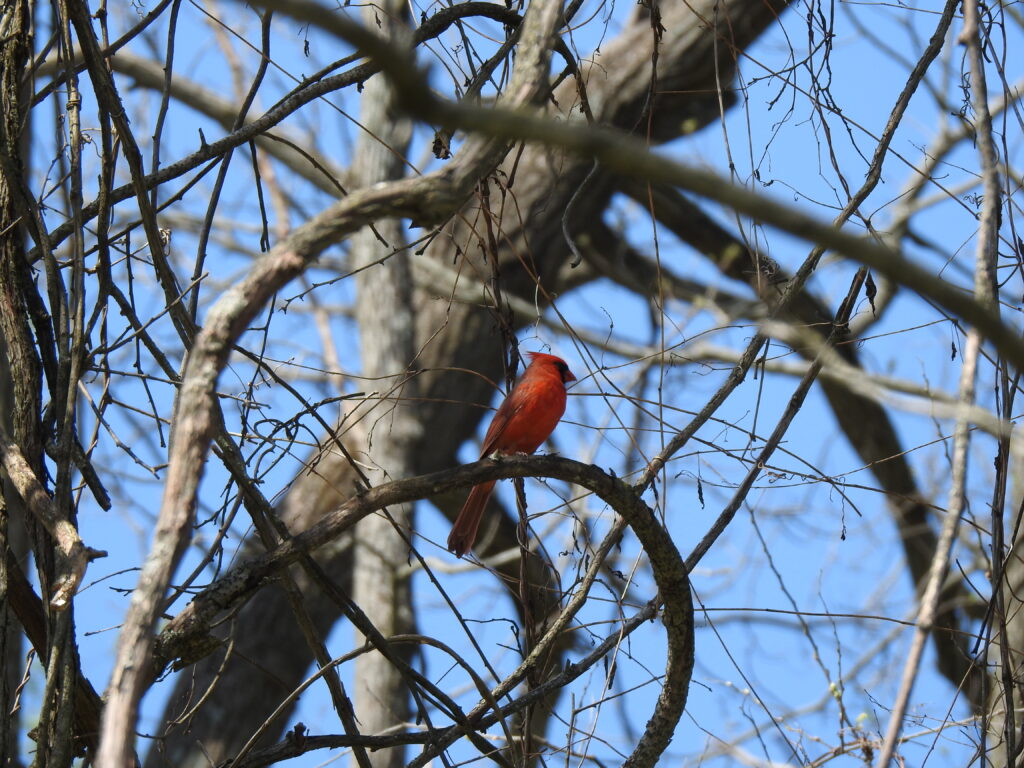
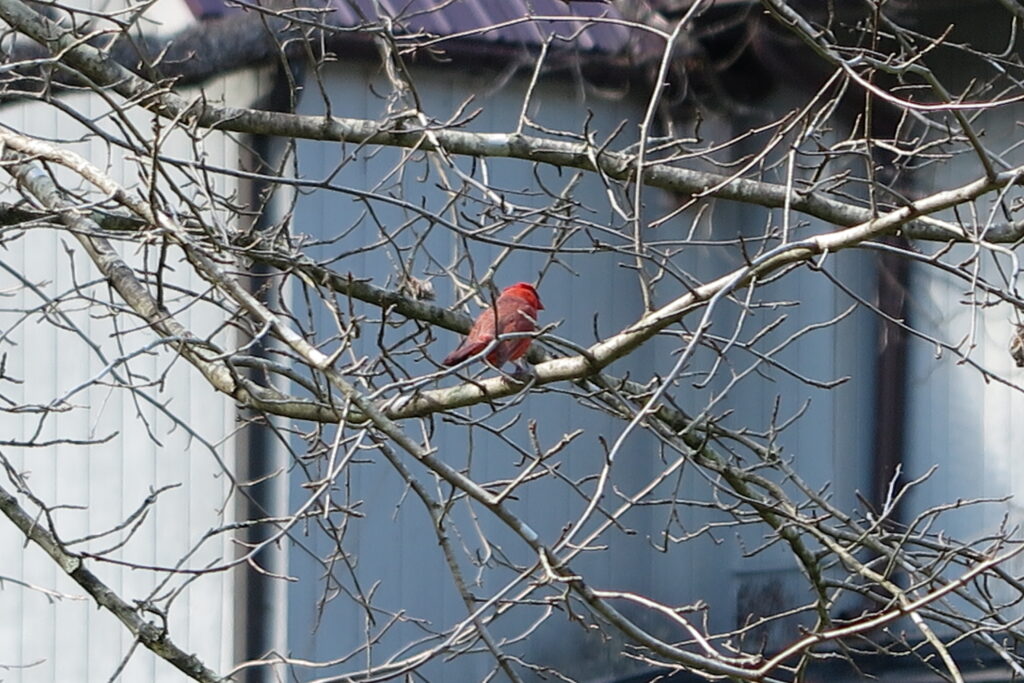
Northern Cardinals occupy several distinct habitat types throughout their range, though all share one important feature: substantial vegetation cover. Woodland edges are among the most common environments where the species can be found. These transition zones combine trees, shrubs, and small open spaces that create a layered landscape well suited for cardinals.
Dense thickets and brush-filled areas are also heavily used by the species. Overgrown hedgerows, young forest growth, and tangled vegetation provide important shelter and nesting locations. Cardinals often remain hidden within these dense plant structures even when nearby activity is present.
Suburban neighborhoods have become another major habitat category for the species. Gardens, ornamental shrubs, backyard trees, and fenced properties often create surprisingly suitable environments. In some suburban areas, Northern Cardinals may appear more frequently than in nearby undeveloped forests.
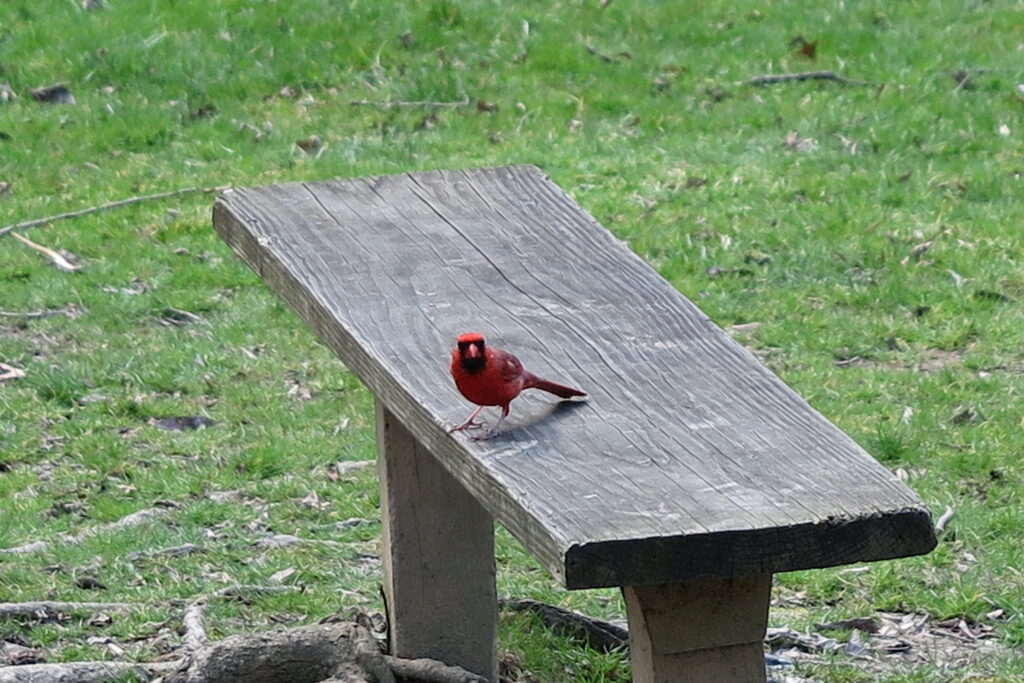
The species is also commonly observed within parks and recreational green spaces. Public walking trails lined with shrubs and tree cover can support active populations throughout the year. Even relatively small patches of vegetation may attract cardinals if enough cover remains available.
Agricultural edge zones sometimes provide suitable habitat as well, particularly where fence lines and brushy margins remain intact. Cardinals are far less common in large open crop fields without nearby vegetation, but they readily occupy bordering areas with shrubs or scattered trees. These edge conditions create a balance between exposure and protection.
Northern Cardinals generally favor habitat edges over deep forest interiors. Unlike some woodland birds that depend on uninterrupted canopy cover, cardinals often remain near openings where sunlight reaches lower vegetation layers. This preference helps explain their success in fragmented landscapes and suburban settings.
Wetland margins, river corridors, and brushy stream edges may also support populations in certain regions. Vegetation surrounding waterways often remains dense and structurally diverse, creating suitable environmental conditions. Cardinals typically remain near shrubby growth rather than occupying open marsh interiors directly.
Environmental Conditions That Support Northern Cardinal Populations
Northern Cardinals thrive in temperate climates that provide seasonal variation without extreme environmental instability. Much of their range experiences warm summers, cool winters, and moderate yearly precipitation. These conditions support dense vegetation growth that remains essential for the species.
Humid environments are especially favorable for Northern Cardinals. Regions with regular rainfall tend to support thick shrubs, understory plants, and tree cover that create layered habitat structure. The species is particularly common in eastern North America, where moisture-rich summers encourage lush vegetation growth.
Despite their association with milder climates, cardinals tolerate cold winters surprisingly well. Snowfall and freezing temperatures do not typically force migration in most populations. Their bright plumage standing against snow-covered branches has become one of the most iconic winter wildlife scenes in North America.
Vegetation density plays a major role in determining habitat suitability. Areas with tangled shrubs, overlapping branches, and varied plant heights create strong environmental structure for the species. A well-developed understory is often just as important as mature trees within occupied habitats.
Northern Cardinals are commonly found in relatively low to moderate elevations, though populations can occur at elevations approaching 7,000 feet in certain regions. Lower elevations with mixed vegetation generally support the highest densities. Mountain environments may still be occupied if sufficient shrub and woodland cover remains available.
Seasonal plant changes also influence habitat quality throughout the year. Spring and summer produce thick foliage that creates concealed resting and nesting locations, while autumn introduces berry-producing vegetation and changing leaf cover. Winter conditions reduce foliage density, making evergreen shrubs and dense thickets increasingly important.
The environmental conditions supporting Northern Cardinals can be compared to a layered natural shelter system. Much like a house surrounded by fences, trees, and protective landscaping, cardinal habitats function best when multiple vegetation layers combine together. This structural complexity provides protection, seasonal stability, and year-round environmental support across their range.
Popular Searches About Northern Cardinals
Explore Northern Cardinal Guide
Explore More Wildlife

Support Encounters World
Help support wildlife photography and get behind the scenes discoveries on Patreon.