Rhode Island Red Chicken Behavior in Pennsylvania: Activity, Social Structure, and Daily Patterns
Quick Facts
Scientific Name: Gallus gallus domesticus
Common Name: Rhode Island Red Chicken
Location: Domesticated worldwide (commonly found in backyard flocks and farms across Pennsylvania)
Activity Type: Diurnal (active during the day)
Social Behavior: Group (flock-oriented, social but can be assertive within hierarchy)
Territorial Behavior: Moderate; establishes position in the pecking order and may display dominance, especially around food or nesting areas
Vocalizations: Moderate to loud clucking, alert calls, and egg-laying vocalizations; used for communication and signaling changes in surroundings
Migration/Seasonal Behavior: Non-migratory; remains in the same location year-round, with activity and egg production influenced by seasonal daylight changes
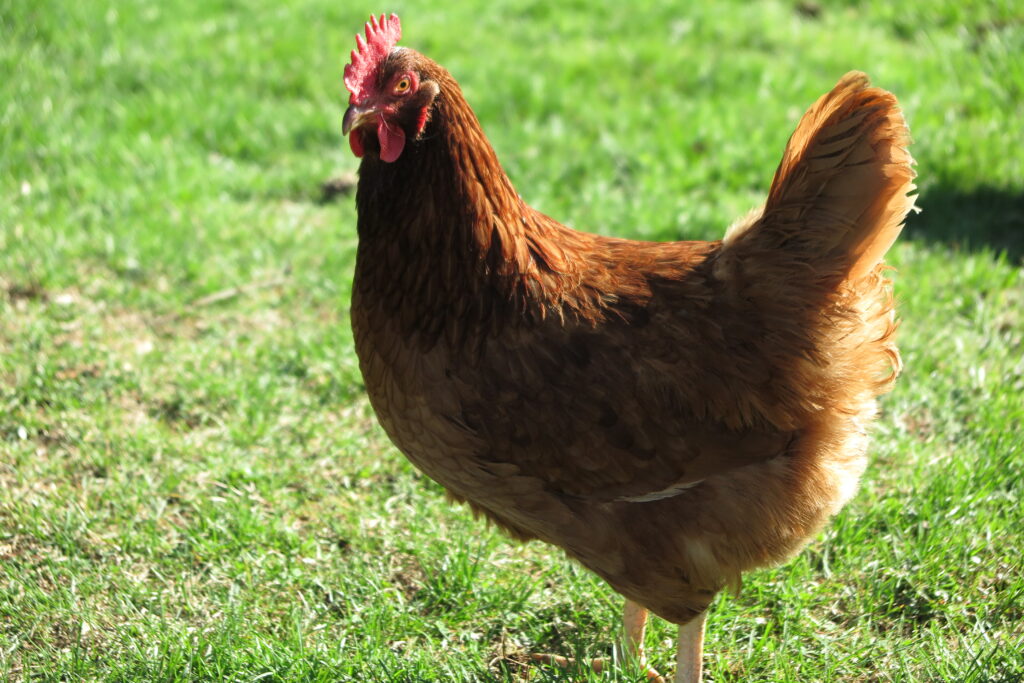
The Rhode Island Red chicken is a domesticated breed widely known for its hardy nature and active personality. Recognized for its deep reddish coloration, this breed is also valued for its consistent and reliable behavioral traits.
In Pennsylvania, Rhode Island Reds are commonly found in backyard flocks, small farms, and rural environments where their behavior can be observed in structured, human-managed settings. Their adaptability makes them well-suited to the region’s changing seasons.
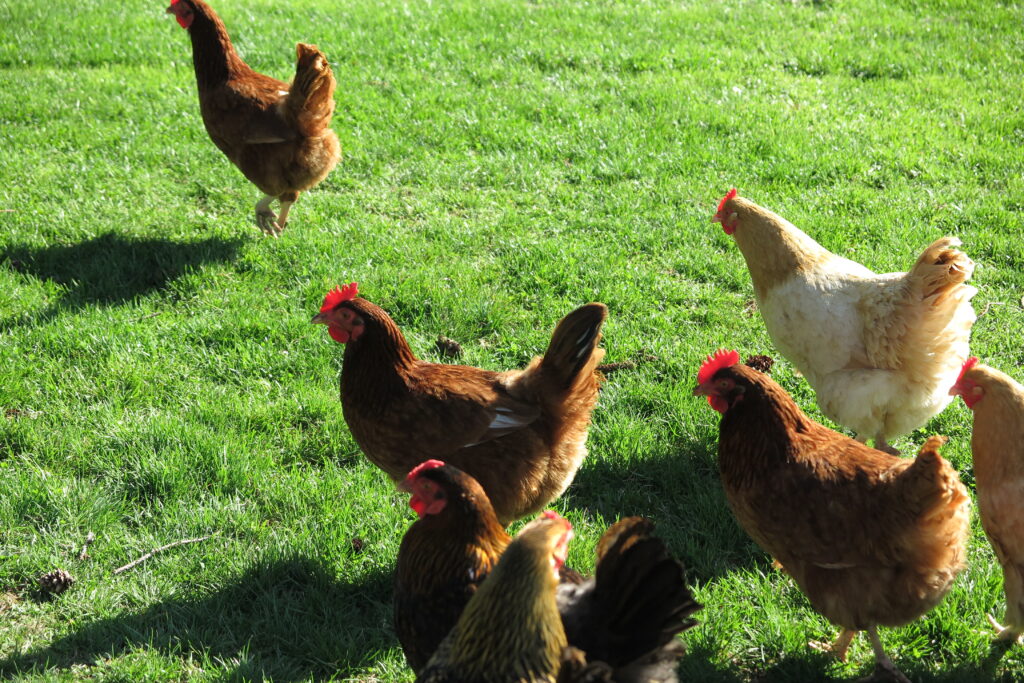
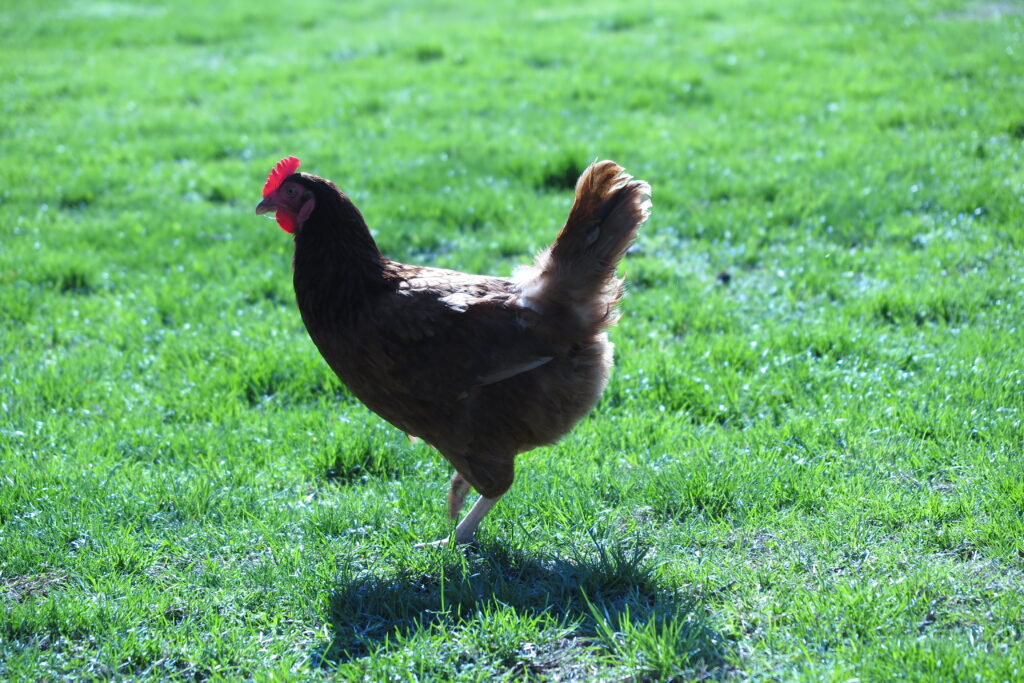
Often seen moving steadily across open ground or interacting within a flock, these chickens display predictable daily patterns. Their behavior reflects a balance between independence, social interaction, and environmental awareness.
Rhode Island Red Chicken Behavior Overview: Movement, Activity, and General Traits
Rhode Island Red chickens are known for their active and alert movement patterns. They spend much of their time walking, scratching, and exploring their surroundings, maintaining a steady and consistent level of activity throughout the day.
Their activity level is considered moderate to high compared to other chicken breeds. Rather than remaining idle, they frequently move across available space, showing a strong tendency to stay engaged with their environment.
This breed is highly adaptable in behavior, adjusting easily to routine schedules and consistent care. Whether in smaller enclosures or larger open areas, they maintain stable and predictable behavioral patterns.
Overall, Rhode Island Reds are recognized for their confident and resilient nature. Their balanced behavioral traits make them manageable while still displaying a noticeable level of independence.
Rhode Island Red Chicken Behavior Patterns: Movement, Territorial Traits, and Vocalizations
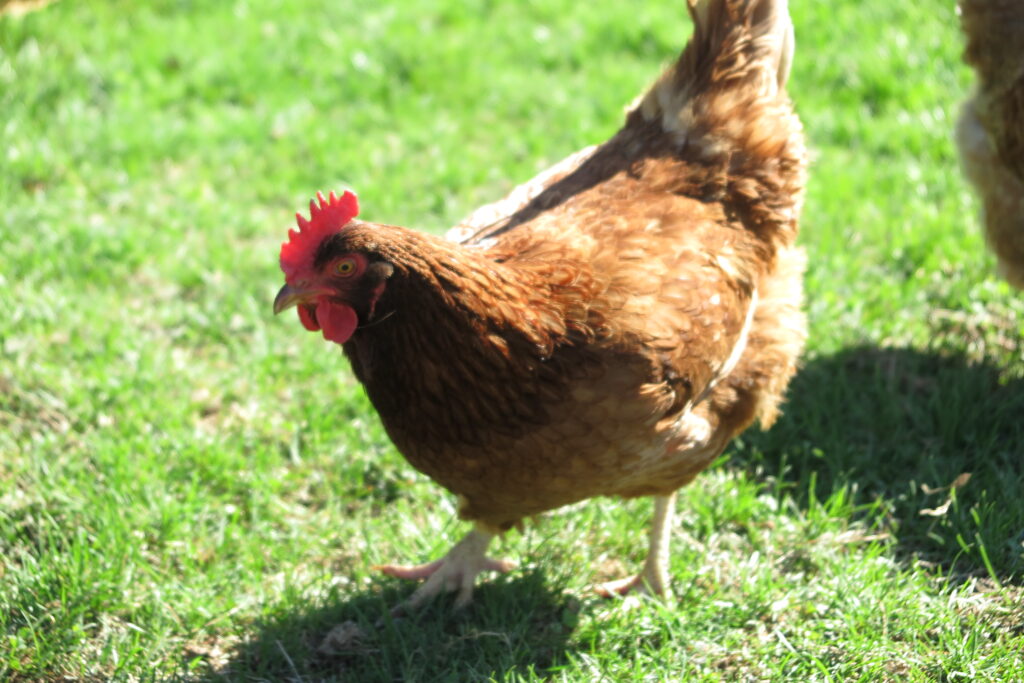
Rhode Island Red chickens exhibit purposeful movement, often walking with steady pacing as they explore the ground. Their behavior includes frequent scratching and pecking motions, which are part of their natural daily activity.
Within a flock, they establish a clear social hierarchy. They can display moderate territorial behavior, especially when competing for food or nesting space, often asserting their position within the pecking order.
Their vocalizations include clucking, alert calls, and louder sounds associated with egg-laying or environmental awareness. These sounds serve as a form of communication within the flock and help signal changes in their surroundings.
As diurnal animals, Rhode Island Reds are active during daylight hours and rest at night. Their daily activity follows a consistent rhythm tied to natural light, with peak activity occurring during the morning and afternoon.
Rhode Island Red Chicken Interaction and Survival Behavior in Pennsylvania
Rhode Island Red chickens respond to potential threats with heightened awareness. They may pause, observe, or move cautiously when detecting unfamiliar sounds or movement, relying on alertness to maintain safety.
Their social structure plays an important role in interaction. Living in a flock allows them to maintain order and reduce conflict through established hierarchy, helping regulate group behavior.
Feeding-related behavior involves steady interaction with the ground, including scratching and pecking patterns. This behavior allows them to locate food efficiently while staying aware of their surroundings.
Overall, their survival behavior is based on consistency and adaptability. By combining awareness, social organization, and routine movement, Rhode Island Reds maintain stability in managed environments across Pennsylvania.