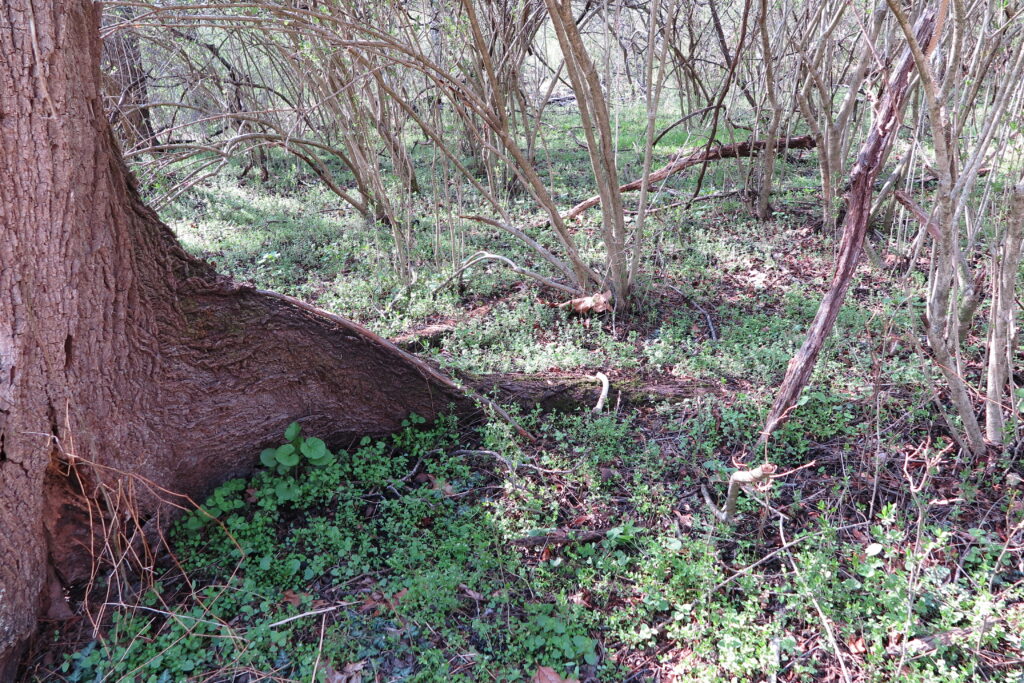
White-Tailed Deer Antler Function – Role, Purpose, and How Antlers Work in Deer
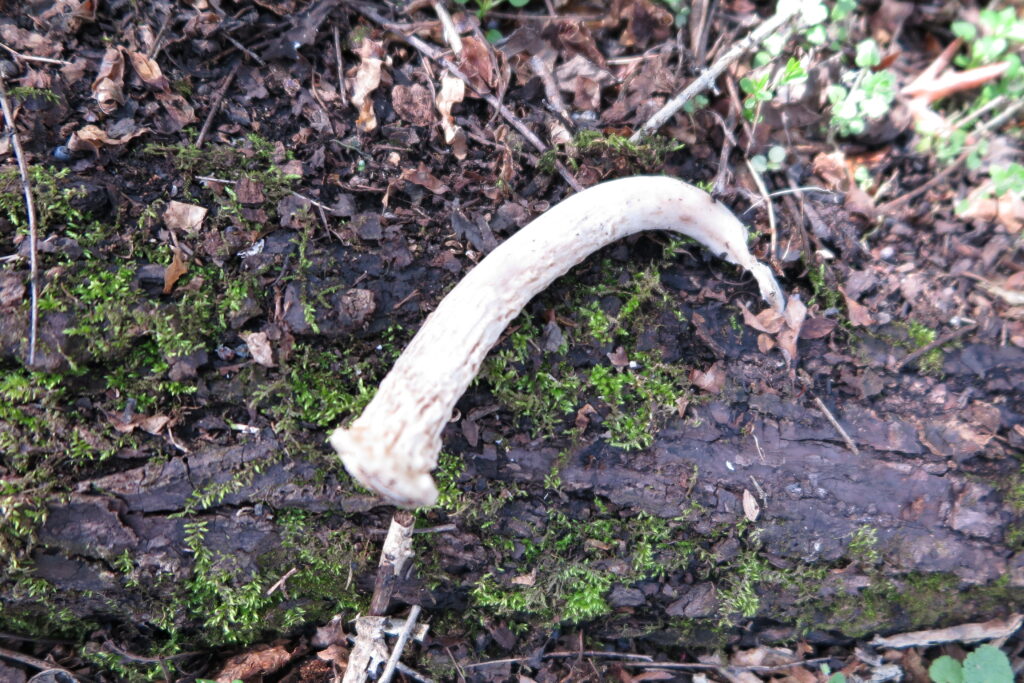
Quick Facts
Skeletal Role: Display, Combat, Social signaling (not primary support/protection/movement)
Body Region: Head (cranial appendage)
Primary Function: Mating competition, dominance display, visual signaling
Muscle Attachment: No direct muscle attachment (attached via pedicle on skull)
Mobility Role: Rigid
Protection Level: Low
Joint Connection: No (fixed attachment to skull pedicle)
Load Bearing: No
Biological Importance: High (reproductive success, dominance hierarchy, species signaling)
Location Observed: Pennsylvania
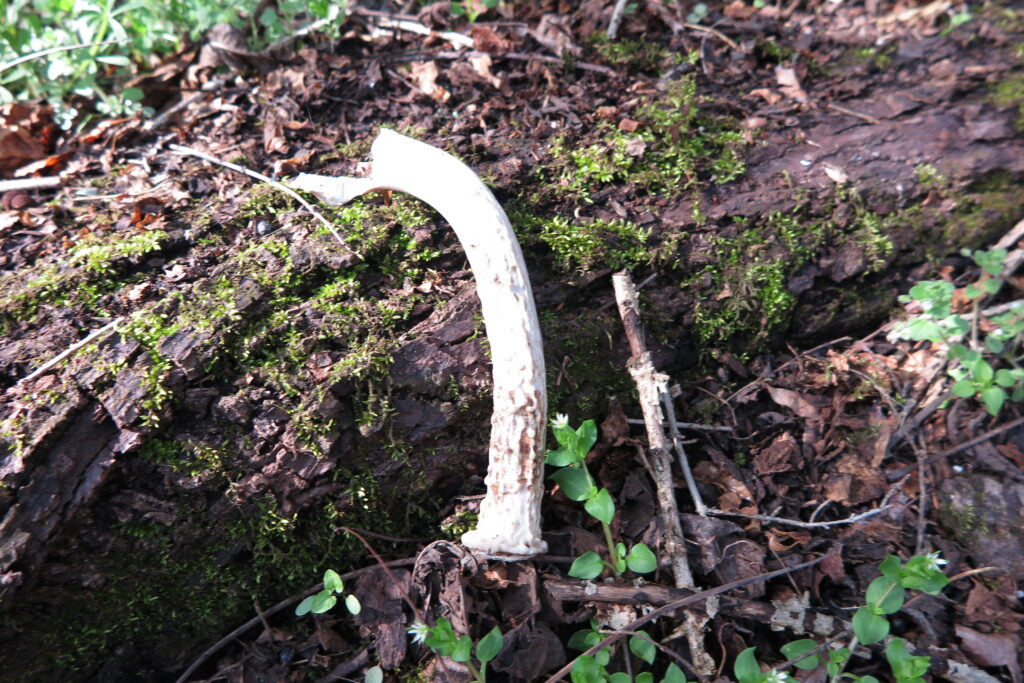
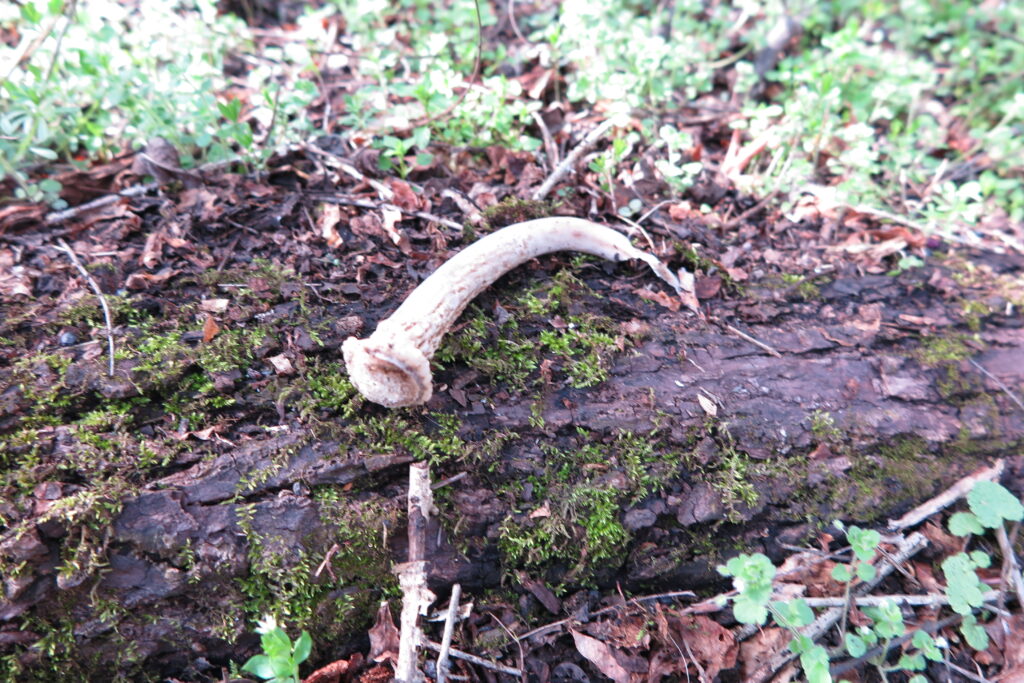
A white-tailed deer antler fragment represents a portion of a cranial appendage that grows directly from the skull of the animal. Unlike typical skeletal bones, this structure is temporary, developing annually before being shed and regrown. Its rigid form and branching design reflect its specialized purpose within the animal rather than a role in movement or structural support.
This fragment most likely belongs to the White-tailed deer, a species widely distributed across North America, Central America, and parts of South America. Male deer grow antlers each year, creating structures that are essential for communication, competition, and reproductive behavior across their global range.
When the animal was alive, this structure functioned as a highly visible and functional extension of the skull. It played a role in interactions with other deer, particularly during the breeding season, where strength, size, and positioning of the antlers directly influenced outcomes between competing individuals.
White-Tailed Deer Antler Role in the Body
Antlers in white-tailed deer serve a specialized role that differs significantly from most bones in the body. Rather than contributing to locomotion or internal protection, they are external structures primarily involved in social behavior and reproductive competition. Their placement on the head gives them both visibility and functional leverage.
Within the skeletal system, antlers are connected to the skull but do not act as a structural support element. They extend outward from the head, functioning more as tools than as load-bearing components. This distinction separates them from bones such as limbs or ribs, which serve foundational roles in the body.
The overall purpose of antlers can be understood as a combination of display and interaction. Their size and shape signal maturity and strength, while their physical presence allows for direct engagement with other individuals. This dual role makes them one of the most unique structures in the animal’s anatomy.
Although not involved in daily survival tasks like movement or feeding, antlers are essential for reproductive success. Their presence influences social hierarchy and access to mates, making them a critical component of the animal’s biological strategy.
Deer Antler Purpose
The primary function of antlers in white-tailed deer is to facilitate competition between males during the breeding season. These structures are used in sparring matches, where individuals push and lock antlers to establish dominance. The shape and rigidity of the antler beam allow for controlled force distribution during these encounters.
In addition to physical competition, antlers serve as visual indicators of strength and health. Larger and more developed antlers often signal a more dominant individual, influencing interactions even before direct contact occurs. This visual function reduces the need for constant physical conflict.
Antlers also play a role in spacing and territory-related behavior. Males use them to assert presence and maintain distance from rivals, contributing to the organization of individuals within a shared environment. Their size and positioning enhance their effectiveness in these interactions.
Despite their strength, antlers are not designed for protection or load-bearing. Instead, their structure is optimized for controlled engagement and display. This specialization highlights their role as tools for interaction rather than components of structural support.
How Deer Antlers Function in Action
From a biomechanical perspective, antlers are positioned to maximize leverage during interaction. Their placement on the skull allows deer to use neck and upper body strength to apply force through the antlers. This positioning enables efficient transfer of energy during sparring.
The curved design of the antler beam helps distribute pressure when two individuals engage. Instead of focusing force on a single point, the structure spreads it across a broader surface, reducing the likelihood of breakage during controlled combat.
Although antlers themselves are rigid and do not move independently, they function as extensions of the animal’s head and neck movement. This integration allows for precise control during interactions, with the animal adjusting angles and pressure through body positioning.
Antlers are not involved in locomotion or weight-bearing, but they do influence balance and movement during interaction. Their presence requires coordination and strength from surrounding muscles, ensuring that the animal can effectively use them without compromising mobility.