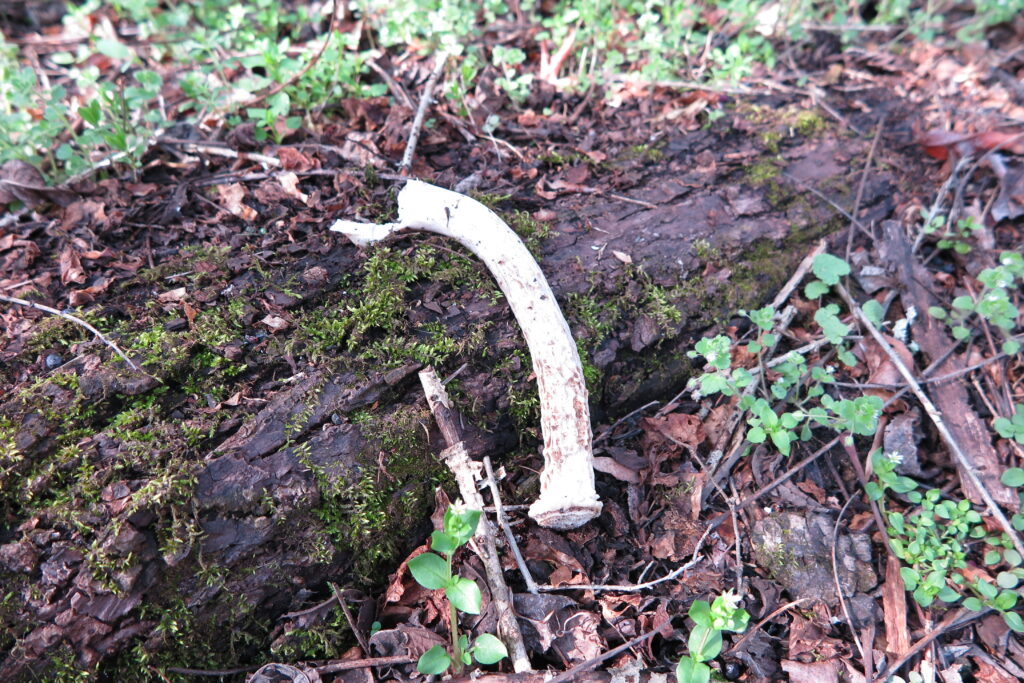
White-Tailed Deer Antler Fragment Location – Where Deer Antlers Are Found in the Wild
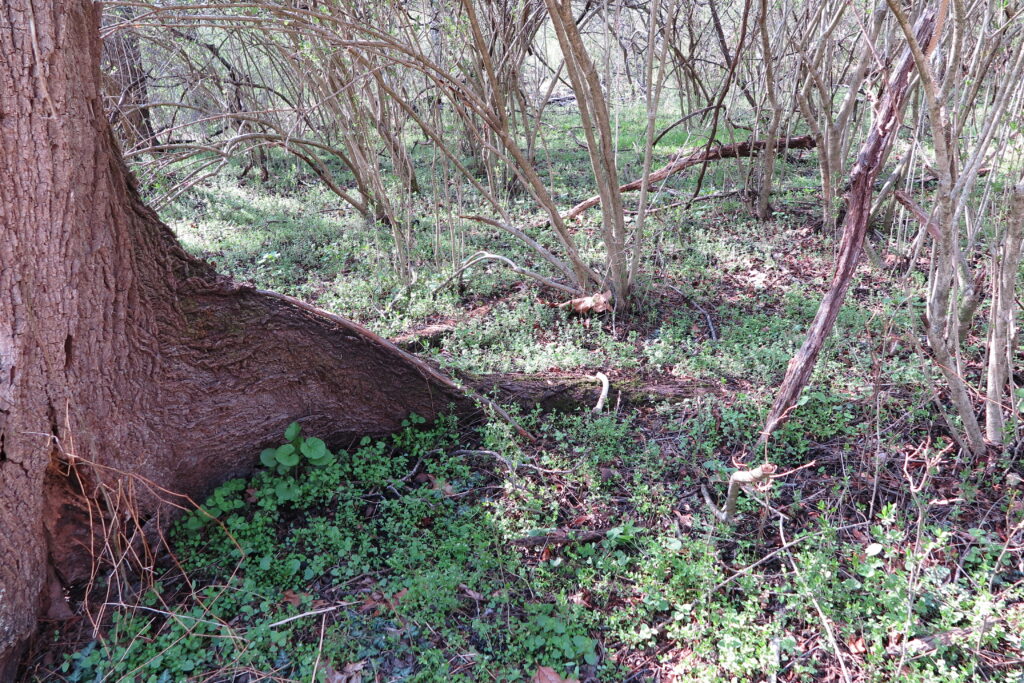
Quick Facts
Primary Environment: Forest
Common Discovery Areas: Game trails, forest edges, feeding zones, transition areas between woods and fields
Ground Condition: Leaf litter, loose soil, occasionally near water edges
Decomposition Stage: Weathered, long-term exposure
Scavenger Activity: Moderate
Exposure Level: Surface or partially exposed
Climate Zone: Temperate
Season Found: Late winter to early spring (peak shed season), but visible year-round
Associated Species: White-tailed deer tracks, small mammals, woodland birds, deciduous vegetation
Location Observed: Pennsylvania
A white-tailed deer antler fragment is a shed structure that originates from the antler beam, which grows from the skull of the animal. Unlike permanent skeletal bones, this piece is naturally dropped and left behind in the environment. Its curved form and solid appearance make it a recognizable find across natural landscapes.
This fragment most likely belongs to the White-tailed deer, a species widely distributed across North America, Central America, and parts of South America. Male deer shed their antlers annually, resulting in fragments being scattered across a wide range of habitats wherever these animals are present.
These antler pieces are typically found in outdoor environments where deer frequently move, feed, or rest. They may lie openly on the ground, partially hidden beneath leaves, or subtly exposed along well-used animal paths, blending into natural surroundings while remaining detectable to observant individuals.
Where White-Tailed Deer Antler Fragments Are Found
White-tailed deer antler fragments are commonly encountered in areas where deer activity is consistent throughout the year. These locations tend to overlap with feeding grounds, resting areas, and travel routes, creating predictable zones where shed material accumulates over time.
Across different landscapes, these fragments may appear scattered or isolated, depending on environmental conditions and animal movement patterns. In heavily wooded areas, they are often concealed beneath layers of leaf litter, while in more open terrain, they may be fully visible on the surface.
Patterns of accumulation are influenced by how deer interact with their surroundings. Areas with frequent movement, such as trails or edge habitats, are more likely to contain antler fragments compared to less traveled locations. Over time, these patterns become noticeable to those familiar with wildlife signs.
Despite differences in terrain, the presence of antler fragments generally aligns with regions that support healthy deer populations. Whether in forests, fields, or transitional zones, these pieces serve as indicators of ongoing wildlife activity and natural seasonal cycles.
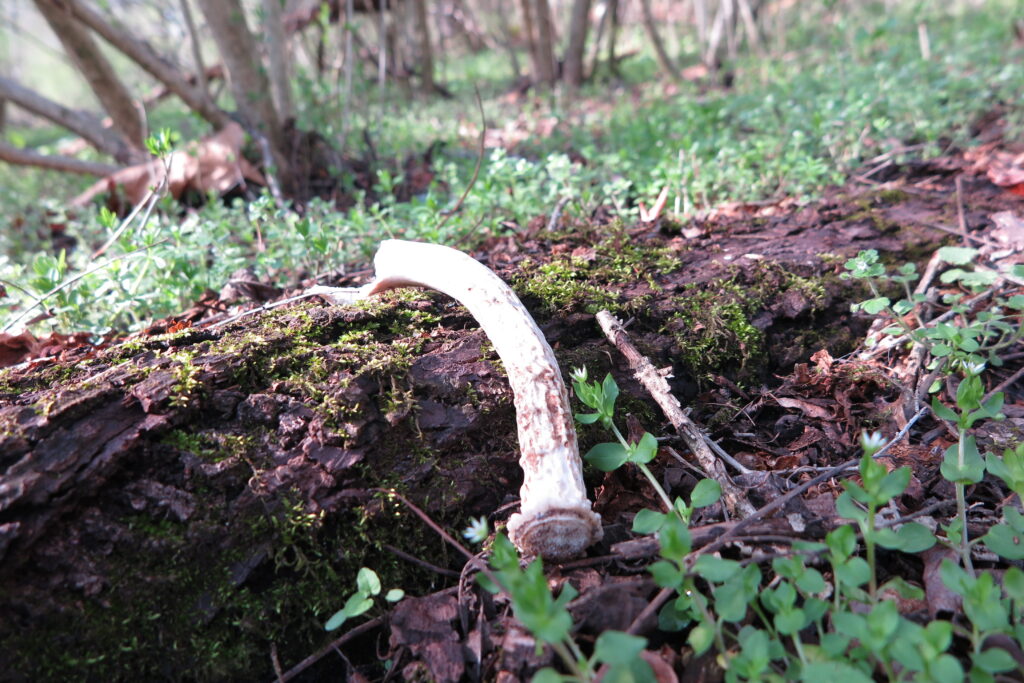
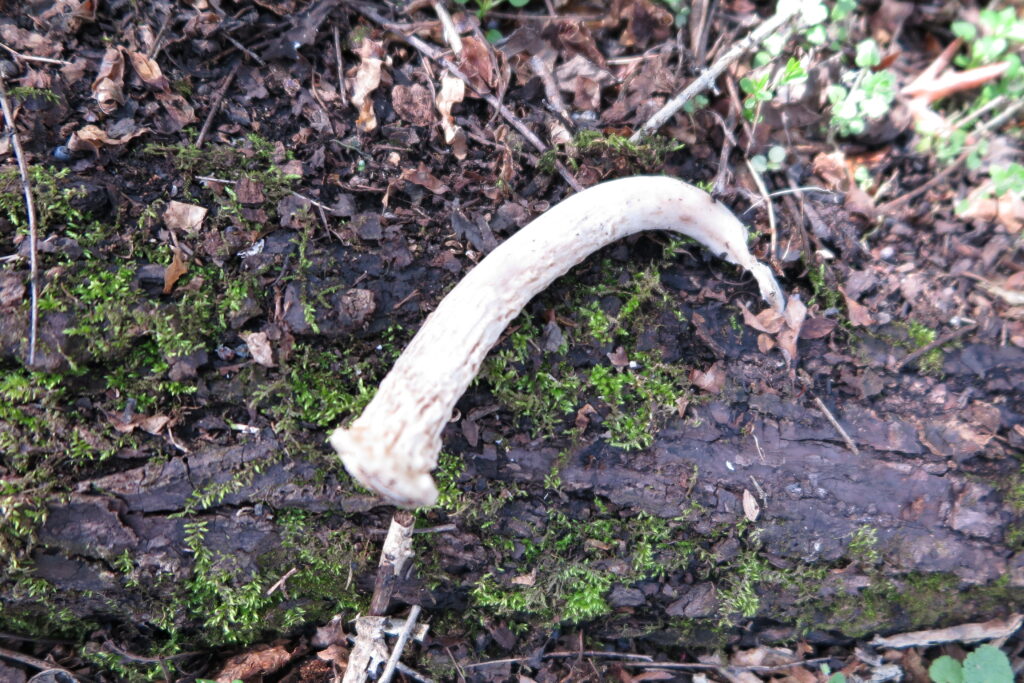
Deer Antler Fragment Environments
Forested environments are among the most common places to find antler fragments. These areas provide cover and consistent resources for deer, making them ideal for both daily activity and seasonal shedding. The forest floor, covered in leaves and organic debris, often conceals these fragments until they are partially exposed.
Fields and open spaces, particularly those near wooded edges, are also frequent discovery zones. Deer move between cover and feeding areas, increasing the likelihood of antlers being shed or broken in these transitional environments. These locations often make fragments easier to spot due to reduced ground cover.
Water edges such as streams, ponds, and wetlands are another key environment. Deer regularly visit these areas, and natural processes like erosion or shifting soil can reveal or relocate antler fragments. These zones can concentrate remains over time.
Disturbed ground, including trails, clearings, and areas affected by human or animal activity, often exposes buried fragments. Movement across these surfaces can uncover antlers that were previously hidden, making these spots productive for locating shed material.
Environmental Exposure and Distribution – Antler Fragment Spread
Environmental factors play a significant role in how antler fragments are distributed across a landscape. Weather conditions such as rain, wind, and temperature changes can gradually shift or expose fragments, altering their position over time.
Terrain also influences distribution. Sloped ground may cause fragments to move downhill, while flatter areas allow them to remain relatively undisturbed. In some cases, natural depressions can collect multiple pieces, creating localized concentrations.
Water movement is another important factor. Flowing water can carry smaller fragments or reposition larger ones along banks and edges. This process can spread antler material beyond its original location, making discovery possible in unexpected areas.
Scavenger activity contributes to redistribution as well. Animals interacting with remains may move or disturb fragments, scattering them across wider areas. Combined with natural environmental processes, this results in a dynamic pattern of distribution that changes over time.