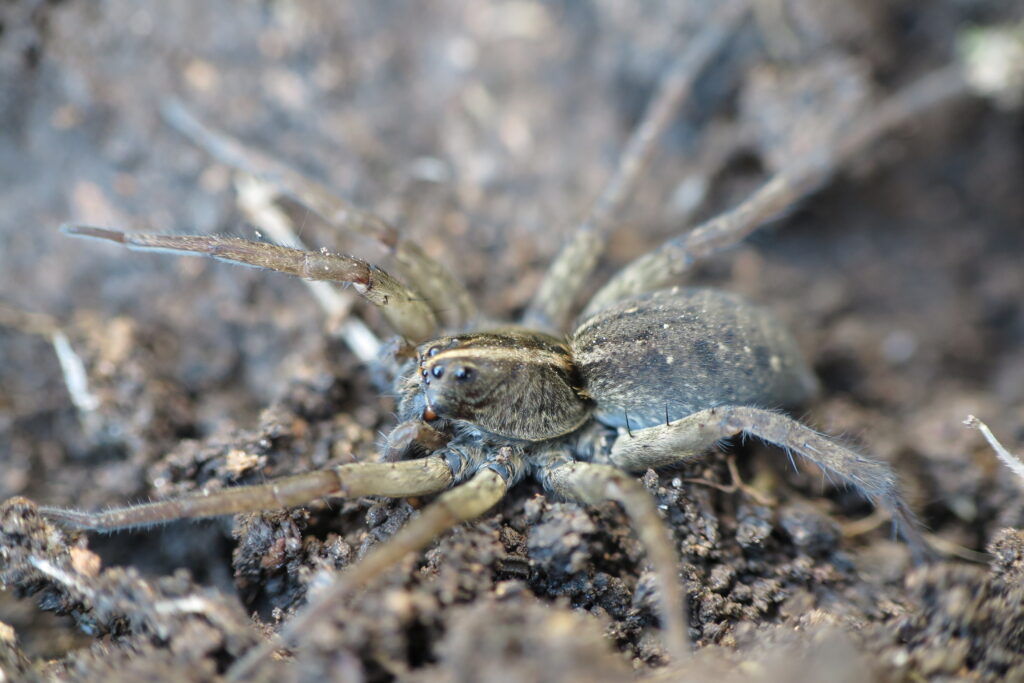
What Do Wolf Spiders Eat in Pennsylvania? Wolf Spider Diet, Feeding Habits, and Survival
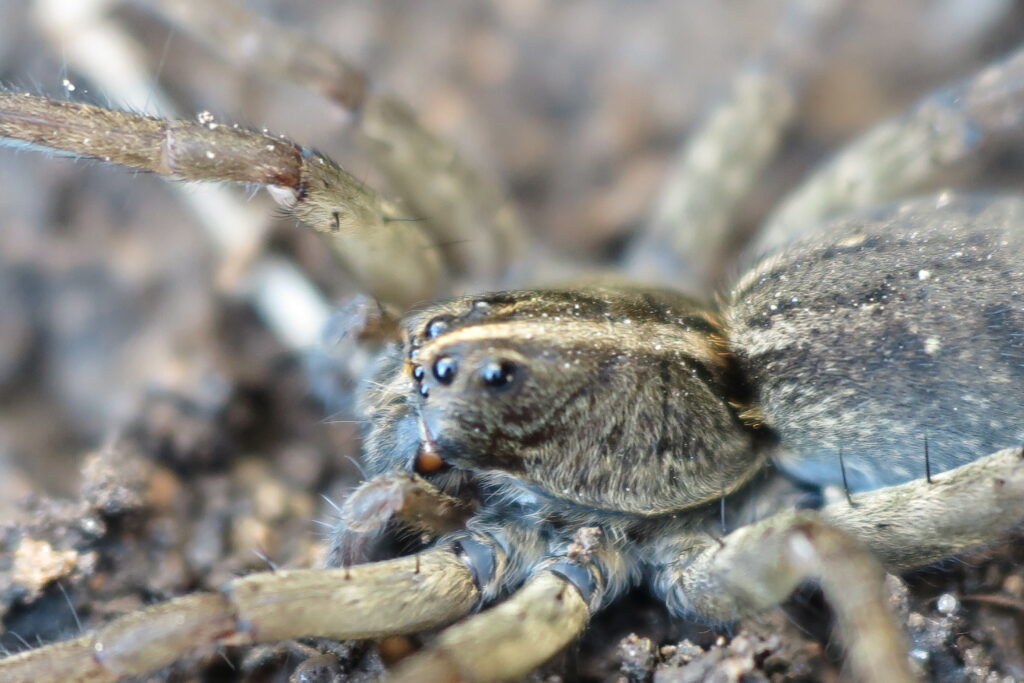
Quick Facts
Scientific Name: Lycosidae (family; includes multiple species)
Common Name: Wolf Spider
Location: Found worldwide, including throughout Pennsylvania and across North America
Diet Type: Carnivore
Main Food Sources: Insects such as crickets, ants, beetles, flies, grasshoppers, and other small invertebrates; occasionally other spiders
Seasonal Diet Changes: Diet remains similar year-round but may vary slightly based on prey availability, with more active feeding during warmer months when insects are abundant
Feeding Time: Primarily nocturnal, though occasional daytime feeding can occur
Foraging Method: Active hunter; does not use webs to catch prey, instead stalks and chases down prey using speed, strong vision, and quick reflexes
Wolf spiders, members of the Lycosidae family, are fast-moving arachnids known for their active hunting style and strong presence across many environments. Unlike web-building spiders, they rely directly on their ability to locate and capture food, making their diet an important part of their identity.
In Pennsylvania, wolf spiders are commonly found throughout forests, fields, and residential areas, where they feed on a wide range of small organisms. Their diet reflects the diversity of prey available in the region, allowing them to remain widespread and adaptable.
Imagine walking through a Pennsylvania trail at dusk, where small insects begin to emerge. Beneath the surface, a wolf spider is already alert, moving across the ground in search of its next meal. This constant search for food defines much of its daily activity.
Wolf Spider Diet Overview in Pennsylvania: Feeding Type and General Eating Habits
Wolf spiders are strictly carnivorous, meaning their diet consists entirely of other living organisms. They do not consume plant material and instead depend on capturing and consuming small prey. This feeding type places them firmly within the group of active predators.
Their feeding tendencies are direct and efficient. Rather than waiting for food to come to them, wolf spiders seek out opportunities to feed, making them highly responsive to movement and environmental cues. This approach allows them to take advantage of a wide range of available prey.
Adaptability plays a major role in the wolf spider’s diet. They are not limited to a single food source and can consume various types of insects and invertebrates. This flexibility ensures that they can continue feeding even as prey availability changes over time.
Overall, wolf spiders have a broad and opportunistic diet. Their ability to adjust to different prey types and conditions contributes to their success across Pennsylvania, allowing them to maintain consistent feeding patterns in diverse environments.


Wolf Spider Diet in Pennsylvania: Common Food Sources and Seasonal Changes
Wolf spiders primarily feed on a variety of insects and small invertebrates. Common food sources include crickets, ants, beetles, flies, grasshoppers, and other ground-dwelling organisms. They may also consume other spiders when the opportunity arises.
The availability of these food sources can vary depending on the time of year. During warmer months in Pennsylvania, insect populations increase significantly, providing wolf spiders with abundant feeding opportunities. This leads to more consistent and active feeding periods.
As temperatures begin to drop, prey availability decreases. During these colder periods, wolf spiders may encounter fewer feeding opportunities, which can affect how often they are able to eat. Their diet remains similar in type, but the frequency of feeding may change.
Food availability plays a key role in shaping their diet. Because wolf spiders rely on what is present in their environment, their diet naturally shifts based on the abundance and variety of prey. This dynamic allows them to remain effective predators throughout the year.
Wolf Spider Feeding Behavior and Survival in Pennsylvania
Wolf spiders locate food by relying on movement detection and strong visual awareness. They are highly responsive to motion, allowing them to identify potential prey quickly. This sensitivity gives them an advantage when searching for food in active environments.
Their foraging method is based on active pursuit. Instead of using webs, wolf spiders move through their surroundings, searching for prey and reacting instantly when an opportunity arises. This approach allows them to control when and where they feed.
Competition for food can occur with other ground-dwelling predators, including other spiders and small animals. However, wolf spiders rely on speed and quick decision-making to secure food when it becomes available, helping them compete effectively in shared environments.
Survival strategies related to feeding include efficiency and adaptability. Wolf spiders must take advantage of available prey whenever possible, as missed opportunities can impact their energy levels. Their ability to react quickly and adjust to changing conditions supports their long-term survival in Pennsylvania.