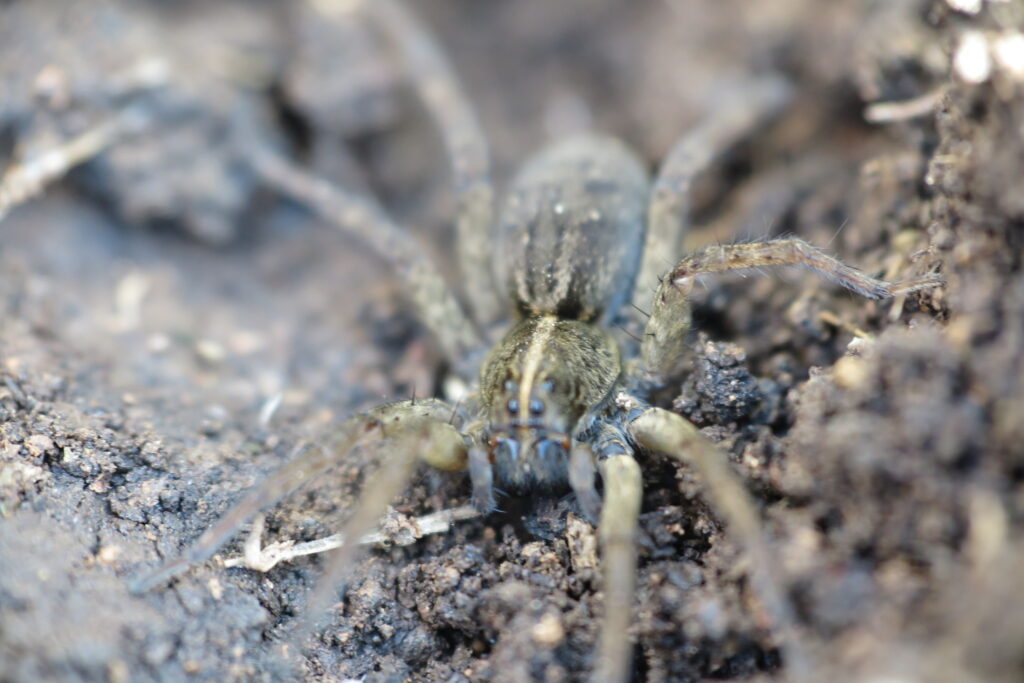
Wolf Spider Habitat in Pennsylvania: Where Wolf Spiders Live and Thrive
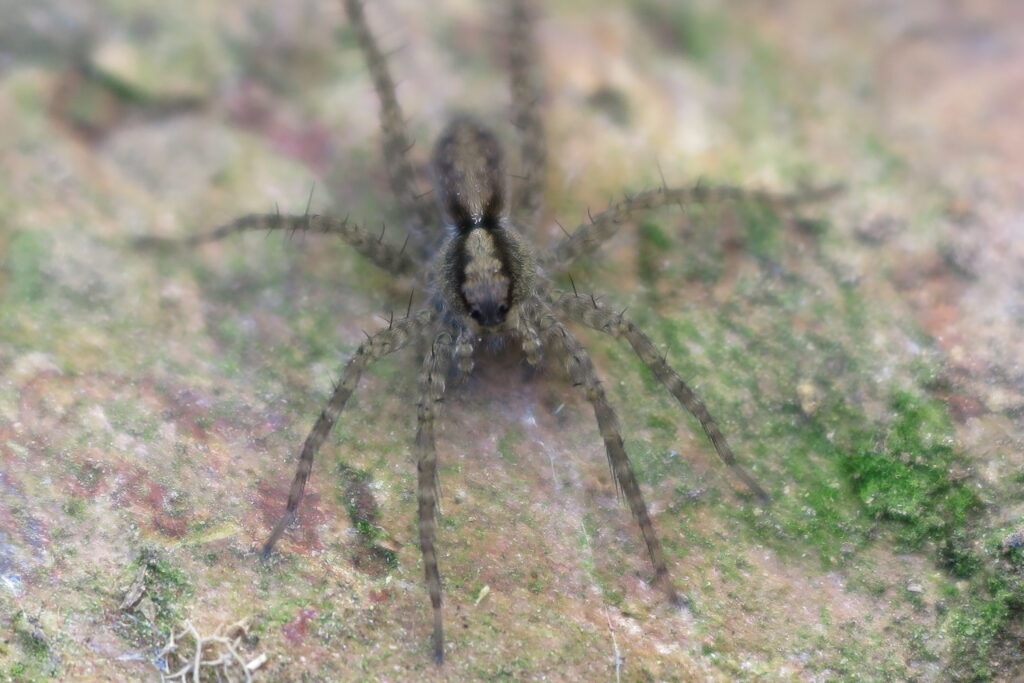
Quick Facts
Scientific Name: Lycosidae (family; includes multiple species)
Common Name: Wolf Spider
Location: Found worldwide, including throughout Pennsylvania and across North America
Primary Habitat: Ground-level environments such as forest floors, leaf litter, grasslands, and open fields
Secondary Habitat: Gardens, agricultural areas, rocky terrain, and occasionally indoors in basements, garages, or sheds
Range in Pennsylvania: Widespread across the entire state, from wooded regions and rural landscapes to suburban and urban areas
Climate Preference: Prefers moderate to warm climates but is highly adaptable and can survive seasonal temperature changes, including cold Pennsylvania winters
Elevation/Environment Type: Found from lowland areas to higher elevations; thrives in terrestrial environments with soil, debris, or vegetation that provide cover and mobility
The wolf spider, part of the Lycosidae family, is a ground-dwelling arachnid known for its strong presence across a wide range of natural environments. Unlike web-building spiders, it relies heavily on the terrain around it, making its habitat a key part of its identity.
In Pennsylvania, wolf spiders are found throughout the state, from dense forests to open fields and even residential areas. Their ability to exist in multiple environments makes them one of the most commonly encountered spiders in the region.
Picture walking through a Pennsylvania woodland, where the forest floor is covered in leaves, small rocks, and patches of grass. Beneath this surface lies the perfect environment for wolf spiders, offering both space and natural cover within the landscape.
Wolf Spider Habitat Overview: Range, Environment, and Adaptability in Pennsylvania
Wolf spiders occupy a wide variety of environments across Pennsylvania, making them highly versatile in where they can live. They are commonly associated with ground-level habitats that provide both exposure and natural cover, allowing them to blend into their surroundings.
Geographically, wolf spiders can be found in nearly every part of Pennsylvania, from rural mountain regions to suburban neighborhoods. Their widespread presence reflects their ability to adjust to different environmental conditions without relying on a single type of habitat.
One of the defining characteristics of wolf spider habitat is adaptability. These spiders can exist in dry, open areas as well as more humid and shaded locations. This flexibility allows them to remain active across changing environments and conditions throughout the state.
Overall, wolf spiders prefer environments that offer a combination of space and natural elements such as soil, leaf litter, and vegetation. These features provide the foundation for their presence and support their ability to thrive in Pennsylvania.
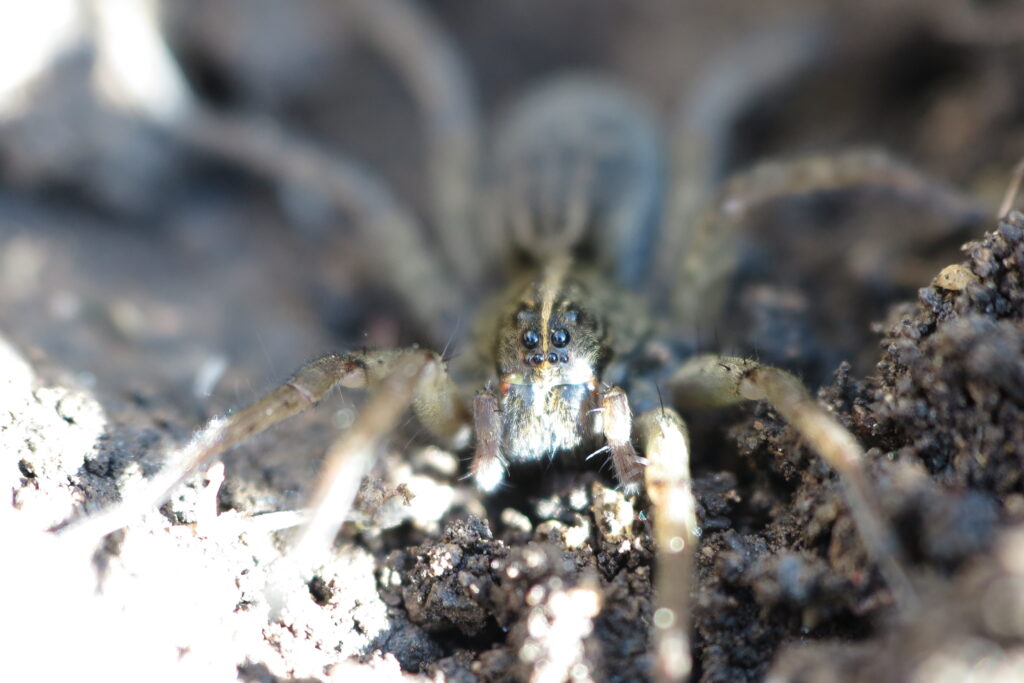
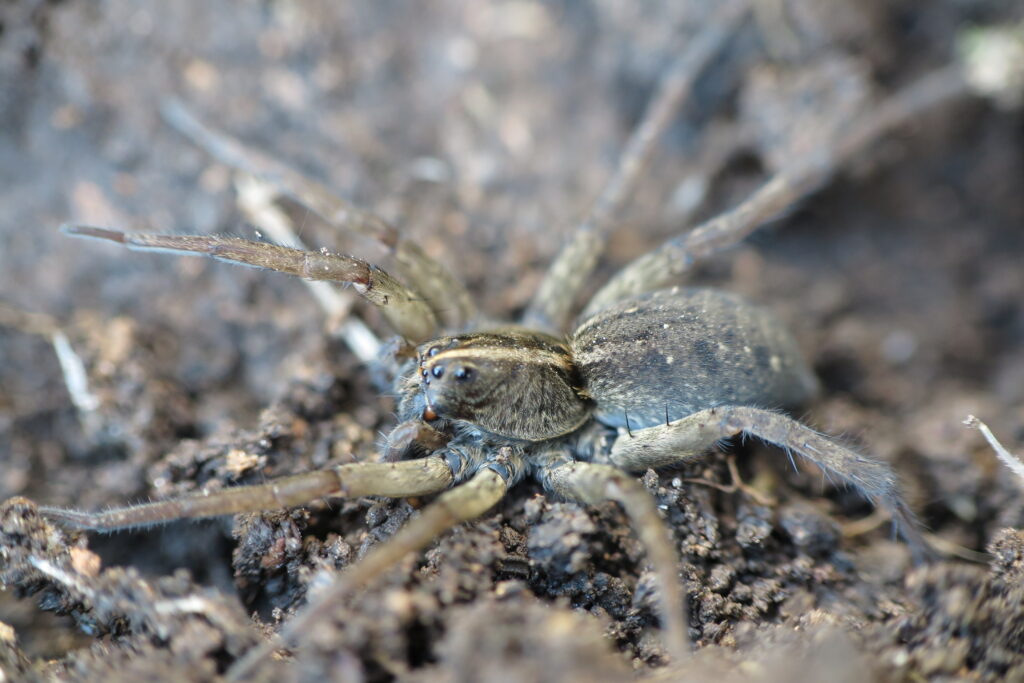
Wolf Spider Habitat Locations: Forests, Fields, and Urban Areas in Pennsylvania
In Pennsylvania, wolf spiders are commonly found in forested environments, particularly on the forest floor where fallen leaves, branches, and organic debris create a layered surface. These areas provide natural ground coverage that supports their presence without requiring complex structures.
Grasslands and open fields also serve as important habitats for wolf spiders. These environments offer wide, unobstructed ground areas combined with patches of vegetation, creating a balanced setting that supports their survival. The mix of soil and plant cover allows them to remain concealed while still having room to move.
Wetland edges and transitional zones between water and land can also support wolf spider populations. While not strictly aquatic, these areas provide moisture-rich ground conditions and dense vegetation that contribute to a suitable environment.
Wolf spiders are also frequently found in suburban and urban settings throughout Pennsylvania. Gardens, lawns, and areas around homes can mimic natural ground environments, making these locations suitable extensions of their habitat. Basements, garages, and sheds may also serve as temporary shelter due to their similar ground-level conditions.
Wolf Spider Environmental Conditions: Climate, Terrain, and Vegetation Factors in Pennsylvania
The climate of Pennsylvania plays a significant role in shaping wolf spider habitat. With a mix of warm summers and cold winters, these spiders must exist in environments that can support seasonal changes. Their habitats typically provide natural insulation through soil, leaf litter, or debris.
Seasonal variation affects the availability and structure of their environment. During warmer months, vegetation becomes denser, creating more ground cover and environmental complexity. In colder months, the landscape becomes more open, but underlying layers such as soil and debris continue to provide stable conditions.
Terrain is another important factor in wolf spider habitat. They are commonly found in areas with loose soil, uneven ground, and natural debris. These features create a dynamic surface that supports their presence and allows them to remain integrated into the environment.
Vegetation also contributes to habitat quality by providing shade, moisture retention, and structural diversity. From low grasses to dense forest undergrowth, plant life helps create the environmental balance needed for wolf spiders to persist. Across Pennsylvania, this combination of climate, terrain, and vegetation forms the foundation of their habitat.