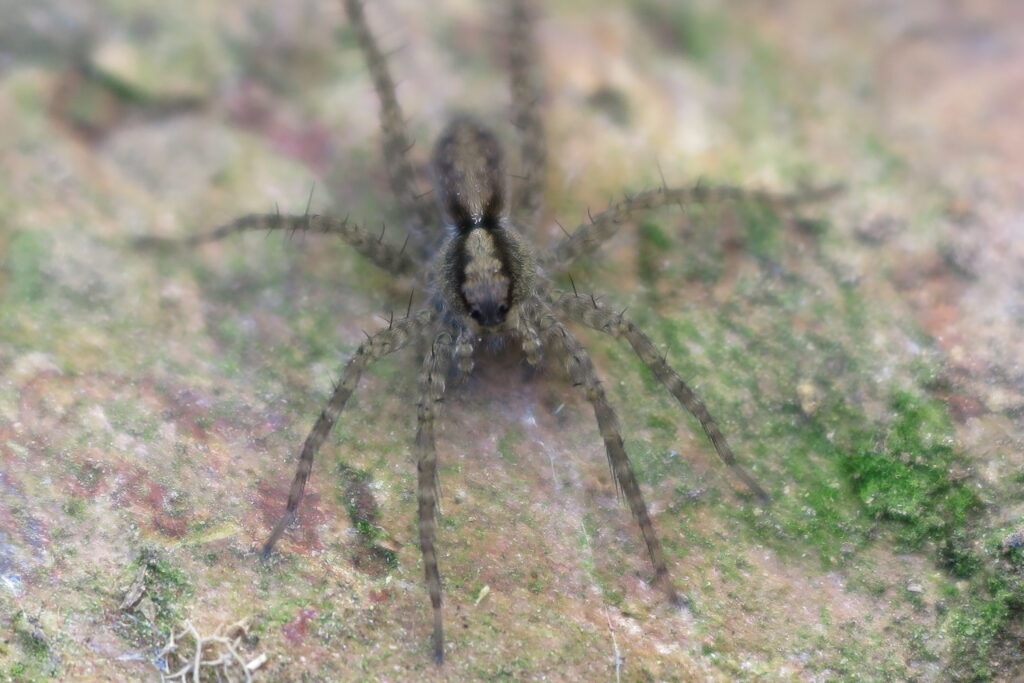
Wolf Spider Bite – Are They Venomous and Is It Dangerous? (Complete Identification and Safety Guide)
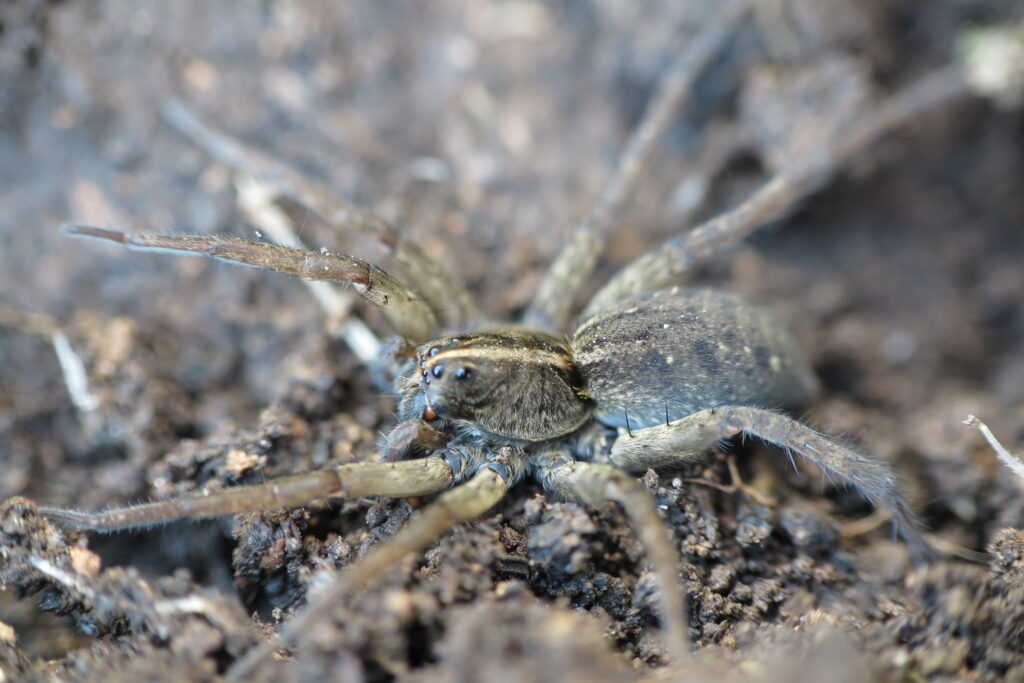
Quick Facts
Venom Status: Venomous (not considered medically dangerous to humans)
Bite Severity: Mild to moderate, typically localized
Typical Symptoms: Redness, swelling, mild pain
Global Range: Worldwide, except Antarctica
Conservation Status: Not Evaluated (family-wide), generally stable
Notable Feature: Strong fangs and active hunting ability
Wolf Spider Bite Introduction and Safety Overview
Wolf spiders, members of the family Lycosidae, are common ground-dwelling arachnids found across much of the world. Their widespread presence means encounters with humans are not unusual, especially in areas where natural ground cover is present. Despite their size and appearance, questions about their bite and potential danger are among the most frequently searched topics related to this species.
When people encounter a wolf spider, concern often centers around whether it is venomous and capable of causing harm. Like most spiders, wolf spiders do possess venom, which they use to subdue prey. However, the presence of venom does not automatically mean that the spider poses a significant threat to humans.
In most cases, wolf spiders avoid interaction and only bite when directly provoked or handled. Their behavior is generally defensive rather than aggressive, meaning bites are relatively uncommon. Understanding this context is important when evaluating the actual level of risk associated with them.
This guide focuses on clarifying what a wolf spider bite means, how venom functions in this species, and whether it presents a real danger. By separating appearance from reality, it becomes easier to understand how these spiders interact with humans and what to expect in rare bite situations.
Wolf Spider Bite Appearance, Symptoms, and Physical Effects
A wolf spider bite typically results in a localized reaction that is mild compared to more medically significant spider bites. The affected area may show slight redness and swelling, often resembling a common insect bite. In many cases, the initial sensation is similar to a small pinch or prick.
The physical effects are usually limited to the immediate area of the bite. Mild discomfort, slight itching, or temporary irritation may occur, but these symptoms tend to remain manageable. The reaction does not typically spread or escalate beyond the initial site under normal conditions.
In terms of appearance, the bite mark itself may be difficult to distinguish from other minor skin irritations. It does not usually produce dramatic or severe visible effects. This subtlety often leads to uncertainty about whether a wolf spider was responsible.
Compared to bites from more dangerous species, wolf spider bites are relatively minor. They lack the strong systemic effects seen in medically significant envenomations. This distinction is important when assessing the overall level of risk associated with these spiders.

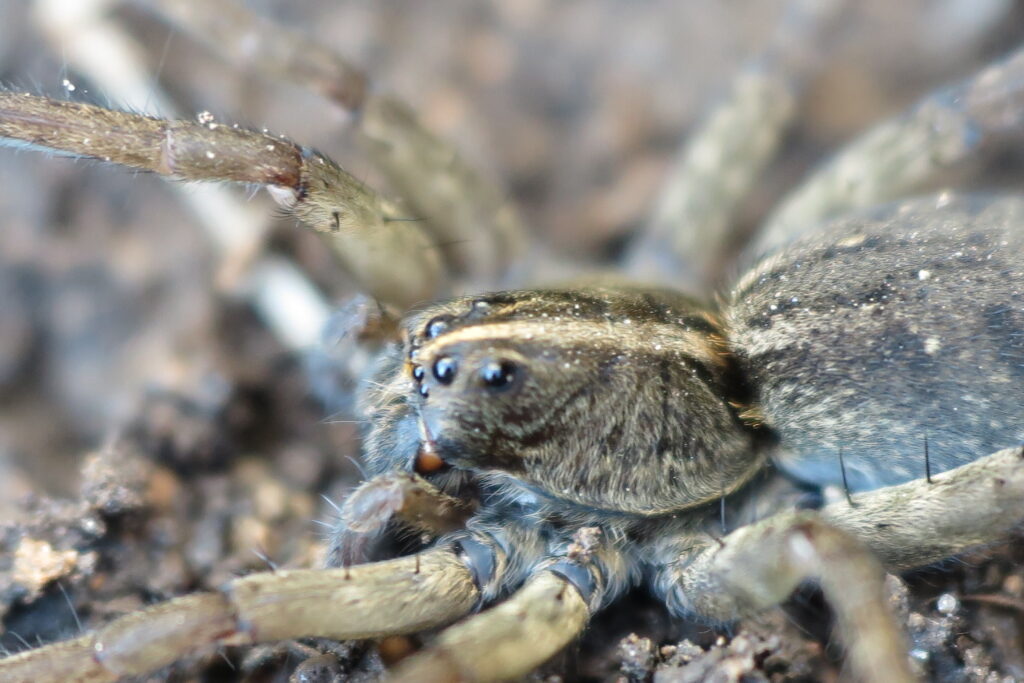
Are Wolf Spiders Venomous? Understanding Their Venom
Wolf spiders are indeed venomous, but their venom is adapted for use against small prey rather than large animals. This venom allows them to immobilize insects and other invertebrates quickly. In humans, however, its effect is significantly reduced.
The potency of their venom is relatively low when compared to spiders known for medically important bites. It is not designed to cause widespread harm beyond subduing small organisms. This difference in function explains why bites rarely result in serious outcomes for humans.
The presence of venom often leads to misconceptions about danger. Many animals possess venom as a tool for survival without posing a major threat to people. In the case of wolf spiders, their venom serves a practical purpose within their ecological role rather than acting as a defense against large animals.
Understanding the distinction between “venomous” and “dangerous” is key. While wolf spiders meet the definition of venomous, they are not considered dangerous in a medical sense. This clarification helps reduce unnecessary concern when encountering them.
Is a Wolf Spider Bite Dangerous? Risk and Real-World Impact
For most people, a wolf spider bite is not considered dangerous. The effects are typically mild and limited to short-term irritation. Serious reactions are extremely rare and usually associated with individual sensitivity rather than the spider itself.
The overall risk level can be compared to that of a bee sting or minor insect bite. While it may cause temporary discomfort, it does not usually result in lasting harm. This comparison helps place the bite in a more familiar and understandable context.
Wolf spiders do not actively seek out humans, and bites generally occur only when the spider is accidentally pressed against skin or handled. This means that the likelihood of being bitten is already low. Their natural tendency is to retreat rather than engage.
In real-world situations, wolf spiders play a far greater role in maintaining ecological balance than in posing any risk to humans. Their contribution to controlling insect populations outweighs the minimal danger associated with their bite. Recognizing this helps shift the perspective from fear to understanding.