Woodland Moss Habitat Guide: Where Moss Grows, Environmental Conditions, and Forest Ecosystems Explained
Quick Facts
Primary Habitat: Forest
Soil Type: Loamy, organic-rich, well-drained surfaces (also grows on wood and rock)
Soil pH Preference: Acidic to slightly neutral
Moisture Level: Moist to wet
Climate Zone: Temperate
USDA Hardiness Zone: 3–9
Elevation Range: Sea level to moderate elevations (~0–6,000 ft)
Light Requirements: Partial shade to full shade
Location Observed: Pennsylvania
Woodland moss is a low-growing, non-vascular plant that forms soft green carpets across natural surfaces. It lacks true roots and instead anchors itself using fine structures, allowing it to grow in places where many other plants cannot. Its presence adds a dense, velvety layer to the landscape, often blending seamlessly into forest environments.
This type of moss is widely distributed across temperate and boreal regions of the world, appearing throughout North America, Europe, and parts of Asia. It is commonly found in areas where natural moisture is retained, making it a frequent feature in shaded ecosystems that support long-term plant stability.
In natural settings, woodland moss creates a quiet, undisturbed appearance. It settles into the landscape without drawing attention, yet over time it spreads across logs, stones, and soil, forming a continuous green layer that defines the texture of the environment around it.
Woodland Moss Habitat Overview and Environmental Range
Woodland moss is most commonly associated with forest environments, where conditions remain stable and moisture is consistently available. These areas provide a natural balance of shade and humidity, allowing moss to establish itself without the stress of direct exposure or rapid drying. Its presence often signals a relatively undisturbed ecosystem.
Across its global range, woodland moss can be found in a variety of temperate regions, from cool northern forests to milder woodland climates. While it thrives best in shaded areas, it is not limited to a single environment and can adapt to multiple surface types as long as basic moisture conditions are met.
Its adaptability allows it to grow on more than just soil. Woodland moss frequently spreads across decaying wood, rocks, and compacted ground, demonstrating its ability to colonize surfaces that are not suitable for traditional plants. This flexibility contributes to its widespread distribution.
Although it is strongly associated with forested landscapes, woodland moss can occasionally appear in other environments that mimic similar conditions. Any setting that maintains shade, moderate moisture, and surface stability can support its presence, even if only in small patches.
Woodland Moss Habitat: Where It Grows Naturally
Woodland moss is most frequently found in forest ecosystems, where tree cover provides protection from direct sunlight and helps maintain consistent environmental conditions. The forest floor, especially in areas with minimal disturbance, creates an ideal surface for moss to spread and establish long-term growth.
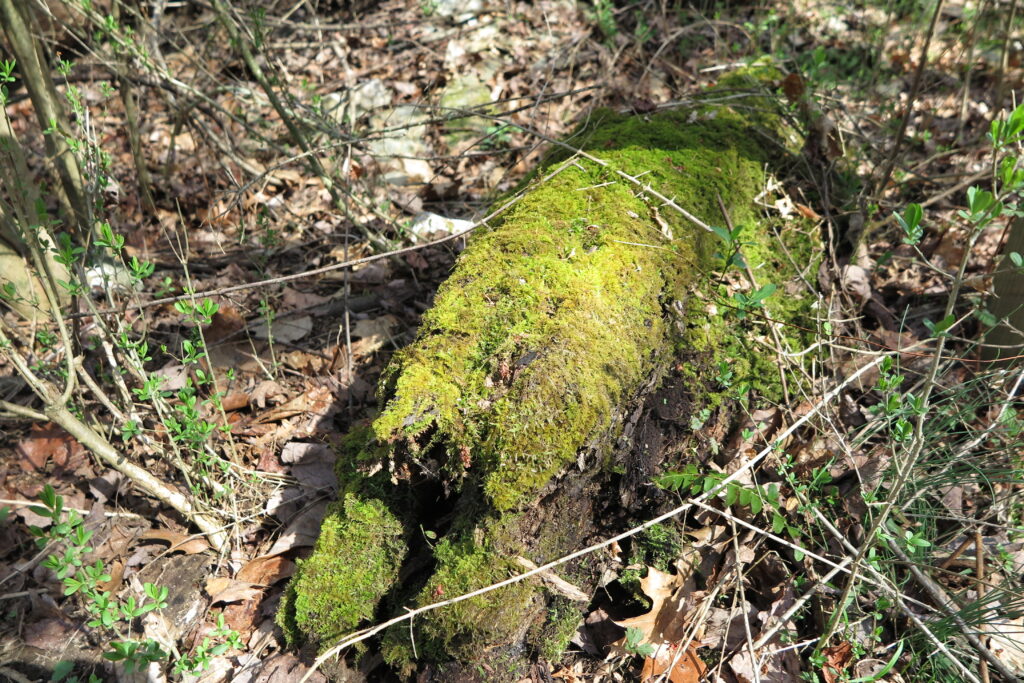
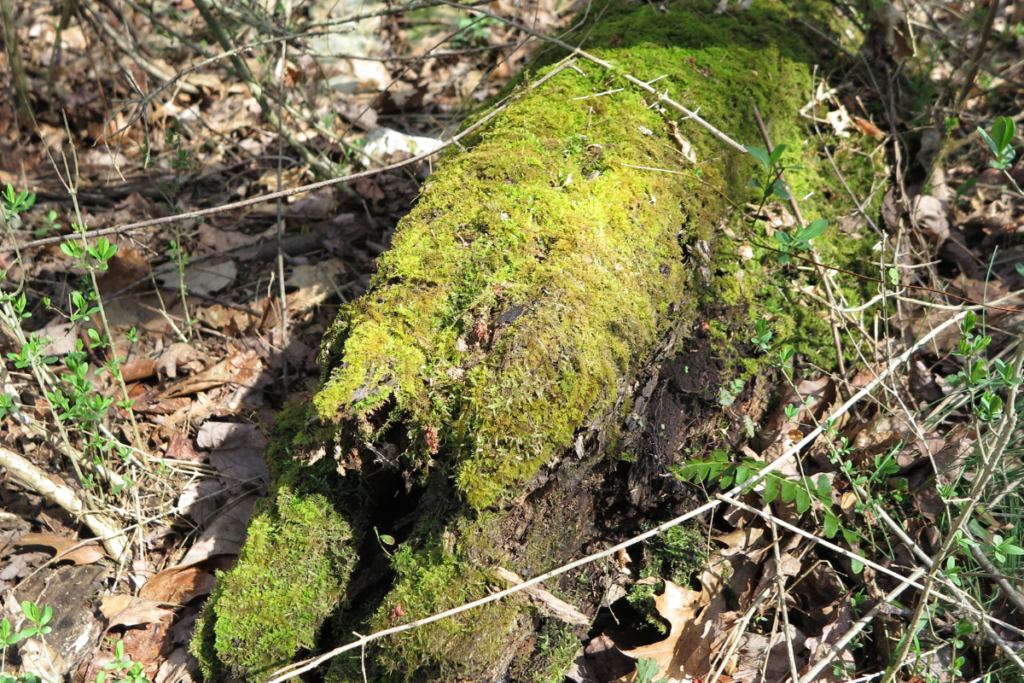
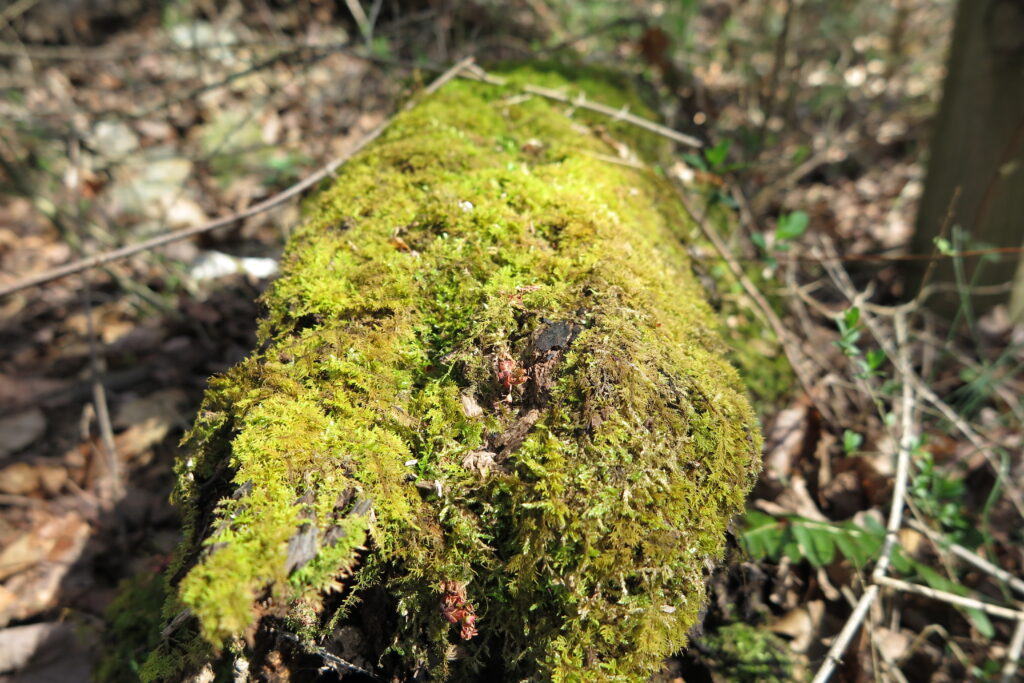
Fallen logs and decomposing wood are among the most common locations where woodland moss thrives. These surfaces retain moisture effectively and provide a stable base for attachment. As the wood gradually breaks down, moss becomes part of the natural cycle of decomposition, contributing to the evolving landscape.
Rocky surfaces within wooded areas also support moss growth, particularly in locations where water collects or humidity remains high. Moss can settle into small crevices, gradually expanding outward and covering exposed stone. This allows it to occupy spaces that are otherwise unsuitable for larger plants.
In addition to natural forests, woodland moss can sometimes be found in shaded gardens, parks, and undisturbed suburban areas. As long as the environment mimics the low-light, moisture-retaining conditions of a forest, moss can establish itself and persist over time.
Woodland Moss Environmental Conditions and Growing Requirements
The environmental conditions that support woodland moss are centered around consistent moisture and protection from extreme exposure. Moisture levels play a critical role, as moss relies on surface water rather than deep root systems. Environments that retain water—whether through rainfall, humidity, or surface absorption—are essential for its survival.
Soil type is less restrictive compared to other plants, but moss tends to favor loamy or organic-rich surfaces that can hold moisture without becoming overly compacted. It also grows successfully on non-soil surfaces such as decaying wood and rock, where organic material accumulates and provides minimal support.
Woodland moss generally prefers slightly acidic to neutral conditions, which are commonly found in forest ecosystems. These conditions support its ability to absorb nutrients from its surroundings, even in environments where nutrient availability is relatively low.
Light exposure is another important factor. Woodland moss thrives in partial to full shade, where reduced sunlight helps prevent moisture loss. Direct, prolonged sunlight can lead to drying, while shaded environments allow moss to maintain the hydration it needs to remain active. Combined with temperate climates and moderate seasonal variation, these conditions create an environment where woodland moss can establish and persist over long periods.