Woodland Moss Structure Guide: Plant Form, Anatomy, and Unique Adaptations Explained
Quick Facts
Plant Form: Low-growing, mat-forming non-vascular plant
Leaf Structure: Tiny, soft, scale-like leaves arranged along thin stems
Stem Type: Slender, flexible, non-woody stems
Root System: Rhizoids (hair-like anchors, not true roots)
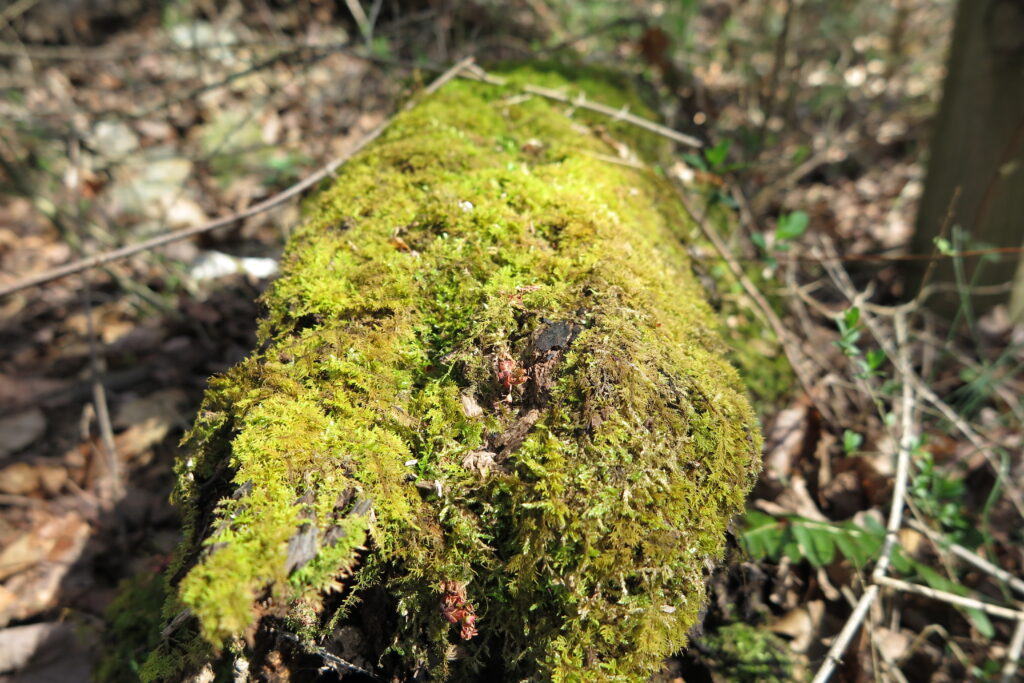
Surface Texture: Dense, carpet-like, velvety appearance
Height Range: Typically under 2 inches tall
Growth Appearance: Forms continuous green mats across surfaces
Reproductive Structure: Spore capsules on thin stalks (no flowers)
Structural Adaptation: Absorbs water and nutrients directly through leaves
Location Observed: Pennsylvania
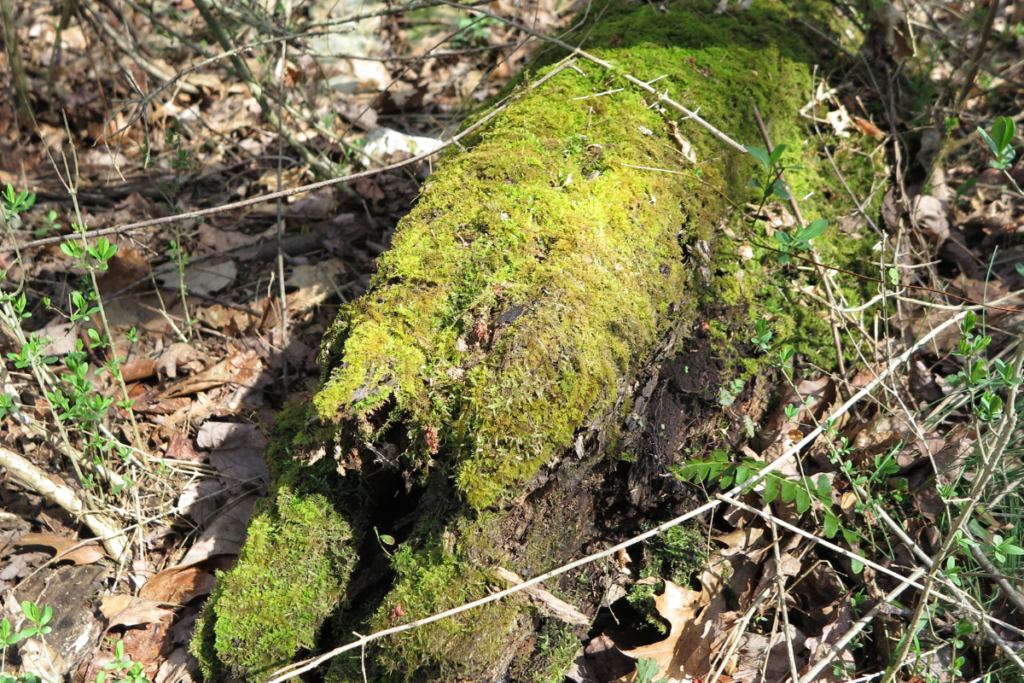
Woodland moss is a small, non-flowering plant that forms soft green layers across natural surfaces. Unlike typical plants that produce flowers, seeds, and complex root systems, moss belongs to a simpler group known for its minimal structure and direct interaction with its surroundings. Its appearance is subtle yet distinct, often forming dense, velvety coverings in natural environments.
This plant group is found across temperate and boreal regions worldwide, appearing throughout North America, Europe, and parts of Asia. Woodland moss commonly grows in areas where conditions allow it to remain stable over long periods, making it a consistent feature in many undisturbed landscapes.
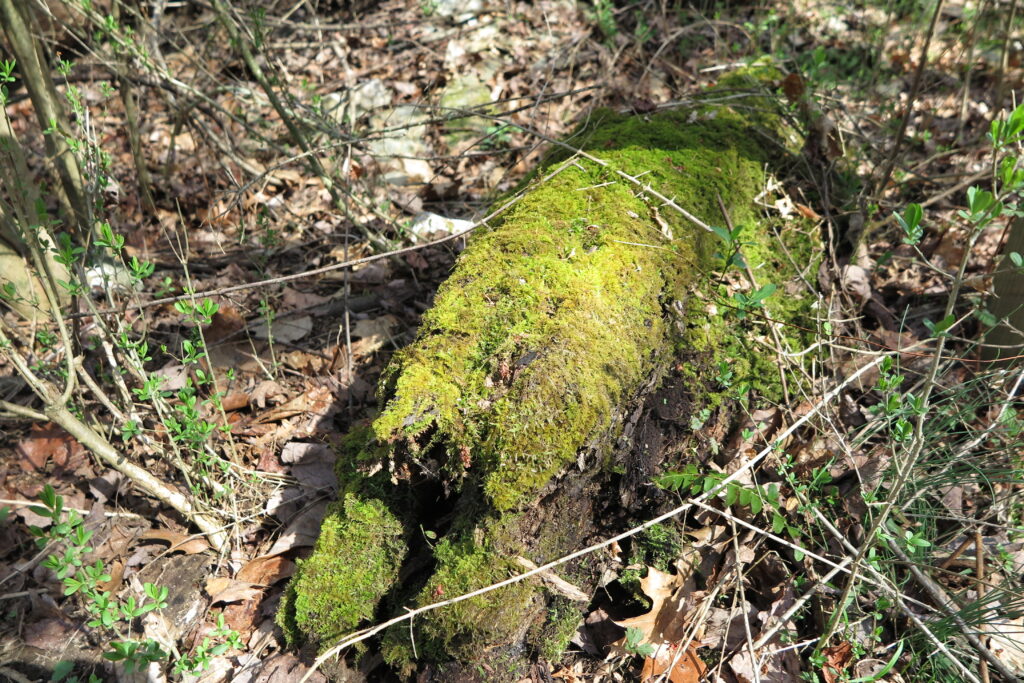
When encountered in nature, woodland moss creates a quiet, textured layer that softens the surfaces it covers. It spreads across logs, rocks, and soil, forming a continuous green presence that blends into its surroundings. Its structure may seem simple at first glance, but closer observation reveals a detailed and highly specialized form.
Woodland Moss Structure Overview and Physical Characteristics
Woodland moss is defined by its low-growing, carpet-like form, which spreads across surfaces in dense clusters. Its overall structure lacks the height and complexity seen in larger plants, instead focusing on creating a compact and cohesive layer. This gives it a soft, almost fabric-like appearance when viewed from a distance.
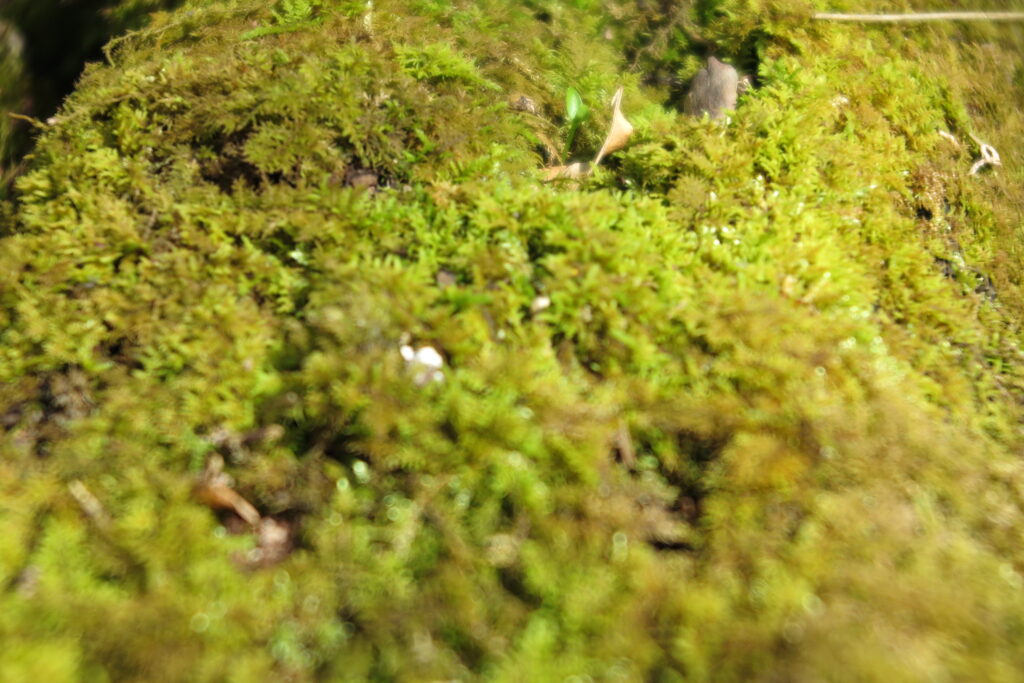
The plant is composed of tiny leaf-like structures arranged along delicate stems. These leaves are closely packed, creating a thick, cushion-like texture that helps define its overall shape. Rather than forming large individual plants, moss grows as a collective mass of interconnected strands.
Unlike flowering plants, woodland moss does not produce visible blooms or seeds. Its structure remains consistent throughout its life, maintaining the same general appearance without dramatic seasonal changes in form. This simplicity contributes to its ability to blend seamlessly into its environment.
Despite its minimal structure, woodland moss is highly recognizable. Its smooth, green surface and dense growth pattern distinguish it from other ground-cover plants, making it a defining feature in many natural landscapes.
Woodland Moss Plant Structure and Anatomical Features
The physical composition of woodland moss is built around a simple but effective design. Its leaf-like structures are small and thin, often only a few millimeters in length. These leaves are arranged in overlapping patterns along slender stems, creating a layered appearance that enhances its density.
The stems themselves are flexible and delicate, allowing the plant to conform to the surface it grows on. This flexibility helps moss maintain close contact with its substrate, ensuring stability even on uneven or irregular surfaces. The stems do not transport water in the same way as vascular plants, reflecting the moss’s simpler internal structure.
Instead of true roots, woodland moss uses rhizoids—fine, hair-like structures that anchor it in place. These rhizoids do not absorb nutrients in the traditional sense but provide enough grip to keep the plant attached to wood, rock, or soil. This allows moss to grow in locations where deeper root systems would not function.
One of the most distinctive structural features of moss is its reproductive component. While it does not produce flowers, it develops small stalks that hold spore-producing capsules. These structures rise slightly above the main plant body, adding a subtle variation to its otherwise uniform appearance.
Woodland Moss Structural Adaptations and Functional Design
Woodland moss is uniquely adapted to function without the complex systems found in larger plants. Its thin leaves allow it to absorb water directly from its surroundings, eliminating the need for an extensive root network. This direct absorption method enables it to survive in environments where water availability fluctuates.
The dense arrangement of its leaves plays a key role in moisture retention. By forming tightly packed clusters, the plant reduces water loss and maintains internal hydration. This structure also creates a protective layer that shields lower portions of the plant from exposure.
Its rhizoids provide stability without restricting where it can grow. Because they serve primarily as anchors rather than nutrient-absorbing roots, moss can establish itself on a wide range of surfaces. This structural flexibility allows it to occupy spaces that other plants cannot easily access.
Overall, woodland moss demonstrates how simplicity can be highly effective. Its structure is designed for efficiency, allowing it to maintain stability, absorb moisture, and reproduce without relying on complex systems. This combination of features supports its long-term survival and makes it a consistent presence in natural environments.